
What Domestic Sewage Treatment Means for Phuket Properties
Domestic sewage treatment in Phuket should match the property’s sewer access, wastewater characteristics, available footprint and reuse plan. Centralized and cluster plants are established municipal options, while on-site or packaged biological systems can serve individual hotels, housing developments and remote sites without sewer access. Both black water and grey water must be included: WEPA found grey water produced 87.8% of household BOD loading. For decentralized wastewater treatment in Phuket, require site-specific wastewater testing, local-authority confirmation, capacity based on actual demand, and defined O&M, sludge-disposal and effluent-reuse plans.
Domestic sewage includes wastewater from toilets, kitchens, washing, bathing and other household activities at hotels, homes and similar premises. Treatment is only one part of the service: collection moves wastewater to the plant; treatment removes contaminants; sludge or septage still requires controlled removal and an authorized destination; and final effluent must be discharged, reused or otherwise managed under the applicable requirements.
WEPA’s 2014 policy brief identifies three domestic wastewater treatment categories in Thailand: centralized, cluster and on-site systems. For a Phuket property, the first decision is therefore not which product has the most processes. It is whether a public sewer connection is feasible, what connection conditions and tariffs apply, and whether the receiving authority accepts the proposed discharge or reuse route. UNESCAP’s Water Management in Phuket identifies wastewater systems and reuse within provincial water management, but it does not replace confirmation from the relevant Phuket authority.
Tourism adds a capacity-planning issue. UNESCAP identifies tourism as Phuket’s largest income source and reports tourism water consumption of 24.89 million m³ in 2022. A hotel or resort must therefore design around occupancy and seasonal demand, not merely connected population. A packaged plant is equipment, not permission to discharge: the relevant local authority and the receiving-water or reuse assessment must define the acceptance criteria. The same decision sequence can be compared further in the packaged A/O versus MBR selection guide.
Why Phuket Sites Need a Site-Specific Treatment Decision
Phuket’s tropical monsoon and tourism-driven water demand make generic package-plant selection unreliable. UNESCAP reports seven dry-season months from mid-October to mid-May, five rainy-season months and average annual rainfall of 2,200 millimetres. The site survey must therefore examine drainage, flood level, groundwater and access alongside wastewater flow and load.
UNESCAP reports total water consumption of 64.37 million m³ in 2016, 79.01 million m³ in 2022 and 103.07 million m³ in 2032. These are provincial water-demand figures, not property wastewater flows. They show the planning pressure created by development and tourism, while leaving each project’s own sewage generation to be measured or credibly estimated.
Request a domestic wastewater characterization covering flow, BOD, COD, suspended solids, pH, grease and solids from the actual property or a representative waste stream. The supplied research does not establish a universal Phuket composition. Sample through the relevant occupancy and seasonal conditions, and record kitchen discharge, laundry flows and other non-domestic inputs that could alter the biological load.
Average daily flow is not a sufficient design basis for a hotel or resort. Provide the occupancy profile, connected population, measured or estimated flow, peak periods, seasonal variation and any irrigation or reuse demand. For housing, include peak morning and evening conditions and future development phases.
| Survey input | What the buyer must establish | Why it affects selection |
|---|---|---|
| Wastewater flow and load | Measured or defensibly estimated flow, BOD, COD, suspended solids, pH, grease and solids | Determines hydraulic and biological capacity |
| Ground and flood conditions | Groundwater level, flood level, soil permeability and drainage constraints | Controls excavation, containment, infiltration avoidance and installation method |
| Physical and operational access | Available footprint, access route, lifting constraints, odor and noise limits | Tests whether a buried package can be installed and maintained |
| Receiving environment | Receiving water, soil, groundwater or planned reuse destination | Sets the treatment and monitoring basis for authority review |
UNESCAP identifies ten Local Administration Organization wastewater-treatment priorities, including Rawai, Kamala, Karon, Vichit, Patong, Chalong and Saku. These entries indicate location-specific planning needs; they do not establish that Rawai, Patong, Kamala, Karon or another area shares one approval pathway. Obtain current confirmation for the exact parcel, connection point, discharge route and reuse application before treating any package as compliant.
Compare Centralized, Cluster, Package A/O and MBR Systems
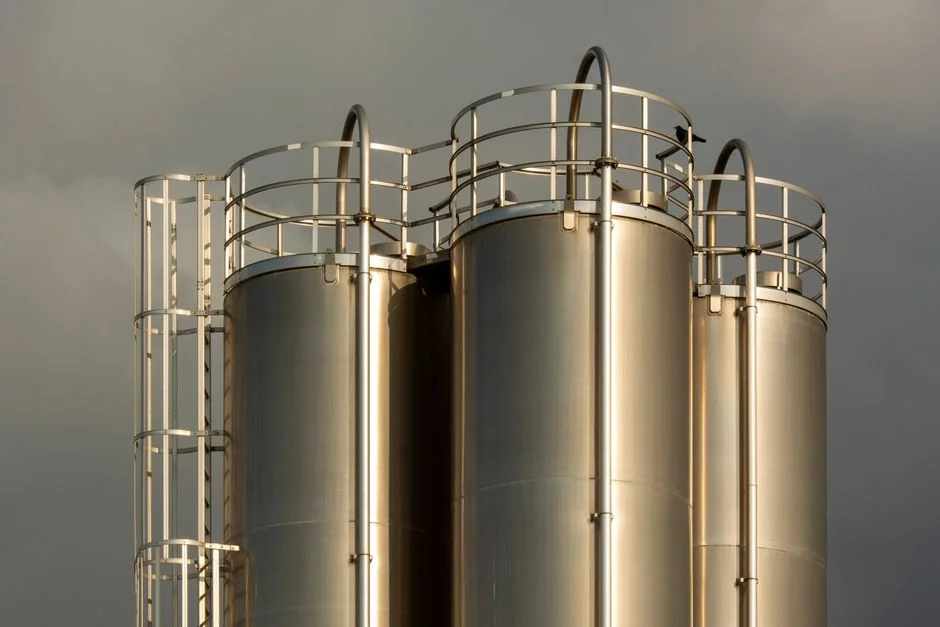
The appropriate treatment route follows from sewer availability, development scale, site constraints and the required effluent quality. Centralized treatment is the direct route where a public sewer and treatment network are available and the property can meet connection requirements. Cluster treatment is the intermediate model recognized by WEPA and referenced in UNESCAP’s Phuket wastewater planning.
For sites outside the practical sewer envelope, an on-site biological plant can combine treatment with controlled collection and effluent management. A septic tank is a collection and storage method, not equivalent to a higher-performance biological treatment system. WEPA notes that conventional on-site facilities can allow untreated effluent to affect surface water, groundwater, public health and the local economy.
The underground WSZ package sewage treatment plant represents an integrated anoxic/aerobic contact-oxidation, sedimentation and disinfection arrangement in a buried package. Its published capacity range is 1–80 m³/h. The MBR membrane bioreactor for Phuket reuse projects represents an activated-sludge process with submerged PVDF membrane filtration specified below 1 micrometre. Catalog ranges show possible scale fit; they do not prove that the equipment meets the project’s hydraulic, load or discharge requirements.
| Route | Best fit when | Principal checks before selection |
|---|---|---|
| Centralized system | A public sewer connection is physically and legally available | Connection route, authority conditions, tariffs, capacity availability and construction obligations |
| Cluster system | A shared service is viable for a group of properties | Governance, ownership, collection network, O&M responsibility and fee structure |
| Package A/O plant | Compact underground biological treatment is suitable | Influent loads, peak flow, footprint, burial conditions, odor control, sludge route and service access |
| MBR system | Membrane separation, reuse quality or footprint is a project priority | Influent characterization, membrane fouling control, aeration, pretreatment, monitoring and membrane replacement provisions |
| Septic or basic on-site system | Collection and storage can be managed responsibly | Groundwater risk, desludging frequency, treatment performance and authorized disposal |
Reuse must be designed rather than assumed. UNESCAP’s Patong example reports wastewater-treatment capacity of 25,000 m³/day and reverse-osmosis water-processing capacity of 23,250 m³/day. That is municipal precedent, not a universal specification for a hotel. Define the intended reuse, required treatment objectives, distribution equipment, monitoring regime and authority acceptance. If treatment includes preliminary screening, evaluate the rotary bar screen for sewage pretreatment against the selected process and documented flow.
Size the Plant from Actual Domestic Wastewater
A defensible plant capacity cannot be selected from a generic per-capita figure alone. WEPA reports 150 L/cap/day as the total household wastewater screening input, with black water at 20 L/cap/day. Use the total as an initial check, then replace assumptions with property-specific flow, occupancy and load data.
The same WEPA breakdown shows why grey water cannot be excluded: kitchen wastewater contributes 81 g/cap/day of BOD, compared with 115 g/cap/day in total. Grey water therefore accounts for 87.8% of the documented household BOD loading. Kitchen, washing, bathing and toilet flows must be considered together unless each stream has a defined, approved treatment route.
- Define the connected population and occupancy schedule.
- Measure or estimate daily wastewater flow and pollutant loads.
- Apply a justified peak-flow basis, seasonal allowance and infiltration provision.
- State the required treatment standard, effluent route and reuse demand.
- Check the selected equipment’s hydraulic and biological design against that basis.
| Design-basis input | Buyer or supplier deliverable |
|---|---|
| Flow | Average and peak flow, including seasonal occupancy and any separately measured streams |
| Organic load | BOD and COD concentrations and daily loading, with kitchen contribution identified |
| Physical load | Suspended solids, grease and solids generation with the proposed pretreatment response |
| Treatment objective | Authority-accepted discharge or reuse criteria and monitoring requirements |
| Site constraints | Footprint, excavation, access, power, drainage, groundwater and flood conditions |
The WSZ catalog covers 1–80 m³/h, while the MBR system covers 10–2,000 m³/day. These ranges map equipment to possible project scales but do not establish process adequacy. Require each supplier to submit the process design basis, hydraulic-loading approach, biological sizing, clarification, disinfection, power demand, controls, redundancy and duty-or-standby philosophy. A domestic sewage technology comparison can help structure this technical review, but the final basis must remain site-specific.
Plan Installation, Operation and Effluent Management
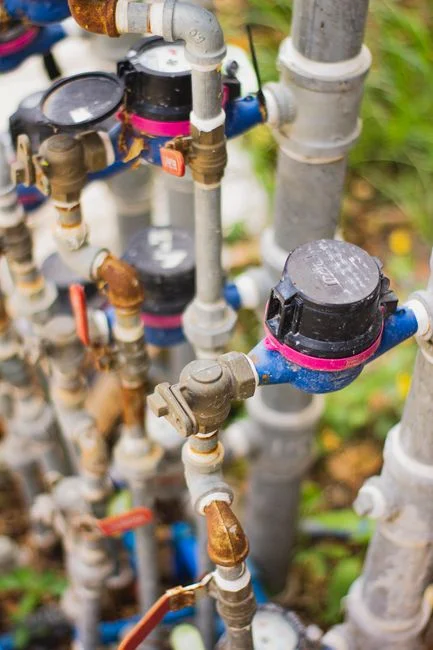
The operating plan determines whether a treatment system remains compliant after handover. A complete process runs from collection and screening through equalization where needed, biological treatment, solids separation, disinfection, reuse or permitted discharge, and controlled sludge handling. Equalization is not automatic; it should be justified by the hydraulic survey, peak-flow pattern and treatment configuration.
WEPA documents the consequences of unmanaged or poorly managed on-site effluent: it can affect surface water, groundwater, public health and the local economy. That risk extends beyond the liquid discharge line. The septage and sludge routes remain part of the environmental control system and must be assigned contractually.
In WEPA’s survey of 301 households, 34% accumulated septage for one year and 27% accumulated it for one to five years. These findings came from the household survey conducted for WEPA’s 2014 policy brief; they show why scheduled service should be defined rather than left until a tank or chamber presents a visible problem. The contract should state inspection frequency, pumping criteria, transport, an authorized receiving facility and recordkeeping.
- Inspect screens, biological process conditions, aeration, pumps, controls, alarms, power and odor-control equipment.
- Define biological adjustment, sludge removal, disinfection checks, laboratory or field monitoring, critical spares and response times.
- Assign responsibility for sludge collection, transport and final disposal. Where volume warrants further dewatering, evaluate sludge dewatering equipment for the treatment plant against the actual sludge characteristics and handling route.
- Require as-built drawings, process and instrumentation diagrams, operating procedures, training records, warranty boundaries and named local service support at handover.
Access is an operating requirement, not merely an installation detail. Confirm that tanks can be inspected, dewatered, lifted and serviced without dismantling landscaping or disrupting occupied buildings.
Compare Supplier Proposals on Technical and Commercial Evidence
Proposals should be compared on complete installed scope and documented design evidence, not on catalog capacity or headline price. Require every quotation to state design flow, treatment objective, process stages, dimensions, power demand, installation requirements, commissioning tests, O&M scope and warranty.
Ask route-specific questions. For WSZ, require evidence of the A/O process arrangement, buried installation, access, odor control and operating assumptions behind the supplier’s claim that no operator is required. For MBR, require membrane specifications, aeration strategy, fouling controls, membrane maintenance, replacement provisions and pretreatment requirements. The MBR product is described as having a smaller footprint; require that claim to be checked against the complete installed scope.
| Proposal field | Evidence to request | Commercial reason to require it |
|---|---|---|
| Design basis | Flow, loads, peaks, treatment objective and design calculations | Prevents comparison of unequally scoped equipment |
| Installed scope | Civil works, tanks, pumps, piping, controls, odor control, access roads and power supply | Clarifies which costs are excluded from the headline price |
| Commissioning | Tests, sampling plan, acceptance criteria and performance demonstration | Links payment to verified operation |
| O&M | Tasks, frequency, labor, monitoring, sludge removal, spares and response time | Exposes the operating commitment behind the quotation |
| Long-term support | Local service organization, parts availability, training and warranty exclusions | Tests maintainability after commissioning |
| Permits and handover | Document list, responsible parties and authority engagement | Assigns approval and delivery risk |
For seasonal peak load, ask how the process and collection network will cope, whether standby power is required, which spares are critical, whether remote monitoring is available, what the supplier’s response time is and how long-term parts support will be maintained in Phuket.
Cost must be calculated from verified project data. The supplied research provides no current Phuket equipment price. Request itemized quotations covering equipment, civil works, installation, commissioning, permits, O&M, energy, sludge removal, monitoring and disposal. Compare lifecycle cost over the same period; do not infer affordability from a tank price that omits tanks, pumping, power, controls, civil works or waste handling.
Build the Phuket Project Approval and Testing Plan
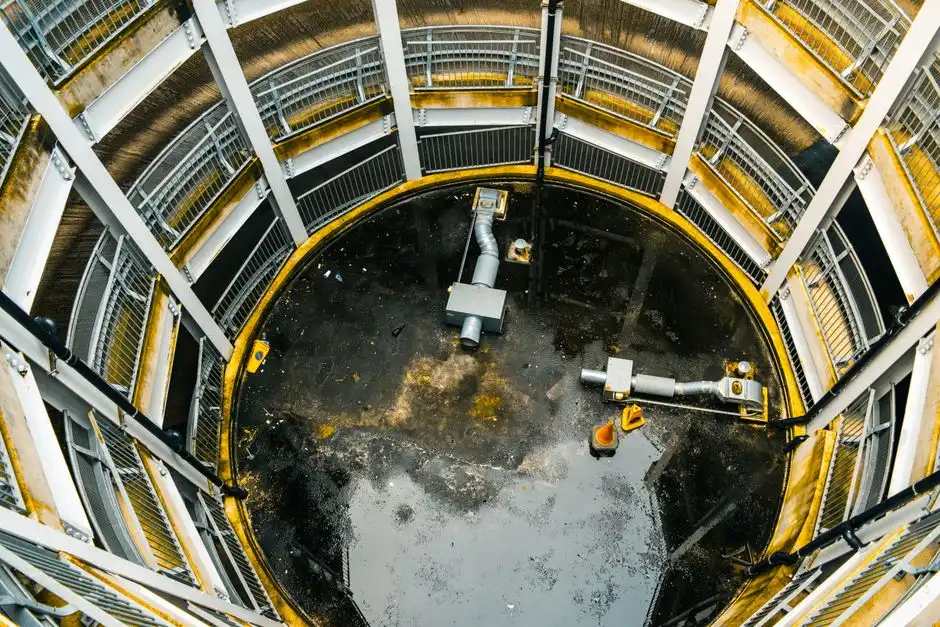
Compliance must be established for the exact site, proposed route and current authority requirements. Begin with the responsible Phuket local authority and the authority controlling the proposed receiving environment. Confirm sewer-connection approval where applicable, discharge conditions, reuse requirements, construction requirements and the documents required for the selected decentralized plant.
UNESCAP’s ten Local Administration Organization wastewater-treatment priorities are a prompt for location-specific review, not approval. Before purchase, obtain written confirmation of the applicable pathway and identify which authority must accept the technical design, construction, commissioning and effluent use.
Prepare a baseline sampling plan covering influent, treated effluent and any reuse stream. Agree test methods, laboratory, sampling locations, frequencies and acceptance criteria before commissioning. Include visual, odor, noise and land-use impacts in acceptance testing, particularly for buried residential installations.
- Confirm the authority and approval route.
- Define the treatment objective and receiving or reuse point.
- Establish the design flow, load basis and site constraints.
- Agree commissioning, sampling and acceptance tests.
- Make drawings, permits, operating records and test results contractual handover deliverables, with a defined corrective-action process.
Frequently Asked Questions
How much does a domestic sewage treatment plant cost in Phuket?
The supplied research provides no current Phuket equipment price, so a defensible installed cost cannot be stated without a quotation. Request separate prices for treatment equipment, collection works, civil works, pumps, controls, power, installation, commissioning, permits, annual O&M, energy, sludge removal and authorized disposal. Use the measured design flow and treatment target in each quote, then compare total installed and lifecycle cost over the same service period.
Should a hotel or resort choose a package A/O plant or an MBR system?
Choose package A/O where a compact underground biological installation is suitable for the measured flow, load, footprint and effluent objective. Consider MBR where membrane separation, reuse quality or footprint is a priority. This is a screening rule, not a selection: require wastewater testing, site constraints and current authority criteria, then compare each supplier’s process design and guarantees.
How do I size domestic sewage treatment for a property in Phuket?
Use WEPA’s 150 L/cap/day household wastewater figure as an initial screening input, then apply the property’s occupancy profile, measured or estimated flow, peak conditions, pollutant loads, treatment target and reuse demand. The supplier must document hydraulic loading, biological capacity, solids handling, disinfection and controls. No defensible plant capacity can be selected from the supplied research alone.
Can treated sewage from Phuket be reused?
Reuse is an identified policy and practice direction in UNESCAP’s Phuket plan, but it is not automatic. Define the intended use, required final treatment, monitoring, distribution equipment and responsible authority. UNESCAP’s Patong example reports 25,000 m³/day of wastewater-treatment capacity and 23,250 m³/day of reverse-osmosis processing capacity; use that as municipal context, not as a property reuse specification.
What should I check before selecting a sewage-treatment supplier?
Request process guarantees, drawings, power demand, O&M tasks, installation scope, commissioning tests, local service support, critical spares, sludge-management documentation and warranty boundaries. Check whether each supplier’s guarantees apply to the actual influent, required peak flow, installation conditions and authority-accepted effluent criteria—not only to the selected test condition.