Industrial Wastewater Treatment in Copenhagen: What Plants Must Deliver
Industrial wastewater treatment in Copenhagen requires on-site pre-treatment before discharge to BIOFOS sewers. Typical municipal acceptance targets cited for Greater Copenhagen include TSS below 10 mg/L and COD below 75 mg/L, with BOD often held under 20 mg/L. Compact DAF, MBR, dosing, and dewatering trains are sized to those limits under Danish and EU rules.
BIOFOS treats wastewater from 1.2 million inhabitants across Lynetten, Avedøre, and Damhusåen. According to State of Green (2024), BIOFOS reported climate-positive operation in the first half of 2024, displacing 5,806 t CO₂e against 5,320 t CO₂e emitted. Municipal plants are not built for high-strength food, pharma, or metalworking loads, so industrial sites must treat FOG, metals, and peak COD themselves.
Urban plots leave little room for conventional activated-sludge trains. Most plants we size for Copenhagen food and light-industry sites therefore run at the lower end of the capacity band and favour footprint-efficient units. Digester and capacity pressure at Lynetten further raises the bar for reliable industrial pre-treatment.
Equipment Specs That Meet Copenhagen Discharge Targets
MBR systems use submerged membranes near 0.1 μm pore size. They typically deliver 95–99% COD removal and about 99.99% pathogen removal when designed for the stated flux and temperature. Compared with conventional activated sludge, an MBR train can cut footprint by roughly 60% on the same design flow. HydropureWater MBR packages cover about 10–2,000 m³/day for industrial duty.
DAF units apply micro-bubbles to lift FOG and solids. At hydraulic loadings of about 4–300 m³/h, field performance commonly reaches 92–97% TSS and up to 99% FOG removal when chemistry is tuned. HydropureWater lists 13 standard DAF models across that loading window. PLC dosing keeps coagulant, flocculant, and pH control within about ±1% of setpoint for stable flotation and polishing.
Plate-and-frame presses typically reach 20–30% cake dryness in batch duty; centrifuges often land at 15–25% in continuous duty. For final disinfection before reuse or sensitive discharge, ClO₂, UV, and ozone packages are sized to about 99.9% microbial kill under validated CT or UV dose. If effluent aims at reuse quality, align disinfection with EU Drinking Water Directive 98/83/EC requirements as interpreted by the permit.
| Equipment Type | Key Performance Metric | Typical Removal Efficiency | HydropureWater Capacity Range | Footprint Advantage |
|---|---|---|---|---|
| MBR Systems | Effluent Quality (TSS, COD) | 95-99% COD, 99.99% Pathogens | 10–2,000 m³/day | ~60% smaller than conventional |
| DAF Systems | FOG & TSS Removal | 92-97% TSS, 99% FOG | 4–300 m³/h (Hydraulic Loading) | Compact design |
| Chemical Dosing Systems | Dosing Accuracy | ±1% | N/A (Modular) | Integrated |
| Sludge Dewatering (Plate & Frame Press) | Cake Dryness | 20-30% | N/A (Batch process) | Variable |
| Sludge Dewatering (Centrifuge) | Cake Dryness | 15-25% | N/A (Continuous process) | Compact |
| Disinfection (e.g., ClO₂, UV, Ozone) | Microbial Kill Rate | 99.9% | N/A (Variable) | Variable |
Who Supplies Industrial Treatment Equipment in Copenhagen?
Industrial equipment suppliers serving Copenhagen plants are evaluated on permit fit, footprint, and documented removal under local sewer contracts—not on brochure claims. Shortlist vendors that publish capacity ranges, energy use per cubic metre, and references for food, pharma, or metals wastewater at Nordic discharge limits.
For constrained yards, package biological plants reduce civil works. An Underground Package Sewage Treatment Plant (WSZ Series) can sit below grade when surface area is scarce. Pair that biology with DAF or MBR polishing when FOG or pathogen limits drive the permit.
Compliance and Permitting for Copenhagen Industrial Dischargers
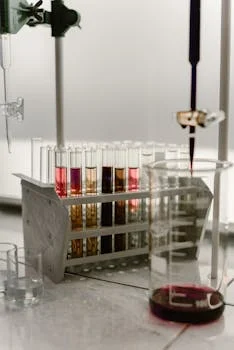
Denmark still applies tight industrial effluent limits under local ordinances. Typical targets include TSS <10 mg/L, COD <75 mg/L, BOD <20 mg/L, nitrogen <10 mg/L, phosphorus <1 mg/L, and cadmium often near <0.1 mg/L. Earlier guidance rested on EU Urban Waste Water Directive 91/271/EEC. Directive (EU) 2024/3019 of 27 November 2024 recasts that framework and keeps prior authorisation for non-domestic discharges to collecting systems (EUR-Lex, 2024).
Permit packages usually need wastewater characterisation, P&IDs, and a monitoring plan. Review cycles commonly run 6–12 months, with fees cited from about €5,000 to €50,000 by facility size. Ongoing sampling for pH, TSS, COD, and flow is typically monthly or quarterly. Non-compliance can trigger fines up to about €100,000 plus shutdown risk, so plants budget for continuous compliance evidence.
| Parameter | Typical Copenhagen Limit | Relevant Directive/Ordinance |
|---|---|---|
| TSS | <10 mg/L | EU Urban Waste Water Directive 91/271/EEC, Local Ordinances |
| COD | <75 mg/L | EU Urban Waste Water Directive 91/271/EEC, Local Ordinances |
| BOD | <20 mg/L | EU Urban Waste Water Directive 91/271/EEC, Local Ordinances |
| Nitrogen | <10 mg/L | EU Urban Waste Water Directive 91/271/EEC, Local Ordinances |
| Phosphorus | <1 mg/L | EU Urban Waste Water Directive 91/271/EEC, Local Ordinances |
| Cadmium (example heavy metal) | <0.1 mg/L | EU Urban Waste Water Directive 91/271/EEC, Local Ordinances |
Cost Benchmarks for Copenhagen Industrial Pre-Treatment
MBR capital cost for industrial duty in the Copenhagen market is commonly quoted from about €500,000 to €5 million by capacity and membrane duty. DAF packages typically sit between €200,000 and €1.5 million. Automated dosing skids often fall between €50,000 and €300,000, while filter presses or centrifuges run about €100,000–€800,000 installed.
Energy for MBR duty often lands near 0.8–1.2 kWh/m³ treated; DAF usually consumes about 0.3–0.5 kWh/m³ under design loading. Payback windows of 3–7 years appear when avoided fines, water reuse, and sludge volume cuts are counted. A food plant adding DAF has been modelled at roughly €150,000–€200,000 annual savings from better FOG control and recycle potential. Add 10–20% contingency for permitting, studies, and commissioning.
| Equipment Type | Estimated Capital Cost Range (€) | Estimated Operating Cost (Energy, per m³) | Typical ROI Payback (Years) |
|---|---|---|---|
| MBR Systems | 500,000 – 5,000,000 | 0.8 – 1.2 kWh/m³ | 4 – 7 |
| DAF Systems | 200,000 – 1,500,000 | 0.3 – 0.5 kWh/m³ | 3 – 6 |
| Chemical Dosing Systems | 50,000 – 300,000 | Minimal (primarily chemical cost) | N/A (Enabling technology) |
| Sludge Dewatering | 100,000 – 800,000 | Variable (depends on technology) | N/A (Cost reduction) |
What do disinfection systems typically cost?
Disinfection capital for industrial effluent is usually smaller than primary solids or biological trains and is often bundled with dosing skids in the €50,000–€300,000 band cited above for chemical systems. ClO₂ generators, UV reactors, and ozone units are selected for a validated ~99.9% kill under stated CT or UV dose, not by nameplate alone.
Piping, tank, and structure disinfection is mainly an operating cost: chemical volume, contact time, labour, and downtime during CIP or shutdown sanitising. Budget OPEX separately from plant CAPEX, and confirm residual and by-product limits in the sewer or reuse permit before locking chemistry.
Choosing the Right System: Decision Checklist
Start with wastewater characterisation: flow, TSS, COD, FOG, pH, and metals. Match those loads to equipment that can hit the sewer contract. Pathogen or reuse targets often point to MBR systems sized for Copenhagen industrial effluent; high FOG loads favour DAF systems for high-efficiency FOG and TSS removal.
Check footprint next. MBR’s ~60% footprint cut versus conventional sludge plants matters on Refshaleøen-scale urban plots. Then run total cost of ownership using the CAPEX and kWh/m³ bands above. For climate alignment with BIOFOS goals, favour energy recovery, reuse-ready effluent, and tight chemical control via PLC-controlled chemical dosing for precise wastewater treatment.
Selection checklist most EPC teams walk in Copenhagen starts with a 24-hour composite characterisation and written BIOFOS or municipal acceptance limits. Next come peak FOG and metal spikes, available plot and headroom, and the sludge cake handling route. Close with energy and chemical OPEX at design flow, plus a monitoring plan that matches permit frequency.
| Decision Factor | Key Considerations | Recommended Technologies (Examples) |
|---|---|---|
| Wastewater Characterization | Flow rate, TSS, COD, BOD, FOG, pH, heavy metals, specific pollutants | MBR (high organic load), DAF (FOG, TSS), Chemical Dosing (pH, metals) |
| Compliance Requirements | Effluent discharge limits (TSS, COD, N, P, pathogens, metals) | MBR (pathogen, high TSS/COD), DAF (FOG, TSS), Advanced Oxidation (recalcitrant COD) |
| Space Constraints | Available footprint for treatment units and sludge handling | MBR (compact), DAF (relatively compact) |
| Budget and ROI | Capital expenditure, operating costs, payback period, total cost of ownership | Balance upfront cost with long-term O&M and potential savings |
| Sustainability Goals | Energy recovery, water reuse, carbon footprint reduction | MBR (for reuse), Anaerobic Digestion (energy), Solar-powered PLC-controlled chemical dosing for precise wastewater treatment |
Who this is for: plant engineers, EPC contractors, and procurement leads sizing pre-treatment for Copenhagen food, pharma, or metals sites under Danish sewer limits. Who should look elsewhere: households or sites with only sanitary sewage and no industrial load. Next step: send flow and lab data for a duty-sized train via our request a quote form before locking civil layouts.
Frequently Asked Questions
How is Denmark’s wastewater treated?
Denmark combines large municipal WWTPs such as BIOFOS with mandatory industrial pre-treatment using DAF, MBR, dosing, and dewatering. Resource recovery covers biogas, heat, and nutrient recycling from sludge. Industries must meet sewer acceptance limits before discharge so municipal plants can stay energy-efficient and climate-aligned.
Is Copenhagen the cleanest city in Europe?
No official EU ranking names Copenhagen the cleanest city in Europe. Its wastewater system is still among the most demanding: BIOFOS serves 1.2 million people and reported climate-positive energy balance in H1 2024. Industrial dischargers remain responsible for high-strength loads that municipal plants cannot absorb.
What is the Denmark wastewater treatment model?
The Danish model pairs strict industrial pre-treatment with municipal resource-recovery plants aiming for energy neutrality and climate-positive balances. On-site DAF or MBR protects sewer contracts while sludge digestion supplies biogas. Guides such as MBR wastewater treatment systems in Denmark show how package biology fits that national pattern.
What are the industrial wastewater options in Copenhagen?
Core options are MBR for high-quality or reuse effluent, DAF for FOG and TSS (see DAF vs Sedimentation Cost Difference), chemical dosing for pH and coagulation, plus presses or centrifuges for cake dryness. Choice follows characterisation, permit limits, plot size, and budget, similar to other industrial hubs compared in how Copenhagen's approach compares to other global leaders.
What do piping and tank disinfection programs cost?
Plant disinfection hardware is often grouped with chemical dosing packages in the €50,000–€300,000 CAPEX range used for dosing skids. Recurring CIP of piping, tanks, and structures is OPEX driven by chemical dose, contact time, labour, and downtime. Confirm residuals and by-products against the sewer or reuse permit before selecting ClO₂, UV, or ozone.