Why Manaus Needs a Site-Specific Sewage Strategy
Domestic sewage treatment in Manaus cannot be selected from citywide infrastructure statistics alone. InfoAmazonia reported in December 2020 that Manaus had more than 500 km of sewer pipes associated with 60 treatment plants and 51 pumping stations, yet only 19.20% of the population was connected to a sewage system. Manaus City Hall’s press office gave a narrower operational assessment: the network was available to 20% of the population, but only 12% was connected. InfoAmazonia also reported that only one-third of the city’s sewage and wastewater received any treatment before reaching waterways. These figures establish the infrastructure context; they do not establish service availability for a particular plot.
This guide therefore applies to an individual property or multi-building development that cannot rely on a timely sewer connection. It does not replace a municipal connection where one is contractually available and technically suitable. For each project, the buyer should obtain written confirmation of the connection status, investigate whether an extension is feasible, and identify the legally authorized discharge route before comparing decentralized treatment options.
The planning consequence is straightforward: a project that depends on future municipal infrastructure needs a documented schedule, cost and connection condition. A project that cannot obtain that confidence needs an on-site treatment and disposal basis, with its treatment objective and permitted outlet defined before equipment selection.
| Infrastructure evidence | Reported scope | Project implication |
|---|---|---|
| Installed sewer assets | More than 500 km of pipes, 60 sewage treatment plants and 51 pumping stations, according to InfoAmazonia, December 2020 | Network assets do not establish a connection at the project parcel |
| Population connected | 19.20% according to InfoAmazonia, December 2020 | Verify the connection status for the specific address |
| Network availability and connection | Available to 20% but connected by 12%, according to Manaus City Hall’s press office in the December 2020 InfoAmazonia report | Do not equate service availability with an executable connection |
| Wastewater receiving treatment | Only one-third, according to InfoAmazonia, December 2020 | A treatment objective must be stated separately from collection |
For a broader comparison of buried A/O and MBR configurations, see how to compare buried A/O and MBR sewage treatment plants. Another planning reference reviews domestic sewage treatment options in Belo Horizonte; its technical concepts may help structure a quotation, but its local infrastructure conditions do not apply to Manaus.
Define the Wastewater and Discharge Objective
A defensible sewage treatment quotation starts with measured wastewater quantities and a defined receiving condition, not with a selected package. The buyer should provide average daily flow, peak flow, residential occupancy or population, and the proportion of wastewater arising from kitchens, laundry, laboratories, hotels or other non-residential activities. This information lets suppliers distinguish a domestic duty from a mixed-strength commercial or institutional duty and identify where equalization or pretreatment is required.
Wastewater characterization should address BOD/COD, suspended solids, fats and oils, pH and any contaminants associated with the development’s non-residential activities. The supplied research does not establish fixed acceptance limits for a Manaus project. Those limits must come from the proposed treatment objective, discharge authorization and the authority’s applicable requirements. If a kitchen discharges concentrated grease or an establishment introduces industrial chemicals, the wastewater cannot responsibly be classified as ordinary domestic sewage without project-specific assessment.
The buyer should separate three objectives before requesting equipment:
- Sanitary treatment: wastewater is treated to an authorized discharge standard.
- Defined reuse: treated effluent is allocated to a specific use, such as irrigation, with relevant application and quality criteria.
- Permitted discharge: treated effluent enters an identified receiving point subject to the applicable authorization.
Reuse evidence must be kept within its tested scope. A Bioscience Journal study published in 2020 evaluated ornamental sunflower irrigated with treated domestic sewage at 25%, 50%, 75% and 100% dilutions. Plants receiving 100% treated sewage performed similarly to the public-supply-water control. That result supports an irrigation application in the tested greenhouse setting; it does not establish suitability for drinking water, unrestricted public access or direct discharge in Manaus.
| Design input | Information to obtain | Decision controlled |
|---|---|---|
| Hydraulic load | Average flow, peak flow and development occupancy | Equipment screening and equalization |
| Wastewater quality | BOD/COD, suspended solids, fats and oils, pH and relevant contaminants | Process selection and pretreatment |
| Treatment objective | Sanitary discharge, defined reuse or another permitted use | Effluent criteria and process design |
| Receiving route | Authorized discharge point, reuse destination and applicable conditions | Compliance risk |
For projects where footprint or reuse criteria dominate, an MBR membrane bioreactor for municipal sewage and reuse may merit technical review. A regional infrastructure reference also provides context on Peruvian Amazon wastewater infrastructure plans.
Compare Packaged A/O, MBR and Decentralized Alternatives
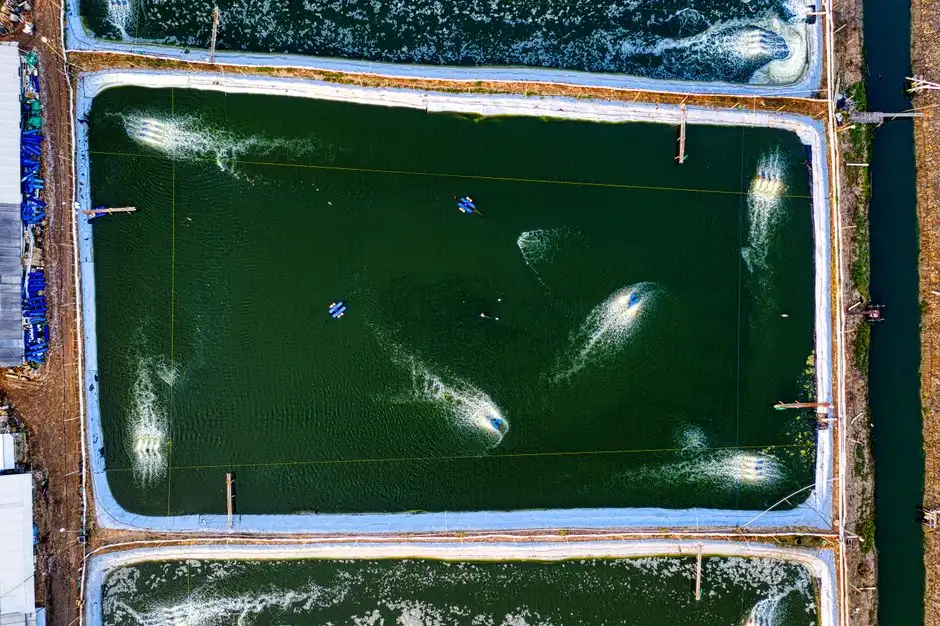
A packaged A/O treatment plant combines biological treatment, solids separation and disinfection in a compact installation. The verified WSZ configuration integrates anoxic/aerobic biological contact oxidation, sedimentation and disinfection in one buried package. The WSZ underground A/O package sewage treatment plant is fully automated, requires no operator, can be buried below grade and can be mounted on a trailer for mobile deployment. Its documented capacity range is 1–80 m³/h.
MBR combines activated sludge with submerged membrane filtration. The supplied catalog specification for the MBR membrane bioreactor for municipal sewage and reuse identifies filtration below 1 μm, a footprint 60% smaller than conventional systems and a capacity range of 10–2,000 m³/day. These are catalog specifications, not site-specific performance guarantees. MBR should be considered where tighter solids separation or a compact installation is central to the project, while a packaged A/O route may be more straightforward for a simpler distributed application. The final choice still depends on influent characteristics, required effluent quality, available space and the operating model the site can sustain.
| Evaluation point | Packaged A/O | MBR | Other decentralized route |
|---|---|---|---|
| Verified scope | A/O contact oxidation, sedimentation and disinfection in one buried package | Activated sludge with submerged membrane filtration | Septic tank and drainage wells; vermifiltration is another documented route |
| Documented capacity | 1–80 m³/h | 10–2,000 m³/day | Site-specific; no common capacity is established by the supplied research |
| Key attraction | Compact package and buried installation | Fine filtration and compact footprint | Potential suitability where very limited space or decentralized operation is required |
| Principal decision | Can the documented process meet the project duty and operating model? | Do the reuse or discharge objectives justify the additional process scope? | Does the site and receiving environment support the proposed route? |
Academic evidence supports retaining decentralized alternatives in the comparison. A 2018 study by Kyriienko, Betin and Kuznetsova described small plants using septic tanks and drainage wells, with gravity collection without electricity, for individual homes, small schools, cafés, restaurants, railway stations and camping sites without centralized sewerage. The authors reported no pollution of soils or underground-water horizons from their proposed constructions, but that finding is site-specific and cannot be transferred automatically to Manaus.
IntechOpen’s study on vermifiltration describes the approach as efficient, viable, less expertise-intensive and decentralizable for domestic septic-tank sewage. It is a legitimate screening option, but it is not a featured HydropureWater product. A broader packaged-plant comparison can help structure the technical question, but local soil, groundwater, rainfall and permit conditions must govern the final selection.
Match Capacity to the Actual Development
Equipment capacity should be based on measured or credibly forecast wastewater flow, not occupancy alone. The first step is to establish the design basis for average treatment demand and then identify the operating basis for peak hydraulic demand. The supplier should explain how equalization, biological contact time and sedimentation accommodate those differences and whether the stated treatment capacity is based on average flow or a peak condition.
The WSZ range of 1–80 m³/h provides a preliminary screening class for distributed sites. The supplied catalog identifies residential communities, hotels, hospitals, factories and rural areas as applications, but that list does not prove suitability for a particular development. The MBR range of 10–2,000 m³/day provides a separate screening class for larger municipal, industrial or water-reuse applications. Neither catalog range replaces a hydraulic and process balance.
- Establish generation: document the wastewater-generating population, uses and measured or forecast flow.
- Separate average from peak: identify diurnal variation, storage requirements and the consequences of a high-flow event.
- Balance the process: confirm biological capacity, solids separation, disinfection, equalization and bypass behavior.
- Plan residuals and output: define sludge handling and the authorized discharge or reuse route.
- Review resilience: establish the standby strategy and response to power loss or high-strength inflow.
A quotation should therefore include a design-flow statement, hydraulic calculations, process calculations, preliminary equipment selection and a clear list of exclusions. If those documents are absent, the capacity range is only a catalogue boundary. Buyers can request the WSZ underground A/O package sewage treatment plant and MBR membrane bioreactor for municipal sewage and reuse as technical reference points while requiring the supplier to demonstrate the selected configuration for the actual development.
Evaluate Site, Installation and Operating Constraints
The treatment unit must fit the site’s physical and operating constraints. Request a scaled site plan showing the buried treatment envelope, maintenance access, inlet and outlet routes, electrical supply, odor-control provisions, drainage and every above-ground component. The plan should also show how workers and equipment reach the unit during installation, routine inspection and sludge removal. A layout drawing is not sufficient if it omits these operating clearances.
Soil and groundwater investigations are needed for any buried installation, excavation or subsurface discharge arrangement. The 2018 small-plant study by Kyriienko, Betin and Kuznetsova reported that its proposed constructions did not pollute soils or underground-water horizons, but that result was tied to those proposed constructions and cannot substitute for Manaus site-specific assessment. The buyer should obtain geotechnical information, groundwater levels and flood exposure for the actual parcel.
Rainfall, flooding, excavation stability, anchoring, lifting and site access should be included in the installation method. These matters affect both the equipment arrangement and the programme. A supplier should identify where normal civil works end and where owner-provided excavation, backfill, drainage or road reinstatement begins.
Mobility also needs a clear purpose. The WSZ catalog describes both a fixed below-grade installation and a trailer-mounted mobile configuration. The buyer should not specify a trailer merely because it is available; confirm whether mobility is essential, how the unit will be commissioned at the intended location and who will operate and maintain it during temporary deployment.
Finally, obtain a local operating plan. It should identify electrical requirements, routine inspections, available spare parts, biological startup support, remote troubleshooting responsibility, alarm response and local technical access. This planning issue is also relevant when comparing treatment duties for a specialized facility: the operating environment matters as much as the nominal process description.
Build a Supplier Comparison and Quotation Checklist
Comparable quotations require every supplier to price the same duty. Provide the design flow, wastewater characterization, treatment objectives, proposed site plan, receiving route and required operating model. Ask each supplier to identify its process stages, inlet and outlet works, installation boundary, commissioning activities and operator training. Without a common scope, the lowest equipment number may simply exclude the civil works, controls or services that another quotation includes.
Performance claims need a traceable test basis. Request the proposed process, equipment datasheets, drawings, test references, influent conditions and reporting method. A generic statement that a system produces “reuse-quality” or “compliant” effluent is not an acceptance criterion. The contract should connect any guaranteed output to a defined influent, sampling method, test duration and discharge or reuse objective.
The supplied research contains no current Manaus equipment prices, installation quotations or lead times. Buyers should therefore request an itemized commercial breakdown rather than rely on an unsupported market range. A standard WSZ underground sewage treatment plant comparison should cover the same scope for every proposal.
| Quotation item | Required detail |
|---|---|
| Equipment and process | Unit, internal process stages, duty, design flow and treatment objective |
| Works boundary | Inlet and outlet works, civil works, power, controls, drainage and site reinstatement |
| Commissioning | Startup, biological establishment, sampling, testing, training and acceptance criteria |
| Operations | Inspection frequency, chemicals, biological startup support, remote support, spares and sludge disposal |
| Commercial terms | Total installed cost, annual operating assumptions, warranty boundaries and local support |
| Evidence | Comparable project references and the test basis supporting performance claims |
Ask for references with comparable wastewater duty, installation conditions and effluent use. Also request the supplier’s local technical-support arrangement, response responsibility and warranty exclusions. An additional reference on meeting sewer limits with local treatment illustrates why regulatory and receiving-site conditions belong in the comparison.
Plan Commissioning, Monitoring and Discharge Compliance
Commissioning criteria should be written into the purchase contract. Define startup conditions, biological establishment, sampling points, analytical parameters, test duration and acceptance criteria. Specify who collects samples, which laboratory performs the analysis, how deviations are handled and when the system may be accepted for normal operation. A visual check of completed installation is not equivalent to hydraulic or effluent-performance testing.
The monitoring scope should include process instruments, alarms and the operating record. Identify who reviews results, performs corrective action, maintains the log and handles remote troubleshooting. The permit conditions and receiving-water requirements should be confirmed before ordering: general statements about the Negro River or another local waterway do not establish authorization for a specific outlet or reuse destination.
Contingencies need explicit treatment. Address bypasses, power interruptions, high-strength inflows, failed effluent results, sludge accumulation and equipment availability. Identify what remains in service during a fault, who must attend the site and under which conditions discharge must stop. For reuse, maintain the distinction between the tested ornamental sunflower irrigation application and universal reuse safety. The 2020 Bioscience Journal study provides evidence for its tested irrigation context, not for drinking water, public access or unrestricted discharge.
Screw presses and belt presses may be relevant to sludge-handling interfaces where they form part of the wider project scope, as discussed in the screw-press capacity and sizing guide and belt-filter-press energy-efficiency guide. Their inclusion should follow the selected process’s actual sludge-production and handling requirements.
Frequently Asked Questions
What size domestic sewage treatment system does a Manaus development need?
The WSZ catalog range is 1–80 m³/h, while the MBR catalog range is 10–2,000 m³/day. These are screening boundaries, not sizing calculations. Actual selection requires measured or credibly forecast average and peak flows, wastewater characteristics, equalization needs and the required effluent objective.
How should I select a supplier for decentralized sewage treatment in Manaus?
Require a duty-specific process proposal, scaled site design, hydraulic and process basis, itemized quotation, commissioning protocol and references for comparable wastewater and installation conditions. Also identify who provides local troubleshooting, biological startup support, spares and warranty service.
How much does domestic sewage treatment cost in Manaus?
No reliable current Manaus equipment prices, installation quotations or lead times were supplied, so publishing a price range would be misleading. Request total installed cost and annual operating-cost assumptions under a common scope covering equipment, civil works, inlet and outlet works, power, commissioning, training, maintenance, chemicals, spares and sludge disposal.
Can the authority confirm that the proposed discharge or reuse route is compliant?
Yes—the relevant authority must confirm the route for the specific project. Supply the proposed outlet or reuse destination, treatment objectives, receiving conditions and supporting analyses. General research, including the 2020 Bioscience Journal irrigation study, does not substitute for a local permit or reuse authorization.