Why Food Processing Plants Need Fabric Filter Dust Collectors
Fabric filter dust collectors (baghouses) deliver over 99% particle removal in food processing and support FDA, USDA, and EU hygiene rules. Pulse jet units with food-grade PTFE-coated polyester typically run at 4:1 to 6:1 air-to-cloth and 4–6 inches w.g. Annual operating cost for a 10,000 CFM system is usually $15,000 to $50,000, with payback inside 18–24 months.
Dust in food processing carries layered risk. Combustible dusts — flour, sugar, spices — trigger OSHA grain-handling rules under 29 CFR 1910.272, and airborne particulate drives product contamination that has caused large recalls. A 2023 flour recall of more than 500,000 lbs showed what dust-related contamination costs in dollars and brand damage. Chronic fine-dust exposure drives respiratory claims among workers, so robust filtration is a workforce issue as much as a regulatory one. Earlier FDA CGMP lived in 21 CFR Part 110; current FDA CGMP requirements sit in 21 CFR Part 117 (FDA, 2015 FSMA modernization). USDA sanitation standards, EU Regulation (EC) No 852/2004, and local air permits that mirror EPA NESHAP limits all push operators toward controlled environments with verified particulate control.
Fabric filter dust collectors address these hazards directly. High particle removal (over 99%) keeps air and product clean. For combustible dust service, NFPA 68/69 compliant features — deflagration venting or suppression, isolation valves — are required. Sanitary construction with stainless steel and smooth surfaces prevents dust buildup and supports wash-down, which is why many buyers fold the dust collector into their broader HACCP safety systems for food processing plants from day one.
How Fabric Filter Dust Collectors Work in Food Processing
Fabric filter dust collectors capture airborne dust on fabric filter bags housed in a sealed enclosure. Dirty air from milling, baking, or packaging enters the housing; dust collects on the bag surface as air passes through, and cleaned air exhausts to the workspace or stack. Pulse jet cleaning is the dominant technology in food plants. Short bursts of compressed air at 80–100 PSI fire down into the bags, briefly inverting them to dislodge the dust cake into a hopper below. Each pulse lasts 0.1–0.2 seconds, runs on a timed cycle, and keeps system pressure drop in the 4–6 inches w.g. design band — the usual field signal that the bags are not blinding off.
Filter media choice drives food-grade performance. Standard polyester handles general duty at lower cost. PTFE-coated polyester adds chemical resistance, easier dust release, and longer life — usually our default for flour, sugar, and spice service. Where static discharge is a concern, antistatic media reduce ignition risk. Air-to-cloth ratio is the central sizing number: 4:1 to 6:1 balances capture efficiency against bag life in food service. The Pulse Jet Baghouse Dust Collector is built around this range for food-grade operation.
| Filter Media Type | Typical Temperature Range (°C) | Chemical Resistance | Food-Grade Compliance | Key Advantages for Food Processing |
|---|---|---|---|---|
| Polyester | Up to 135°C | Moderate | FDA 21 CFR 177.1520 | Cost-effective, good durability |
| PTFE-Coated Polyester | Up to 150°C | Excellent | FDA 21 CFR 177.1520 | Superior dust release, high efficiency, chemical inertness |
| PTFE Membrane | Up to 260°C | Excellent | FDA 21 CFR 177.1520 | Highest temperature resistance, extreme chemical inertness |
| Antistatic Polyester/PTFE | Up to 135°C/150°C | Moderate/Excellent | FDA 21 CFR 177.1520 | Reduces risk of static discharge and dust explosions |
Key Engineering Parameters for Food Processing Dust Collectors
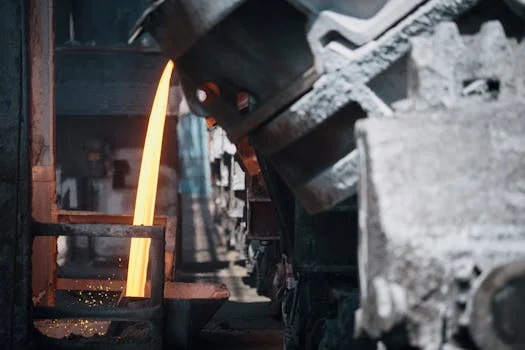
Sizing a food-grade baghouse comes down to a handful of engineering parameters that interact. Filter media pore size typically runs 1 to 10 microns, set by the particle distribution of the dust. Temperature ceiling matters for heated processes — polyester tops out near 135°C, PTFE-coated polyester reaches 150°C, and pure PTFE membranes survive 260°C. All media in food contact must meet FDA 21 CFR 177.2600, with ASTM F778 testing often used to verify compliance. Airflow in food plants spans 1,000 CFM for small lines to over 50,000 CFM for large plants, with the target pressure drop held at 4–6 inches w.g. to balance capture against fan energy. A working airflow estimate: CFM = (Dust Load in lbs/hr × 60) / (Air-to-Cloth Ratio × Filter Area in sq ft × Density of air in lbs/cu ft).
Explosion protection is non-negotiable around combustible organic dust. Compliance with NFPA 68 and NFPA 69 means specifying properly sized deflagration venting or suppression, plus isolation valves to keep a deflagration from propagating through ductwork into other rooms. Sanitary design closes the loop on contamination risk: 316L stainless steel construction, smooth crevice-free internal surfaces, and accessible components that wash down cleanly. Meeting 3-A Sanitary Standards keeps the dust collector aligned with the rest of a hygienic line and simplifies audits.
| Parameter | Typical Range/Specification for Food Processing | Impact/Consideration | Relevant Standards |
|---|---|---|---|
| Air-to-Cloth Ratio | 4:1 to 6:1 | Balances filtration efficiency with filter bag lifespan and maintenance frequency. Lower ratios increase filter life but reduce capacity. | Industry best practices |
| Pressure Drop | 4–6 inches w.g. | Indicates filter loading and fan performance. Higher drop means more fan energy but potentially better capture. | System design, fan curves |
| Filter Media Pore Size | 1–10 microns | Determines particle capture efficiency. Finer pores capture smaller particles but may increase pressure drop. | Particle size analysis, filtration efficiency targets |
| Construction Material | 304 or 316L Stainless Steel | Ensures corrosion resistance, durability, and ease of cleaning for food-grade environments. | 3-A Sanitary Standards, FDA 21 CFR |
| Explosion Protection | NFPA 68/69 compliant venting/suppression, isolation valves | Mitigates risk of combustible dust explosions, protecting personnel and property. | NFPA 68, NFPA 69 |
| Cleaning Mechanism | Pulse Jet | Automated, efficient cleaning for continuous operation and consistent performance. | System design |
For a food-grade unit built around these parameters, see the Pulse Jet Baghouse Dust Collector.
Cost Breakdown and ROI for Food Processing Dust Collectors
Capital cost for pulse jet dust collectors in food processing typically runs $15 to $50 per CFM. A 10,000 CFM system lands at $150,000 to $500,000 turnkey — unit, installation, and any compliance upgrades for explosion protection or sanitary materials. Operating costs stack up from fan and compressed-air energy, filter bag replacement, and routine labor. Bags run $5 to $15 each with a 1–3 year life, and a 10,000 CFM system averages 2–4 maintenance hours per week on inspections, minor repairs, and bag changes.
ROI combines direct savings and avoided risk. Annual savings from lower compliance fines, improved worker productivity, reduced product spoilage, and potential insurance premium reductions often pay back the system inside 18–24 months. A worked example: a $200,000 system generating $80,000 in annual savings reaches payback in 2.5 years. Hidden costs still bite — unplanned downtime, operator training, and a single non-compliance event. A hypothetical $50,000 fine for dust violations is the kind of number that makes the case for proactive dust control on its own. Routine dust collector maintenance planning keeps those hidden costs from showing up as emergencies.
| Cost Category | Typical Range/Estimate | Frequency | Impact on ROI |
|---|---|---|---|
| Capital Costs | $15 - $50 per CFM | One-time (Initial Purchase & Installation) | Determines initial investment and payback period calculation. |
| Fan Energy | Variable (e.g., $5,000 - $20,000 per year for 10,000 CFM) | Annual | Ongoing operational expense. |
| Compressed Air (Pulse Jet) | Variable (e.g., $2,000 - $8,000 per year for 10,000 CFM) | Annual | Ongoing operational expense. |
| Filter Bag Replacement | $5 - $15 per bag (1–3 year lifespan) | Every 1–3 years | Significant recurring operational expense. |
| Maintenance Labor | 2–4 hours/week for 10,000 CFM system | Weekly/Monthly | Ongoing operational expense. |
| Avoided Compliance Fines | Variable (potentially tens of thousands annually) | As incurred | Direct cost saving contributing to ROI. |
| Improved Worker Productivity | Variable (e.g., 5–10% increase) | Continuous | Indirect cost saving contributing to ROI. |
| Reduced Product Spoilage/Loss | Variable | Continuous | Direct cost saving contributing to ROI. |
To complement dust control in dust collection system food production lines, see how automated chemical dosing for dust suppression and compliance supports overall plant safety.
Compliance Checklist for Food Processing Dust Collectors
Run a fabric filter dust collector through four compliance gates before sign-off. First, FDA and USDA: filter media certified under FDA 21 CFR 177.2600, system design that prevents product contamination through proper sealing and material selection, smooth crevice-free surfaces for cleaning, material certifications for all food-contact surfaces, and documented validation testing. Second, air quality permits: meet particulate emission limits (often below 10 mg/Nm³ in food operations) under EPA NESHAP and state or local rules, with emissions monitoring and reporting on a defined schedule. Third, explosion protection: a documented combustible dust hazard analysis, NFPA 68/69 compliant deflagration venting or suppression, isolation valves on ductwork, and operating interlocks. Fourth, sanitary design: 304 or 316L stainless steel construction, smooth welds and finishes (Ra below 32 µin), accessible clean-out points, no harborage areas, and CIP/SIP compatibility when the line uses those protocols.
A structured walkthrough of these four gates catches most of the issues we see in retrofits — undersized venting, missing isolation valves, and rough internal finishes being the usual offenders. Buyers who treat the checklist as a scored audit, not a wish list, ship compliant systems on the first inspection.
- FDA/USDA Compliance:
- Filter media certified to FDA 21 CFR 177.2600.
- System design prevents product contamination.
- Smooth, crevice-free surfaces for easy cleaning.
- Material certifications for all food-contact surfaces.
- Validation testing performed and documented.
- Air Quality Permits:
- Particulate emission limits met (e.g., <10 mg/Nm³).
- Compliance with EPA NESHAP and state/local regulations.
- Regular emissions monitoring and reporting in place.
- Explosion Protection (NFPA 68/69):
- Combustible dust hazard analysis performed.
- Deflagration venting or suppression system correctly sized and installed.
- Explosion isolation valves in place on ductwork.
- System interlocks for safe operation.
- Sanitary Design (3-A Standards):
- Construction materials: 304/316L stainless steel.
- Smooth welds and finishes (e.g., Ra < 32 µin).
- Easy-to-clean access points and internal components.
- No areas for dust or microbial harborage.
- Compatibility with CIP/SIP systems if applicable.
Who This Is For and Next Step
This guide fits plant engineers, EPC contractors, and procurement managers specifying dust collection for flour, sugar, spice, baking, or packaging lines in food plants. If your line handles non-food combustible dust at much higher temperatures or your driver is heavy metals capture, you are outside this scope and should look at high-temperature baghouses or wet scrubbers instead.
Selection checklist before you order: air-to-cloth ratio 4:1 to 6:1, target pressure drop 4–6 inches w.g., filter media certified to FDA 21 CFR 177.2600, 316L stainless steel where wash-down is routine, NFPA 68/69 compliant venting or suppression with isolation valves, and 3-A Sanitary Standards compliance for cleanability. Cost drivers to lock in early: capital cost $15–$50 per CFM, bag life 1–3 years, fan and compressed-air energy, and maintenance labor at 2–4 hours per week for a 10,000 CFM unit. Send your airflow, dust type, and line layout to our engineers and we will size a fabric filter dust collector to your spec.
Request a quote for a food-grade fabric filter dust collector and our team will respond with a sized proposal and ROI estimate.
Frequently Asked Questions
What is the primary benefit of using a fabric filter dust collector in a food processing plant?
Fabric filter dust collectors achieve over 99% particle removal efficiency in food processing service. That capture rate is essential for preventing product contamination, protecting staff from chronic dust exposure, and meeting FDA, USDA, and EPA NESHAP particulate requirements. Plants that size units at 4:1 to 6:1 air-to-cloth and hold 4–6 inches w.g. pressure drop typically keep both hygiene and air-permit targets under control.
How does pulse jet cleaning work, and why is it suitable for food processing?
Pulse jet cleaning fires short, high-pressure bursts of compressed air at 80–100 PSI down into the filter bags to dislodge the dust cake. It suits food processing because it is automated, runs continuously without stopping production, and holds pressure drop in the 4–6 inches w.g. design band. Each pulse lasts about 0.1–0.2 seconds on a timed cycle, which keeps bags from blinding during flour, sugar, or spice service.
What are the key considerations for selecting filter media for food-grade dust collection?
Filter media must be FDA-approved under 21 CFR 177.2600, match the temperature and chemistry of the process, and have the correct pore size for the particle distribution. PTFE-coated polyester is the common choice for flour, sugar, and spice service because of its durability and release properties. Polyester suits general duty; pure PTFE membranes handle higher temperatures up to 260°C when the process needs that ceiling.
What is the typical air-to-cloth ratio for food processing applications, and why is it important?
The recommended air-to-cloth ratio for food processing is 4:1 to 6:1. This range balances airflow against filter surface area so dust is captured efficiently without overloading the bags, which extends bag life and lowers maintenance frequency. Most plants we size for flour or spice lines run toward the lower end of that band when dust loading is high or bag changeouts are costly.
How do fabric filter dust collectors address combustible dust hazards in food processing?
Fabric filter dust collectors handle combustible dust hazards through NFPA 68/69 compliant features: sized deflagration venting or suppression systems and isolation valves that stop a deflagration from propagating through connected ductwork into other parts of the plant. Antistatic media further reduce ignition risk where static discharge is a concern around sugar, flour, or spice dust streams.
Further Reading
Explore these in-depth articles on related wastewater treatment topics: