Make the ETP-versus-DAF Decision from the Wastewater Profile
A Phoenix factory generally needs a DAF system when wastewater contains recoverable oil, grease, FOG, colloidal material, or suspended solids that must be removed before biological treatment or discharge. It needs an industrial ETP when the wastewater contains dissolved biodegradable organics and requires biological treatment. A combined DAF–ETP train is often appropriate when both oily solids and dissolved organic pollution are present. DAF works by releasing microbubbles, attaching them to contaminants, and skimming the resulting float; an ETP may add chemical treatment, biological treatment, sedimentation, and tertiary polishing. The correct choice must be based on representative wastewater tests, average and peak flow, pH, toxicity, discharge route, and reuse objectives.
An ETP is not a single piece of equipment. It is a treatment train that can combine physical and chemical methods, aerobic or anaerobic biological treatment, and tertiary treatment before discharge. The treatment stages described by the Quora source published in July 2021 include primary physical and chemical treatment, secondary biological treatment, and tertiary cleaning before release. The exact train depends on the wastewater and receiving route.
DAF is a physico-chemical process: very small air bubbles attach to particles and increase their rise rate so they can be skimmed from the surface. The Quora source describes microbubbles measuring 10–100 microns. DAF can be installed as industrial wastewater pretreatment before biological treatment, or it can serve as a secondary clarifier within an ETP. Refinery treatment is a useful contextual example, not a universal configuration for a Phoenix factory.
| Dominant wastewater problem | Leading treatment category | Reason |
|---|---|---|
| Free or emulsified oil, FOG, colloids, or suspended solids | DAF | DAF removes floatable oils and solids by attaching bubbles to contaminants and skimming the resulting float. |
| Dissolved biodegradable organic load | Biological ETP | Biological treatment is the relevant mechanism when the principal objective is removal of soluble biodegradable contaminants. |
| Oily solids plus dissolved biodegradable organics | DAF–ETP | DAF can remove emulsified oil and fine solids before they interfere with downstream biological treatment. |
| Uncertain or highly variable wastewater | Source control and preliminary testing | Batch streams, toxicity, or changing production can invalidate a plant-wide treatment assumption. |
The critical distinction is whether the wastewater’s dominant contaminant is separable or primarily biodegradable. If representative testing shows both, specify DAF upstream of the ETP rather than asking one unit to perform incompatible jobs.
Collect the Factory Data Needed Before Selecting a System
A defensible equipment selection begins with source-by-source wastewater data because a plant-wide average can conceal the batch discharge or contaminated process stream that controls equipment performance. Sample each relevant production area, cooling or washwater stream, floor drainage, and cleaning operation across representative operating conditions. The sampling plan and laboratory scope should be part of the engineering request.
| Information to obtain | Decision supported |
|---|---|
| Source-by-source representative samples | Identifies the stream carrying oil, FOG, solids, toxicity, salt, color, or biodegradable organics. |
| Average flow, peak flow, operating schedule, batch discharges, and expected production changes | Sets hydraulic duty, equalization needs, and the peak-flow strategy. |
| Oil and grease, FOG, TSS, COD, BOD, pH, and temperature where relevant | Defines removal mechanisms, chemical demand, biological suitability, and process constraints. |
| Toxic, refractory, emulsified, color-bearing, or high-salt streams | Flags streams that may require segregation, source control, or pretreatment before biological treatment. |
| Discharge destination, sewer pretreatment requirements, and reuse target | Separates industrial pretreatment duties from final discharge or reuse requirements. |
Also map existing equipment: screening, equalization, oil capture, sedimentation, pH control, and any flow restrictions. Alantech’s DAF overview states that screening and sedimentation before DAF remove large particles and settleable solids, preventing clogging and excessive buildup inside the DAF unit.
Do not average incompatible streams into one sample. An oily batch discharge mixed with cooling water can make the combined pH, organics, and flow profile misleading. If one stream is oil-dominated, consider segregating it for source control or dedicated pretreatment before deciding whether an overall plant is needed. For Phoenix industrial wastewater, the relevant “Arizona wastewater treatment plant” is usually the receiving authority or industrial user—not a reason to design around a generic municipal plant profile.
Understand How DAF Protects the Rest of the Treatment Plant
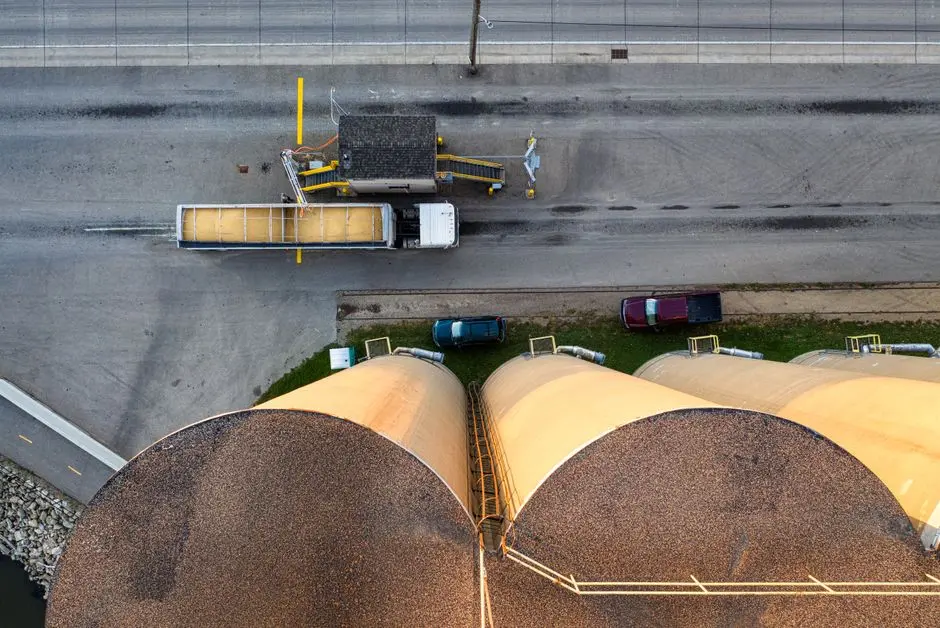
DAF protects downstream equipment by removing recoverable oils, emulsified droplets, colloids, and suspended solids before they reach a biological reactor. The normal process sequence is feed screening, equalization, chemical conditioning where required, flocculation, pressurized saturation, pressure release in the flotation tank, flotation, skimming, and clarified-water collection.
Alantech describes typical DAF aeration pressure as 3–5 bar. That is a process range from its technical overview, not a universal equipment specification. The Quora source, published in July 2021, describes typical microbubbles as 10–100 microns. During pressure release, those bubbles attach to suspended solids and oil droplets; the float is removed mechanically, while clarified water leaves through an overflow or underflow arrangement.
| Process step | Engineering function |
|---|---|
| Screening and equalization | Removes large debris and stabilizes flow and batch discharges before treatment. |
| Chemical conditioning and flocculation | Destabilizes emulsions or creates larger flocs where testing shows it is needed. |
| Pressurized saturation and release | Generates the microbubbles that attach to oil and suspended particles. |
| Flotation and skimming | Separates buoyant contaminants from the clarified-water stream. |
| Clarified-water collection | Directs separated water to further treatment, discharge, or reuse as applicable. |
The clarified-water outlet is not proof that every contaminant has been removed. It indicates that the float has been separated; dissolved substances and residual contaminants remain. Alantech states that further clarification and, if necessary, disinfection may still be required for discharge or reuse.
Where the selected scope includes chemical conditioning, request automatic control of coagulant, flocculant, and pH-chemical injection. A PLC-controlled chemical dosing system should be evaluated as part of process control, not added later after the treatment equipment is selected.
The biological-protection case is strongest for emulsified oil and fine solids. The Quora source explains that emulsified oil entering biological reactors can coat bacteria, impede oxygen transfer, and damage the microbial population. A DAF stage can therefore protect an ETP when both contaminants are present. That sequence does not replace biological treatment for the remaining soluble organic load.
Compare the Four Practical Treatment Configurations
Four configurations cover most preliminary screening decisions for a Phoenix factory, but “no new equipment” is not a default outcome: source segregation or targeted pretreatment may be safer than designing a general plant around an unresolved batch stream.
| Configuration | Use when | Principal scope | Key check |
|---|---|---|---|
| DAF only | Suspended solids, FOG, oil and grease, or colloids are the principal challenge, and biological treatment is unnecessary. | Equalization, conditioning, DAF, sludge handling, and any required final clarification or disinfection. | Confirm the receiving route and reuse objectives do not require additional treatment. |
| ETP only | Representative testing shows dissolved biodegradable contaminants and compatible pH and toxicity conditions. | Primary treatment as required, biological treatment, clarification, and tertiary steps where required. | Verify that oil and solids will not disrupt the biological process. |
| DAF–ETP | Recoverable oils and solids are present alongside a soluble biodegradable organic load. | DAF removes the protective contaminants before the ETP treats the remaining soluble load. | Confirm the flow split and performance of each stage under the combined loading. |
| Testing, segregation, or pretreatment only | The wastewater profile is uncertain or a batch stream is dominated by recoverable oil. | Source control, dedicated collection, testing, or limited pretreatment before the plant decision. | Do not assign a plant-wide duty until representative data are available. |
For DAF-only service, define whether “oil and grease removal” means free oil, emulsified oil, FOG, or all three; each responds differently to physical separation and chemical conditioning. For ETP-only service, examine pH, toxicity, biodegradability, and process compatibility before treating biological treatment as viable. For DAF–ETP service, the sequence should be explicit: remove recoverable oils and solids first, then biologically treat the remaining soluble organic load.
Catalog capacities can help identify whether a supplier has equipment in the correct scale, but they are not a process design. HydropureWater lists DAF capacities from 4–300 m³/h and MBR capacities from 10–2,000 m³/day. Those are catalog ranges only; model selection requires flow, loading, treatment targets, site constraints, and sludge handling.
Include sludge in every comparison. A DAF unit produces float, while biological treatment produces excess solids. Those residues require storage, transport or disposal, and potentially dewatering. A proposal that excludes the solids route is incomplete even if its water-treatment equipment is technically suitable.
Plan Pretreatment, Sludge Handling, and Phoenix Implementation
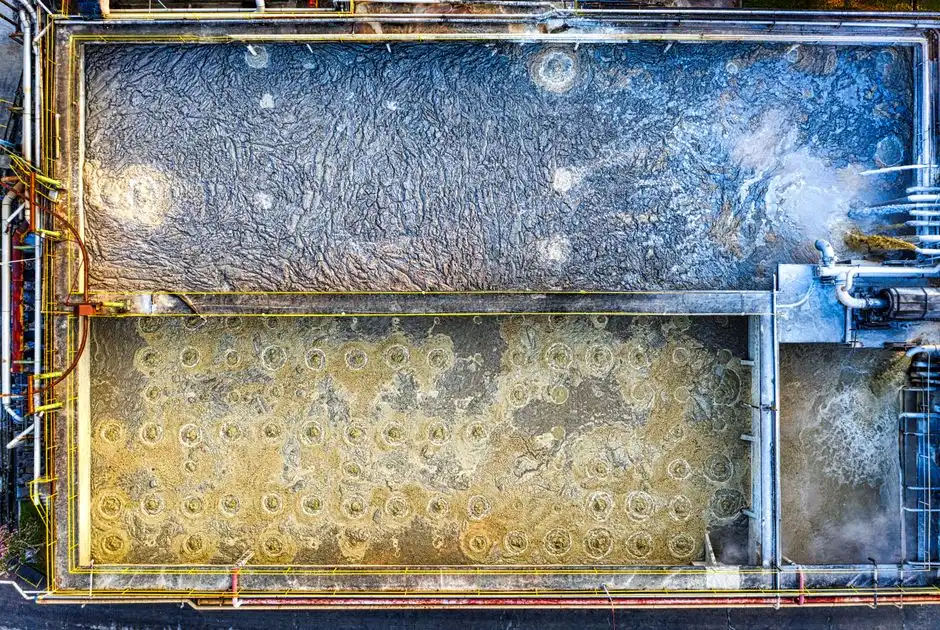
Reliable operation depends on the pretreatment, utilities, controls, and residue route—not on the flotation tank alone. Screening ahead of DAF protects pumps, valves, and downstream equipment from rags, plastics, fibrous debris, and large suspended solids. Equalization is needed when flow, batch discharges, or pH fluctuate enough to destabilize dosing, flotation, or biological treatment.
The North American DAF FOG-interception case study illustrates emergency DAF installed upstream of an overloaded truck-stop lagoon. It is an operating context for FOG interception, not evidence that the same configuration will deliver a specified Phoenix result.
For sludge dewatering, the available plate and frame press catalog range is 1–500 m². Final selection requires sludge characteristics, solids concentration, oil content, required cake condition, operating schedule, and disposal requirements. The area range alone cannot select a press.
Site assessment should also cover utility demand, installation footprint, maintenance access, control architecture, odor control, drainage, and future expansion. Sewer discharge and water reuse are separate design bases: the first is governed by the receiving authority’s pretreatment requirements, while the second requires a stated water-quality specification and verification plan. Confirm both with the appropriate Phoenix-area authority or reuse user rather than assuming either requirement from general treatment descriptions.
For a first-pass technology comparison, use the DAF versus sedimentation comparison to examine clarification alternatives. Keep the final selection tied to the factory’s wastewater tests rather than a generic equipment preference.
Build a Supplier Request for a Defensible Phoenix Proposal
Equal technical scope makes supplier proposals comparable: every bidder should identify the design basis, treatment objective, process sequence, utilities, controls, and solids handling—not only equipment capacity.
| Required submission | Information to require |
|---|---|
| Process basis | Design flow, peak-flow strategy, pollutant loading basis, treatment targets, and chemical-dosing assumptions. |
| Engineering documents | Equipment list, P&ID, control narrative, duty points, materials of construction, and utility requirements. |
| Operations and maintenance | Maintenance coverage for pumps, air system, saturation vessel, skimmer, controls, and instrumentation. |
| Residuals | Sludge-generation estimate, storage basis, dewatering strategy, and disposal route. |
| Compliance basis | Applicable sewer or discharge requirements, including how pretreatment and final discharge duties are separated. |
Ask each supplier to state the applicable discharge limits and identify their source. Do not insert an unsupported numeric requirement into the request. Also request references or operating evidence for the same wastewater class, while distinguishing supplier references from independent performance guarantees.
For deeper specification work, use the 2026 DAF selection and engineering framework. A preliminary industrial DAF system quotation should remain conditional on representative testing and confirmation of the selected treatment route.
Frequently Asked Questions
How should an industrial DAF or ETP system be sized for a Phoenix factory?
Start with source-specific sampling and a peak-flow analysis; do not size from production volume alone. Provide suppliers with average and peak flow, operating schedules, batch-discharge information, representative pollutant concentrations, pH, temperature, and the treatment objectives. Ask each bidder to state its design flow and loading basis so the proposals can be compared. A catalog capacity is only a screening reference, not proof that a model fits the duty.
What should a buyer check when selecting a wastewater treatment supplier?
Require a duty-based proposal containing the process basis, P&ID, equipment list, controls, utilities, treatment targets, chemical assumptions, and sludge route. Check whether the supplier has operating evidence for the same wastewater class, but distinguish that evidence from a guaranteed performance result. Also ask who is responsible for installation, commissioning, operator training, and maintenance support.
How can a Phoenix factory reduce the risk of a compliance failure?
Confirm the current requirements of the receiving authority or reuse user and separate industrial pretreatment duties from final discharge requirements. Ask each supplier to identify the rule or permit used as its compliance basis and to explain how each proposed unit supports it. Do not accept a generic statement that the equipment “meets regulations”; require traceable targets and performance criteria.
When should DAF precede an ETP?
Place DAF before biological treatment when representative samples show emulsified oil, FOG, colloids, or fine solids that could interfere with the biological process. The DAF stage removes recoverable contaminants by flotation and skimming; the ETP then addresses the remaining soluble biodegradable load. Confirm the sequence with source-specific testing rather than assuming every oily wastewater requires biological treatment.