

Start with the discharge rule and manufacturing process
Fabricated-metals plants near Webb meet sewer pretreatment limits by identifying the manufacturing operations that generate wastewater, characterizing each stream, and obtaining the Webb-area sewer authority’s applicable limits. Treatment is then matched to documented contaminants rather than to a generic fabrication label. EPA explains that metal-finishing rules are process-based and that discharges from the 46 operations listed in 40 CFR 433.10(a) may be covered by Part 433. Common treatment steps can include screening, dissolved air flotation, chemical dosing, filtration, and sludge dewatering, with final performance verified against the locally issued permit.
Identify the legally controlling documents first. Pretreatment means treatment before an industrial wastewater stream enters a public sewer, but the plant’s industrial user permit and the receiving authority’s current rules establish the discharge conditions that must be met. EPA’s Metal Finishing Effluent Guidelines explain that the regulation is defined by manufacturing processes rather than industrial sectors. If a plant performs a covered operation, discharges from the operations listed in 40 CFR 433.10(a) are covered by the Part 433 standards.
That federal scope does not replace the Webb-area permit or establish unverified local numerical limits. The 2026 industrial pretreatment compliance guide provides a nearby regulatory framework for assembling permit, characterization, and treatment evidence. Ask the receiving authority for the current permit, appendices, sampling instructions, and any applicable sewer-use or prohibited-discharge rules before sizing equipment.
| Document the plant must obtain or prepare | Decision supported | Do not assume |
|---|---|---|
| Current industrial user permit and sewer-use rules | Defines applicable limits, monitoring, sampling, and reporting duties | That federal guidance contains the Webb permit limits |
| Manufacturing process map | Identifies whether a plant performs operations covered by 40 CFR Part 433 | That the description “fabricated metals” determines regulatory coverage |
| Waste-stream inventory | Links plating, anodizing, etching, chromate conversion coating, cleaning, rinsing, machining, painting, and washdown to their sources | That every stream can enter one common treatment system |
| Prior analyses and operating records | Supports pollutant loading, segregation, and monitoring decisions | That missing data can be replaced with generic treatment ranges |
Build a complete wastewater and pollutant inventory
The wastewater inventory must connect each manufacturing operation to a measurable waste stream to ensure treatment sizing and compliance evidence are accurate. EPA’s 2026 metal-finishing page identifies chrome finishing facilities—including chromium plating, chromium anodizing, chromic acid etching, and chromate conversion coating—as the predominant PFAS-discharge sources considered in its active rulemaking under docket EPA-HQ-OW-2022-0869.
For each operation, record the wastewater source, flow variation, chemicals used, cleaning frequency, batch or continuous generation, and final discharge point. Request the receiving authority’s current industrial user permit, pollutant limits, monitoring frequency, sampling method, pH range, discharge restrictions, and compliance schedule. Those documents—not an equipment catalog—define the acceptance test.
Use source records and representative sampling to verify pH, metals, oil and grease, total suspended solids, toxicity characteristics, and PFAS-related constituents where chrome-finishing operations are present. The “where present” qualifier matters: PFAS characterization is most relevant when the process record supports chrome-finishing activities, not merely because a fabricator handles metal.
Segregate streams when their treatment objectives differ. Oily washwater, abrasive machining residue, plating rinsate, concentrated cleaning solution, and paint-bearing washdown may require separate collection and treatment. Combining them can increase solids loading, interfere with chemical conditioning, and make the source of a failed discharge sample harder to isolate. A chromium-removal treatment guide can help assess one treatment function, but it should be evaluated against characterized chromium wastewater and the local permit—not against the facility label.
| Waste stream | Characterization inputs | Treatment question |
|---|---|---|
| Plating or chromate-conversion rinsate | Metals, pH, flow, chemical additions, batch history | Which unit performs documented metal removal and sludge separation? |
| Cleaning or etching solution | Acid or alkali use, concentration, regeneration, disposal method | Should the stream be collected, treated, or managed outside the dilute wastewater system? |
| Machining and washdown | Suspended solids, abrasive character, oil content, flow variability | Does the front end remove solids without carrying oil through the entire train? |
| Painting-related washwater | Oil and grease, paint solids, cleaning agents | Which pretreatment function addresses both free oil and emulsified contaminants? |
Control pollution at the source before treatment
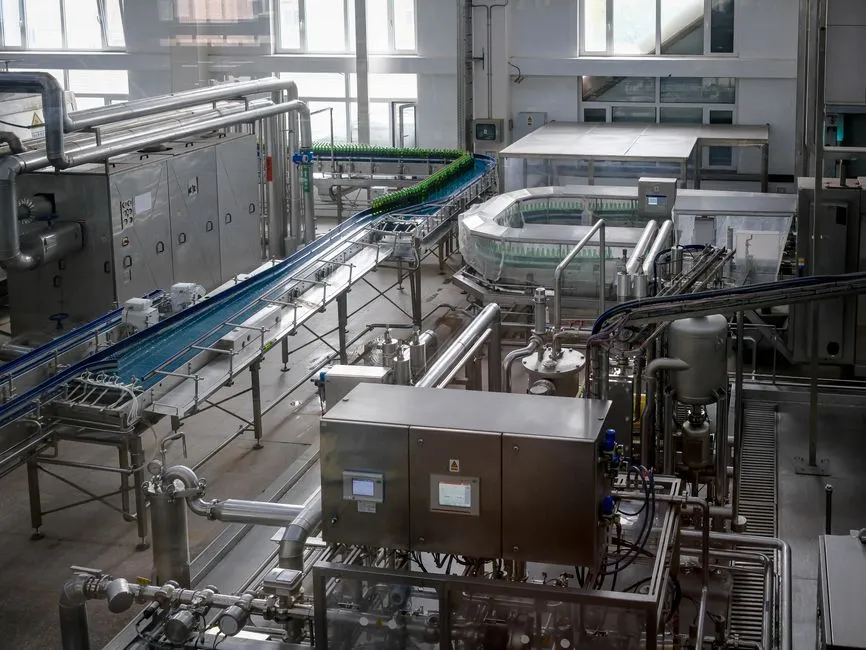
Source control reduces contaminant loading before equipment sizing begins, and the plant must document which practices actually apply. Give priority to spill prevention, controlled chemical dosing, proper rinsing practices, and capture of concentrated cleaning or plating solutions before they enter the common wastewater system.
Evaluate reusable rinsing, stream segregation, and controlled batch collection where technically appropriate. These measures can reduce flow and pollutant loads entering treatment, but reuse must remain inside the plant’s operating and permit controls. Do not treat dilution as a compliance strategy: adding clean water changes concentration without removing the pollutant and may also disturb downstream hydraulic loading.
Maintain records of chemical inventory, operating frequency, cleaning agents, batch-generation volumes, and waste destinations. These inputs help explain observed loading and establish what happened when a sample failed. A rotary mechanical bar screen can protect downstream pumps and treatment equipment from rags, plastics, fibrous debris, and suspended solids, but it does not replace chemical containment or segregation at the source.
Match each wastewater stream to the right treatment train
A treatment train should be assembled from documented removal functions, with each unit assigned a specific contaminant or equipment-protection task. Start with a rotary mechanical bar screen when rags, plastics, fibrous debris, or suspended solids could overload downstream pumps and equipment. Then use the characterized waste streams to decide which additional functions are required; screening alone does not remove dissolved metals or correct pH.
Consider a DAF system for metalworking wastewater where suspended solids, oil and grease, FOG, or colloidal matter require removal. HydropureWater identifies 13 standard DAF models from 4–300 m³/h and lists metalworking among the applicable industrial sectors. These figures describe available equipment capacities, not the capacity required at a Webb plant. Selection still depends on flow, loading, operating schedule, and permit limits.
Consider an automatic chemical dosing system where pH adjustment, coagulation, flocculation, or specialty chemical addition is required. HydropureWater describes these systems as PLC-controlled, skid-mounted injection systems with factory testing. A factory test demonstrates equipment readiness; it does not establish the dose needed for changing wastewater composition.
Use a lamella clarifier where compact solids separation, sludge recirculation, and flocculation are appropriate. HydropureWater states that the design combines sludge recirculation, flocculation, and inclined-plate separation, with surface loading rates of 20–40 m/h. Apply those rates only after confirming the relevant hydraulic and solids-loading basis for the actual wastewater; they are not substitutes for local permit requirements.
Use a plate-and-frame filter press when pretreatment produces sludge requiring dewatering. HydropureWater lists filtration areas from 1 m² to 500 m², with manual, hydraulic, and fully automatic PLC-controlled operation. The appropriate configuration depends on sludge characteristics, batch volume, required dryness, filtrate quality, and operating labor.
Treat ultrafiltration as a polishing or solids-barrier option where the design requires membrane filtration. HydropureWater’s hollow-fiber systems use 0.03 micron PVDF membranes, operate at 2,000–40,000 L/h, accept turbidity up to 300 ppm, and provide automatic backwash and air scour. Those specifications support equipment comparison, but influent quality, membrane flux, cleaning needs, and the permitted discharge point determine actual suitability.
| Treatment function | Use it when the characterization shows | Evidence still required |
|---|---|---|
| Bar screen | Rags, plastics, fibrous debris, or coarse solids may overload equipment | Debris inventory, flow profile, screen opening and disposal method |
| DAF | Suspended solids, oil and grease, FOG, or colloidal matter require separation | Representative loading data, flotation performance, sludge handling |
| Automatic chemical dosing | pH control, coagulation, flocculation, or specialty dosing is required | Chemical demand, compatible materials, control sequence |
| Lamella clarifier | Compact solids separation and recirculated floc are appropriate | Hydraulic basis, solids loading, sludge withdrawal |
| Plate-and-frame filter press | Pretreatment sludge requires dewatering | Sludge volume, dewatering result, filtrate destination |
| Ultrafiltration | The design requires membrane polishing or a solids barrier | Membrane compatibility, flux, backwash, turbidity, reject or filtrate handling |
Verify compliance before every sewer discharge
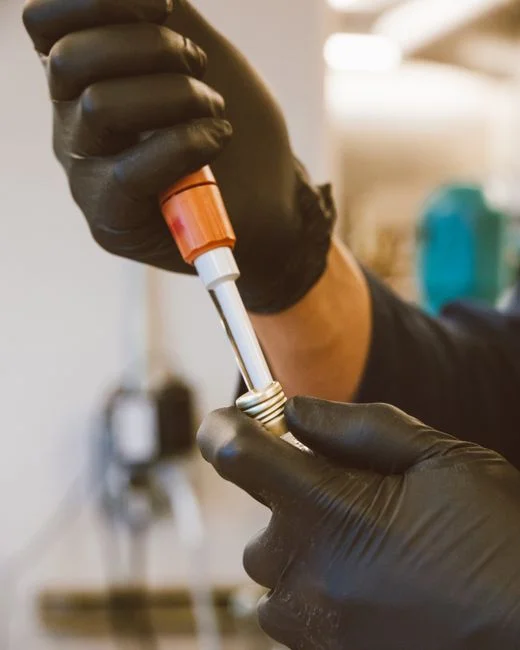
Compliance verification must connect a representative sample to the legally applicable limit and the treatment event that produced it. Establish the sampling point, sample preservation, analytical method, flow relationship, and responsible personnel required by the Webb-area industrial user permit.
The supplied research provides no Webb-specific numerical sewer limits. Obtain the values from the receiving authority rather than estimating them from federal metal-finishing materials or another plant’s permit. Compare each result with the applicable local limit and document whether the sample represents normal production, cleaning, startup, shutdown, or another defined operating condition.
Retain operating records covering chemical use, equipment run time, alarms, flow, maintenance, sludge removal, laboratory results, and corrective actions. A useful record links the sample identifier to the wastewater source, production schedule, treatment-unit settings, any bypass or diversion, and the release or disposal route. This creates a defensible chain from source condition to treatment action to analytical result.
Define escalation actions before a failed result occurs. Depending on the permit, these may include isolating or diverting affected streams, stopping a release, investigating the source and equipment, repeating sampling, and notifying the sewer authority. Use EPA’s current metal-finishing materials as a regulatory watch item, but distinguish PFAS rulemaking status from operative local discharge conditions.
| Record | Minimum linkage | Compliance use |
|---|---|---|
| Industrial wastewater sampling | Date, time, location, stream, flow, preservation, analytical method | Demonstrates the result was properly obtained and is representative |
| Laboratory report | Sample identifier, parameter, result, units, laboratory information | Supports comparison with each applicable permit limit |
| Treatment operating log | Run time, chemical dose, controls, alarms, flow, sludge removal | Explains treatment performance and identifies deviations |
| Corrective-action record | Failure, cause, isolation or diversion, retest, notification | Demonstrates response and recurrence prevention |
A practical compliance decision framework
Approve a pretreatment project only when the wastewater characterization, sewer permit, treatment objective, and operating evidence are aligned. The procurement request should begin with representative wastewater data, the current industrial user permit, flow records, operating schedule, and required documentation—not only a desired flow rate. Without those inputs, an equipment price or nominal capacity cannot establish compliance.
Compare bids on treatment objective, contaminant-removal mechanism, automatic controls, materials of construction, maintenance access, sludge handling, monitoring provision, and compliance support. Require each supplier to identify the treatment step each component performs and explain how the complete train addresses every identified permit parameter. A DAF versus clarifier comparison is useful for understanding competing separation functions, but the final choice must follow from the Webb plant’s waste characterization.
For metal-fabrication applications, stainless steel, carbon steel, aluminum, and nickel alloys are commonly used in wastewater treatment because of durability, versatility, and corrosion resistance. Material selection still requires confirmation against chemical compatibility, temperature, corrosion exposure, cleaning requirements, and the proposed treatment process. Require the supplier to explain those selections rather than treating alloy choice as proof of performance.
Frequently Asked Questions
What information do I need before requesting a wastewater treatment system near Webb?
Frequently Asked Questions
What wastewater limits apply to a fabricated metals plant near Webb before sewer discharge?
Facilities in the Webb area must adhere to local municipal sewer use ordinances (SUOs) and federal categorical pretreatment standards under 40 CFR Part 433 for Metal Finishing. Typical local limits for discharge into a Publicly Owned Treatment Works (POTW) often restrict total chromium to 1.0–2.0 mg/L, nickel to 1.0–2.0 mg/L, and oil and grease (HEM) to 100 mg/L.
pH levels must generally be maintained between 5.0 and 11.0 standard units to prevent damage to sewer infrastructure. Specific numeric limits can vary based on the capacity and permit requirements of the local Webb-area wastewater utility, necessitating a review of your specific industrial discharge permit.
Which treatment equipment is best for metal fabrication wastewater with suspended solids, oil, and chrome?
A multi-stage physical-chemical treatment system is required to handle these contaminants. An oil-water separator (such as a coalescing plate separator) is the first stage for removing free-floating oils, followed by a reaction tank for chemical precipitation and pH adjustment to reduce hexavalent chromium to trivalent chromium.
Following precipitation, a flocculation and clarification process is used to settle out suspended solids and metal hydroxides as sludge. A final filter press or dewatering unit is then required to solidify the sludge for hazardous waste disposal, while the clarified effluent is polished through multi-media or carbon filtration to ensure compliance with final discharge limits.
How much does an industrial pretreatment system for a metal fabrication plant cost?
The capital cost for a custom-engineered pretreatment system typically ranges from $50,000 for small, manual batch-treatment setups to over $500,000 for fully automated, high-flow continuous systems. Factors driving price include flow rate (gallons per day), the complexity of the chemical matrix, and the level of automation required for monitoring.
Operational costs, including chemical reagents (coagulants, polymers, acids/bases), electricity, filter media replacement, and hazardous waste disposal fees, should be budgeted as a separate annual expenditure. These operating costs often represent 15% to 25% of the initial capital investment annually.
What information should a wastewater treatment supplier need to size equipment for sewer compliance?
Suppliers require a representative laboratory analysis of your wastewater, including concentrations of heavy metals, Total Suspended Solids (TSS), Chemical Oxygen Demand (COD), oil and grease, and current pH levels. Additionally, they must know your maximum daily flow rate (GPD) and peak hourly flow rate to ensure tank residence times are adequate.
You must also provide the local POTW discharge permit requirements, including any specific local limits that are more stringent than federal standards. Information regarding the facility's available floor space and existing utility connections (power, water, drainage) is also critical for the layout and integration of the system.
How should a plant document sampling and corrective actions after an out-of-limit discharge?
Facilities must maintain a comprehensive logbook or digital record that includes the date, time, and method of sampling, along with the specific laboratory analytical results compared against permit limits. In the event of an excursion, you must document the immediate corrective actions taken, such as halting discharge, investigating the source of the failure, and performing a re-test.
Documentation should follow the 40 CFR 403.12 requirements, including the submission of a written report to the Control Authority within 24 hours of becoming aware of the non-compliance. This report must detail the cause of the violation, the duration of the discharge, and the specific preventative measures implemented to ensure the incident does not recur.