Can Gelatin Wastewater Be Treated Anaerobically?
An anaerobic digester for gelatin wastewater is credible only after the plant has characterized COD, fats, proteins, suspended solids, pH and temperature and confirmed that equalization and solids or fat removal can prevent acidification and excessive loading. Water Science & Technology Water Supply directly evaluated anaerobically digested gelatin-industry wastewater as a culture medium for Chlorella vulgaris in bubble-column photobioreactors, demonstrating a downstream reuse under the studied conditions. Separately, Durban University of Technology optimized a 50 L reactor treating industrial sewage and sugar-refinery wastewater, not gelatin effluent. Its 21-day hydraulic retention time, pH 7.01 and 0.42 g/L magnetite are screening references, not plant guarantees. Final sizing should follow site testing, pilot operation and contractual acceptance criteria.
An anaerobic digester is an oxygen-free biological process in which microorganisms convert biodegradable organic matter into biogas and stabilized solids. For a gelatin-processing plant, its potential value combines wastewater treatment with energy recovery, but those benefits depend on a controllable feed and a usable gas route.
The Water Science & Technology Water Supply study, published in 2020, provides direct gelatin-sector evidence: anaerobically digested gelatin-industry wastewater supported cultivation of Chlorella vulgaris in bubble-column photobioreactors. That result applies to the tested digested effluent and culture conditions; it does not establish reactor performance, gas yield or the required nutrient balance for a commercial algae system.
The Durban University of Technology study examined sugar-refinery wastewater, industrial sewage, oil-refinery wastewater and municipal wastewater. Its reactor optimization therefore provides transferable industrial-wastewater evidence, not gelatin-specific design data.
A go decision requires measured flow and concentration ranges, COD, biochemical oxygen demand, suspended solids, fats and oils, protein or proteinaceous loading, total nitrogen, sulfate, pH, temperature and variability. High solids, excess fats, proteinaceous shock loading, sulfate constraints or pH instability trigger a specific engineering review before sizing.
Characterize the Wastewater Before Sizing the Digester
A defensible gelatin-wastewater profile requires representative sampling across production shifts, batch dumps, cleaning operations and normal upset conditions; a single grab sample cannot establish hydraulic or organic loading.
COD alone is insufficient because hydraulic variation, pH, suspended solids, fats, proteins and inhibitory constituents affect reactor loading and mixing independently. The process inventory should identify where each stream enters, whether cleaning chemicals can be segregated, and which operations generate batch dumps.
Durban University of Technology reported 18,770 mg/L COD for sugar-refinery wastewater and 4,320 mg/L for industrial sewage. Raising organic content across those tested streams increased biogas production by 30%, but contaminant removal declined by more than 40% because falling pH allowed inhibitory long-chain fatty acids to accumulate. These values are contextual evidence only and must not be converted into gelatin design loads.
The project information request should cover:
- Average, peak and batch flow, including the production and cleaning calendar.
- COD, biochemical oxygen demand, suspended solids, fats and oils, protein, total nitrogen, sulfate, pH and temperature ranges.
- Upstream process inventory, current treatment, disposal route, available footprint, utilities and required effluent or reuse objectives.
Laboratory results should then be reconciled into actual hydraulic and organic mass loads. Where those data are uncertain, the project remains a screening exercise rather than a reactor-sizing exercise.
| Measured input | Why it changes the decision | Minimum information for the supplier |
|---|---|---|
| Flow profile | Determines hydraulic loading, equalization and peak-feed behavior. | Average, peak, minimum and batch-dump flows |
| COD and biochemical oxygen demand | Establish organic loading and treatment objectives. | Concentration and mass-load ranges with analytical methods |
| Fats, proteins and suspended solids | Influence foaming, mixing, digestion and solids separation. | Species-specific results, including emulsified or colloidal fractions |
| pH, alkalinity and temperature | Determine microbial stability, heating demand and control requirements. | Time-series data, not one composite sample |
| Nitrogen and sulfate | Potential constraints on process stability and gas composition. | Concentration and loading ranges |
| Variability and upstream inventory | Expose shock loads and chemical contamination risks. | Shift, batch, cleaning and upset records |
If removable oil, grease, colloids or suspended solids are present, evaluate DAF pretreatment for gelatin wastewater through site-specific jar and pilot testing. For pH control, define the chemical and interlocks with an automatic pH-control dosing system rather than relying on catalog capacity.
Build a Pretreatment and Equalization Train
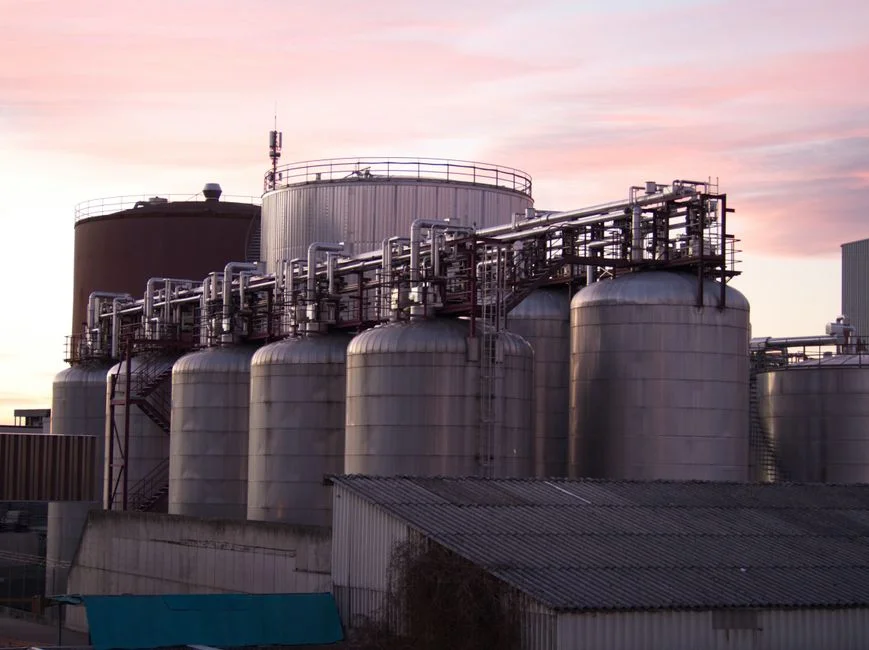
A workable treatment train should separate controllable risks before the anaerobic reactor: source segregation where practical, equalization, solids or fat control, pH management, controlled feed, anaerobic reactor, gas handling, solids separation and final polishing or reuse assessment.
Equalization buffers flow and concentration peaks, but it does not remove fats, suspended solids or inhibitory chemistry. Its required working volume must follow the measured diurnal and batch profile; mixing and residence time must prevent settling, local acidification and uncontrolled discharge.
Where characterization identifies removable oil, grease, colloids or suspended solids, DAF pretreatment for gelatin wastewater is a candidate. Its performance must be established with the actual wastewater: recoverable oils, solids capture, polymer demand, recovered-sludge characteristics and downstream effects on digestion. A mechanical screening stage may protect downstream equipment where hair, fibrous material or gross solids are present, but screening alone does not treat dissolved fat or fine solids.
pH adjustment should use an automatic pH-control dosing system with engineered storage, dose limits, calibration, containment and reactor interlocks. Alkalinity must be considered alongside pH because a stable pH without adequate buffering can conceal an acidification risk.
Specify monitoring at equalization and reactor feed for flow, pH, temperature, alkalinity, COD or COD fraction, suspended solids, and gas flow or composition. Instrumentation needs defined ranges, calibration intervals, alarms, data retention and fail-safe responses.
The upstream train must preserve downstream biological capacity and comply with the applicable sewer, discharge or reuse permit. The supplied research does not establish universal regulatory limits, so the plant must obtain its local requirements before selecting final performance targets.
Select the Anaerobic Reactor and Operating Controls
No reactor format should be nominated before characterization: continuous stirred-tank, plug-flow, upflow anaerobic sludge blanket and covered-batch systems present different loading, mixing, gas-handling, maintainability and footprint implications.
The Durban University of Technology 50 L study optimized a reactor treating industrial sewage and sugar-refinery wastewater at 21 days hydraulic retention time, pH 7.01 and 0.42 g/L magnetite, with a reported desirability of 0.99. Magnetite reduced the lag phase from 9 days to 3 days. At 0.4–0.6 g/L, reported production rates were 23 mL/d and 20 mL/d between days 9 and 12; at 0.8 g/L, catalyst overloading was associated with production falling to 2 mL/d after day 9. These results show both a catalyst benefit and an overload limit in a non-gelatin test system.
The design lesson is not to copy the optimum. pH, alkalinity, temperature, hydraulic retention time, organic loading, mixing and inoculum health interact, so gelatin wastewater must establish its own operating window through staged pilot loading. Solids separation and digestate handling should also be included in the reactor review; an independent solids-separation tank may be relevant to the selected process architecture.
| Selection item | Supplier must demonstrate | Buyer acceptance evidence |
|---|---|---|
| Reactor format | Compatibility with the characterized flow, solids, fats and loading pattern. | Design calculation linked to measured site data and pilot results. |
| Hydraulic retention time and organic loading | Volume and operating basis, including equalization and batch feeds. | Independent pilot performance and defensible mass balance. |
| pH and alkalinity control | Control strategy, chemical demand and fail-safe response. | Stable operation during feed and upset simulation. |
| Mixing | Solid suspension, scum and foam control, maintainability. | Vendor procedure, energy estimate and site verification. |
| Gas safety | Sealed collection, pressure and gas-quality monitoring, flame-arrestor provisions. | Cause-and-effect review, alarm tests and compliance sign-off. |
| Gas utilization | Defined route for electricity, heat, upgrading or flaring. | Signed process and safety basis for the selected route. |
Gas systems must address methane and hydrogen sulfide hazards, sealed collection, pressure control, required flame arrestors and safe intervention. A disposal route for gas during shutdowns or upset conditions is mandatory.
Market context should not replace site economics. The American Biogas Council’s September 2026 survey found that 55% of surveyed U.S. water resource recovery facilities primarily used captured biogas for electricity or combined heat and power, 26% for heat, and 89% of generated electricity was used on-site. Those municipal-sludge findings indicate an energy-use pattern, not a guaranteed revenue case for a gelatin plant.
Validate Performance Through Pilot and Acceptance Testing

Scale-up should follow a controlled sequence: confirm characterization, verify inoculum and startup conditions, establish hydraulic and organic loading steps, then increase loading while tracking pH, alkalinity, COD, suspended solids, gas production, methane content and reactor stability.
The Durban University of Technology study provides a precedent for monitoring adaptation rather than a gelatin loading schedule. Biogas production increased exponentially between days 9 and 18, declined between days 19 and 22, and showed retardant or no production between days 22 and 30. A gelatin pilot should therefore define how each loading step advances, holds or reverses, rather than advancing only on a calendar schedule.
Acceptance testing should be mutually binding. The agreement must define influent and effluent sampling windows, analytical methods, flow normalization, permitted downtime, methane content, solids handling, gas availability, correction periods, remedies and acceptance values. Pilot and commercial acceptance should measure the same contractual outcomes.
In the cited 50 L research system, sensors supported accurate monitoring and increased methane content to 90%. Optimized conditions achieved more than 85% contaminant removal for industrial sewage and more than 60% for sugar-refinery wastewater. Neither result can be transferred to gelatin wastewater; they demonstrate the need to specify site-specific acceptance criteria.
Complete a mass and energy balance before scale-up. Include reactor uptime, mixing energy, heating demand, chemical use, inoculum, maintenance, gas treatment, digestate handling and the selected gas value. Where digestate requires dewatering, evaluate digestate dewatering equipment against actual solids characteristics and the final disposal route.
The pilot report should also identify uncertainty. Where sampling is infrequent, analytical variability is high or a critical stream remains uncharacterized, commercial guarantees should remain conditional rather than rely on an optimistic laboratory average.
Compare Procurement and Commercial Models
Procurement should compare the commercial scope before comparing headline prices: turnkey EPC, design-and-supply, and package-skid models create different owner responsibilities for utilities, permits, commissioning, training and long-term support.
A supplier quotation should identify the design flow and load basis, reactor volume, hydraulic-retention-time basis, mixing and heating utilities, materials, gas system, controls, pretreatment interfaces, solids treatment, commissioning protocol, spare parts and warranty. It should also identify exclusions, electrical and civil interfaces, utility requirements, operator competence and ongoing support.
| Commercial structure | Supplier responsibility | Owner check before award |
|---|---|---|
| Turnkey EPC | Design, supply, installation, commissioning and stated performance obligations. | Define site interfaces, permit responsibility, training, defects and remedy schedule. |
| Design and supply | Detailed design and equipment supply within the stated supply scope. | Confirm construction, utilities, tie-ins, commissioning support and local approvals. |
| Package skid with site utilities | Skid equipment and controls against an agreed duty. | Identify who owns foundations, power, heating, drains, gas connection and routine operation. |
| Owner-managed operation | Equipment, training and technical support to the contracted extent. | Require competency plans, spares, remote support and operating-cost responsibility. |
Biogas revenue must remain conservative. The Durban University of Technology 50 L research system recorded annual operating costs above annual revenue, net cash flow of -R8,506 and net present value of -R121,016, with a 19.03-year payback. That small research system provides a warning about assumptions, not a transferable price or economics for a gelatin project.
Ask suppliers to show the assumptions behind capital and operating costs, including concrete, reactor volume, heating, chemicals, inoculum, maintenance, gas treatment, solids disposal and monitoring. Then model revenue separately from treatment value; methane or electricity income should be based on measured gas quality, usable output and a documented offtake or self-use route.
The American Biogas Council’s September 2026 survey identified 1,213 U.S. water resource recovery facilities operating digesters. Adoption was concentrated at larger facilities: more than 75% of facilities treating over 30 MGD operated digesters. Although this municipal-sludge evidence cannot determine gelatin-project viability, it supports a scale-discipline principle: require site evidence rather than assuming that all wastewater projects support the same energy model.
Lead time is supplier-specific. Require a written schedule covering design approval, fabrication, factory acceptance testing, delivery, installation, commissioning and performance testing, with dependencies and approval responsibilities identified.
Frequently Asked Questions
How much does an anaerobic digester for gelatin wastewater cost?
The supplied research provides no transferable gelatin-project price. The Durban University of Technology study found that annual operating costs exceeded annual revenue for its 50 L research system, but that result cannot price a commercial installation. Request a site-specific quotation based on measured flow and loading, pretreatment, reactor volume, utilities, controls, gas use, solids handling, commissioning and performance testing. Require the supplier to disclose exclusions and the CAPEX and OPEX assumptions behind the price.
What size anaerobic digester does a gelatin factory need?
Size cannot be calculated from the wastewater name or from published industrial-study values. It requires site flow and load characterization, the selected hydraulic-retention-time basis, treatment objectives, hydraulic variability and pilot results. Ask each supplier to show its reactor-volume and loading calculations against the same measured site data so that offers can be compared on equivalent design bases.
How do I choose an anaerobic digester supplier?
Require a demonstrated design basis, relevant commissioning references, a controls and safety scope, a traceable performance-test protocol, transparent lifecycle-cost assumptions and measurable acceptance criteria. Check who performs independent testing and how remedies are defined. A supplier claim should identify the wastewater tested, scale, operating conditions and analytical methods rather than relying on generic digester performance.
Can a gelatin plant rely on 21-day HRT and pH 7.01?
No. Those values were the optimum in the Durban University of Technology 50 L study of industrial sewage and sugar-refinery wastewater. Use them as screening references only. Gelatin wastewater requires its own staged pilot to verify hydraulic retention time, pH control, alkalinity, loading tolerance, COD removal, methane content and stable gas production.
What permit or compliance risks should be checked?
Obtain a site-specific review of local discharge, sewer pretreatment, air, biogas and workplace-safety requirements, together with the plant’s treatment and reuse objectives. The supplied research does not establish universal limits. Contractual treatment and gas guarantees should reflect the permit and the approved operating envelope, with measurement methods and sampling windows defined before award.