

Start with the wastewater, not the equipment name
A Madrid factory usually needs DAF when its wastewater contains suspended solids, colloidal material, FOG, oil, or recoverable solids and requires physical separation before biological treatment. A broader ETP is needed when the plant must also reduce biodegradable organic load or dissolved pollutants through biological and tertiary stages. In refinery-type applications, the supplied Quora source describes API separation preceding DAF, with DAF protecting downstream biology by removing emulsified oil and fine solids. Final selection must follow a representative wastewater analysis, peak-flow review, chemical-conditioning trial, permit check, and comparison of DAF, biological ETP, and combined treatment—not a standard model chosen by flow alone.
The design basis starts with variability. Request samples during normal production, peak production, batch discharges, cleaning cycles, and storm or dilution periods. A single composite sample can conceal the contaminants that determine whether a flotation unit will work reliably. Record flow, pH, suspended solids, oil and grease, FOG, colloids, and biodegradable organic load, then compare them with the factory production schedule.
Academia.edu source S1, FS-PRIM-003 Technology Fact Sheets for Effluent Treatment Plants on Textile Industry: Dissolved Air Flotation Series (undated), states that DAF systems should be optimized according to wastewater characteristics rather than selected from average flow alone. The same source identifies suspended-solids reduction as a central primary-treatment objective.
The receiving route also changes the required treatment. Identify whether discharge is to a sewer, surface water, a reuse destination, or another receiving route. Do not substitute a generic Madrid limit for the site’s actual Madrid wastewater authorization; confirm the applicable authorization and receiving requirements before defining performance guarantees.
| Input to establish | Why it affects selection | Evidence required |
|---|---|---|
| Flow and production variability | Separates average duty from peak hydraulic and contaminant loading. | Continuous flow record and production-linked sampling. |
| Suspended solids and colloids | Indicates whether physical separation is required and what chemical conditioning may be needed. | Sampled concentrations and removal objectives. |
| Oil, grease and FOG | Determines whether oil-water separation or DAF must precede biological treatment. | Representative oil, grease and FOG analyses. |
| Biodegradable organic load | Shows whether biological treatment is necessary beyond physical separation. | Organic-load testing and process-production data. |
| Receiving or reuse route | Defines the applicable authorization, treatment objective, and potential filtration or membrane needs. | Site-specific permit or authorization review. |
For a structured DAF selection workflow, use the 2026 DAF unit selection and decision framework alongside the factory’s own sampling programme.
Choose DAF, biological ETP, or a combined treatment train
DAF is a physico-chemical separation process: small air bubbles attach to suspended particles, which rise and are skimmed from the surface. The Academia.edu source S1 fact sheet identifies suspended-solids reduction as a central primary-treatment objective. DAF therefore fits factories whose principal objectives are suspended-solids treatment, colloidal-material removal, FOG removal, oil and grease separation, or recovery of floatable solids.
A biological ETP is the better fit when the wastewater contains biodegradable dissolved or fine organic material that must be metabolically reduced. A combined train is usually the defensible choice when oil, FOG, colloids, or high solids must be removed before biology, or when the final route requires additional tertiary polishing. The how a DAF machine works guide explains the physical stage, but it should not be read as a complete effluent-treatment specification.
The refinery sequence in Quora source S2, What is dissolved air flotation in refinery effluent treatment plants? (15 July), is an instructive process example rather than a universal template. An API separator first removes large free oil and heavy sediment; DAF then removes remaining emulsified oil and fine solids before biological treatment. Chemical destabilization is used where required to make the oil and solids sufficiently floatable. This sequence supports the narrower conclusion that DAF protects downstream biology; it does not demonstrate that DAF alone provides complete ETP performance.
HydropureWater’s industrial dissolved air flotation system is catalogued for industrial suspended solids, FOG, oil and grease, and colloidal matter. That scope supports physical or physico-chemical separation, not complete dissolved-load treatment. For the flotation mechanics, see DAF working principle and microbubble physics.
| Factory condition | Process role | Selection implication |
|---|---|---|
| Mainly suspended solids, colloids, FOG, oil, grease or recoverable solids | DAF or physico-chemical pretreatment | Confirm floatability and chemical response before selecting the unit. |
| Biodegradable organic load requires biological removal | Biological ETP | Provide equalization and biological pretreatment controls as required by the process design. |
| Oily or solids-heavy wastewater feeds biological treatment | DAF plus biological ETP | Design pretreatment to protect biology and control sludge loading. |
| Final discharge or reuse requires additional polishing | Combined treatment with tertiary stage | Define the reuse quality or receiving requirements before selecting downstream equipment. |
Do not select from nominal flow alone. Compare peak hydraulic loading, pollutant loading, operating variability, reuse objectives, and downstream biological or sludge constraints.
Map the factory wastewater to a treatment process
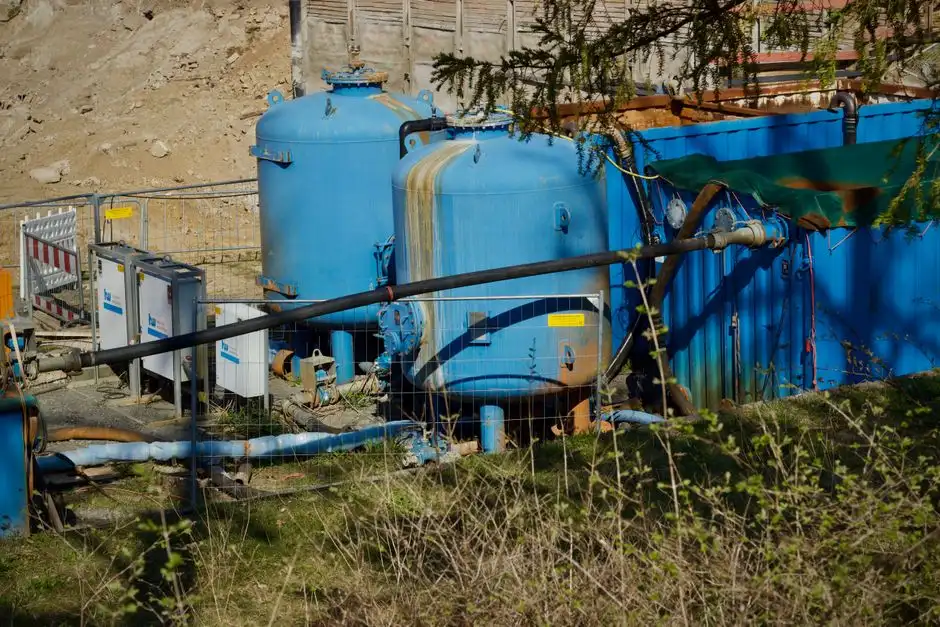
The treatment sequence should follow the contaminant and the required removal stage. For emulsified oil and fine solids, Quora source S2 supports chemical destabilization followed by DAF so that oil does not overload the downstream biological stage. This is a direct process fit for food processing, metal finishing, and similar flows only when representative analysis confirms the same behavior.
For textile or paper-mill wastewater containing suspended solids and colloids, DAF can serve as primary separation. Academia.edu source S1 focuses on textile-industry primary treatment and emphasizes optimization against actual wastewater characteristics. Flotation performance and chemical conditioning must therefore be demonstrated with the factory’s wastewater rather than inferred from a similar sector.
For high settleable-solids loads, evaluate a lamella clarifier as a possible pretreatment or solids-separation stage. The supplied catalog information gives a 20–40 m/h surface-loading range and identifies sludge recirculation. Treat these as cataloged values, not universal project selections; include them in the complete hydraulic and solids balance. A manufacturer-reported claim of 30% lower chemical consumption should remain identified as a product claim, not treated as demonstrated site performance.
For soluble biodegradable contamination, provide biological treatment rather than expecting DAF alone to perform the removal. Where factory reuse is required, define the reuse quality first. Depending on the result, the reuse train may need filtration or membrane treatment after biological treatment; the supplied research does not establish a universal reuse configuration or Madrid numerical limit.
When comparing flotation options, the DAF slurry-treatment engineering guide can help structure questions about solids loading, recovery, and downstream sludge handling, but its title is not evidence of performance for the Madrid site.
- Identify contaminants that require physical separation.
- Identify contaminants requiring biological treatment.
- Protect downstream biology from oil, FOG, colloids, and excessive solids.
- Add tertiary treatment only where the receiving or reuse objective requires it.
- Verify the sequence with representative wastewater testing.
Size the DAF around hydraulic and contaminant loading
A catalogue capacity is a starting point for supplier enquiry, not proof that a model will meet the factory duty. HydropureWater lists 13 DAF standard models from 4 to 300 m³/h. The selected model still has to match peak flow, contaminant loading, operating variability, and the required treatment result. Confirm whether each quoted capacity means design flow, average flow, or peak flow; the research does not establish which definition applies to every listed model.
Academia.edu source S1, Dissolved Air Flotation (undated), identifies four major DAF components: air supply, pressurizing pump, retention tank, and flotation chamber. These should appear as separately defined sections in the supplier calculation, with duties, capacities, materials, and access requirements stated.
Quora source S2 (15 July) describes typical refinery DAF bubbles as 10–100 microns. Use that as cited operating context, not as a universal design specification. Ask each bidder to explain its bubble-generation method and how its proposed bubble range supports the factory’s oil, colloid, and solids separation objective.
Obtain the supplier’s recycle-flow basis, hydraulic-loading criteria, solids-loading criteria, and design assumptions. Also ask whether equalization is required upstream and whether batch discharges require temporary storage or controlled feed to the DAF. These requirements affect whether the flotation unit can remain stable during the most demanding production condition.
| Bid item | Information the buyer must require |
|---|---|
| Design flow | Average and peak flow definitions, production basis, and equalization assumptions. |
| Contaminant duty | Design suspended solids, oil, grease, FOG, colloid, and organic-loading basis. |
| DAF components | Air supply, pressurizing pump, retention tank, flotation chamber, and recycle arrangement. |
| Performance | Guaranteed inlet and outlet duties, sampling points, test methods, and acceptance conditions. |
| Operations | Automatic skimming, sludge drawdown, controls, duty cycle, maintenance access, and installation constraints. |
| Validation | Wastewater characterization plus chemical jar or pilot trial before final sizing. |
Academia.edu source S1 links DAF performance to wastewater characteristics, so chemical testing is part of sizing—not an accessory to be added after award. Use the 2026 DAF unit selection and decision framework to structure those supplier questions.
Design chemical conditioning and sludge handling together
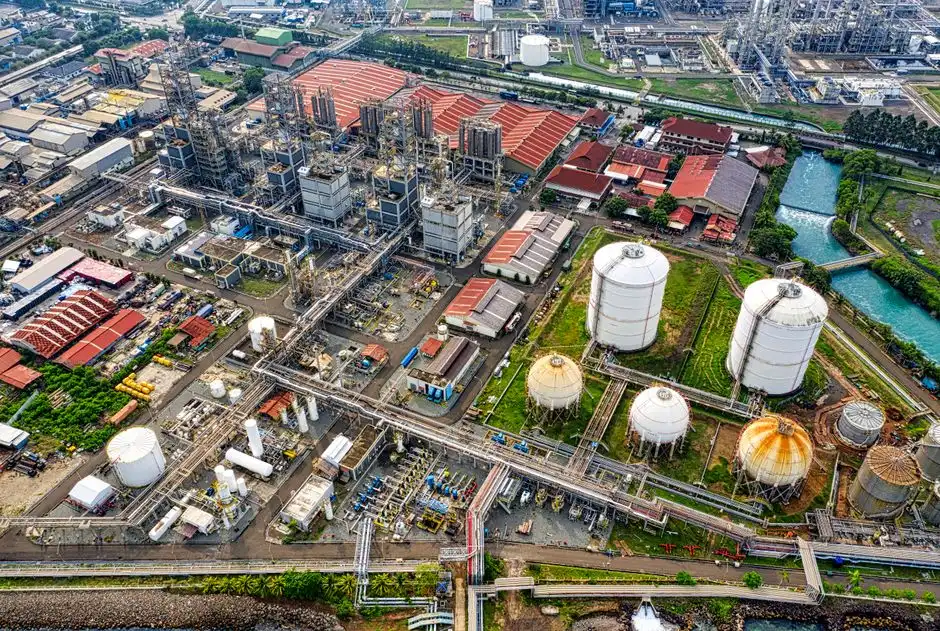
A flotation unit is incomplete without chemical dosing and a defined route for the material it removes. Specify an automatic chemical dosing system for DAF pretreatment for coagulants, flocculants, pH adjusters, or specialty chemicals. The required arrangement should include PLC-controlled injection and a skid-mounted, pre-wired, factory-tested package.
Do not fix the chemical dose or expected removal performance before representative wastewater testing. Academia.edu source S1 states that DAF optimization depends on wastewater characteristics. A jar or pilot trial should establish the chemical sequence, operating pH range, dose range, flotation behavior, and sensitivity to production variability.
Plan how float or sludge will be thickened, stored, and dewatered before commissioning. HydropureWater’s plate and frame filter press ranges from 1 to 500 m² filtration area and offers manual, hydraulic, or fully automatic PLC-controlled operation. The appropriate configuration depends on sludge characteristics, moisture target, operating schedule, and cake-disposal route; the research does not provide a universal press area for a Madrid factory.
If a lamella clarifier is used alongside DAF, evaluate sludge recirculation and the cataloged 20–40 m/h surface-loading rates within the complete hydraulic design. Do not assess those values separately from the DAF or biological stage. Use the DAF and gravity-thickener comparison to identify the cost and operating inputs that must be priced for each residual-solids route.
Build a Madrid supplier specification and acceptance plan
A technically defensible tender starts with the factory’s wastewater data and treatment objectives, not a preferred equipment name. Require each bidder to submit process calculations, the design basis, flow range, materials, controls, utilities, maintenance plan, FAT or SAT method, and supporting equipment references. Include representative wastewater results in the bid package so that bidders demonstrate the duty their proposed configuration can meet.
Ask bidders to distinguish guaranteed inlet and outlet duties from catalogue capabilities. State test methods, sampling points, acceptance conditions, operating conditions, and responsibilities for sampling and laboratory analysis. This prevents a generic removal claim from being accepted without a defined acceptance test.
| Procurement package | Required content |
|---|---|
| Design basis | Representative wastewater results, flow range, pollutant loads, treatment objectives, and assumptions. |
| Process proposal | Treatment sequence, calculations, equipment list, utilities, controls, and operating concept. |
| Performance schedule | Guaranteed duties, test methods, sampling points, and acceptance conditions. |
| Compliance support | Madrid authorization route, receiving-water or sewer requirements, chemical handling, reuse, and sludge constraints identified with competent specialists. |
| Handover | Commissioning support, operator training, controls documentation, spares, maintenance plan, and performance-review process. |
The supplied research provides no numerical Madrid discharge limit, so the specification should require the supplier to work against the factory’s confirmed authorization rather than an assumed limit. The 2026 DAF unit selection and decision framework provides a useful structure for separating commercial claims from guaranteed duties.
Frequently Asked Questions
How should I size a DAF for a factory in Madrid?
Base the sizing on representative wastewater, peak flow, contaminant loading, operating variability, and required treatment objectives. Require a chemical jar or pilot trial before finalizing the model; do not select from average flow alone.
How do I compare DAF, a biological ETP, and combined treatment when choosing a supplier?
Check whether the bidder has demonstrated the appropriate design basis: DAF for physical separation, biological treatment for biodegradable organics, or a combined train for both. Also review controls, skimming, sludge handling, commissioning support, and acceptance testing.
What should the budget request include for an industrial wastewater treatment system?
Request itemized pricing for equipment, chemical dosing, pretreatment and biological stages, sludge dewatering, utilities, installation, commissioning, training, spares, and performance testing. Ask suppliers to state which costs are excluded; the research provides no quotation from which to infer a price.
What compliance risks should be checked before issuing the Madrid specification?
Confirm the factory’s Madrid wastewater authorization, receiving route, applicable sewer or surface-water requirements, chemical handling obligations, reuse criteria, and sludge-disposal route with the relevant competent specialists. Require contractual acceptance duties tied to those confirmed requirements rather than generic claims of compliance.