What Treatment System Fits a Guadalajara Domestic Sewage Project?
Domestic sewage treatment in Guadalajara should be selected by matching verified wastewater flow and variability to the discharge or reuse route, site constraints, automation needs and budget. A compact underground A/O package plant is appropriate where automated treatment, limited space and burial are priorities. An MBR is a candidate where tighter solids separation or reuse-oriented treatment is required. Passive treatment may suit projects with adequate land and an acceptance of its site-specific performance and maintenance basis. Final sizing, cost and approval must remain subject to project data and current requirements from the relevant Guadalajara authorities; the academic research in this guide does not establish local costs or approvals.
Assess the decision in this order: flow and variability; effluent use; site and installation constraints; automation expectations; then budget. The underground A/O sewage treatment plant is one packaged route, while the MBR sewage treatment system represents a higher-separation route. Passive systems require a different project footprint and operating basis.
Resource recovery can inform design options, but it should not displace the basic treatment requirement. The Energies paper, published in 2022, investigates a circular-economy framework for energy recovery in phytoremediation of domestic wastewater using hydroponic tanks; it does not provide a Guadalajara capital-cost or performance guarantee.
| Selection input | Primary question | Decision consequence |
|---|---|---|
| Flow | What are the average and peak domestic sewage flows? | Establishes the hydraulic basis and equipment capacity. |
| Effluent use | Will treated water enter a sewer, support reuse, or serve another identified purpose? | Defines the required treatment and compliance basis. |
| Site | What footprint, burial depth, access and soil conditions are available? | Determines whether a package, MBR or passive route is practical. |
| Operation | What level of automation and maintenance access is acceptable? | Influences controls, inspections, sludge handling and service requirements. |
| Budget | Which costs must be included in the comparison? | Requires a normalized quotation rather than an equipment price alone. |
Compare Package A/O, MBR and Passive Treatment
The HydropureWater WSZ catalog specification combines anoxic/aerobic A/O biological contact oxidation, sedimentation and disinfection in one buried package unit; this is manufacturer-stated configuration, not independent verification of a particular installation.
The same catalog states a WSZ capacity of 1–80 m³/h, fully automated operation without an operator, and installation either below grade with landscaping above or on a trailer for mobile deployment. These figures describe the offered product range. They do not establish the required capacity, footprint, effluent result or operating burden for a Guadalajara project.
The HydropureWater MBR catalog specifies activated sludge treatment followed by submerged PVDF membrane filtration, effluent filtration below 1 μm, a claimed footprint 60% smaller than conventional systems, and capacities from 10–2,000 m³/day. These are also supplier claims and require definition: the comparison basis for the footprint claim, the applicable inlet quality, the intended reuse and the treatment standards behind “near-reuse-quality” need documentary support.
Academic evidence for the passive route comes from the Water study published in 2018. Its preliminary monitoring covered a septic tank, anaerobic up-flow filter and horizontal subsurface-flow wetland planted with Agaranthus africanus, and reported more than 95% organic-load removal. The study also described zero energy consumption and no chemical additives as project goals. It was preliminary research, so it should not be converted into a Guadalajara performance guarantee.
| Route | Process role | Stated basis | Buyer’s verification requirement |
|---|---|---|---|
| WSZ A/O package | Integrated biological treatment, sedimentation and disinfection | HydropureWater catalog: 1–80 m³/h; automated; buried or trailer-mounted | Ask for project-specific sizing, effluent basis, civil scope, controls and service requirements. |
| MBR | Activated sludge followed by submerged PVDF membrane filtration | HydropureWater catalog: below-1 μm filtration; claimed 60% smaller footprint; 10–2,000 m³/day | Require the footprint comparison basis, membrane condition, cleaning method and relevant effluent data. |
| Passive train | Septic tank, anaerobic filter and planted subsurface-flow wetland | Water, 2018: more than 95% organic-load removal in preliminary monitoring | Validate land requirements, seasonal behavior, odor control, maintenance and applicable discharge or reuse criteria. |
Follow the Treatment Process from Influent to Disinfection

The WSZ process sequence starts with anoxic and aerobic biological contact oxidation, followed by sedimentation and disinfection in the integrated package concept. A buyer should still examine incoming wastewater, solids and debris characteristics, access arrangements and required pretreatment. A packaged biological unit does not remove the need to characterize the site or establish whether primary handling, screening or flow equalization is necessary.
The MBR route also combines biological treatment and physical separation, but in a different configuration. Its catalog specifies activated sludge followed by submerged membrane filtration, with effluent filtration below 1 μm. That filtration statement describes a membrane separation specification; it does not establish every chemical, microbiological or reuse parameter required by the receiving authority or the intended end use.
The InTechOpen chapter on vermifiltration, published in 2024, describes the treatment of domestic septic-tank sewage using a combination of filtration and earthworms and characterizes the approach as decentralisable. It illustrates how decentralized treatment can combine biological and physical mechanisms, but it does not validate a particular Guadalajara equipment train.
Resource recovery requires the same separation of evidence. The Energies paper, published in 2022, examines energy recovery in phytoremediation. The InTechOpen chapter on constructed wetlands integrated with microbial fuel cells investigates electricity production as a research concept. Neither source supports an assumption that recovered energy will reduce a supplier’s installed price. For a broader view of package and MBR process selection, see how to compare septic, package and MBR sewage treatment systems.
| Stage | WSZ package concept | MBR concept | Project question |
|---|---|---|---|
| Biological treatment | Anoxic and aerobic contact oxidation | Activated sludge | Which process basis supports the proposed load and effluent use? |
| Solids separation | Sedimentation | Submerged membrane filtration | How are solids removed, accumulated and managed? |
| Disinfection | Included in package | Not defined by the supplied catalog excerpt | What treatment stage establishes the required disinfection result? |
| Site characterization | Required | Required | What flow, wastewater, soil, groundwater and access data underpin the design? |
Calculate the Capacity and Collect the Project Inputs
A defensible sewage treatment plant sizing calculation begins with measured and forecast flow, not a nominal occupancy multiplier. The buyer should request average and peak domestic sewage flow, daily and seasonal variation, occupancy or operating schedules, and any expansion forecast. These data establish both the treatment capacity and the consequences of under-sizing.
Wastewater characterization should cover organic loading, suspended solids and contaminants relevant to the proposed discharge or reuse. Request laboratory results or credible site data rather than relying on generic residential assumptions. If reuse is contemplated, identify the intended use and the water-quality criteria that the receiving authority or user will require.
The site record must include available footprint, burial depth, access route, soil and groundwater conditions, power availability, odor-control requirements and maintenance access. Also define the receiving point: sewer discharge, treated-water reuse, irrigation, toilet flushing or another identified end use.
For a preliminary route check, compare the requested design flow with the WSZ manufacturer-stated 1–80 m³/h range or the MBR manufacturer-stated 10–2,000 m³/day range. These are catalog limits, not design rules. Require the bidder to document flow assumptions, equalization, peak treatment, redundancy, standby provisions and how performance is demonstrated. Further guidance on evaluating buried A/O, MBR and biofilm package plants can help structure this comparison, although the sizing basis remains site-specific.
| Input | Information to obtain | Why it affects the decision |
|---|---|---|
| Hydraulic demand | Average flow, peak flow, daily and seasonal variation, occupancy and expansion forecast | Sets hydraulic and redundancy requirements. |
| Wastewater quality | Organic load, suspended solids and relevant reuse or discharge contaminants | Determines whether the proposed process is technically appropriate. |
| Physical site | Footprint, burial depth, access, soil, groundwater and power | Controls installation, structural and operating risks. |
| Receiving route | Sewer, reuse, irrigation, toilet flushing or another end use | Establishes the treatment and approval basis. |
| Commercial | Scope, schedule, guarantees and operating requirements | Allows normalized technical and price comparison. |
Plan Installation, Operation and Permit Risk
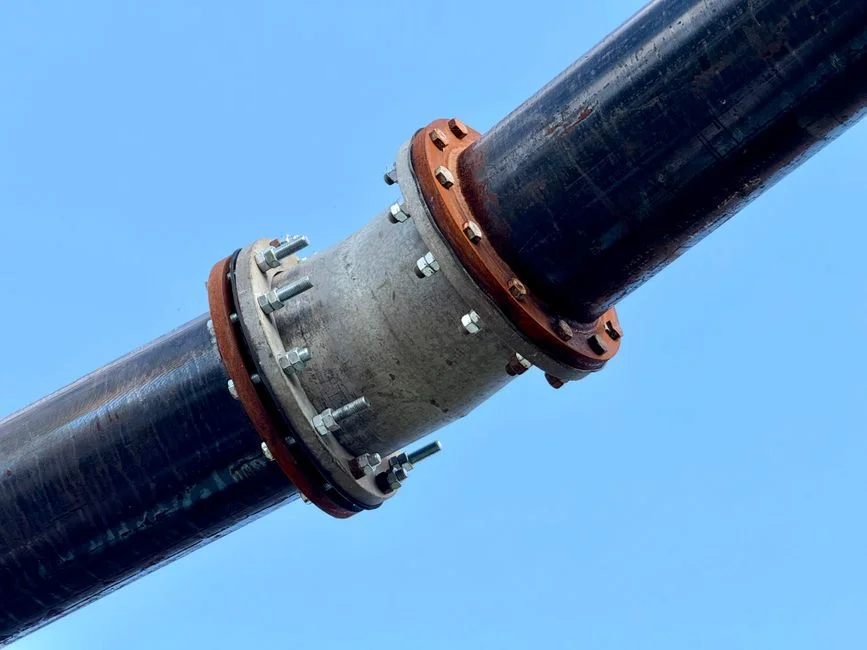
Burial can reduce visual impact but adds civil, structural and access risks. For the WSZ route, confirm whether the unit can remain below grade with landscaping above or whether trailer mounting is relevant for temporary or mobile deployment. Those are the configurations described in the WSZ catalog; the installer still needs to demonstrate how the selected arrangement handles excavation, soil, groundwater, weather and maintenance.
Because the WSZ product is described as fully automated and requiring no operator, request a control-and-automation description, routine inspection access, sludge-removal plan, spare-parts list and start-up support. “No operator required” does not establish that no inspection, maintenance, residuals handling or corrective action is needed.
For an MBR, request the membrane-cleaning strategy, module-access arrangement, replacement considerations and controls. Submerged PVDF membranes introduce a different maintenance and renewal scope from a sedimentation-based package, even where both routes use biological treatment.
Ask the supplier to identify permits, discharge conditions and authority submissions as project deliverables. The supplied research does not establish a Guadalajara-specific permit list or numerical discharge limits. Those requirements must be confirmed with the relevant authority for the receiving point and project scale.
Odors, noise, visual impact, flood exposure and maintenance access should be treated as design inputs. A compact footprint does not resolve these risks. Process-control and supplier-selection questions are also addressed in the AI process-control supplier buyer’s guide, while the Colombo packaged-plant project guide provides a useful structure for identifying site constraints without supplying Guadalajara approval data.
Estimate Cost Without Comparing Incomplete Quotes
A comparable budget estimate requires every bidder to quote the same physical and commercial scope. Ask for separate figures for equipment, civil works, installation, electrical controls, commissioning, training, freight, taxes, performance testing, first-year consumables and maintenance. A lower equipment price may conceal a higher total installation or operating cost.
State the flow basis, treatment objective, wastewater characteristics, site conditions, receiving point, installation method and required inclusions in the request for quotation. Where the design basis remains incomplete, require assumptions and exclusions to be listed rather than concealed within the price.
Request a total-cost comparison covering routine operation, sludge handling, membrane or media replacement, energy use, inspections and eventual equipment replacement. No supported numerical cost range is available in the supplied research, so any Guadalajara estimate should be obtained through this procurement process rather than inferred from the product capacities.
Resource-recovery proposals should be evaluated on evidence. The InTechOpen chapter on constructed wetlands and microbial fuel cells and the 2022 Energies paper on phytoremediation provide research context; neither demonstrates that energy recovery will offset capital cost for a local project. For the broader Mexican compliance context, review Mexico wastewater compliance considerations without treating them as a domestic-sewage permit schedule.
| Cost element | Required quotation detail | Comparison control |
|---|---|---|
| Capital installation | Equipment, civil works, electrical controls, installation and commissioning | Use one defined project scope. |
| Performance | Acceptance test, treatment targets and guarantees | Apply the same design flow and wastewater basis. |
| Operation | Energy, sludge handling, inspections, consumables and maintenance | Compare the defined first-year operating scope. |
| Commercial | Freight, taxes, training, spare parts, warranty, schedule and replacement | Separate exclusions and future renewal assumptions. |
Issue a Supplier Shortlist and Technical RFQ
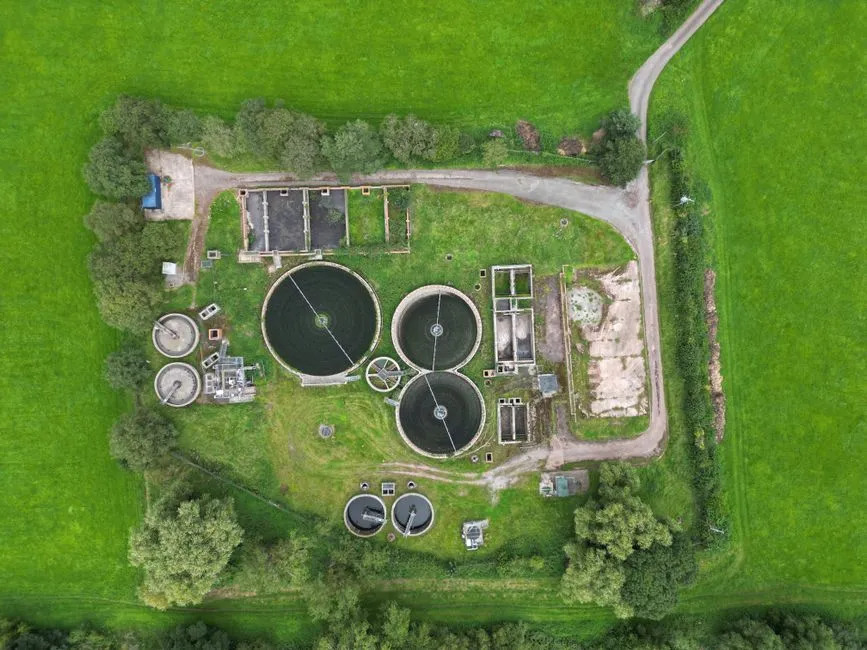
A technical request for quotation should ask each bidder for a process description, guaranteed design flow, process-stage list, effluent or reuse targets, footprint, power requirements, installation method, controls and maintenance schedule. It should also identify the wastewater and site conditions that would invalidate the proposed design basis.
Require documentary support for treatment-performance claims. Ask for commissioning acceptance tests, operator training, spare-parts lists, warranty terms, local service capability and a project-specific delivery lead time. Guarantees should identify the design flow, test method, sample location and remedy for nonconformance.
Evaluate WSZ and MBR proposals through the same project-input and quotation template rather than separate sales formats. Include a passive route only where its land, energy and maintenance assumptions fit the brief. The packaged MBR hotel buyer’s guide offers a useful structure for testing supplier claims, but the final shortlist must remain based on the Guadalajara project data.
Frequently Asked Questions
How much does domestic sewage treatment cost in Guadalajara?
The supplied research contains no reliable local price range. Require normalized quotations covering equipment, civil work, installation, controls, commissioning, training, sludge handling, maintenance, performance testing and guarantees. Compare each bid against the same flow basis, treatment objective and site scope.
Should I choose an underground A/O package plant or an MBR system for a Guadalajara project?
Choose an underground A/O package when compact burial and automated operation fit the brief; the WSZ catalog states 1–80 m³/h capacity. Consider an MBR where tighter solids separation or reuse-oriented treatment justifies its process and maintenance scope; the catalog states filtration below 1 μm, a claimed 60% smaller footprint and 10–2,000 m³/day capacity. Verify all three claims against project requirements and supporting documentation.
What size sewage treatment plant does a residential development in Guadalajara need?
No defensible universal size can be calculated without verified average and peak flows, wastewater characteristics, seasonal variation, future demand and the applicable discharge or reuse conditions. Provide those inputs and require the supplier to document sizing assumptions and redundancy.
Do I need permits for a packaged domestic sewage treatment plant in Guadalajara?
The approval route depends on the receiving point, project scale and current authority requirements. The supplied research provides no verified Guadalajara permit schedule. Ask the supplier to identify proposed approvals and submissions, then confirm them directly with the responsible authority.
How long does it take to deliver an underground package sewage treatment plant?
No supported delivery period is available in the supplied research. Require a project-specific lead time that accounts for equipment manufacture, civil works, controls, commissioning, training and any authority submissions, with dependencies and delay responsibility stated in the offer.