Delaware Industrial Wastewater Regulations: Permits, Limits, and Compliance Deadlines
Delaware's industrial wastewater regulations require facilities to adhere to federal categorical limits and Delaware-specific local limits. For example, discharges impacting the Chesapeake Bay watershed are subject to a 10 mg/L total phosphorus limit, while inland waters have an 8 mg/L nitrogen limit. The Department of Natural Resources and Environmental Control (DNREC), the Delaware County Regional Water Quality Control Authority (DELCORA), and New Castle County’s pretreatment programs enforce these regulations. Facilities must obtain necessary permits, including DNREC Construction Permits, which require submission 90 days before construction begins, and DELCORA Wastewater Discharge Permits, which can take 90–180 days to process. New Castle County's Industrial Waste Pretreatment Program enforces federal standards and local limits for discharges entering municipal systems.
| Regulatory Body | Permit Type | Typical Discharge Limits (Delaware Specific Examples) | Notes |
|---|---|---|---|
| DNREC Division of Water | Construction Permit | N/A (Focus on facility design and construction) | Required for new or modified treatment facilities. |
| DNREC Division of Water | Operation Permit | N/A (Focus on operational compliance) | For existing facilities to ensure ongoing compliance. |
| DNREC Division of Water | General Permit | Varies by industry | For low-risk industries. |
| DELCORA | Wastewater Discharge Permit | BOD: Varies; TSS: Varies; FOG: Varies; Heavy Metals: Specific limits | For Significant Industrial Users (SIUs). |
| New Castle County Pretreatment Program | Industrial Waste Discharge Permit | Copper: 5 mg/L; Mercury: 1 mg/L; Cyanide: Varies | Enforces federal and local limits before discharge to municipal sewers. |
| DNREC (Chesapeake Bay Watershed) | Phosphorus Limit | Total Phosphorus: 10 mg/L | As per DNREC Regulation 7401. |
| DNREC (Inland Waters) | Nitrogen Limit | Total Nitrogen: 8 mg/L | As per DNREC Regulation 7401. |
Step-by-Step Guide to Delaware Wastewater Permit Applications: Documents, Fees, and Timelines
To secure wastewater permits in Delaware, facilities must gather necessary documentation, including detailed engineering plans, facility layout diagrams, and wastewater characterization data. Permit fees vary, with DNREC Construction Permits costing between $500–$1,500 and DELCORA discharge permits ranging from $1,000–$5,000. The application process involves submitting the required documents and paying the applicable fees. DNREC Construction Permits typically have a 90-day review timeline, while DELCORA discharge permits can take 120–180 days to process. Facilities must also be prepared for a public comment period and potential objections from environmental groups or other stakeholders.
Delaware Industrial Wastewater Treatment Technologies: DAF vs. MBR vs. Sedimentation for Compliance
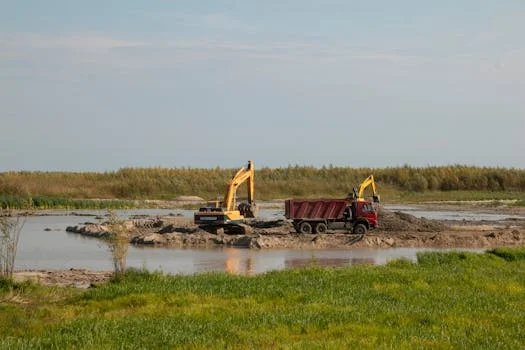
Facilities in Delaware must select the appropriate industrial wastewater treatment technology to achieve compliance with the state's discharge standards. Dissolved Air Flotation (DAF) systems are effective for removing Fats, Oils, and Grease (FOG) and suspended solids, making them suitable for food processing, metalworking, and petrochemical industries. Membrane Bioreactor (MBR) systems are ideal for high-BOD wastewater, commonly found in pharmaceutical and dairy operations. Sedimentation technologies, such as Lamella Clarifiers, offer a cost-effective solution for industries with lower FOG content, like textiles and pulp & paper. Delaware-specific considerations, such as the need for additional disinfection steps to meet DELCORA's fecal coliform limit, are critical in selecting the appropriate treatment technology.
| Technology | Primary Application | Typical Efficiency (FOG / TSS / BOD) | Chemical Dosing Needs | Footprint | Energy Consumption (kWh/m³) | Delaware Compliance Considerations |
|---|---|---|---|---|---|---|
| DAF (Dissolved Air Flotation) | Food processing, Metalworking, Petrochemical | 95-99% / 90-95% / Moderate | Coagulants (e.g., PAC): 50-100 ppm | Medium | 0.5 - 1.0 | Effective for FOG and TSS mandates. |
| MBR (Membrane Bioreactor) | Pharmaceuticals, Dairy, High-BOD | High BOD/TSS Removal (<10 mg/L BOD, <5 mg/L TSS) | Nutrients (if biological) | Small (30-50% smaller than conventional) | 1.2 - 2.0 | May require post-disinfection for fecal coliform (<200 CFU/100mL). |
| Sedimentation (Lamella Clarifiers) | Textiles, Pulp & Paper, Low-FOG | 60-80% TSS / Low BOD | Flocculants | Large | 0.2 - 0.5 | Cost-effective for basic solids removal. |
Cost Breakdown for Industrial Wastewater Treatment in Delaware: Permits, Equipment, and Operations
Budgeting for industrial wastewater treatment in Delaware involves considering various costs, including permit fees, equipment purchases, and operational expenses. Permit costs range from $500 to $5,000 for initial applications, with annual renewal fees between $200 and $1,000. Equipment costs vary significantly by technology, with DAF systems ranging from $80,000 to $300,000, MBR systems from $150,000 to $500,000, and sedimentation systems from $50,000 to $200,000. Operational costs include chemical dosing, energy consumption, and sludge disposal, which can add up to $0.50–$2.00 per cubic meter of wastewater treated. Facilities must also consider Delaware-specific compliance costs, such as nutrient removal upgrades, which can incur additional capital and operational costs.
| Cost Category | Estimated Range (USD) | Notes |
|---|---|---|
| Permit Application Fees (DNREC/DELCORA) | $500 - $5,000 | Scales with facility size and complexity. |
| Annual Permit Renewal Fees | $200 - $1,000 | Ongoing compliance cost. |
| DAF System Equipment | $80,000 - $300,000 | Dependent on capacity and features. |
| MBR System Equipment | $150,000 - $500,000 | Higher initial cost for advanced treatment. |
| Sedimentation System Equipment | $50,000 - $200,000 | Cost-effective for basic solids removal. |
| Chemical Dosing (Operational) | $0.50 - $2.00 / m³ | Includes coagulants, flocculants, disinfectants. |
| Energy Consumption (Operational) | $0.10 - $0.50 / m³ | Varies by technology and operational load. |
| Sludge Disposal | $100 - $300 / ton | Higher for hazardous waste; depends on local disposal rates. |
| Nutrient Removal Upgrades (Delaware Specific) | $5,000 - $20,000+ annually | For Chesapeake Bay watershed compliance. |
Case Study: Delaware Food Processing Plant Achieves Compliance with DAF System
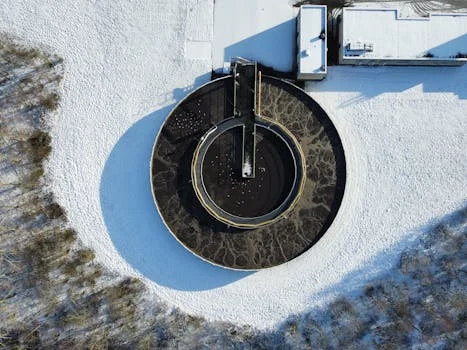
A Delaware food processing plant implemented a DAF system to meet DELCORA discharge standards. The system achieved over 98% FOG removal and 92% TSS removal, bringing the facility's effluent within permissible limits. This upgrade resulted in a 40% reduction in chemical costs and qualified the facility for Delaware's Water Infrastructure Improvement Loan program. Key lessons learned from this project include the importance of pre-treatment pH adjustment and comprehensive operator training.
Frequently Asked Questions
What are the primary regulatory bodies for industrial wastewater in Delaware?
The main bodies are the Delaware Department of Natural Resources and Environmental Control (DNREC), the Delaware County Regional Water Quality Control Authority (DELCORA), and New Castle County’s Industrial Waste Pretreatment Program.
How long does it typically take to get a DELCORA Wastewater Discharge Permit?
DELCORA discharge permits usually take between 120 to 180 days to process, including a public comment period.
What are the key differences between DAF and MBR systems for Delaware facilities?
DAF systems are best for FOG and TSS removal, while MBR systems are ideal for high-BOD wastewater, offering superior effluent quality.
Are there specific limits for phosphorus and nitrogen in Delaware wastewater discharges?
Yes, discharges impacting the Chesapeake Bay watershed are limited to 10 mg/L of total phosphorus, and inland waters have an 8 mg/L limit for total nitrogen.
What are typical operational costs for industrial wastewater treatment in Delaware?
Operational costs include chemical dosing, energy consumption, and sludge disposal, varying by treatment technology used.
Can I reuse treated industrial wastewater in Delaware?
Yes, treated wastewater can be reused for non-potable purposes, reducing overall water purchase costs.
Related Equipment
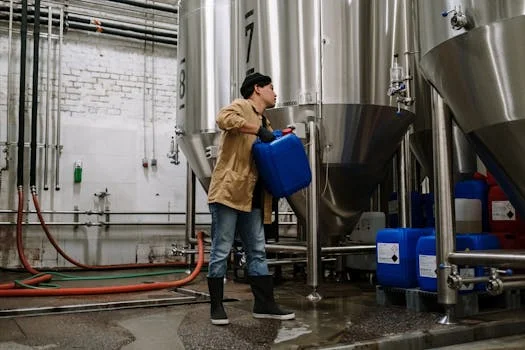
The following HydropureWater products are engineered for the wastewater challenges discussed above:
- Delaware-compliant DAF systems for FOG and TSS removal — view specifications, capacity range, and technical data
- MBR systems for high-BOD industrial wastewater in Delaware — view specifications, capacity range, and technical data
- Cost-effective sedimentation for Delaware textile and paper mills — view specifications, capacity range, and technical data
- DELCORA-compliant disinfection for Delaware industrial effluent — view specifications, capacity range, and technical data
Need a customized solution? Request a free quote with your specific flow rate and pollutant parameters.
Further Reading
Explore these in-depth articles on related wastewater treatment topics: