Bukhara's Industrial Wastewater Challenges in 2025
Bukhara's industrial sector is at a critical juncture, facing stringent new environmental regulations set to take effect in 2025. These regulations, particularly concerning wastewater discharge limits, are compelling local industries to re-evaluate and upgrade their treatment infrastructure. The World Bank-funded upgrade of the municipal wastewater treatment plant (WWTP) with a capacity of 50–200 thousand m³/day, while a significant step forward for the city's overall sanitation, does not absolve individual industrial facilities from their responsibility to pretreat their wastewater. HydropureWater's expertise in industrial wastewater treatment offers tailored solutions for Bukhara's key sectors: textile, gas, and food processing, addressing their unique effluent characteristics and compliance demands. This guide will provide sector-specific technical specifications, cost benchmarks for equipment such as dissolved air flotation (DAF) and membrane bioreactors (MBR), and essential compliance information to navigate the evolving regulatory landscape.
| Industry | Typical Volume Range (m³/day per facility) | Key Pollutants | Typical COD (mg/L) | Typical BOD (mg/L) | Typical TSS (mg/L) |
|---|---|---|---|---|---|
| Textile | 50–500 | Dyes, heavy metals, fibers, surfactants, high salinity | 800–1,500 | 200–500 | 100–300 |
| Gas Processing | 30–70 (small plants) | Soluble organics (BTEX, phenols), oils, hydrocarbons | 500–1,200 | 100–300 | 50–150 |
| Food Processing (e.g., Halal Meat) | 100–800 | FOG (Fats, Oils, Grease), suspended solids, high organic load, nutrients | 1,000–3,000 | 1,200–3,000 | 150–400 |
Uzbekistan's Ministry of Ecology has outlined ambitious 2025 discharge limits, including COD below 120 mg/L, BOD below 25 mg/L, and Total Suspended Solids (TSS) below 30 mg/L for industrial effluents. These are significantly tighter than previous standards and necessitate advanced treatment technologies. While the World Bank's $120 million investment in the municipal WWTP is substantial, it's crucial to understand that this project primarily focuses on domestic sewage. Industrial facilities are expected to implement their own pretreatment systems to meet these new regulations, often leading to a misconception that broader funding covers all industrial needs. This guide aims to clarify these distinctions and empower Bukhara's industrial managers with the technical and financial data required for effective wastewater management.
Treatment Technologies for Bukhara's Industrial Effluents
Selecting the appropriate wastewater treatment technology is paramount for achieving compliance with Uzbekistan's 2025 discharge limits, especially considering the diverse pollutant profiles of Bukhara's key industries. Each technology offers distinct advantages and is suited for specific effluent types.
| Technology | Primary Application in Bukhara | Key Pollutant Removal Efficiency | Typical Footprint | Estimated OPEX (USD/m³) | Considerations for Bukhara |
|---|---|---|---|---|---|
| Dissolved Air Flotation (DAF) | Textile (dyes, fibers), Food Processing (FOG) | TSS: 90–98% COD: 60–80% FOG: 80–95% |
Medium | $0.10–$0.20 | Effective for high TSS and FOG. Requires chemical coagulants/flocculants. |
| Membrane Bioreactors (MBR) | Gas Industry (soluble organics), High BOD effluents | COD: 90–98% BOD: 95–99% Pathogens: 95–99% |
Small | $0.30–$0.50 | Excellent effluent quality. Higher energy consumption, sensitive to fouling. Cooling may be needed in summer. |
| Chemical Treatment (e.g., Oxidation) | Gas Industry (phenol removal), specific pollutant destruction | Phenols: >95% Specific organics: Variable |
Small | $0.25–$0.40 | Essential for recalcitrant compounds like phenols. Requires careful dosing and monitoring. Ozone is often preferred in high temperatures. |
| Biotechnology (Enzymatic/Microbial) | Textile (dye degradation) | Dye removal: Variable (50-90%) | Medium to Large | $0.15–$0.30 | Can be effective for specific dye types. Local research at Bukhara State University shows promise for microbial degradation of textile dyes (Bukhara State University, 2023 study). |
Dissolved Air Flotation (DAF) systems, such as HydropureWater's, are highly effective for textile wastewater, removing a significant portion of suspended solids, fibers, and dyes, as well as for food processing plants to manage Fats, Oils, and Grease (FOG). For the gas industry, which often deals with soluble organic compounds like BTEX and phenols, Membrane Bioreactors (MBR) offer superior effluent quality due to their advanced biological treatment and membrane filtration capabilities. Chemical treatment, including oxidation processes like ozonation or chlorine dioxide generation, is often a necessary component for the gas sector to break down recalcitrant organic pollutants. HydropureWater's automatic chemical dosing systems provide precise control for these processes. Pretreatment, including robust screening using systems like the GX Series bar screens to remove larger solids and pH adjustment via PLC-controlled chemical dosing systems, is a prerequisite for all industrial wastewater treatment processes to protect downstream equipment and optimize treatment efficiency.
Cost Benchmarks for Industrial Wastewater Treatment in Bukhara
Procurement decisions in Bukhara are heavily influenced by capital expenditure (CAPEX), operational expenditure (OPEX), and the potential return on investment (ROI). Understanding these cost components is crucial for budgeting and securing management approval for wastewater treatment projects. HydropureWater provides cost benchmarks based on typical project scales and technology choices relevant to Bukhara's industrial landscape.
| Technology | Estimated CAPEX (USD/m³/day) | Estimated OPEX (USD/m³) | Typical Payback Period (Years) |
|---|---|---|---|
| DAF System (including chemicals) | $80–$120 | $0.10–$0.20 | 3–5 (Textile) |
| MBR System (including energy) | $150–$250 | $0.30–$0.50 | 5–7 (Gas/High BOD) |
| Chemical Dosing System (for oxidation) | $30–$50 | $0.25–$0.40 | N/A (often part of a larger system) |
| Pretreatment (Screening, pH adjustment) | $20–$40 | $0.05–$0.10 | N/A (essential for all systems) |
Capital expenditure (CAPEX) for DAF systems typically ranges from $80 to $120 per cubic meter per day of capacity, while MBR systems, offering higher treatment efficacy, can range from $150 to $250 per m³/day. Chemical dosing systems for specific pollutant removal are generally more affordable at $30 to $50 per m³/day. Installation costs can add an additional 20–30% to the equipment price. Operational expenditure (OPEX) for DAF is estimated at $0.10–$0.20/m³, whereas MBR systems can be higher at $0.30–$0.50/m³ due to increased energy consumption and membrane maintenance. It's important to note that MBR energy costs can be up to 30% higher in Bukhara's hot climate, potentially requiring additional cooling measures. The ROI for these investments is primarily driven by avoiding penalties for non-compliance with Uzbekistan's 2025 discharge limits, which can range from $500 to $2,000 per violation. For textile factories, a payback period of 3–5 years is achievable, while gas plants may see a 5–7 year payback. While direct World Bank funding for individual industrial pretreatment is limited, facilities can explore partnership opportunities with municipal WWTP upgrades as outlined in the ECG's 2024 guidelines for shared pretreatment infrastructure. Hidden costs include permitting fees ($5,000–$15,000), operator training ($2,000–$5,000), and sludge disposal according to Uzbekistan regulations ($0.05–$0.10/kg).
Uzbekistan Compliance: Permitting, Discharge Limits, and Inspections
Navigating Uzbekistan's environmental regulations is a critical step for any industrial facility in Bukhara. The permitting process, discharge limits, and inspection protocols are designed to ensure compliance with national environmental standards. Understanding these requirements can prevent costly fines and operational disruptions.
- Permitting Process: Obtaining environmental permits in Uzbekistan typically involves a timeline of 6 to 12 months. Essential documents include an Environmental Impact Assessment (EIA), an Operation and Maintenance (O&M) manual for the treatment system, and chemical safety data sheets. Common delays can arise from incomplete applications or a lack of necessary local approvals from Bukhara's Ecology Department.
- Sector-Specific Discharge Limits (2025):
- Textile Industry: COD < 120 mg/L, BOD < 25 mg/L, TSS < 30 mg/L. Stricter limits on heavy metals are also anticipated.
- Gas Industry: Phenols < 0.1 mg/L, COD < 120 mg/L.
- Food Processing: BOD < 25 mg/L, TSS < 30 mg/L, FOG < 10 mg/L.
- Inspection Frequency: Industrial facilities are subject to quarterly inspections, while larger WWTPs (over 500 m³/day) face monthly scrutiny. Inspections focus on chemical storage, operational logs, sludge disposal records, and overall system performance.
- Penalties: Non-compliance can result in penalties ranging from $500 to $2,000 per violation. Repeat offenses or severe environmental damage can lead to facility shutdown. A notable crackdown on textile factories for non-compliance occurred in 2024, highlighting the increased enforcement.
- Compliance Tools: For facilities treating over 100 m³/day, automatic samplers are mandatory. Online monitoring systems for parameters like pH and COD are highly recommended, particularly for gas plants, to ensure continuous compliance and enable prompt corrective actions. For specific chemical control, a chlorine dioxide generator can be a valuable tool.
Case Study: Textile Factory in Bukhara Upgrades to DAF System
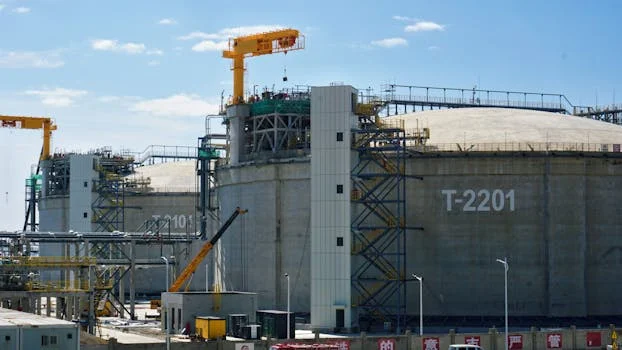
A prominent textile manufacturing facility in Bukhara was struggling to meet Uzbekistan's increasingly stringent wastewater discharge regulations. The factory's influent wastewater consistently exhibited high levels of COD (averaging 1,200 mg/L) and TSS, resulting in an effluent that often exceeded 300 mg/L COD and significant fines of approximately $1,500 per month. The effluent was characterized by vibrant dye residues, textile fibers, and high turbidity.
To address this challenge, HydropureWater recommended and installed a DAF-50 system with a capacity of 50 m³/h. This solution was integrated with an automatic chemical dosing system for optimal coagulant and flocculant application, and upstream pretreatment using a GX Series bar screen to remove fibers and other solids. Post-treatment included a chlorine dioxide disinfection stage. The implementation of this comprehensive system dramatically improved effluent quality. The DAF system achieved an average COD removal rate of 92%, bringing the effluent COD down to 96 mg/L, and a TSS removal rate of 98%. The total CAPEX for this upgrade was $120,000, with OPEX stabilizing at $0.15/m³. The facility projected a payback period of just 3.2 years, primarily through avoiding penalties and improving its environmental standing. A key lesson learned during the project was the critical importance of thorough operator training, as incorrect polymer dosing can significantly impact DAF performance. HydropureWater's local service support network in Bukhara was instrumental in ensuring smooth operation and rapid issue resolution.
Frequently Asked Questions
What are the 2025 discharge limits for industrial wastewater in Bukhara?
For textile factories, the limits are COD < 120 mg/L, BOD < 25 mg/L, and TSS < 30 mg/L. For the gas industry, key limits include phenols < 0.1 mg/L and COD < 120 mg/L.
How much does a DAF system cost for a 100 m³/day textile factory in Bukhara?
The estimated CAPEX for a DAF system of this size, including installation and initial training, would be between $80,000 and $120,000. OPEX is projected to be $0.10–$0.20 per cubic meter.
What pretreatment is required for MBR systems in Bukhara's climate?
MBR systems in Bukhara require effective screening for fibers and rags, pH adjustment for textile effluents, and consideration for cooling systems during summer months when ambient temperatures can exceed 40°C to maintain optimal biological process performance.
Can industrial facilities in Bukhara access World Bank funding for wastewater treatment?
Direct funding for individual industrial pretreatment systems from the World Bank is generally not available. However, industrial facilities may be able to partner with municipal WWTP upgrade projects for shared pretreatment infrastructure, as detailed in the ECG's 2024 guidelines.
What are the penalties for non-compliance with Uzbekistan's wastewater regulations?
Penalties typically range from $500 to $2,000 per violation. Repeated offenses or significant environmental damage can lead to facility shutdown. The increased enforcement, exemplified by the 2024 crackdowns on textile factories, underscores the importance of compliance.
Related Equipment
The following HydropureWater products are engineered for the wastewater challenges discussed above:
- DAF systems for textile and food processing effluents — view specifications, capacity range, and technical data
- MBR systems for gas industry soluble organics and high-BOD effluents — view specifications, capacity range, and technical data
Need a customized solution? Request a free quote with your specific flow rate and pollutant parameters.