Why Rural Sewage Treatment Needs a Different Design
Rural sewage treatment in Uganda requires a decentralized system matched to the wastewater source, seasonal flow, solids loading, site conditions and local maintenance capacity. A buried A/O package plant may suit a compact settlement or remote facility, while a membrane bioreactor may be appropriate where solids separation and treatment control are priorities. Neither should be selected from population alone. The design must also establish who will operate the plant, remove sludge, monitor effluent and respond to failures. This is a practical application of decentralized domestic sewage treatment planning, adapted to Ugandan site and governance conditions.
More than 80% of Uganda’s population lives in rural areas, and 76% of the rural population receives water from a point water source, according to The Commons Journal study Challenging pathways to safe water access in rural Uganda. A protected borehole, shallow well, gravity-flow source or protected spring addresses water access, but it does not provide sewage collection, treatment, discharge management or fecal-sludge handling. A rural sanitation project must therefore be designed as a service chain rather than as a single treatment asset.
The same study reports that operation, maintenance and sustaining infrastructure account for over 50% of rural water-source non-functionality. Although that finding concerns water sources rather than sewage plants, it establishes the relevant planning principle: long-term performance depends on an operating model, not installation alone. Before selecting a process, determine whether the project serves a compact settlement, school, health facility, hotel, farm or dispersed households. That decision establishes the wastewater sources, collection arrangement, available land, expected service arrangements and technical support that the treatment design must accommodate.
What the Existing Ugandan Treatment Evidence Shows
Historical Ugandan evidence identifies risks in discharge performance, but it does not establish a universal removal standard for a new rural facility. In 2012, around 90% of collected Kampala wastewater was discharged without treatment, while NWSC operated 21 sewage stabilization ponds in smaller towns, as reported by Water supply and sanitation in Uganda. The same source records that an MWE analysis conducted in July 2008 covered 223 municipal-effluent data sets: 12% complied with biochemical oxygen demand standards, 26% with phosphorus standards and 40% with total suspended solids standards. These historical results indicate a compliance and operation risk, not current acceptance criteria for a 2026 procurement.
A 2026 Research Square study, Microplastic characterization and removal efficiency in wastewater treatment plants with diverse influent sources in Uganda, also remains a preprint and had not been peer reviewed by a journal when posted. It compared two facilities with materially different influents. Lubigi handles piped sewage and fecal sludge from private cesspools through stabilization ponds. Bugolobi mainly treats domestic wastewater from septic tanks and surface runoff through physical, chemical and biological processes.
| Evidence item | Reported scope | What a buyer can use it for |
|---|---|---|
| July 2008 MWE analysis | 223 municipal-effluent data sets: 12% met the BOD standard, 26% the phosphorus standard and 40% the TSS standard | Historical warning about effluent control and monitoring; not a current rural discharge limit |
| Lubigi microplastic study | Piped sewage plus private-cesspool fecal sludge; 74 ± 23% microplastic removal | Evidence that mixed and high-solids influent can change treatment performance |
| Bugolobi microplastic study | Mainly septic-tank domestic wastewater and surface runoff; 83 ± 2.8% microplastic removal | Evidence that process configuration and influent composition must be considered together |
The reported efficiencies concern microplastics only. They must not be presented as bulk BOD, nutrient or solids-removal performance, nor as guarantees for a package plant or MBR. The more useful procurement lesson is that source mix and process train interact: facilities handling fecal sludge require robust screening and solids management, while plants receiving surface runoff need a different hydraulic and solids design basis. A packaged sewage treatment plant guide can support option screening, but the design basis must remain site-specific.
Choose the Treatment Process from the Wastewater
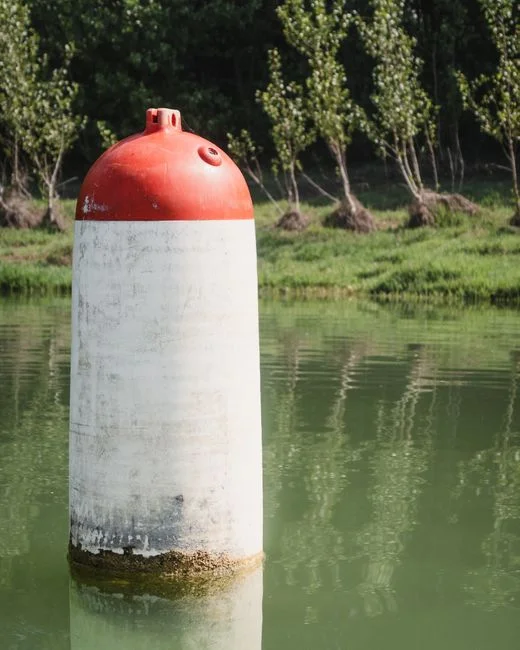
Process selection should follow the wastewater and receiving environment, not a preferred equipment catalogue. Begin with a source survey that distinguishes domestic sewage, pit-latrine fecal sludge, septic-tank liquor, surface runoff, agricultural wastewater and industrial process water. Do not combine these streams in a design calculation without checking their hydraulic loads, solids concentrations, treatment requirements and potential contaminants.
The treatment path then becomes clearer. Depending on the source, the project may require screening or solids removal, flow equalization, biological treatment, solids separation, disinfection, effluent handling and a defined sludge route. A rotary mechanical bar screen may be relevant where gross solids or fecal-sludge inputs require protection of downstream equipment, but the need must be established through the influent survey.
| Selection step | Required evidence | Decision consequence |
|---|---|---|
| Separate wastewater sources | Source type, connection arrangement, emptying practice, runoff entry and contaminants | Determines pretreatment, hydraulic design and process compatibility |
| Define the treatment train | Flow and solids data, biological suitability, separation needs and disinfection requirements | Prevents an equipment unit from being treated as the whole facility |
| Assess the outlet | Receiving water, expected discharge flow, dilution conditions, nearby water sources and applicable authority | Sets the discharge concept and monitoring basis |
| Confirm solids management | Sludge source, removal frequency, storage, transport and final use or disposal | Prevents accumulated solids from becoming an O&M failure point |
The underground A/O package sewage treatment plant combines anoxic/aerobic biological contact oxidation, sedimentation and disinfection in one buried package unit. The HydropureWater verified product catalog states a capacity range of 1–80 m³/h and fully automated operation without an operator present.
The submerged PVDF membrane bioreactor combines activated sludge with membrane filtration. The product catalog states a range of 10–2,000 m³/day and effluent filtration below 1 μm. These are product configuration and screening claims, not site-specific compliance findings. Final selection requires a design flow, wastewater characterization, process calculations and assessment against the applicable discharge requirement. Where solids retention is critical, regular solids removal must be included rather than treating the biological stage as a permanent solids store.
Compare a Buried Package Plant with an MBR System
The buried package plant and MBR differ most in process architecture and operating requirements, not simply in equipment price. The WSZ integrates A/O contact oxidation, sedimentation and disinfection in a buried unit rated at 1–80 m³/h, with fully automated operation according to the HydropureWater verified product catalog. The MBR uses activated sludge and submerged PVDF membranes, is offered at 10–2,000 m³/day, and its product catalog claims a 60% smaller footprint than conventional systems. The footprint claim is a supplier product claim and requires project-specific verification.
| Decision issue | Buried WSZ package plant | MBR system |
|---|---|---|
| Process configuration | Integrated A/O contact oxidation, sedimentation and disinfection | Activated sludge with submerged PVDF membrane filtration |
| Stated screening range | 1–80 m³/h | 10–2,000 m³/day |
| Installation | Buried installation with landscaping above the unit | Compact process equipment; layout depends on the selected system and civil works |
| Operational focus | Access for inspection, biological operation, solids removal and maintenance | Access for membrane maintenance, aeration, controls and sludge management |
| Main buyer checks | Burial depth, groundwater, floods, soil, access covers, odor and outfall arrangement | Power reliability, aeration demand, membrane maintenance, operator capability and replacement provisions |
Choose a package architecture when the project needs an integrated, compact and buried installation within the stated WSZ screening range. Its limited surface footprint does not remove the need for access covers, maintenance routes and sludge-removal logistics. Where installation depth conflicts with groundwater, flood levels or soil conditions, civil feasibility may outweigh surface-area savings.
Choose an MBR when membrane solids separation and the stated capacity range align with the verified design, available operating capability and maintenance plan. Membrane separation can reduce reliance on conventional clarification, but the buyer must account for aeration, power, membrane cleaning or replacement, controls and specialist support. The packaged MBR selection guide provides a useful MBR-specific reference.
The supplied research contains no comparable installed-cost, consumable-cost, operator-skill or lifecycle-cost data for Uganda. A defensible commercial comparison therefore requires supplier quotations, energy assumptions, local O&M pricing and site-specific civil works. Compare complete systems over the same scope rather than comparing equipment-only quotations.
Size the Project from Verified Site Data
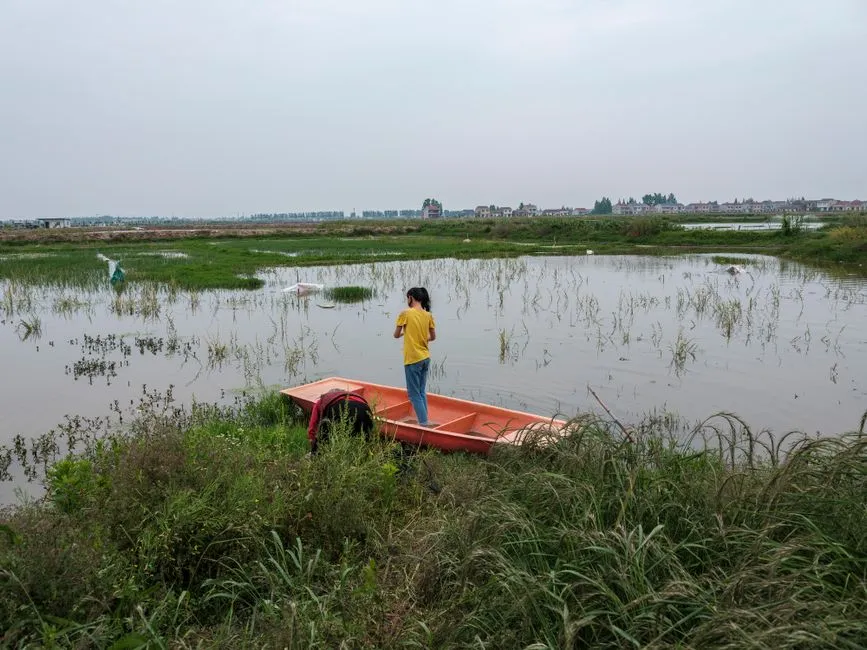
Final sizing must come from verified site data rather than a headline population estimate. A supplier’s capacity range is a screening tool; it does not replace a design flow, peak-flow assessment and wastewater characterization.
| Data package | Items to collect | Why it affects procurement |
|---|---|---|
| Wastewater inventory | Connected households and facilities; pit-latrine and septic-tank emptying arrangements; stormwater entry; industrial or agricultural discharges | Defines the treatment train and whether pretreatment is required |
| Hydraulic survey | Daily flow, seasonal variation, peak-flow conditions, flow-monitoring records, service hours and infiltration | Establishes design and peak-flow conditions |
| Wastewater characterization | Representative BOD, suspended solids, total suspended solids, pH, nutrients and relevant contaminants | Confirms biological suitability and solids-management needs |
| Receiving environment | Expected discharge flow, dilution conditions, nearby water sources and the relevant regulator or environmental authority | Sets discharge, monitoring and compliance obligations |
| Site and utilities | Burial depth, groundwater, soil, flood exposure, access cover, construction route, odor, noise, power and gravity-outfall or pumping requirements | Determines civil scope, construction feasibility and utility requirements |
Representative sampling should reflect normal, seasonal and high-strength conditions, including the periods when fecal sludge is delivered or runoff enters the system. A single sample cannot support a defensible process design. The buyer should also record how flow and water demand will be managed before connections are made, because uncontrolled stormwater or emptying discharges can overwhelm both biological and membrane stages.
Use the WSZ at 1–80 m³/h and the MBR at 10–2,000 m³/day only as screening ranges, based on the HydropureWater verified product catalog. The selected train must then be checked against the design flow, peak condition, wastewater strength, installation constraints and receiving requirement. A supplier’s preliminary selection should be followed by a documented engineering review; this is particularly important where sludge dewatering equipment or a mechanical pretreatment stage forms part of the wider project.
Build an O&M and Effluent-Monitoring Plan Before Delivery
A treatment plant should not be accepted until its operating responsibility and monitoring plan are defined. Assign named responsibilities for routine inspection, biological-process control, solids removal, sampling, laboratory coordination, spare parts, power-loss response and process upset. Identify who provides access, which response time the supplier commits to, and how local operators will be trained. Automation does not remove the need for scheduled inspection or a documented escalation route.
Define the sludge-management route for both package-plant and MBR systems. The plan should cover removal from the treatment unit, containment, transport and final disposal or use. If desludging is contracted, specify the service frequency, receiving site and evidence required from the operator. Access for tank emptying, screening maintenance and sludge collection must be available even where the main process equipment is buried.
Effluent monitoring should be tied to the project-specific permit and receiving-environment requirement. The supplied research does not provide a current national numerical discharge limit for rural Uganda, so the buyer should obtain the applicable requirement from the responsible authority rather than adopting a historical value. The July 2008 MWE results—12% of 223 data sets meeting the BOD standard, 26% meeting the phosphorus standard and 40% meeting the TSS standard—are a historical risk signal, not a current benchmark.
Commissioning should verify hydraulic stability, biological startup, solids capture, disinfection, odor, noise, effluent sampling and operator training. The acceptance protocol should define what happens if the process does not meet the agreed performance criteria. For fecal-sludge or high-solids inputs, use suitable pretreatment or screening to protect downstream biological and membrane stages. The Lubigi influent mix in the 2026 Research Square preprint demonstrates why the actual waste stream must define the treatment path.
Include O&M tasks, inspection frequency, responsible personnel, consumables, sludge handling, monitoring and power contingencies in the contractual scope. A lower quotation is not meaningful if it leaves sludge disposal, operator training, laboratory analysis or emergency support outside the contract.
Procurement Checklist for a Rural Uganda Project
Comparable bids require bidders to use the same design basis and disclose their assumptions. Ask each supplier to state the design flow, wastewater basis, process flow diagram, treatment capacity, footprint, power and utility requirements, installation method, civil interfaces and commissioning deliverables. Request the complete treatment train, including pretreatment, biological treatment, separation, disinfection, sludge handling and the effluent pumping or gravity-outfall arrangement.
| Bid component | Information to request | Why it matters |
|---|---|---|
| Design basis | Flow, peak condition, wastewater characterization, site constraints and receiving environment | Prevents quotations based on different assumptions |
| Technical scope | Process train, drawings, civil works, utilities, installation, controls and exclusions | Enables like-for-like comparison |
| O&M and performance | Commissioning protocol, operator training, monitoring plan, troubleshooting responsibility and support | Connects delivery to sustained operation |
| Commercial assurance | Warranty, reference projects under comparable conditions, spare-parts availability and service arrangements | Tests deliverability rather than factory capacity alone |
| Lifecycle scope | Energy, chemicals, media or membrane replacement, sludge handling, inspections and operator time | Exposes operating commitments omitted from equipment-only prices |
Require evidence of relevant operating experience and references under comparable wastewater and site conditions, rather than relying only on laboratory performance. Ask bidders to identify design assumptions, exclusions, civil interfaces, construction sequence and delivery conditions. The WSZ package configuration and submerged PVDF membrane bioreactor can be evaluated against this common checklist. Any required valves, filter media or other treatment parts should be quoted against the confirmed process design rather than added as unidentified allowances.
Frequently Asked Questions
Which capacity should be selected for a rural Uganda treatment project?
The WSZ is screened at 1–80 m³/h, while the MBR is screened at 10–2,000 m³/day, based on the HydropureWater verified product catalog. Neither rating replaces verified design flow, peak-flow assessment or wastewater characterization. Collect seasonal flow records, identify cesspool-emptying contributions and check runoff before issuing a final capacity schedule.
How should buyers compare cost when no Uganda project price is available?
The supplied research contains no defensible Uganda project price. Request complete-life-scope bids covering equipment, civil works, installation, power, chemicals, media or membranes, sludge disposal, monitoring, training and service, then compare them on the same assumptions. A capital-price comparison alone excludes several costs that can determine whether the plant remains operable.
What should be checked before selecting a treatment supplier?
Require a stated design basis, a complete treatment train, reference projects under comparable wastewater and site conditions, commissioning deliverables, operator training, warranty terms, and local spare-parts or technical support. Also verify that the proposed system can be maintained by the named O&M party rather than relying on remote supplier intervention alone.
How can a buyer manage effluent-compliance risk?
Identify the receiving environment and applicable regulator before selecting the discharge concept. The supplied sources do not establish a current universal rural discharge limit, and the July 2008 MWE results must not be used as one. Put permit-specific sampling, parameters, reporting, corrective-action duties and performance acceptance into the contract and commissioning plan.
When should a buried package plant be preferred to an MBR?
Prefer a package architecture when an integrated, buried installation within the WSZ screening range suits the verified flow and site constraints. Choose an MBR when membrane solids separation and its stated capacity range align with the design and O&M plan. The decision should also account for groundwater, flooding, access, power, aeration, membrane maintenance and the receiving environment; no price claim can substitute for that engineering assessment.