Why Kent Transportation Equipment Plants Face a DAF-vs-Clarifier Decision in 2026
Transportation equipment factories in the Kent, Washington industrial corridor generate wastewater that mixes light, floatable contaminants with heavy, settleable grit: machining coolants, tramp oils, phosphate-based cleaners, paint overspray, and metal fines from parts washing and machining. The City of Tacoma's Industrial Pretreatment Program, which regulates discharges to the sanitary sewer across much of the Kent industrial valley, sets local limits on FOG, TSS, metals, and pH; pretreatment equipment selection is therefore driven by compliance, not equipment preference.
The two competing separator families this guide compares are DAF clarifiers (dissolved air flotation clarifiers that lift contaminants on 30–50 micron microbubbles, per Clearwater Industries / SigmaDAF, 2026) and gravity or lamella sedimentation clarifiers (tank designs that use inclined plates to settle heavy solids, with surface loading rates of 20–40 m/h, per the HydropureWater lamella clarifier specification). For the Tacoma compliance envelope that applies to these discharges, see the Tacoma Industrial Pretreatment Program compliance guide for transportation equipment plants.
How a DAF System Treats Transportation Wastewater
A dissolved air flotation system clarifies oily wastewater by dissolving air under pressure and releasing it as 30–50 micron microbubbles that attach to oils, greases, and flocculated particles, lifting them to the surface where a paddle skimmer removes them; heavier grit settles into a bottom collection zone and is augered out (Clearwater Industries / SigmaDAF, 2026). Classical DAF saturators operate at up to approximately 5 atm (40–70 psig), which is the main driver of large DAF tank dimensions; modified whitewater systems reach close to 97% air saturation versus 65% or lower for older designs, because nitrogen's solubility in water is roughly half that of oxygen and nitrogen accumulation in the pressurization-tank headspace otherwise drags saturation efficiency down to about two-thirds of the oxygen-only case (Krzemieniewski academic review, Utah collections). Chemical conditioning is mandatory for performance: coagulants and flocculants enlarge particles so the microbubbles can contact them, mixed either in 15–45 second serpentine flocculation tubes or in longer-contact impeller mix tanks (Clearwater Industries / SigmaDAF, 2026). Standard construction is 304SS, with 316SS or polypropylene available for corrosive streams, and turnkey plug-and-play skids such as the COMPACT DAF (single-skid design for flows at or below 66 GPM, modular two-skid design above 66 GPM) integrate chemical dosing, sensors, and a PLC control panel that adjusts chemical dosing pumps, skimmer speed, and sludge discharge (Clearwater Industries / SigmaDAF, 2026). A HydropureWater DAF system follows the same process envelope.
How a Clarifier Treats the Same Stream
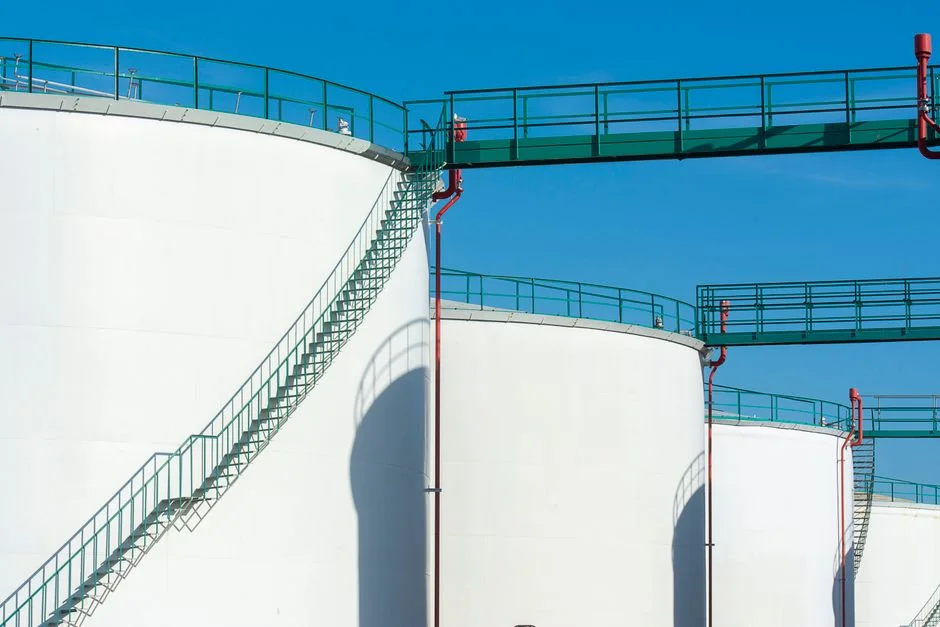
A conventional or lamella clarifier relies on gravity; inclined plates or tubes in a lamella design cut the effective settling distance and raise surface loading rates to 20–40 m/h while reducing chemical demand by up to 30% (HydropureWater lamella clarifier specification). Clarifiers excel on heavy, settleable solids such as metal fines and paint sludge, and they need no pressurized water, air saturation, or microbubble generation, which simplifies controls, startup, and ongoing operations. They are weaker on emulsified oils, light FOG, and low-specific-gravity particles — exactly the contaminant mix that DAF microbubbles capture and lift to the surface. A lamella clarifier still requires sludge handling downstream — typically a plate-and-frame filter press — to deliver a dry cake for disposal (HydropureWater plate-and-frame filter press specification). For plants whose stream is dominated by grit and metal fines rather than emulsified oil, a HydropureWater lamella clarifier is the lower-complexity choice.
DAF vs Clarifier: Side-by-Side Comparison
The trade-off between DAF and a lamella clarifier is not about which technology is "better" in the abstract; it is about which contaminant mix and operating envelope dominates a given Kent plant. The matrix below compresses the technical differences a buyer needs to weigh.
| Parameter | DAF (Clearwater / SigmaDAF, 2026; Krzemieniewski review) | Lamella / Sedimentation Clarifier (HydropureWater spec) |
|---|---|---|
| Target contaminants | Emulsified oil, FOG, light suspended solids, flocculated particles | Heavy settleable solids, metal fines, paint sludge, grit |
| TSS ceiling for efficient operation | Classical DAF loses efficiency above ~1% TSS (~10,000 mg/L); hybrid centrifugal-DAF designs extend this range (Krzemieniewski review) | Designed for high-solids settleable streams; tolerates the grit/paint sludge that defeats classical DAF |
| Hydraulic loading rate | 5–50 m/h (Krzemieniewski review) | 20–40 m/h (HydropureWater spec) |
| Footprint at same flow | Compact; modern hybrid designs run 10–20% of the footprint of a classical clarifier (Krzemieniewski review) | Larger tank area required for the same flow when stream is oily or low-specific-gravity |
| Chemical demand | Coagulation + flocculation mandatory; flocculation tubes or mix tanks required (Clearwater / SigmaDAF, 2026) | Lower polymer demand (up to 30% reduction per HydropureWater spec); flocculation still used but less critical |
| Energy / utilities | Recirculation pump, saturation system, pressurized air; clean-water startup required (Clearwater / SigmaDAF, 2026) | No saturation system, no pressurized water; gravity-only operation |
| Startup | Clean water must fill the unit before wastewater; dirty startup risks damaging the recirculation pump and air saturation system (Clearwater / SigmaDAF, 2026) | No clean-water startup step |
| Sludge handling | Floated FOG layer skimmed; bottom auger removes grit; downstream filter press still typical | Sludge collected at bottom; downstream filter press needed to produce dry cake |
For a Kent plant whose stream is dominated by emulsified machining coolant, parts-washer overflow, and paint-booth water, the DAF column wins on target contaminants, footprint, and hydraulic loading. For a plant whose stream is dominated by metal fines and paint sludge with little FOG, the clarifier column wins on chemical demand, energy use, and startup simplicity. For a stream that exceeds 1% suspended solids, neither classical unit is ideal, and a hybrid centrifugal-DAF design should be evaluated instead (Krzemieniewski review). The HydropureWater DAF system line includes the model families used to map these choices onto real flows.
Choosing the Right DAF Model for a Kent Plant
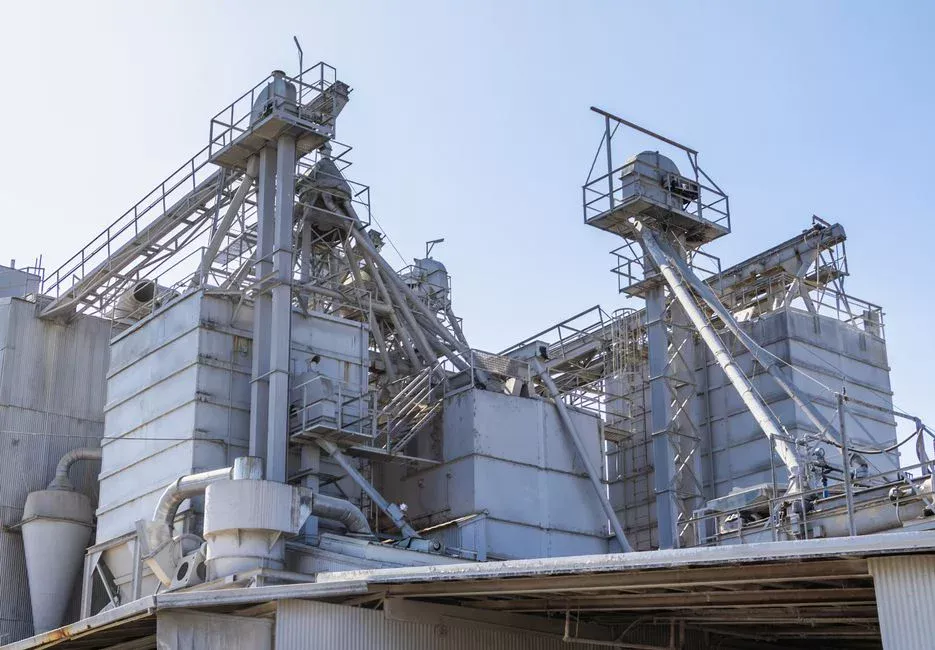
The Clearwater Industries / SigmaDAF (2026) model families map onto the Kent transportation equipment context as follows: the FPAC is a low-profile cross-flow separator with a large free surface area, designed for small-to-medium flows with very high solids and FOG loads; the FPBC is a high-profile separator with lamella plate technology, designed for low-to-medium solids including low-buoyancy particles; the FPHF combines cross-flow and countercurrent flow for optimized separation on large flows with medium-to-large solids; and the COMPACT DAF is a pre-assembled turnkey skid with chemical conditioning equipment, a DAF clarifier, sensors, instruments, and a PLC control panel, handling flows at or below 66 GPM as a single skid and modular two-skid designs above 66 GPM (Clearwater Industries / SigmaDAF, 2026). For most Kent plants with intermittent flow and limited floor space, the COMPACT DAF or a skid-mounted FPHF is the most practical 2026 choice because the PLC and chemical dosing ship pre-assembled, which compresses installation hours.
| Model | Flow regime | Solids / FOG load | Kent transportation use case |
|---|---|---|---|
| FPAC | Small-to-medium flow, low profile | Very high solids and FOG | Concentrated machining coolant and tramp oil streams; needs cross-flow footprint |
| FPBC | Low-to-medium flow, high profile, lamella plates | Low-to-medium solids, low-buoyancy particles | Streams with light emulsified oil that benefit from plate separation |
| FPHF | Large flow, cross-flow + countercurrent | Medium-to-large solids | High-throughput plants with combined oily and particulate loads |
| COMPACT DAF | ≤66 GPM single skid; >66 GPM modular two-skid | Broad, with integrated chemical conditioning | Most 2026 Kent retrofits where floor space is limited and plug-and-play installation is required |
Before selecting, confirm hydraulic loading falls inside the 5–50 m/h range typical of DAF units in wastewater service (Krzemieniewski review) and verify the saturation system is a modern whitewater design (close to 97% saturation) rather than a legacy saturator at 65% or lower. Always pair the DAF with a HydropureWater automatic chemical dosing skid and a sludge dewatering step such as a HydropureWater plate-and-frame filter press.
Pretreatment, Compliance, and Total Installed Cost in 2026
Kent transportation equipment plants discharging to the sanitary sewer must satisfy the Tacoma Industrial Pretreatment Program, and the separator is only one piece of the train. Upstream, the system typically needs coarse screening to remove lint, scale, sand, and other large objects (Kemco Systems describes a hydrocyclone for high-density solids and a shaker screen for fine and coarse particles), plus pH control via automatic acid or caustic addition (Kemco Systems). A HydropureWater rotary bar screen covers the coarse-screening slot. Downstream, the sludge from the DAF or clarifier is dewatered to reduce hauling volume, typically with a filter press that produces a drier cake and lowers treatment, disposal, and hauling costs (Kemco Systems).
DAF in this service typically requires coagulation and flocculation ahead of the flotation tank, achieved in flocculation tubes with a 15–45 second flash mix (with dosing locations for coagulant, pH adjustment, and polymer flocculant) or in impeller mix tanks for longer contact time, with the correct contact time determined by jar testing (Clearwater Industries / SigmaDAF, 2026). Capital cost framing is kept qualitative here: the supplied research does not publish specific CAPEX figures, so buyers should request vendor quotes that itemize tank, pump, saturator, skimmer, controls, and chemical dosing as separate lines rather than as a single lump sum. Lifecycle cost drivers to interrogate include polymer consumption (lamella designs can cut it by up to 30% per the HydropureWater spec), sludge hauling volume (a filter press reduces moisture and hauling cost per Kemco Systems), and PLC integration cost (the COMPACT DAF ships pre-assembled with the PLC, which compresses installation hours). For the broader local compliance picture that frames the capex case, the Tacoma Industrial Pretreatment Program compliance guide for transportation equipment plants walks through the same train from a 2026 capex-justification perspective.
Decision Framework: DAF or Clarifier for a Kent Transportation Equipment Plant
Use this rule on Monday morning to shortlist the separator before opening a vendor dialog:
- Dominant contaminants are emulsified oil, FOG, and light suspended solids (machining coolant, parts-washer overflow, paint-booth water): choose DAF, sized per the FPAC, FPBC, FPHF, or COMPACT family for the relevant flow and TSS band. See the HydropureWater DAF system line.
- Dominant contaminants are heavy, settleable metal fines, paint sludge, and grit with low FOG: choose a HydropureWater lamella clarifier and pair it with sludge dewatering.
- Stream mixes both and exceeds ~1% suspended solids: escalate to a hybrid centrifugal-DAF design rather than forcing a classical DAF or a clarifier, because classical DAF loses efficiency above this threshold (Krzemieniewski review).
- Always: validate the chosen separator against the Tacoma IPP limits and confirm pH control, screening, and sludge handling are scoped into the same project rather than added as change orders later.
For plants in adjacent geographies facing the same decision with a different pollutant mix, the DAF vs clarifier guide for fabricated metals plants in Canton applies the same framework to a different stream. For oily wastewater sizing methodology that complements the model selection above, the DAF sizing guide for oily wastewater walks through the engineering math.
Frequently Asked Questions
What is a realistic 2026 CAPEX range for a DAF or a lamella clarifier in this service?
The supplied research does not publish a specific dollar figure for either separator in transportation equipment service, so no quoted range can be cited. Buyers should request a vendor quote that itemizes tank, pump, saturator, skimmer, controls, and chemical dosing as separate lines, then compare like-for-like against competing bids.
How do I pick a supplier for a 2026 installation in Kent, WA?
Validate that the vendor can document the saturator's air-saturation efficiency (modern whitewater systems reach close to 97% versus 65% or lower for older designs, per the Krzemieniewski review), confirm the model family matches the flow and solids band (FPAC, FPBC, FPHF, or COMPACT DAF, per Clearwater / SigmaDAF, 2026), and verify the scope includes upstream screening, pH control, and downstream sludge dewatering rather than only the separator itself. Ask for reference installations on oily or FOG-laden industrial wastewater and confirm the control package is a PLC with adjustable chemical dosing, skimmer speed, and sludge discharge.
What is the right DAF model for a small Kent plant with intermittent flow?
For flows at or below 66 GPM with intermittent operation and limited floor space, the COMPACT DAF single-skid design is the practical 2026 choice because it ships as a pre-assembled turnkey system with chemical conditioning equipment, sensors, instruments, and a PLC control panel, and it covers broad solids and FOG loads (Clearwater Industries / SigmaDAF, 2026). Modular two-skid layouts apply above 66 GPM.
When does a lamella clarifier beat a DAF on a Kent transportation equipment line?
When the stream is dominated by heavy, settleable metal fines and paint sludge with little emulsified oil or light FOG, a lamella clarifier wins on chemical demand (up to 30% lower polymer use), energy use (no saturation system or pressurized water), and startup simplicity (no clean-water fill step). It is the wrong tool when emulsified oil and low-specific-gravity particles dominate, because those contaminants do not settle efficiently under gravity.