The cost of a wastewater treatment plant in Iraq varies widely based on capacity, technology, and compliance requirements. For example, a 1,000 m³/day plant at Al Asad Air Base cost $4 million in 2020, while a larger municipal plant in Fallujah reached $107.9 million for 38,400 users. Key cost drivers include treatment technology (e.g., MBR vs. activated sludge), energy efficiency, and Iraqi Ministry of Environment discharge standards (e.g., BOD < 30 mg/L, TSS < 30 mg/L). This guide provides 2025 engineering specs, cost benchmarks, and ROI calculations to help you select the right system for your project.
Why Wastewater Treatment Plant Costs in Iraq Are Rising in 2025
Iraq is currently facing a dual crisis of extreme water scarcity and deteriorating infrastructure. According to 2023 World Bank data, Iraq has lost nearly 70% of its surface water to upstream damming, pollution, and inefficient management. This scarcity has transformed wastewater from a liability into a critical resource, but treating it to reusable standards requires significant capital and operational expenditure. For a factory manager in the Basra industrial zone, the cost of inaction is high: non-compliance with effluent standards can result in environmental fines exceeding $500,000 per year for a mid-sized 5,000 m³/day plant.
The primary regulatory driver is the Iraqi Ministry of Environment discharge standards, codified under Iraqi Law No. 25 of 1967 and its 2020 amendments. These regulations mandate strict limits, including BOD < 30 mg/L, TSS < 30 mg/L, and COD < 125 mg/L. Meeting these targets in 2025 involves navigating several escalating cost factors:
- Energy Intensity: Power consumption accounts for 30-40% of a plant’s OPEX. While energy is subsidized, the reliance on diesel generators during grid instability in provinces like Dhi Qar adds a premium of $0.05–$0.12 per treated m³.
- Logistics and Tariffs: Import tariffs on specialized membranes and electromechanical equipment range from 15% to 25%. Transporting sensitive components from Umm Qasr port to northern regions adds significant lead-time costs.
- Labor Scarcity: There is a shortage of certified process engineers in Iraq capable of managing advanced systems like Membrane Bioreactors (MBR). This necessitates higher salaries or expensive third-party service contracts.
- Land Acquisition: In urban centers like Baghdad or Erbil, the high cost of land often forces engineers to choose compact technologies with higher CAPEX but smaller footprints.
For municipal planners, lessons from Egypt’s wastewater treatment market for Iraq’s municipal projects suggest that decentralized, modular systems are becoming more cost-effective than large-scale, centralized infrastructure due to the reduced cost of piping and pumping stations.
Wastewater Treatment Plant Cost Benchmarks in Iraq: 2025 Data by Capacity
Budgeting for a wastewater treatment plant in Iraq requires a distinction between Capital Expenditure (CAPEX) and Operational Expenditure (OPEX). Based on data from the Iraqi Ministry of Construction and Housing (2024) and recent project tenders, 2025 benchmarks indicate that Iraq’s costs remain 20-30% higher than neighboring Jordan or the UAE due to security premiums and logistical complexities.
| Plant Capacity (m³/day) | Typical CAPEX (USD) | Annual OPEX (USD) | Cost per m³ Treated |
|---|---|---|---|
| 500 (Small Industrial/Village) | $1.5M – $3.0M | $120,000 – $180,000 | $0.65 – $1.20 |
| 1,000 (Medium Industrial/Complex) | $4.0M – $7.0M | $250,000 – $400,000 | $0.70 – $1.10 |
| 5,000 (Large Industrial/Municipal) | $10.0M – $15.0M | $800,000 – $1.2M | $0.45 – $0.85 |
| 10,000+ (Regional Municipal) | $25.0M+ | $2.0M+ | $0.30 – $0.60 |
The OPEX breakdown is heavily weighted toward energy and chemicals. In the oil-rich southern governorates, high salinity in the raw water (TDS > 2,000 mg/L) increases chemical consumption by 15-20% to prevent scaling and optimize flocculation. For industrial operators, the cost per m³ is typically higher ($0.50–$1.50) compared to municipal plants ($0.30–$0.80) because industrial effluent requires more intensive pre-treatment stages, such as oil-water separation or heavy metal precipitation.
When evaluating these benchmarks, procurement teams should also consider the detailed cost comparison of MBR and SBR technologies for Iraq’s industrial projects to understand how different biological processes impact the long-term budget.
Treatment Technologies Compared: MBR vs. Activated Sludge vs. DAF for Iraq’s Conditions
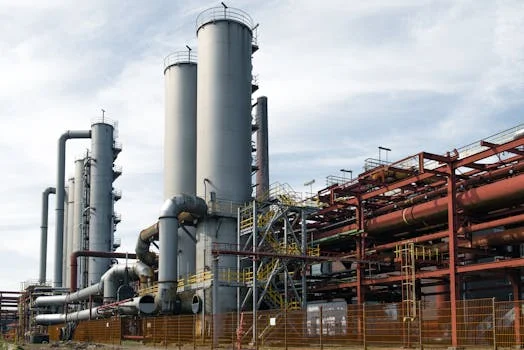
Selecting the right technology in Iraq is not merely a matter of cost; it is a matter of resilience against high ambient temperatures (exceeding 50°C) and fluctuating water quality. The three most common technologies used in 2025 Iraq projects are Membrane Bioreactors (MBR), Conventional Activated Sludge (CAS), and Dissolved Air Flotation (DAF).
| Parameter | MBR (Membrane Bioreactor) | Activated Sludge (CAS) | DAF (Pre-treatment) |
|---|---|---|---|
| TSS Removal Efficiency | >99% | 92% – 97% | 85% – 95% (FOG) |
| Footprint Requirement | Very Small (40% of CAS) | Large | Medium |
| Energy (kWh/m³) | 0.8 – 1.2 | 0.4 – 0.6 | 0.3 – 0.5 |
| CAPEX (1,000 m³/d) | $5M – $8M | $3M – $5M | $2M – $4M |
| Membrane Lifespan | 5 – 8 Years | N/A | N/A |
The MBR system for high-efficiency wastewater treatment in Iraq’s industrial zones is the preferred choice for projects requiring water reuse for irrigation or cooling towers. Despite a 30-50% higher CAPEX, its ability to produce high-quality effluent in a compact space makes it ideal for the restricted land available in Basra and Baghdad. However, high salinity (TDS > 1,500 mg/L) in southern Iraq can reduce membrane lifespan by 20-30% due to accelerated fouling, requiring robust automated cleaning cycles.
Conventional Activated Sludge remains the workhorse for large municipal projects where land is available and budgets are constrained. It is more resilient to shock loads but produces significantly more sludge, which presents a disposal challenge under Iraqi environmental laws. For the oil and gas sector, a DAF system for pre-treatment of industrial wastewater in Iraq’s oil & gas sector is essential to remove Fats, Oils, and Grease (FOG) before biological treatment. In urban settings, an underground package sewage treatment plant for Iraq’s urban projects can mitigate odor concerns and save surface space.
Compliance and Permitting: Iraqi Ministry of Environment Requirements for 2025
Navigating the regulatory landscape in Iraq is critical to avoid project delays. The Ministry of Environment enforces Law No. 27 of 2009 (Environmental Protection and Improvement), which mandates that all new wastewater projects undergo a comprehensive Environmental Impact Assessment (EIA) if they exceed a capacity of 1,000 m³/day.
The 2025 discharge standards for industrial and municipal effluent are summarized below:
- BOD5: < 30 mg/L
- Total Suspended Solids (TSS): < 30 mg/L
- Chemical Oxygen Demand (COD): < 125 mg/L
- pH Level: 6.0 – 9.0
- Oil & Grease: < 10 mg/L (Petrochemical sector)
- Phosphate (PO4): < 3 mg/L
- Residual Chlorine: < 1 mg/L
The permitting process typically takes 6 to 12 months. It involves site inspections, technical drawing reviews, and quarterly compliance reports once the plant is operational. For projects receiving international funding (e.g., World Bank or IFC), higher standards for odor control and sludge stabilization are often required beyond local law. Penalties for non-compliance are severe; the Iraqi government has the authority to shut down industrial facilities and levy fines up to $1 million for repeated violations that threaten the Tigris or Euphrates river systems. engineers can look at how Iraq’s healthcare sector can adapt wastewater treatment solutions from Malaysia’s compliance standards to address specific medical waste challenges.
ROI and Payback Period: How to Justify Your Wastewater Treatment Plant Investment
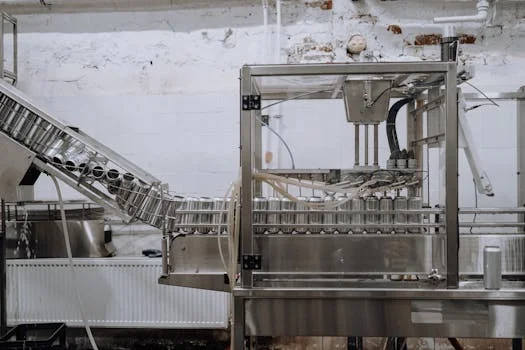
In the Iraqi market, the financial justification for a wastewater treatment plant (WWTP) has shifted from "regulatory burden" to "resource recovery." The primary drivers of Return on Investment (ROI) in 2025 include the avoidance of hefty environmental fines, the reduction in freshwater procurement costs, and potential government subsidies.
For an industrial plant in Basra, the Ministry of Industry and Minerals sometimes offers up to a 30% CAPEX rebate for facilities that implement zero-liquid discharge (ZLD) or significant water reuse. In regions where tanker water costs $1.50–$2.50 per m³, recycling 50% of process water can save hundreds of thousands of dollars annually.
| Financial Metric | Municipal Project (5,000 m³/d) | Industrial Project (1,000 m³/d) |
|---|---|---|
| Total Investment (CAPEX) | $12,000,000 | $5,000,000 |
| Annual Savings (Reuse + Fine Avoidance) | $1,800,000 | $1,400,000 |
| Annual OPEX | $950,000 | $350,000 |
| Net Annual Cash Flow | $850,000 | $1,050,000 |
| Estimated Payback Period | 14.1 Years | 4.7 Years |
Industrial plants typically see a faster payback (2–5 years) due to the higher cost of the water they are replacing and the higher fines associated with industrial pollutants. Municipal plants, while having a longer payback period (10–15 years), are often financed through Public-Private Partnerships (PPPs) or long-term World Bank loans with low interest rates, making them viable for regional development.
Procurement Checklist: How to Select a Wastewater Treatment Plant Supplier in Iraq
Selecting a supplier for an Iraqi project requires vetting beyond technical specifications. The unique security and logistical environment demands a partner with local expertise and a robust supply chain. Use the following checklist during your evaluation:
- Proven Track Record: Does the supplier have operational references in Iraq (e.g., Basra, Baghdad, or Erbil)? Request site visit reports or effluent quality data from existing Iraqi installations.
- Energy Efficiency: Given the high cost of supplemental power, does the equipment meet a specific kWh/m³ guarantee? Systems with high-efficiency blowers and VFDs (Variable Frequency Drives) are essential.
- Local Content and Support: Does the supplier have an Iraqi joint venture or a local service team? Government projects often require a 40% local content threshold.
- Compliance Support: Will the supplier assist with the EIA documentation and the Ministry of Environment permit application?
- Warranty and Spare Parts: Ensure a minimum 2-year warranty on mechanical parts and a 5-year pro-rated warranty on membranes. The supplier must maintain a local stock of critical spares (pumps, sensors, membranes) to avoid downtime caused by import delays.
For more detailed vendor evaluation, refer to this technical guide with costs, compliance, and vendor comparison which highlights the importance of after-sales support in developing markets.
Frequently Asked Questions
What is the cost of a 100 KLD sewage treatment plant in Iraq?
A 100 m³/day (100 KLD) plant typically costs between $300,000 and $500,000 for a conventional system and $400,000 to $700,000 for an MBR-based system. This includes civil works, equipment, and installation. OPEX generally ranges from $0.50 to $1.00 per m³.
Do wastewater treatment plants in Iraq make money?
Yes, they "make money" indirectly through cost avoidance. By reusing treated water for irrigation, dust suppression, or cooling, industrial facilities can reduce their freshwater bills by up to 60%. Avoiding Ministry of Environment fines and qualifying for CAPEX rebates further improves the bottom line.
What is the cost of a WTP (Water Treatment Plant) in Iraq?
WTP costs are generally 20-40% lower than wastewater plants because the influent (river or groundwater) is usually less contaminated than sewage. A 1,000 m³/day WTP costs between $1.5M and $3M, depending on the salinity and turbidity of the source water.
How much does it cost to set up a sewage treatment plant in Iraq?
Total setup costs (CAPEX) range from $1.5M for a 500 m³/day plant to $15M for a 5,000 m³/day plant. Procurement teams should budget an additional 10-15% for permitting and EIA studies, 5-10% for local civil works, and 5% for operator training.
What are the Iraqi Ministry of Environment’s requirements for industrial wastewater?
The core requirements are BOD < 30 mg/L, TSS < 30 mg/L, and COD < 125 mg/L. Specific industries have additional limits, such as oil concentration < 10 mg/L for petrochemical plants and FOG < 15 mg/L for food processing facilities.
Related Equipment
- MBR system for high-efficiency wastewater treatment in Iraq’s industrial zones — view specifications, capacity range, and technical data
- DAF system for pre-treatment of industrial wastewater in Iraq’s oil & gas sector — view specifications, capacity range, and technical data
Need a customized solution? Request a free quote with your specific flow rate and pollutant parameters.