Industrial reuse technology trends in 2026 center on fit-for-purpose trains that reclaim cooling, boiler, wash, and process water under rising scarcity and discharge pressure. By 2030, 40% of industrial facilities will face water stress, forcing manufacturers to rethink water management or risk production shutdowns (World Economic Forum, 2024). Cooling towers alone consume about 40% of industrial water in many plants, so they are usually the first reuse target. Membrane bioreactors, dissolved air flotation, and reverse osmosis now form the core toolkit for meeting reuse specs without guessing at effluent quality.
Why Industrial Water Reuse Matters for Plant Continuity
Industrial water reuse is a continuity and compliance decision: plants reclaiming cooling and process streams typically cut freshwater intake costs by 30-60% in water-intensive sectors. MBR, DAF, and RO trains are sized to hit California Title 22 turbidity and China GB/T 39308-2020 cooling-tower COD limits. Cooling makeup, boiler feed, wash water, and process loops are the usual end uses.
According to US EPA (2026), WRAP 2.0 and a G20 fit-for-purpose reuse initiative further reinforce industrial recycled-water adoption. For facilities in water-scarce regions, the operating choice is binary. Adopt reuse trains sized to the end use, or accept fines, curtailments, and supply risk. Most plants we size for cooling reuse start at the lower end of the quality ladder, then add polishing only when hardness, TDS, or pathogen limits demand it.
Water Scarcity: The Hidden Threat to Industrial Operations
Global water demand will exceed supply by 40% by 2030, with manufacturing and energy sectors bearing the brunt of shortages (WEF, 2024). In China, 60% of industrial parks are located in water-stressed regions, while in the U.S., droughts have already forced semiconductor plants in Arizona to halt production. The economic impact is staggering: a single day of water-related downtime costs an average of $250,000 for a mid-sized food processing plant.
Water reuse reduces freshwater dependency. For example, a textile mill in Bangladesh cut water consumption by 50% after installing a DAF system for dye wastewater treatment, achieving 95% TSS removal. Similarly, a petrochemical facility in Saudi Arabia reduced cooling tower makeup water by 70% using RO-treated effluent, saving $1.2 million annually in water costs.
Regulatory Drivers: The Compliance Imperative
Governments are tightening water reuse regulations to address scarcity. Key standards include:
- California Title 22: Sets strict limits for recycled water used in irrigation, industrial processes, and even direct potable reuse (e.g., <2.2 MPN/100mL E. coli).
- EU Urban Waste Water Directive (91/271/EEC): Mandates tertiary treatment for all discharges into sensitive areas, requiring reuse for industrial facilities.
- China GB/T 39308-2020: Defines water quality standards for industrial reuse, including <10 mg/L COD for cooling tower applications.
- UAE Ministerial Decision No. 100/2020: Requires 100% reuse of treated wastewater in industrial zones by 2030.
Non-compliance carries severe penalties. In 2023, a pharmaceutical plant in Germany was fined €1.8 million for exceeding discharge limits, while a Chinese steel mill faced production halts for violating GB/T 39308-2020. These cases show the need for technologies that not only treat water but also ensure regulatory compliance.
Cost Savings: The ROI of Water Reuse
A 2024 Water Environment Federation study found that industrial facilities implementing reuse systems achieve:
- 30-60% reduction in freshwater intake costs.
- 20-40% lower wastewater discharge fees.
- 15-25% decrease in energy costs (for facilities using treated effluent in cooling towers).
For example, a semiconductor plant in Taiwan reduced water costs by $3.5 million annually after installing a RO system for ultra-pure water reuse. Similarly, a brewery in Belgium cut water expenses by 40% using MBR-treated effluent for cleaning and irrigation, with a payback period of just 3.5 years.
These savings extend beyond direct costs. Water reuse can also unlock incentives, such as California's Water-Energy Grant Program, which offers up to $5 million for industrial reuse projects, or China's Green Credit Policy, which provides low-interest loans for sustainable water management initiatives.
Reuse Technology Trends Across MBR, DAF, and RO
Three core technologies enable industrial water reuse: Membrane Bioreactors (MBR), Dissolved Air Flotation (DAF), and Reverse Osmosis (RO). Each addresses distinct water quality challenges, from suspended solids to dissolved salts, and selecting the right system depends on influent characteristics and reuse goals.
What membrane technology enables water reuse?
Membrane trains enable industrial water reuse when pore size and recovery match the end use. MBR membranes at about 0.1 μm deliver low BOD and turbidity for cooling and process water. RO membranes near 0.0001 μm remove dissolved salts for boiler and ultra-pure duties. Most plants we size for non-potable reuse stop at MBR or MBR-plus-softening. They add RO only when TDS, conductivity, or silica limits force it.
An MBR Membrane Bioreactor Wastewater Treatment System is the usual biological barrier before polishing.
Membrane Bioreactor (MBR): The High-Efficiency Workhorse
MBR systems combine biological treatment with membrane filtration, replacing secondary clarifiers and sand filters. Submerged PVDF membranes (0.1 μm pore size) separate biomass from treated water, producing effluent with <1 mg/L BOD and <0.2 NTU turbidity - ideal for cooling towers, boiler feed, and process water.
Key advantages of a packaged MBR Membrane Bioreactor Wastewater Treatment System include:
- Footprint: 60% smaller than conventional activated sludge systems (HydropureWater field data, 2025).
- Effluent Quality: Consistently meets California Title 22 and EU reuse standards without additional polishing.
- Automation: Fully automated operation with remote monitoring, reducing labor costs by 30%.
Limitations:
- Fouling: Membranes require chemical cleaning every 3-6 months, adding to OPEX.
- Energy Use: 0.4-0.8 kWh/m³, higher than DAF but lower than RO.
- Influent Constraints: Not suitable for high-salinity or high-FOG wastewater without pre-treatment.
Dissolved Air Flotation (DAF): The Heavy-Duty Clarifier
DAF systems use micro-bubbles (20-50 μm) to float suspended solids, oils, and grease, achieving 92-97% TSS removal. Air-saturated water is injected into the flotation tank, where bubbles attach to contaminants and rise to the surface for skimming. DAF is particularly effective for industries with high FOG loads, such as food processing and metalworking.
Key advantages:
- High Flow Rates: Capacities range from 4 to 300 m³/h, making it ideal for large-scale applications.
- Chemical Efficiency: Uses 30-50% less coagulant than conventional clarifiers (EPA, 2024).
- Sludge Handling: Produces drier sludge (3-5% solids) than sedimentation, reducing disposal costs.
Limitations:
- Chemical Costs: Coagulants and flocculants can account for 40% of OPEX.
- Effluent Quality: Requires post-treatment (e.g., filtration or RO) for high-purity reuse applications.
- Footprint: Larger than MBR systems, though still 30% smaller than conventional clarifiers.
Reverse Osmosis (RO): The Ultra-Pure Water Solution
RO systems use semi-permeable membranes (0.0001 μm pore size) to remove dissolved salts, organics, and pathogens, producing water with <10 mg/L TDS and <5 μS/cm conductivity. Spiral-wound membranes achieve 95% recovery rates, making RO the reference choice for ultra-pure water applications like semiconductor manufacturing and pharmaceuticals.
Key advantages:
- Water Quality: Produces water suitable for direct reuse in boilers and cooling towers without scaling or corrosion.
- Modularity: Scalable from 1 to 1,000 m³/day, with skid-mounted systems for easy installation.
- Brine Minimization: Advanced systems like closed-loop RO achieve >90% recovery, reducing disposal costs.
Limitations:
- Energy Use: 0.5-1.5 kWh/m³, the highest among the three technologies.
- Brine Disposal: High-salinity concentrate requires further treatment or disposal, adding to OPEX.
- Pre-Treatment: Requires low-SDI (<3) feedwater to prevent fouling, often necessitating DAF or MBR upstream.
| Technology | Mechanism | Ideal Applications | Key Limitations |
|---|---|---|---|
| MBR | Biological treatment + membrane filtration (0.1 μm) | Cooling towers, boiler feed, process water | Fouling, high energy use, not for high-salinity water |
| DAF | Micro-bubble flotation (20-50 μm) | Food processing, metalworking, petrochemicals | Chemical costs, requires post-treatment for high-purity reuse |
| RO | Semi-permeable membrane (0.0001 μm) | Semiconductors, pharmaceuticals, ultra-pure water | High energy use, brine disposal, pre-treatment required |
Performance Benchmarks: What to Expect from Water Reuse Systems
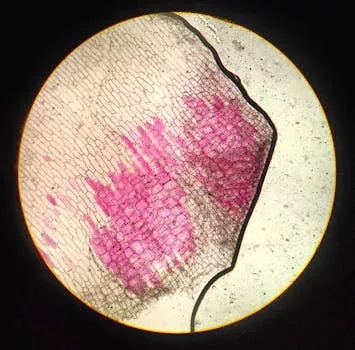
Industrial water reuse systems must deliver consistent effluent quality to meet regulatory standards and operational requirements. These benchmarks compare the performance of MBR, DAF, and RO systems across key parameters, including TSS, COD, BOD, turbidity, and energy use, based on 2025 industry averages and field installations.
MBR: Near-Reuse-Quality Effluent
MBR systems excel in organic and solids removal, producing effluent suitable for most non-potable reuse applications. Key performance metrics include:
- BOD: <1 mg/L (EPA 2024 benchmark).
- COD: <30 mg/L, with reductions up to 95% for high-strength wastewater (e.g., food processing).
- TSS: <5 mg/L, often <1 mg/L with optimal membrane maintenance.
- Turbidity: <0.2 NTU, meeting California Title 22 and EU reuse standards.
- Pathogens: >6-log removal of bacteria and viruses, eliminating the need for UV or chlorine disinfection in most cases.
Case Study: A food processing plant in Shandong, China, reduced COD from 800 mg/L to <50 mg/L using a HydropureWater MBR system, enabling 80% water reuse in cooling towers and floor washing. The system achieved 99% uptime with automated membrane cleaning, reducing labor costs by 40%.
DAF: High-Efficiency Solids and FOG Removal
DAF systems are designed for rapid solids and oil removal, making them ideal for industries with high FOG loads. Key performance metrics include:
- TSS: 92-97% removal, with effluent <30 mg/L (EPA 2024).
- FOG: 95-99% removal, critical for food processing and metalworking.
- Turbidity: <10 NTU, though post-filtration may be needed for <2 NTU.
- COD: 50-70% removal, depending on chemical dosing and influent characteristics.
Case Study: A petrochemical facility in Zhejiang, China, achieved 98% TSS removal using a HydropureWater DAF system, enabling 70% reuse of treated effluent in cooling towers. The system reduced chemical costs by 30% through optimized coagulant dosing, with a payback period of 2.5 years.
RO: Ultra-Pure Water for Critical Applications
RO systems are unmatched for removing dissolved salts and organics, producing water suitable for ultra-pure applications. Key performance metrics include:
- TDS: <10 mg/L, with >99% salt rejection.
- Conductivity: <5 μS/cm, meeting semiconductor and pharmaceutical standards.
- SDI: <3, indicating low fouling potential for downstream equipment.
- Recovery Rate: 75-95%, depending on feedwater quality and system design.
Case Study: A semiconductor plant in Jiangsu, China, achieved 95% water recovery using a HydropureWater RO system, producing ultra-pure water for wafer cleaning. The system reduced freshwater consumption by 60%, saving $2.1 million annually in water and wastewater costs.
Energy Use: Balancing Performance and Efficiency
Energy consumption is a critical factor in water reuse, particularly for energy-intensive industries. Here are the 2025 industry averages for each technology:
- MBR: 0.4-0.8 kWh/m³, depending on membrane flux and aeration rates.
- DAF: 0.1-0.3 kWh/m³, with energy primarily used for air saturation and pumping.
- RO: 0.5-1.5 kWh/m³, varying with feedwater salinity and recovery rates.
For comparison, conventional activated sludge systems consume 0.3-0.6 kWh/m³, while advanced oxidation processes (AOPs) can exceed 2 kWh/m³. Facilities can reduce energy costs by integrating renewable energy sources, such as solar-powered RO systems, or optimizing aeration in MBR systems.
| Parameter | MBR | DAF | RO |
|---|---|---|---|
| BOD (mg/L) | <1 | 20-50 | <1 |
| COD (mg/L) | <30 | 50-150 | <10 |
| TSS (mg/L) | <5 | <30 | <1 |
| Turbidity (NTU) | <0.2 | <10 | <0.1 |
| Energy Use (kWh/m³) | 0.4-0.8 | 0.1-0.3 | 0.5-1.5 |
Cost Breakdown: CAPEX, OPEX, and ROI for Industrial Water Reuse
Water reuse systems require significant upfront investment, but long-term savings often justify the cost. This breakdown covers capital expenditures (CAPEX), operational expenditures (OPEX), and return on investment (ROI) for MBR, DAF, and RO systems, based on 2025 market data and HydropureWater's project experience. Hidden costs, such as membrane replacement and brine disposal, are also included to help procurement teams budget accurately.
How do reuse treatment costs compare?
Reuse treatment costs compare by duty, not by brochure claims. MBR typically runs $1,200-$2,500 per m³/day CAPEX and $0.20-$0.50/m³ OPEX for near-reuse effluent. DAF sits at lower CAPEX with $0.05-$0.20/m³ OPEX dominated by chemicals. RO lands at $800-$1,500 per m³/day CAPEX with $0.30-$0.80/m³ OPEX driven by energy and membranes. Payback often lands at 2-5 years for high-FOG or high-water-price sites, and 4-7 years for ultra-pure RO duties.
MBR: High CAPEX, Low OPEX for High-Quality Effluent
MBR systems have the highest upfront costs but offer the lowest OPEX for facilities requiring near-reuse-quality effluent. Key cost factors include:
- CAPEX: $1,200-$2,500/m³/day, depending on capacity and automation level. For example, a 500 m³/day system costs $600,000-$1.25 million.
- OPEX: $0.20-$0.50/m³, with membrane replacement (every 5-8 years) accounting for 30-40% of costs.
- ROI: 3-5 years for high-water-use industries like textiles and food processing, where water savings offset CAPEX quickly.
Hidden Costs:
- Membrane Replacement: $50-$100/m², with typical systems requiring 100-500 m² of membrane area.
- Chemical Cleaning: $0.05-$0.10/m³ for citric acid and sodium hypochlorite.
- Sludge Disposal: $50-$150/ton for dewatered sludge, depending on local regulations.
Case Study: A textile mill in India reduced water costs by 50% after installing a HydropureWater MBR system, with a payback period of 3.2 years. The system's automated membrane cleaning reduced labor costs by 35%, while effluent quality met local discharge standards without additional treatment.
DAF: Low CAPEX, Moderate OPEX for Solids Removal
DAF systems offer the lowest CAPEX but higher OPEX due to chemical costs. Key cost factors include:
- CAPEX: $50,000-$500,000, depending on capacity (4-300 m³/h) and automation. A 100 m³/h system costs $200,000-$300,000.
- OPEX: $0.05-$0.20/m³, with coagulants and flocculants accounting for 40-50% of costs.
- ROI: 2-4 years for industries with high FOG loads, such as metalworking and petrochemicals.
Hidden Costs:
- Chemical Dosing: $0.02-$0.05/m³ for coagulants (e.g., polyaluminum chloride) and flocculants.
- Sludge Handling: $30-$80/ton for dewatering and disposal.
- Energy: $0.01-$0.03/m³ for air saturation and pumping.
Case Study: A metalworking facility in Germany reduced water costs by 40% using a HydropureWater DAF system, with a payback period of 2.8 years. The system's optimized chemical dosing reduced OPEX by 20%, while effluent quality met EU discharge standards.
RO: Moderate CAPEX, High OPEX for Ultra-Pure Water
RO systems balance CAPEX and OPEX, with energy and membrane replacement driving costs. Key cost factors include:
- CAPEX: $800-$1,500/m³/day, depending on capacity and membrane type. A 200 m³/day system costs $160,000-$300,000.
- OPEX: $0.30-$0.80/m³, with energy and membrane replacement accounting for 60-70% of costs.
- ROI: 4-7 years for ultra-pure water applications, such as semiconductors and pharmaceuticals.
Hidden Costs:
- Membrane Replacement: $500-$1,500 per 8-inch element, with typical systems requiring 10-50 elements.
- Brine Disposal: $0.10-$0.50/m³ for concentrate treatment or disposal.
- Pre-Treatment: $0.05-$0.15/m³ for DAF or filtration to reduce SDI.
Case Study: A pharmaceutical plant in the U.S. reduced water costs by 60% using a HydropureWater RO system, with a payback period of 5.5 years. The system's energy recovery device reduced OPEX by 25%, while effluent quality met USP Purified Water standards.
| Technology | CAPEX ($/m³/day) | OPEX ($/m³) | ROI (Years) | Hidden Costs |
|---|---|---|---|---|
| MBR | $1,200-$2,500 | $0.20-$0.50 | 3-5 | Membrane replacement, chemical cleaning, sludge disposal |
| DAF | $50,000-$500,000 (total) | $0.05-$0.20 | 2-4 | Chemical dosing, sludge handling, energy |
| RO | $800-$1,500 | $0.30-$0.80 | 4-7 | Membrane replacement, brine disposal, pre-treatment |
Global Compliance Checklist: Meeting Water Reuse Standards in 2026
Water reuse projects must navigate regional regulations that vary by application (industrial, agricultural, potable) and contaminant limits. This compliance checklist helps facilities select technologies that meet local standards across North America, Europe, China, and the Middle East.
North America: Stringent Standards for Potable and Non-Potable Reuse
North American regulations are among the most stringent, with California leading in direct potable reuse (DPR). Key standards include:
- California Title 22:
- BOD: <10 mg/L (non-potable), <2 mg/L (potable).
- Turbidity: <2 NTU (non-potable), <0.2 NTU (potable).
- E. coli: <2.2 MPN/100mL (non-potable), non-detect (potable).
- Log Removal: 6-log for viruses, 12-log for Cryptosporidium (potable).
- EPA 40 CFR Part 141 (Drinking Water):
- TDS: <500 mg/L.
- Total Coliforms: 0/100mL.
- Disinfection Byproducts: <80 μg/L (THMs), <60 μg/L (HAA5).
- State-Specific Standards:
- Texas TCEQ: COD <120 mg/L for industrial reuse.
- Florida DEP: <5 mg/L TSS for irrigation.
Europe: Circular Economy Focus
The EU's circular economy agenda drives water reuse, with standards emphasizing resource recovery. Key regulations include:
- EU Urban Waste Water Directive (91/271/EEC):
- BOD: <25 mg/L (secondary treatment), <10 mg/L (tertiary treatment).
- COD: <125 mg/L (secondary), <50 mg/L (tertiary).
- TSS: <35 mg/L (secondary), <10 mg/L (tertiary).
- Drinking Water Directive (98/83/EC):
- Turbidity: <1 NTU.
- E. coli: 0/100mL.
- Pesticides: <0.1 μg/L (individual), <0.5 μg/L (total).
- BAT Conclusions (Industrial Emissions Directive):
- Requires reuse for facilities in water-stressed regions.
- Mandates <30 mg/L COD for cooling tower reuse.
China: Industrial Reuse Mandates
China's water reuse standards are among the most detailed, with strict limits for industrial applications. Key regulations include:
- GB/T 39308-2020 (Industrial Water Reuse):
- Cooling Towers: COD <10 mg/L, TSS <5 mg/L.
- Boiler Feed: Conductivity <50 μS/cm, hardness <0.03 mmol/L.
- Process Water: Turbidity <2 NTU, SDI <4.
- GB 3838-2002 (Surface Water Quality):
- Class IV (Industrial Use): COD <30 mg/L, NH₃-N <1.5 mg/L.
- Local Standards:
- Beijing DB11/307-2013: <5 mg/L COD for industrial reuse.
- Shanghai DB31/T 1091-2018: <1 mg/L BOD for cooling towers.
Middle East: Water Scarcity Drives Adoption
The Middle East leads in water reuse adoption, with standards tailored to arid climates. Key regulations include:
- UAE Ministerial Decision No. 100/2020:
- TDS: <1,000 mg/L (irrigation), <500 mg/L (industrial).
- E. coli: <2.2 MPN/100mL (non-potable), 0/100mL (potable).
- Saudi Arabia SASO 2472:
- Turbidity: <5 NTU (non-potable), <1 NTU (potable).
- Residual Chlorine: 0.5-1.5 mg/L.
- Qatar GSAS:
- Requires 100% reuse of treated wastewater in industrial zones.
Emerging Contaminants: The Next Frontier
Regulators are increasingly targeting emerging contaminants not yet widely addressed in reuse standards. Key parameters include:
- PFAS: Earlier guidance framed U.S. drinking-water PFAS limits as a proposed <4 ppt level; the 2024 EPA NPDWR sets enforceable MCLs of 4.0 ppt for PFOA and PFOS, with 10 ppt MCLs for PFHxS, PFNA, and HFPO-DA (EPA, 2024). The EU frames a <0.1 μg/L sum-of-PFAS approach in drinking-water policy.
- Microplastics:
- California: <10 particles/L (proposed).
- EU: Monitoring required under the Drinking Water Directive.
- Antibiotic Resistance Genes (ARGs):
- China: Monitoring required for pharmaceutical wastewater.
| Region | Key Standard | BOD (mg/L) | COD (mg/L) | TSS (mg/L) | Turbidity (NTU) |
|---|---|---|---|---|---|
| North America | California Title 22 | <10 | N/A | <5 | <2 |
| Europe | EU Urban Waste Water Directive | <10 | <50 | <10 | <1 |
| China | GB/T 39308-2020 | <5 | <10 | <5 | <2 |
| Middle East | UAE Ministerial Decision No. 100/2020 | <10 | <100 | <10 | <5 |
How to Choose the Right Water Reuse Technology for Your Facility
Selecting the optimal water reuse technology requires evaluating influent quality, reuse goals, and budget. This five-step decision framework helps facilities avoid over- or under-engineering solutions, including a decision tree to match technologies to specific applications.
Step 1: Define Reuse Purpose
The intended use of recycled water dictates the required effluent quality. Common reuse applications include:
- Cooling Towers: Requires <10 mg/L TSS, <50 mg/L COD, and <100 mg/L TDS to prevent scaling and biofouling.
- Boiler Feed: Requires <0.1 mg/L TSS, <0.03 mmol/L hardness, and <50 μS/cm conductivity to avoid corrosion.
- Process Water: Varies by industry; e.g., semiconductors require <1 μg/L TOC, while food processing requires <10 mg/L BOD.
- Irrigation: Requires <2 NTU turbidity and <2.2 MPN/100mL E. coli (California Title 22).
- Floor Washing: Requires <30 mg/L TSS and <5 NTU turbidity.
Step 2: Test Influent Quality
Influent characteristics determine which technologies are feasible. Key parameters to test include:
- TSS: High TSS (>500 mg/L) favors DAF or MBR; low TSS (<50 mg/L) may only require filtration.
- COD/BOD: High organic loads (>1,000 mg/L COD) may require anaerobic pre-treatment before MBR or RO.
- FOG: High FOG (>100 mg/L) favors DAF; MBR and RO require pre-treatment to avoid fouling.
- Salinity: High TDS (>2,000 mg/L) favors RO; MBR and DAF are ineffective for salt removal.
- Pathogens: High pathogen loads require MBR or RO with UV disinfection.
Step 3: Evaluate Footprint and Automation Needs
Space constraints and labor availability influence technology selection. Key considerations include:
- Footprint: MBR systems require 60% less space than conventional activated sludge, making them ideal for urban facilities. DAF systems are larger but scalable for high-flow applications.
- Automation: MBR and RO systems are fully automated, reducing labor costs by 30-50%. DAF systems require manual sludge handling unless equipped with auto-skimmers.
- Modularity: RO systems are modular and scalable, while MBR and DAF systems are typically custom-designed for specific capacities.
Step 4: Compare CAPEX, OPEX, and ROI
Use the cost breakdown from the earlier section to compare technologies. Key questions include:
- What is the upfront cost, and does it fit within the budget?
- What are the long-term OPEX drivers (e.g., membrane replacement, chemical dosing)?
- What is the payback period, and does it align with corporate sustainability goals?
A food processing plant with high FOG loads may prioritize DAF for its low CAPEX and fast ROI, while a semiconductor facility may opt for RO despite higher costs to meet ultra-pure water standards.
Step 5: Check Compliance with Local Standards
Verify the selected technology meets regional reuse standards using the compliance checklist from the earlier section. Key parameters include:
- Effluent quality parameters (e.g., BOD, COD, TSS, turbidity).
- Pathogen limits (e.g., E. coli, viruses).
- Emerging contaminant requirements (e.g., PFAS, microplastics).
A facility in California must meet Title 22 standards for cooling tower reuse, which may require MBR or RO, while a plant in China must comply with GB/T 39308-2020, which favors MBR for its low COD and TSS output.
Why treat below discharge standards for reuse?
Reuse trains often target limits tighter than local discharge permits because recycled water contacts heat exchangers, boilers, or product surfaces. Scale, corrosion, and microbes there cost more than the incremental treatment. Meeting discharge standards alone can still leave TSS, hardness, or salinity too high for cooling or boiler makeup. Aiming lower is an asset-protection choice, not over-treatment for its own sake, unless later reclaimed-water reuse is confirmed in the design brief.
Decision Tree: Matching Technology to Application
| Influent Characteristic | Reuse Application | Recommended Technology |
|---|---|---|
| High TSS (>500 mg/L) | Cooling towers, irrigation | DAF + Filtration |
| High FOG (>100 mg/L) | Food processing, metalworking | DAF |
| High COD (>1,000 mg/L) | Process water, boiler feed | Anaerobic Pre-Treatment + MBR |
| High TDS (>2,000 mg/L) | Ultra-pure water, semiconductors | RO |
| Low TSS (<50 mg/L), Low TDS | Floor washing, toilet flushing | Filtration + Disinfection |
| Pathogen Concerns | Potable reuse, food processing | MBR + UV/Chlorine |
Who This Is For and Next Step
This guide is for plant engineers, EPC contractors, and procurement managers sizing industrial reuse for cooling, wash water, or process loops under Title 22, EU tertiary, or GB/T 39308 constraints. Look elsewhere if you need only municipal potable DPR design or laboratory-scale membrane R&D.
If you already have influent data and a reuse end use, request a reuse train sizing and budget range with your flow, COD, FOG, and TDS numbers.
Selection checklist before you freeze CAPEX:
- Confirm reuse end use and the governing standard.
- Measure TSS, COD/BOD, FOG, TDS, and SDI on representative samples.
- Decide whether DAF pre-treatment is required for FOG or high solids.
- Compare MBR versus RO only after TDS and conductivity limits are clear.
- Budget membrane replacement, chemicals, and brine or sludge disposal.
- Check incentives and discharge-fee offsets in the same spreadsheet as OPEX.
- Plan for public outreach if recycled water will be visible on site.
Current reuse technology trends also favor documenting fit-for-purpose quality against the end use, rather than chasing one universal effluent target for every plant area.
Frequently Asked Questions
What is the difference between water reuse and water recycling?
Water reuse treats wastewater on-site for immediate use at the same facility, such as sending MBR effluent to cooling towers. Water recycling is broader and can include resource recovery such as nutrients or biogas alongside the water loop. In practice, buyers often use the terms interchangeably, but design specs should name the end use and the quality standard. That keeps the train sized to cooling, boiler, or process needs instead of a vague circular-economy label.
Can MBR systems handle high-strength industrial wastewater?
MBR systems can treat high-strength wastewater with COD above 2,000 mg/L when pre-treatment protects the membranes. Anaerobic digestion can cut COD by 70-90% before the MBR. DAF removes FOG and TSS that would foul membranes. Equalization tanks smooth flow and load swings. A pharmaceutical plant in India reduced COD from 3,500 mg/L to <50 mg/L using anaerobic pre-treatment followed by MBR, achieving 90% water reuse for process water.
How often do RO membranes need replacement?
RO membranes typically last 3-5 years, depending on feedwater quality and cleaning discipline. Keep feedwater SDI below 3 to extend life; SDI above 5 forces frequent cleaning. Monthly citric acid or caustic cleans prevent fouling when the feed is borderline. Operating pressure above 20 bar accelerates degradation. Automated clean-in-place cycles often extend membrane life by 20-30% compared with irregular manual cleaning.
Are there incentives for industrial water reuse?
Many regions offer financial incentives for industrial water reuse projects that meet published quality rules. California's Water-Energy Grant Program provides up to $5 million for qualifying industrial reuse projects. The EU LIFE Programme can fund reuse initiatives with grants covering up to 60% of project costs. China's Green Credit Policy offers low-interest loans for systems that meet GB/T 39308-2020. The UAE Water Security Strategy 2036 provides subsidies for facilities achieving more than 50% water reuse.
What are the biggest challenges in water reuse projects?
The biggest challenges are permitting complexity, upfront CAPEX, train integration, and stakeholder perception. Title 22-style reviews can delay schedules unless regulators are engaged early. High CAPEX deters boards until OPEX and downtime risk are modeled together. Combining DAF with MBR or RO needs clear interface limits for SDI, FOG, and recovery. Transparent public perception management reduces pushback when recycled water is visible to staff or neighbors.