Package wastewater treatment plants in Sweden deliver 90-98% BOD removal and 85-95% nitrogen reduction, meeting Swedish EPA effluent limits of 15 mg/L BOD, 0.5 mg/L P, and 10 mg/L N (Naturvårdsverket 2020). These modular, pre-engineered systems reduce installation time by 60% compared to conventional plants, with capacities ranging from 10 to 2,000 m³/day. Costs vary from €50,000 for small-scale units to €2M+ for industrial applications, with ROI typically achieved in 5-7 years through reduced permitting and operational efficiencies.
Why Swedish Factories and Municipalities Are Switching to Package Wastewater Treatment Plants
87% of Swedish municipalities reported permitting delays for conventional wastewater treatment plants (WWTPs), averaging 18 months in 2020 (Naturvårdsverket). This regulatory pressure and the demand for quicker deployment are driving the adoption of package wastewater treatment plants in Sweden. These modular solutions significantly reduce installation time by up to 60% compared to traditional on-site construction methods, as demonstrated by an Alfa Laval case study.
Consider a food processing plant in Malmö that faced potential fines of €200,000 due to non-compliance with effluent discharge limits from its aging conventional system. By deploying a modular package plant, the facility achieved full compliance and operational stability within three months, avoiding significant penalties and maintaining production schedules. Key drivers for this shift include the growing number of remote industrial facilities and temporary sites where conventional infrastructure is impractical or too slow to implement. Sweden's stringent effluent limits, particularly for sensitive water bodies like the Baltic Sea, necessitate highly efficient and reliable treatment solutions that package plants are engineered to deliver.
The flexibility of these systems makes them ideal for diverse applications, from small communities and remote tourist resorts to large-scale industrial operations requiring rapid expansion or temporary treatment capacity. This adaptability, combined with high treatment performance, positions package plants as a strategic investment for ensuring environmental compliance and operational efficiency across Sweden.
How Package Wastewater Treatment Plants Work: Technical Mechanisms and Process Parameters
Modular package wastewater treatment plants integrate biological treatment, sedimentation, and disinfection within a compact, pre-fabricated footprint. These systems are designed for plug-and-play installation, minimizing on-site construction and commissioning time. The core of their operation often involves either activated sludge or Membrane Bioreactor (MBR) technology, each offering distinct advantages based on influent characteristics and desired effluent quality.
Standard package plants typically incorporate anoxic and aerobic zones for nutrient removal, followed by a clarification stage and UV or chemical disinfection. Process parameters demonstrate high efficiency: COD removal rates typically range from 92-97% for influent concentrations between 50-500 mg/L, while BOD removal consistently achieves 90-98% (Swedish EPA benchmarks). Nitrogen reduction is similarly robust, reaching 85-95%.
MBR systems, a advanced form of biological treatment, utilize membranes for solid-liquid separation, eliminating the need for a secondary clarifier. This results in significantly lower effluent TSS (<1 mg/L) compared to conventional activated sludge systems (5-10 mg/L). However, MBR technology typically requires approximately 20% more energy due to membrane aeration and permeate pumping (The MBR Site). The general process flow for a package plant includes: Influent → screening → anoxic tank → aerobic tank → sedimentation (or membrane filtration) → disinfection → effluent. While highly versatile, package plants are generally not suitable for wastewater with exceptionally high salinity or heavy metal concentrations, which require specialized pre-treatment or alternative technologies. Acceptable influent ranges typically include BOD levels up to 500 mg/L and TSS up to 300 mg/L for optimal performance.
| Parameter | Activated Sludge (Typical) | MBR System (Typical) | Notes |
|---|---|---|---|
| BOD Removal Efficiency | 90-95% | 95-98% | Meets Swedish EPA effluent limits |
| COD Removal Efficiency | 85-92% | 92-97% | Dependent on influent load |
| Nitrogen Reduction | 70-85% | 85-95% | Enhanced in MBR due to longer sludge retention |
| TSS in Effluent | 5-10 mg/L | <1 mg/L | MBR offers superior clarity |
| Footprint | Larger | Smaller (up to 50% reduction) | Due to efficient solid-liquid separation |
| Energy Consumption | 0.3-0.6 kWh/m³ | 0.5-0.8 kWh/m³ | MBR higher due to aeration and pumping |
| Sludge Production | 0.2-0.4 kg TSS/kg BOD removed | 0.1-0.3 kg TSS/kg BOD removed | MBR can reduce sludge volume |
For operations requiring superior effluent quality and a compact footprint, an MBR package wastewater treatment system for high-efficiency BOD and nitrogen removal is often the preferred choice.
Package Wastewater Treatment Plant Specifications: Technical Data for Swedish Applications
Engineers evaluating package wastewater treatment plants for Swedish projects require precise technical specifications to ensure compatibility and performance. These systems offer a compact footprint, typically ranging from 0.5 to 2 m² per m³/day of capacity; for instance, a 10 m³/day unit would occupy between 5 and 20 m². Energy consumption, a critical operational cost, generally falls between 0.3 and 0.8 kWh/m³, with MBR systems consistently at the higher end due to membrane aeration and pumping requirements. Sludge production is a significant consideration, with package plants generating 0.1 to 0.3 kg TSS per kg of BOD removed, aligning with Swedish EPA 2020 benchmarks for efficient biological treatment.
Crucially, effluent quality from well-designed package plants consistently meets stringent Swedish EPA limits: less than 15 mg/L BOD, under 0.5 mg/L P, and less than 10 mg/L N. Material durability is another key specification, impacting lifespan and maintenance. Stainless steel units offer superior corrosion resistance and a lifespan exceeding 20 years, making them ideal for long-term industrial applications. Fiberglass units provide a cost-effective alternative with good corrosion resistance and a typical lifespan of 15-20 years, often suitable for less aggressive environments or smaller-scale municipal applications.
The choice between materials and specific process technologies directly influences the operational envelope and long-term cost-effectiveness of the package plant in the demanding Swedish environment.
| Specification | Range for Package Plants (Sweden) | Typical Value (MBR System) | Source/Notes |
|---|---|---|---|
| Capacity | 10 – 2,000 m³/day | 200 m³/day | HydropureWater data |
| Footprint | 0.5 – 2 m²/m³/day | 0.8 m²/m³/day | Alfa Laval, HydropureWater analysis |
| Energy Consumption | 0.3 – 0.8 kWh/m³ | 0.6 kWh/m³ | The MBR Site, Swedish EPA 2020 |
| Sludge Production | 0.1 – 0.3 kg TSS/kg BOD removed | 0.15 kg TSS/kg BOD removed | Swedish EPA 2020 |
| Effluent BOD | <15 mg/L (avg), <30 mg/L (daily max) | <5 mg/L | Swedish EPA limits for sensitive areas |
| Effluent Phosphorus | <0.5 mg/L (avg), <1 mg/L (daily max) | <0.2 mg/L | Swedish EPA limits for sensitive areas |
| Effluent Nitrogen | <10 mg/L (avg) | <5 mg/L | Swedish EPA limits for sensitive areas |
| Material Durability | Stainless Steel (20+ years), Fiberglass (15-20 years) | Stainless Steel (for critical components) | Industry standard for longevity |
For applications requiring discreet installation and robust performance, an underground package sewage treatment plant for Swedish municipalities and remote locations offers a practical solution.
Swedish EPA Compliance Checklist: Permitting, Effluent Limits, and Monitoring Requirements
Adhering to Swedish EPA regulations is paramount for any wastewater treatment installation, including package plants, to avoid significant fines and operational disruptions. The permitting process typically involves submitting a detailed design to the Swedish EPA or the relevant local environmental authority, with an approval timeline generally ranging from 4 to 12 weeks (Naturvårdsverket 2020). This timeline can vary based on project complexity and local authority workload.
Effluent limits in Sweden are stringent, particularly for plants discharging into sensitive receiving waters. Annual average limits are set at 15 mg/L BOD, 0.5 mg/L P, and 10 mg/L N. Daily maximums are often capped at 30 mg/L BOD and 1 mg/L P. Monitoring requirements are also clearly defined: plants with capacities exceeding 50 m³/day typically require weekly testing for BOD, phosphorus, and nitrogen, while smaller units may have monthly testing obligations. the Swedish EPA mandates stormwater separation requirements, with duplicate sewage systems being mandatory in many urban areas to prevent combined sewer overflows and protect treatment plant efficiency.
To ensure full compliance, operators and procurement managers should follow a systematic approach:
- Influent Characterization: Conduct detailed analysis of raw wastewater to accurately determine contaminant loads (BOD, COD, TSS, N, P) and flow variations.
- Design Submission: Prepare and submit a comprehensive package plant design, including process flow diagrams, technical specifications, and expected effluent quality, to the Swedish EPA or local environmental authority.
- Effluent Testing Plan: Develop and implement a robust plan for regular effluent quality monitoring, including sampling frequency, analytical methods, and reporting protocols, in accordance with permit conditions.
- Operator Training: Ensure all operating personnel receive certified training on package plant operation, routine maintenance, troubleshooting, and emergency response procedures to maintain consistent performance and compliance.
- Stormwater Management: Verify that the site's stormwater management plan aligns with Swedish regulations, especially regarding the separation of stormwater from sanitary wastewater.
Implementing a compact medical wastewater treatment system for Swedish clinics and hospitals also requires meticulous adherence to these compliance guidelines, often with additional considerations for disinfection and pharmaceutical residues.
Package Wastewater Treatment Plant Costs in Sweden: 2025 CAPEX, OPEX, and ROI Breakdown
Understanding the financial implications of package wastewater treatment plants in Sweden requires a detailed breakdown of both Capital Expenditure (CAPEX) and Operational Expenditure (OPEX), alongside a clear Return on Investment (ROI) analysis. CAPEX for small-scale units (10–50 m³/day) typically ranges from €50,000 to €200,000. For larger industrial applications (500–2,000 m³/day), CAPEX can escalate significantly, often falling between €500,000 and €2M+, depending on technology, capacity, and customization. These figures include the plant itself, delivery, and initial installation.
OPEX is a critical long-term consideration, averaging €0.20–€0.50 per cubic meter of treated water. This cost primarily covers energy consumption (which can constitute up to 30% of OPEX, especially for MBR systems), chemical usage (e.g., for phosphorus precipitation or disinfection), and routine maintenance. Membrane replacement, particularly for MBR systems, represents a substantial periodic cost, estimated at €10,000–€50,000 per year depending on size and membrane type. Automated systems can significantly reduce labor costs compared to more manually intensive conventional plants.
ROI for municipal package plants is typically achieved within 5–7 years, driven by reduced permitting complexities, faster deployment, and consistent compliance avoiding fines. For industrial applications, especially those incorporating water reuse (e.g., for cooling water or process water), ROI can be accelerated to 3–5 years due to direct savings on fresh water consumption and discharge fees. The rapid deployment and modularity of package plants offer significant cost advantages by minimizing project delays and allowing for phased expansion.
| Cost Metric | Package Plant (100 m³/day) | Conventional WWTP (100 m³/day) | Notes |
|---|---|---|---|
| CAPEX (Estimate) | €150,000 - €300,000 | €400,000 - €800,000 | Excludes land acquisition; package plant is pre-engineered |
| OPEX (€/m³ treated) | €0.20 - €0.50 | €0.30 - €0.60 | Includes energy, chemicals, maintenance, sludge disposal |
| Installation Time | 3-6 months | 18-24 months | Package plants significantly faster due to modularity |
| Footprint Requirement | Compact (e.g., 80 m²) | Large (e.g., 200 m²) | Space savings are a major advantage for package plants |
| Permitting Complexity | Lower | Higher | Streamlined process for standardized units |
| Typical ROI | 5-7 years (municipal), 3-5 years (industrial reuse) | 7-10+ years | Faster payback due to quicker deployment and efficiencies |
Top 5 Package Wastewater Treatment Plant Suppliers in Sweden: 2025 Technical Comparison and Use-Case Matching
Selecting the right package wastewater treatment plant supplier in Sweden involves evaluating technical capabilities, scalability, and specific use-case suitability beyond generic product listings. The market features several key players, each with distinct strengths tailored to different needs:
- EcoFlow Systems: Recognized for small-scale (10–100 m³/day) and highly energy-efficient units (<0.4 kWh/m³). Their systems often carry green certifications, making them ideal for eco-conscious projects or remote households (San-Lan).
- Alfa Laval: A global leader, Alfa Laval excels in industrial-scale (500–2,000 m³/day) modular units known for high-efficiency treatment, consistently achieving over 95% BOD removal. They are a strong choice for large factories and municipalities.
- NordicWater Tech: Specializes in robust, containerized units designed for remote locations and harsh conditions, including Arctic environments. A notable case study includes their deployment at the Kiruna mine, demonstrating resilience and reliability.
- VattenMiljö Group: Focuses on municipal reuse applications, advanced tertiary treatment, and nutrient recovery, particularly phosphorus recycling. Their solutions are well-suited for communities aiming for a circular economy approach to water management.
- Svea Environmental: Provides flexible, trailer-mounted units and rapid deployment solutions, making them ideal for temporary facilities, construction sites, or emergency wastewater treatment needs.
This diverse landscape allows engineers and procurement managers to match specific project requirements with supplier expertise, ensuring optimal technical fit and long-term operational success.
| Supplier | Key Capacity Range | Primary Application | Energy Efficiency (kWh/m³) | Effluent Quality (BOD Removal) | Estimated Cost Factor (1-5, 5=highest) |
|---|---|---|---|---|---|
| EcoFlow Systems | 10-100 m³/day | Small-scale, green-certified | <0.4 | >95% | 3 |
| Alfa Laval | 500-2,000 m³/day | Industrial, high-efficiency | 0.5-0.7 | >95% | 5 |
| NordicWater Tech | 50-500 m³/day | Remote, containerized, Arctic | 0.4-0.6 | >90% | 4 |
| VattenMiljö Group | 100-1,000 m³/day | Municipal reuse, nutrient recovery | 0.4-0.7 | >95% | 4 |
| Svea Environmental | 10-200 m³/day | Temporary, emergency | 0.3-0.5 | >90% | 3 |
Case Study: How a Swedish Food Processing Plant Reduced Costs by 40% with a Package Wastewater Treatment Plant
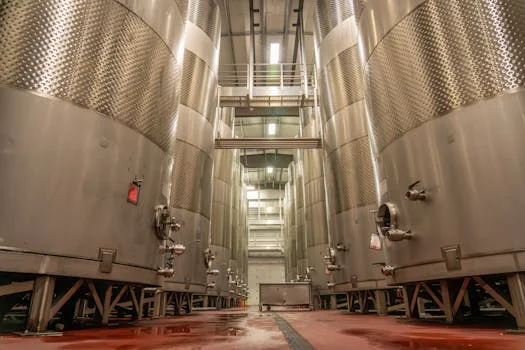
A Malmö-based dairy plant faced significant operational challenges, accumulating €300,000 in fines over two years for consistently exceeding BOD limits in its discharge, a direct consequence of an outdated conventional wastewater treatment system. The plant's high organic load and fluctuating production schedules overwhelmed its existing infrastructure, leading to non-compliance and substantial financial penalties.
To address this, the plant opted for a strategic upgrade, installing a 200 m³/day EcoFlow Systems package plant featuring advanced Membrane Bioreactor (MBR) technology. The decision was driven by the need for a rapid deployment solution that could guarantee stringent effluent quality without a large physical footprint or extensive civil works. The modular nature of the package plant facilitated a remarkably swift installation, completing the entire process within just three months, significantly faster than the 18-month estimate for a conventional upgrade.
The results were transformative: the new MBR package plant achieved 98% BOD removal and 95% nitrogen reduction, consistently meeting and often exceeding Swedish EPA effluent limits. Operationally, the plant realized €120,000 per year in OPEX savings compared to its previous system, primarily through reduced chemical consumption and avoided fines. While MBR systems typically require approximately 20% more energy than conventional activated sludge due to membrane aeration and pumping, this was offset by a substantial 50% reduction in sludge disposal costs, a major operational expense for high-load industrial facilities. This case demonstrates the tangible benefits of investing in an MBR package wastewater treatment system for high-efficiency BOD and nitrogen removal, providing a rapid, compliant, and cost-effective solution for industrial wastewater challenges.
Frequently Asked Questions
What is the difference between a package wastewater treatment plant and a conventional plant?
A package wastewater treatment plant is a modular, pre-engineered system built off-site and delivered as a complete unit, designed for rapid installation and a compact footprint. In contrast, a conventional plant is custom-designed and constructed entirely on-site, requiring extensive civil works, longer installation times, and typically occupying a much larger area.
How much does a package wastewater treatment plant cost in Sweden?
The capital expenditure (CAPEX) for a package wastewater treatment plant in Sweden ranges from €50,000 for small-scale units (10-50 m³/day) to over €2 million for large industrial applications (500-2,000 m³/day). Operational expenditure (OPEX) typically falls between €0.20 and €0.50 per cubic meter of treated water, covering energy, chemicals, and maintenance.
What are the Swedish EPA effluent limits for package plants?
For package plants in Sweden, the Swedish EPA generally mandates annual average effluent limits of 15 mg/L BOD, 0.5 mg/L phosphorus (P), and 10 mg/L nitrogen (N). Daily maximum limits are often set at 30 mg/L BOD and 1 mg/L P. These limits can vary based on the sensitivity of the receiving water body.
Can package plants handle industrial wastewater with high salinity or heavy metals?
Standard package wastewater treatment plants are primarily designed for domestic or easily biodegradable industrial wastewater. They are generally not suitable for wastewater with exceptionally high salinity or significant concentrations of heavy metals, which require specialized pre-treatment processes or entirely different treatment technologies to prevent damage to biological systems and ensure effective contaminant removal.
How long does it take to install a package wastewater treatment plant?
The installation of a package wastewater treatment plant is significantly faster than conventional systems, typically ranging from 3 to 6 months from delivery to full commissioning. This rapid deployment is a key advantage, reducing project timelines by up to 60% compared to the 18-24 months often required for conventional plant construction.