Why Paraná Needs Package Wastewater Treatment Plants
Package wastewater treatment plants fill Paraná’s gap where trunk sewers cannot reach. ABES 2024 data show 146 of 399 municipalities lack centralized sewage treatment. Small package plants typically win Sanepar approval in 6 to 12 months, versus 2 to 3 years for conventional works. State-linked permits commonly require BOD ≤20 mg/L, TSS ≤30 mg/L, and coliforms below 1,000 MPN/100 mL.
Sanepar’s 2025 concession model still prioritizes large-scale infrastructure, including the ACCIONA PPP for 48 municipalities. According to ACCIONA (2025), that public-private contract invests more than €324 million over 24 years as part of a wider 112-municipality programme aiming to serve more than 323,800 people within a decade. The Marco Legal do Saneamento (Law 14.026/2020) sets 2033 universalization targets, which pushes modular plants into "comunidades isoladas" where extending pipe networks remains cost-prohibitive.
Paraná’s modular package plants must satisfy Sanepar’s internal standards, which are tighter than national CONAMA 430/2011 discharge rules. Per ABNT NBR 12209:2021, small-scale plants serving ≤15,000 inhabitants (30 L/s) must meet BOD ≤20 mg/L and TSS ≤30 mg/L. National sanitary-sewage rules still allow BOD up to 120 mg/L or a stated removal efficiency pathway. Primary treatment or septic tanks alone therefore fail most state permits. Coliforms must stay below 1,000 MPN/100 mL, so disinfection belongs in the process train. Designers also size Vazão de Projeto (design flow) for infiltration common in older Paraná sewers, because diluted influent slows biological reactors.
Interior demographics reinforce compact footprints. A 10,000-inhabitant town in the Norte Pioneiro region generates about 200 m³/day of wastewater. Land acquisition and deep earthworks for a conventional plant often fail on topography or urban density. Package units at 1–2 m² per m³/h fit municipal easements or industrial-park perimeters. In the Serra do Mar, rocky ground makes deep excavation costly; above-ground modular tanks cut blasting and heavy civil work. Most plants we size for these towns run at the lower end of the hydraulic range until connections ramp up.
Design Parameters for Paraná Climate and Permits
Underground A/O (Anaerobic/Oxic) biological contact oxidation systems, such as the Underground Package Sewage Treatment Plant (WSZ Series) in the 1–80 m³/h range, balance footprint with energy use. Paraná average temperatures of 18°C to 25°C keep biology stable. Near Curitiba or Palmas, winter lows slow kinetics. Engineers then extend Sludge Retention Time (SRT) or insulate above-ground walls to hold 92–97% BOD removal. High-surface-area bio-film carrier media (MBBR media) protect nitrifiers during frost so ammonia limits still hold.
Energy use drives procurement scoring. Standard A/O systems consume 0.5 to 1.2 kWh/m³. Membrane Bioreactor (MBR) trains using DF series MBR membrane modules for high-efficiency treatment typically consume 1.5 to 2.5 kWh/m³ because of membrane scour air. MBR can deliver TSS < 2 mg/L, yet A/O remains the usual municipal choice in Paraná for lower OPEX and simpler remote maintenance. Food processors around Cascavel often see influent BOD near 2,000 mg/L and need rotary screens plus DAF before the biological stage. Keep Dissolved Oxygen (DO) at 2.0 to 4.0 mg/L in the aerobic zone to limit filamentous bulking.
| Parameter | A/O Integrated System (WSZ) | MBR System (DF Series) | Sanepar Limit (Small-Scale) |
|---|---|---|---|
| Footprint (m² per m³/h) | 1.0 – 2.0 (Underground) | 3.0 – 5.0 (Above-ground) | N/A |
| Energy Consumption (kWh/m³) | 0.5 – 1.2 | 1.5 – 2.5 | N/A |
| BOD Removal Efficiency | 92% – 95% | 96% – 99% | ≤ 20 mg/L (Effluent) |
| TSS Removal Efficiency | 90% – 93% | 98% – 99% | ≤ 30 mg/L (Effluent) |
| Coliform Reduction | 99.0% | 99.99% | ≤ 1,000 MPN/100 mL |
Municipal zoning "visual impact" clauses often decide underground versus above-ground shells. Underground tanks cut odor and noise near housing or hotels. For configuration trade-offs, see the comparison of underground systems vs. MBR and aerobic alternatives. Plants above 10 m³/h in Paraná increasingly add an automated sludge dewatering press to cut haul volumes and landfill fees.
Cost Breakdown: CAPEX and OPEX in Paraná
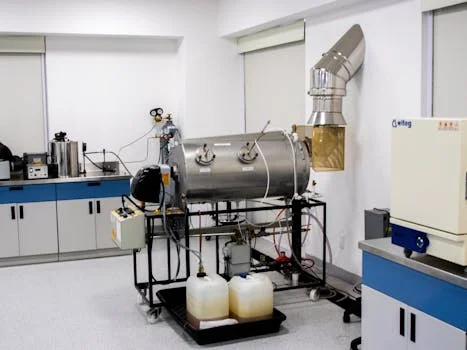
CAPEX for underground A/O package plants in Paraná currently ranges from R$ 8,000 to R$ 15,000 per m³/h of installed capacity for equipment, internal piping, and control panels. MBR systems run R$ 20,000 to R$ 30,000 per m³/h because of membrane modules and air-scour automation. These equipment bands align with Odisha’s cost benchmarks for package plants, even though local labor differs. Civil works—excavation, reinforced base slabs, and backfill—add another 20% to 35% of project cost when soils or groundwater are difficult.
OPEX is energy-heavy: power is typically 30–50% of the monthly budget. Biological trains in Paraná commonly spend R$ 0.50–1.20 per m³ on energy. Disinfection and phosphorus chemicals add R$ 0.20–0.50 per m³. MBR membrane replacement every 5 to 7 years amortizes to about R$ 0.10–0.30 per m³. Automated plants keep labor near 5–10% of OPEX for weekly checks and sensor calibration. Sludge disposal fees charged per ton at receiving works make on-site thickening a priority for remote municipalities.
| Cost Category | A/O System (R$ per m³) | MBR System (R$ per m³) | Primary Cost Driver |
|---|---|---|---|
| Energy | 0.50 – 1.20 | 1.50 – 2.20 | Aeration Blowers |
| Chemicals | 0.20 – 0.40 | 0.20 – 0.50 | Chlorine/Coagulants |
| Maintenance/Parts | 0.05 – 0.15 | 0.30 – 0.60 | Membrane replacement |
| Labor (Automated) | 0.10 – 0.25 | 0.15 – 0.30 | Technical monitoring |
| Total OPEX | 0.85 – 2.00 | 2.15 – 3.60 | — |
What does a package sewage plant upgrade cost?
Package sewage plant upgrades in Paraná usually cost less than a full new build when tanks and hydraulics remain sound. Typical drivers are blower replacement, controls, disinfection, and sludge handling rather than a new civil footprint. Budget the R$ 8,000–15,000 per m³/h equipment band only for capacity truly added. Retrofit scopes often land far lower when only process equipment changes.
BNDES sanitation loans historically quote about 6% to 8% interest, while PAC Saneamento grants demand complete technical packages. Industrial reuse projects in Paraná often show a 3–5 year payback when effluent displaces potable water for cooling or irrigation. Life Cycle Cost (LCC) over 20 years usually favors higher-efficiency blowers over cheap high-kWh units.
Which costs drive package treatment plant upgrades?
Upgrade cost centers on four items: aeration energy, membrane or media replacement, sludge logistics, and permit-driven nutrient stages. Energy at R$ 0.50–1.20 per m³ for A/O (and R$ 1.50–2.20 per m³ for MBR) dominates operating budgets after commissioning. Adding phosphorus or nitrogen removal for sensitive receivers raises both CAPEX and chemical OPEX. Most plants we audit after five years spend first on blowers, DO probes, and sludge presses before touching reactor shells.
Sanepar Compliance Checklist for Package Plants
Sanepar permitting for small-scale package plants spans 6–12 months and requires an environmental impact assessment (EIA) when capacity exceeds 50 m³/h. The path starts with Viabilidade Técnica against ABNT NBR 12209:2021. Sensitive receivers may trigger extra nitrogen and phosphorus stages. A Responsável Técnico (RT) registered with CREA-PR must sign hydraulic and structural packages.
Operational reporting under Sanepar’s 2025 guidelines calls for monthly BOD, TSS, and coliform results, plus quarterly pH, total nitrogen, and total phosphorus. Chlorine dioxide generators for effluent disinfection are often specified because residual stability holds better than sodium hypochlorite across highland temperature swings. Every plant needs a Plano de Gerenciamento de Resíduos Sólidos (PGRS) for sludge haul and treatment; illegal dumping carries criminal liability under Brazilian environmental law.
- Permitting: Obtain Outorga de Lançamento (Discharge Grant) from IAT (Instituto Água e Terra) and Sanepar approval.
- Design basis: Match ABNT NBR 12209:2021 and target BOD ≤20 mg/L, TSS ≤30 mg/L, coliforms ≤1,000 MPN/100 mL for small-scale permits.
- Technical sign-off: Keep a CREA-PR registered RT on hydraulic, structural, and electrical drawings.
- Monitoring: File monthly BOD/TSS/coliform reports and quarterly nutrient/pH reports under Sanepar’s 2025 guidance.
- Disinfection & sludge: Specify a stable disinfectant residual and a documented PGRS for biological sludge transport.
- EIA trigger: Plan extra schedule when capacity exceeds 50 m³/h and an EIA is mandatory.
- Infiltration: Confirm Vazão de Projeto includes infiltration so reactors are not chronically underloaded with dilute sewage.
Supplier Selection Criteria for Paraná Projects
Supplier selection for Paraná package plants should weight effluent guarantees, local service, and documented energy use over brochure claims. Ask for factory acceptance data at the stated m³/h, DO control ranges of 2.0–4.0 mg/L, and spare-parts lead times inside Brazil. Prefer vendors who can support both the WSZ series underground integrated units (1–80 m³/h) A/O layout and MBR modules when reuse or tight TSS limits apply. Require CREA-compatible drawings, PLC alarm lists in Portuguese, and a sludge plan that fits municipal receiving fees.
Who this is for: municipal engineers in towns without trunk sewers, EPC contractors bidding Sanepar-adjacent works, and industrial parks in Cascavel-class food clusters. Who should look elsewhere: cities already inside a financed centralized PPP trunk system with spare hydraulic capacity. Next step: send flow, influent BOD/TSS, and discharge limits for a sized proposal via the project inquiry form.
Frequently Asked Questions
How long does Sanepar approval take for a small package plant?
Sanepar approval for small-scale package plants typically takes 6 to 12 months when drawings and monitoring plans are complete. Conventional activated-sludge infrastructure often needs 2 to 3 years. Facilities above 50 m³/h add EIA time inside that window. Incomplete RT packages and missing PGRS documents are the usual delay sources.
What effluent limits apply to small package plants in Paraná?
Small-scale plants under ABNT NBR 12209:2021 guidance used with Sanepar permits commonly target BOD ≤20 mg/L and TSS ≤30 mg/L. Coliforms must stay below 1,000 MPN/100 mL, so disinfection is mandatory. These state expectations are stricter than the national CONAMA 430/2011 sanitary-sewage BOD ceiling of 120 mg/L. Nutrient limits may tighten further for sensitive receivers.
How much CAPEX should we budget per m³/h in Paraná?
Underground A/O equipment CAPEX currently runs about R$ 8,000 to R$ 15,000 per m³/h installed. MBR equipment typically sits at R$ 20,000 to R$ 30,000 per m³/h. Civil works usually add 20% to 35% depending on soil and groundwater. Always separate equipment quotes from excavation and slab costs before comparing bids.
Is A/O or MBR better for municipal sewage in Paraná?
A/O package plants are usually preferred for municipal sewage because energy stays near 0.5–1.2 kWh/m³ and rural O&M is simpler. MBR suits reuse or TSS < 2 mg/L duties at 1.5–2.5 kWh/m³. Food-industry influent near 2,000 mg/L BOD still needs screens and DAF ahead of either biology. Choose on effluent permit and operator skill, not brand preference.
What operating costs dominate after commissioning?
Energy dominates OPEX at roughly 30–50% of the monthly budget, or about R$ 0.50–1.20 per m³ for A/O biology. Chemicals add R$ 0.20–0.50 per m³, while automated labor often stays near 5–10% of OPEX. MBR adds membrane replacement every 5 to 7 years. Sludge tipping fees then decide whether a dewatering press pays back quickly.