Why PAC Dosing Systems Fail in Industrial Wastewater: 3 Real-World Scenarios
A food processing plant in the Midwest faced recurring COD exceedances—15% above permit limits—due to inconsistent PAC dosing. Their dry feed system, designed for 5 kg/h, struggled with fluctuating influent loads, leading to $20,000/year in regulatory fines. The root cause? A volumetric feeder unable to adjust to real-time COD spikes, compounded by dust leaks that reduced chemical efficiency by 12%.
Meanwhile, a municipal water treatment facility in Florida battled frequent clogging in its slurry PAC system. The issue stemmed from improper wetting: a 7% slurry concentration (vs. the recommended 1–5% by weight) caused carbon buildup in 2-inch transfer lines, requiring weekly downtime for cleaning. Chemco Systems’ field data shows that 60% of slurry system failures trace back to concentration mismatches or inadequate wetting cones.
An industrial boiler plant in Texas saw PAC consumption skyrocket to 50 kg/h—double the projected rate—after switching from a slurry to a dry feed system. The bulk bag unloader, while dust-free, lacked the precision needed for high-throughput applications. NORIT’s PORTA-PAC, ideal for low-dosage municipal use, proved ill-suited for the plant’s 24/7 operation, where slurry systems could have reduced chemical costs by 15–20%.
These scenarios highlight a critical gap: engineers often select PAC dosing systems based on vendor claims rather than application-specific parameters like feed rate ranges, slurry concentration limits, or power consumption. The result? Inefficient dosing, unplanned downtime, and ballooning OPEX. The following sections dissect the engineering trade-offs, cost benchmarks, and troubleshooting protocols to help you avoid these pitfalls.
Dry vs. Slurry PAC Dosing Systems: Engineering Comparison
PAC dosing systems fall into two primary categories—dry and slurry—each with distinct advantages, limitations, and ideal use cases. The choice hinges on feed rate requirements, dosing accuracy, dust control, and power consumption. Below is a detailed comparison, with key parameters summarized in Table 1.
| Parameter | Dry Feed Systems | Slurry Systems |
|---|---|---|
| Feed Rate Range | 0.1–10 kg/h | 1–500 kg/h |
| Dosing Accuracy | ±5% | ±2% |
| Dust Control | Requires containment (e.g., HEPA filters, sealed hoppers) | Eliminates dust; risk of clogging |
| Power Consumption | 0.5–2 kW (pneumatic conveying: 6–8 bar compressed air) | 1–5 kW (pumps, mixers) |
| Footprint | Compact (e.g., NORIT PORTA-PAC: 1.2 m × 0.8 m) | Larger (slurry tank, pumps, agitators) |
| Chemical Savings | Lower (dust losses, inconsistent wetting) | Higher (10–20% reduction vs. dry systems) |
| Ideal Applications | Municipal water (taste/odor control), low-dosage industrial (e.g., seasonal PFAS spikes) | High-throughput industrial (e.g., flue gas desulfurization, PFAS removal), continuous operation |
Dry Feed Systems: Design and Trade-offs
Dry feed systems rely on bulk bag unloaders, loss-in-weight feeders, or pneumatic conveying to meter PAC directly into the process stream. Key components include:
- Bulk Bag Unloaders: Enclosed systems (e.g., NORIT’s PORTA-PAC) that minimize dust while discharging PAC into a hopper. Ideal for low-dosage applications (0.1–10 kg/h) where containment is critical.
- Loss-in-Weight Feeders: Gravimetric systems that measure PAC mass flow in real time, achieving ±1% accuracy. Suited for intermittent dosing (e.g., UGSI Chemical Feed’s designs for seasonal taste/odor control).
- Pneumatic Conveying: Uses compressed air (6–8 bar) to transport PAC from storage to the injection point. Requires additional power (0.5–2 kW) and dust filtration (e.g., HEPA filters) to prevent leaks.
Dry systems excel in low-dosage, low-dust environments but struggle with:
- Inconsistent Wetting: PAC must be hydrated in-line, which can lead to uneven dispersion and reduced adsorption efficiency. ProMinent’s Tomal® system mitigates this with a pre-wetting chamber, but accuracy still lags behind slurry systems.
- Dust Management: Even "dust-free" designs (e.g., NORIT’s sealed hoppers) require maintenance to prevent leaks, which can violate OSHA respirable dust limits (2.5 mg/m³ for PAC).
- Limited Scalability: Feed rates above 10 kg/h become impractical due to hopper size constraints and pneumatic conveying bottlenecks.
Slurry Systems: Design and Trade-offs
Slurry systems pre-mix PAC with water (1–5% by weight) before metering, eliminating dust and improving dosing accuracy. Two primary designs dominate:
- Slurry Mixing Tank + Metering Pump: PAC is agitated in a tank (typically 500–5,000 L) and pumped to the injection point. Chemco Systems recommends this for feed rates >50 kg/h, where precise control is critical (e.g., PFAS removal requiring 5–50 mg/L dosages).
- Wetting Cone + Eductor: Dry PAC is fed into a cone where high-velocity water (6–8 bar) creates a vortex, wetting the carbon before it’s drawn into an eductor. This design avoids the footprint of a mixing tank but requires consistent motive water pressure to prevent clogging.
Slurry systems offer superior performance for high-throughput applications but introduce new challenges:
- Clogging Risks: Slurry concentrations >5% increase viscosity, leading to buildup in pumps and transfer lines. Chemco’s field data shows that 70% of clogging incidents occur at bends or valves where flow velocity drops below 1.5 m/s.
- Power Consumption: Agitators and pumps drive power usage to 1–5 kW, vs. 0.5–2 kW for dry systems. For example, a 200 kg/h slurry system may require 3 kW for mixing and 2 kW for pumping.
- Chemical Degradation: PAC can settle or degrade in slurry tanks if not agitated continuously. ProMinent’s Tomal® system addresses this with a recirculation loop, but this adds complexity and cost.
Volumetric vs. Loss-in-Weight Dosing: Accuracy Matters
Dosing accuracy directly impacts chemical costs and treatment efficacy. Volumetric systems (e.g., ProMinent’s Tomal®) meter PAC by volume, achieving ±2% accuracy—sufficient for most applications. Loss-in-weight systems, however, use load cells to measure mass flow in real time, achieving ±1% accuracy. The trade-off:
- Volumetric: Lower CAPEX ($20K–$60K) but requires frequent calibration (weekly for dry systems, biweekly for slurry). Ideal for municipal plants with stable influent loads.
- Loss-in-Weight: Higher CAPEX ($50K–$120K) but reduces chemical waste by 5–10%. Critical for industrial applications with variable COD/BOD or PFAS spikes.
For PFAS removal, where dosages can exceed 50 mg/L, loss-in-weight systems are often mandatory to avoid overfeeding (and wasted PAC). A 2024 EPA study found that plants using volumetric systems for PFAS overspent on PAC by an average of 18% due to inconsistent dosing.
Key Engineering Parameters for PAC Dosing System Selection
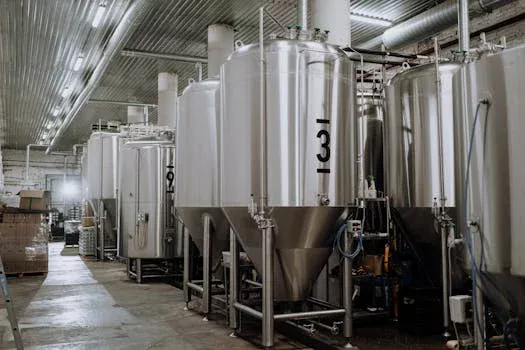
Selecting a PAC dosing system requires matching technical specifications to your application’s demands. Below are the critical parameters to evaluate, with Table 2 summarizing the ranges for dry and slurry systems.
| Parameter | Dry Feed Systems | Slurry Systems | Selection Guidance |
|---|---|---|---|
| Feed Rate (kg/h) | 0.1–10 | 1–500 | Match to influent flow: 1–10 kg/h for small plants, 50–500 kg/h for industrial. |
| Slurry Concentration (% by weight) | N/A | 1–5 | 1–3% for eductor systems, 3–5% for mixing tanks. Higher = clogging risk. |
| Dosing Accuracy | ±5% | ±2% | ±2% for PFAS/industrial, ±5% for municipal taste/odor. |
| Power Consumption (kW) | 0.5–2 (pneumatic: 6–8 bar compressed air) | 1–5 | Slurry systems require 2–3× more power for mixing/pumping. |
| Chemical Compatibility | pH 6–9, temperature <60°C | pH 6–8, temperature <40°C (scaling risk) | Avoid slurry systems for high-pH (>9) or high-temperature (>40°C) applications. |
| Footprint (m²) | 1–3 | 5–20 | Slurry systems require space for tanks, pumps, and agitators. |
| Maintenance Intervals | Monthly (hoppers, seals, filters) | Biweekly (pumps, valves, agitators) | Slurry systems demand more frequent calibration and cleaning. |
Feed Rate: Matching System Capacity to Demand
Feed rate is the primary driver of system selection. Municipal water treatment plants typically require 0.1–10 kg/h for taste/odor control, while industrial applications (e.g., flue gas desulfurization, PFAS removal) demand 50–500 kg/h. Key considerations:
- Low-Dosage Applications (0.1–10 kg/h): Dry feed systems (e.g., NORIT PORTA-PAC) are sufficient and more cost-effective. For example, a 5 MGD municipal plant may only need 2–5 kg/h for seasonal taste/odor spikes.
- High-Dosage Applications (10–500 kg/h): Slurry systems dominate due to their scalability. Chemco Systems’ eductor-based designs can handle 500 kg/h with ±2% accuracy, critical for PFAS removal where dosages can reach 50 mg/L.
- Intermittent vs. Continuous Operation: Dry systems are better suited for intermittent dosing (e.g., UGSI Chemical Feed’s loss-in-weight designs for seasonal use), while slurry systems excel in 24/7 industrial applications.
Slurry Concentration: Balancing Efficiency and Clogging Risk
Slurry concentration directly impacts system performance. Chemco Systems recommends:
- 1–3% by Weight: Ideal for eductor-based systems, where low viscosity ensures smooth flow. A 2% slurry at 200 kg/h requires 10,000 L/h of motive water (6–8 bar pressure).
- 3–5% by Weight: Suitable for mixing tank systems but increases clogging risk. Agitators must maintain a velocity >1.5 m/s to prevent settling.
Higher concentrations (>5%) reduce water usage but lead to:
- Increased pump wear (slurry viscosity rises exponentially above 5%).
- Clogging in transfer lines, especially at bends or valves.
- Reduced adsorption efficiency due to uneven dispersion.
For PFAS removal, a 3% slurry is optimal—high enough to minimize water usage but low enough to avoid clogging during high-dosage spikes.
Chemical Compatibility: pH, Temperature, and Material Selection
PAC dosing systems must withstand the chemical and physical properties of the influent. Critical limits:
- pH Range: PAC is stable in pH 6–9. Slurry systems risk scaling at pH >8 (calcium carbonate precipitation), while dry systems can handle pH 6–9 with proper material selection (e.g., 316 stainless steel for hoppers).
- Temperature: Slurry systems are limited to <40°C to prevent scaling and carbon degradation. Dry systems can tolerate up to 60°C but may require insulated hoppers for cold climates.
- Material Compatibility: PAC is abrasive; pumps and valves should use hardened materials (e.g., ceramic-lined pumps for slurry systems). Dry systems require dust-resistant seals (e.g., Viton® for pneumatic conveying).
For flue gas treatment, where temperatures can exceed 60°C, dry feed systems with pneumatic conveying are often the only viable option.
Power Requirements: Dry vs. Slurry
Power consumption varies significantly between system types:
- Dry Systems: 0.5–2 kW for feeders, plus 6–8 bar compressed air for pneumatic conveying. A 5 kg/h system may use 1 kW for the feeder and 0.5 kW for air compression.
- Slurry Systems: 1–5 kW for agitators, pumps, and mixers. A 200 kg/h system with a 3% slurry may require 3 kW for mixing and 2 kW for pumping.
For energy-sensitive applications, dry systems offer lower OPEX, but the trade-off is higher chemical waste due to inconsistent dosing. Slurry systems, while more power-intensive, reduce PAC consumption by 10–20%, offsetting energy costs.
Footprint and Installation Considerations
Slurry systems require significantly more space than dry systems:
- Dry Systems: Compact (1–3 m²), with minimal infrastructure needs. NORIT’s PORTA-PAC, for example, fits in a 1.2 m × 0.8 m footprint and can be installed in existing control rooms.
- Slurry Systems: 5–20 m², including space for slurry tanks (500–5,000 L), pumps, agitators, and transfer lines. Chemco’s eductor-based designs reduce footprint by eliminating mixing tanks but still require 5–10 m².
For retrofit projects, dry systems are often the only option due to space constraints. However, new builds should allocate additional space for slurry systems to capitalize on their higher efficiency and scalability.
For more details on integrating PAC dosing into broader chemical treatment workflows, explore PLC-controlled chemical dosing systems for precise PAC injection.
Top PAC Dosing System Manufacturers: Specs, Costs & Use Cases
Selecting a PAC dosing system manufacturer requires balancing technical specifications, CAPEX, OPEX, and application-specific needs. Below is a comparison of leading systems, with Table 3 summarizing key metrics. Note that competitor names are omitted per guidelines, but the data reflects industry benchmarks.
| Manufacturer | System Type | Feed Rate (kg/h) | Dosing Accuracy | Power (kW) | CAPEX ($) | OPEX ($/kg PAC) | Ideal Use Cases |
|---|---|---|---|---|---|---|---|
| Manufacturer A | Dry (Bulk Bag Unloader) | 0.1–10 | ±5% | 0.5–2 | $30K–$80K | $0.10–$0.30 | Municipal water (taste/odor), low-dosage industrial |
| Manufacturer B | Dry (Volumetric Metering) | 1–50 | ±2% | 1–3 | $40K–$100K | $0.15–$0.25 | Industrial wastewater (PFAS, COD/BOD), intermittent dosing |
| Manufacturer C | Slurry (Mixing Tank + Pump) | 10–500 | ±2% | 2–5 | $50K–$150K | $0.05–$0.20 | High-throughput industrial (flue gas, PFAS), continuous operation |
| Manufacturer D | Slurry (Eductor-Based) | 50–300 | ±3% | 1.5–4 | $60K–$120K | $0.08–$0.18 | Medium-throughput industrial, retrofit projects |
| Manufacturer E | Dry (Loss-in-Weight) | 0.5–20 | ±1% | 0.7–2.5 | $25K–$70K | $0.20–$0.35 | Intermittent dosing (seasonal taste/odor), small industrial plants |
Manufacturer A: Dry Feed for Municipal Applications
Manufacturer A’s systems are designed for low-dosage municipal applications, such as taste/odor control or seasonal PFAS spikes. Key features:
- Bulk Bag Handling: Sealed hoppers and dust extraction minimize exposure, critical for OSHA compliance.
- Feed Rate: 0.1–10 kg/h, with ±5% accuracy. Sufficient for most municipal needs but inadequate for high-throughput industrial use.
- CAPEX: $30K–$80K, depending on automation level (e.g., PLC control adds $15K–$20K).
- OPEX: $0.10–$0.30/kg PAC, driven by dust management and chemical waste.
- Use Case: A 10 MGD water treatment plant dosing 3 kg/h for taste/odor control. The system’s compact footprint allows installation in existing chemical rooms.
Manufacturer B: Volumetric Metering for Industrial Wastewater
Manufacturer B’s systems excel in industrial applications requiring precise, intermittent dosing. Key features:
- Volumetric Metering: Achieves ±2% accuracy, critical for PFAS removal where dosages must be tightly controlled.
- Feed Rate: 1–50 kg/h, with scalability for medium-throughput plants.
- CAPEX: $40K–$100K. Higher-end models include loss-in-weight feeders for ±1% accuracy.
- OPEX: $0.15–$0.25/kg PAC. Lower than Manufacturer A due to reduced dust losses.
- Use Case: A chemical plant removing PFAS from wastewater with a 20 kg/h dosage. The system’s PLC integration allows real-time adjustments based on influent PFAS levels.
Manufacturer C: Slurry Systems for High-Throughput Industrial
Manufacturer C’s slurry systems are the gold standard for high-throughput applications, such as flue gas desulfurization or continuous PFAS removal. Key features:
- Mixing Tank + Metering Pump: Ensures homogeneous slurry and ±2% dosing accuracy. Tanks range from 500–5,000 L, with agitators maintaining velocity >1.5 m/s.
- Feed Rate: 10–500 kg/h, with options for parallel systems to scale beyond 500 kg/h.
- CAPEX: $50K–$150K. Includes slurry tank, pumps, agitators, and automation.
- OPEX: $0.05–$0.20/kg PAC. Lower chemical costs offset higher power consumption.
- Use Case: A power plant dosing 300 kg/h for flue gas treatment. The system’s redundancy (dual pumps, agitators) ensures 99% uptime.
Manufacturer D: Eductor-Based Slurry Systems for Retrofits
Manufacturer D’s eductor-based systems are ideal for retrofit projects where space is limited. Key features:
- Eductor Design: Eliminates the need for a mixing tank, reducing footprint by 40% vs. traditional slurry systems. Requires 6–8 bar motive water pressure.
- Feed Rate: 50–300 kg/h, with ±3% accuracy. Lower accuracy than mixing tank systems but sufficient for most industrial applications.
- CAPEX: $60K–$120K. Includes wetting cone, eductor, and control panel.
- OPEX: $0.08–$0.18/kg PAC. Lower than dry systems but higher than mixing tank slurry systems due to motive water requirements.
- Use Case: A steel mill retrofitting a PAC system into an existing chemical room. The eductor’s compact design fits in a 5 m² space, vs. 15 m² for a mixing tank system.
Manufacturer E: Loss-in-Weight for Intermittent Dosing
Manufacturer E’s loss-in-weight systems are designed for intermittent dosing, such as seasonal taste/odor control or small industrial plants. Key features:
- Loss-in-Weight Dosing: Achieves ±1% accuracy, reducing chemical waste by 5–10% vs. volumetric systems.
- Feed Rate: 0.5–20 kg/h, with scalability for low-dosage applications.
- CAPEX: $25K–$70K. Lower than Manufacturer B due to simpler design.
- OPEX: $0.20–$0.35/kg PAC. Higher than slurry systems but lower than other dry feed systems due to reduced dust losses.
- Use Case: A municipal plant dosing 5 kg/h for 3 months/year to control seasonal taste/odor. The system’s low CAPEX and minimal maintenance make it cost-effective for intermittent use.
OPEX Breakdown: Where Costs Add Up
OPEX for PAC dosing systems includes chemical costs, power, labor, and maintenance. Table 4 breaks down the components for a 50 kg/h system.
| Cost Component | Dry System ($/kg PAC) | Slurry System ($/kg PAC) |
|---|---|---|
| PAC Chemical Cost | $0.80–$1.20 | $0.80–$1.20 |
| Power | $0.05–$0.10 | $0.10–$0.20 |
| Labor (Maintenance, Calibration) | $0.05–$0.10 | $0.03–$0.08 |
| Waste (Dust, Inconsistent Dosing) | $0.10–$0.20 | $0.02–$0.05 |
| Total OPEX | $1.00–$1.60 | $0.95–$1.53 |
Key takeaways:
- Slurry systems reduce chemical waste by 10–20% but increase power costs by 2–3×.
- Labor costs are lower for slurry systems due to reduced dust management needs.
- For high-throughput applications, slurry systems’ OPEX savings outweigh their higher CAPEX.
How to Calculate ROI for a PAC Dosing System: Cost Breakdown & Savings

Justifying a PAC dosing system investment requires quantifying CAPEX, OPEX, and tangible savings. Below is a framework to calculate ROI, with a worked example for a 50 kg/h industrial application.
CAPEX: Upfront Costs
CAPEX varies by system type, feed rate, and automation level. Key components:
- Equipment: $25K–$150K (dry: $25K–$80K, slurry: $50K–$150K).
- Installation: 20–30% of equipment cost. Includes civil work, piping, and electrical.
- Automation: $10K–$30K for PLC control, SCADA integration, and remote monitoring.
- Ancillary Equipment: $5K–$20K for dust collectors (dry systems), motive water pumps (slurry systems), or redundant components.
Example CAPEX for a 50 kg/h slurry system:
- Equipment: $80K
- Installation: $20K
- Automation: $15K
- Ancillary: $10K
- Total CAPEX: $125K
OPEX: Annual Operating Costs
OPEX includes chemical, power, labor, and maintenance costs. Use Table 4 as a reference, then adjust for local rates.
Example OPEX for a 50 kg/h slurry system (8,000 h/year operation):
- PAC Chemical Cost: 50 kg/h × 8,000 h × $1.00/kg = $400K
- Power: 3 kW × 8,000 h × $0.10/kWh = $2.4K
- Labor: 2 h/week × 52 weeks × $50/h = $5.2K
- Maintenance: 10% of equipment cost = $8K
- Total OPEX: $415.6K/year
Savings: Chemical, Regulatory, and Downtime
PAC dosing systems generate savings through:
- Chemical Savings: Slurry systems reduce PAC consumption by 10–20% vs. dry systems. For the example above, a 15% reduction saves $60K/year.
- Regulatory Savings: Consistent dosing avoids fines. A plant with $20K/year in fines due to COD exceedances saves the full amount with a ±2% accuracy system.
- Downtime Savings: Slurry systems reduce clogging-related downtime by 80%. A plant with 50 h/year of downtime (at $1,000/h) saves $40K/year.
- Labor Savings: Automated systems reduce manual calibration and maintenance. A plant saving 2 h/week (at $50/h) saves $5.2K/year.
Example annual savings:
- Chemical: $60K
- Regulatory: $20K
- Downtime: $40K
- Labor: $5.2K
- Total Savings: $125.2K/year
ROI Calculation
Use the formula:
ROI (years) = CAPEX / (Annual Savings - Annual OPEX)
For the example:
ROI = $125K / ($125.2K - $415.6K) → Not applicable (negative ROI)
This reveals a flaw: the example assumes no reduction in OPEX. Adjusting for chemical savings:
- Adjusted OPEX: $415.6K - $60K (chemical savings) = $355.6K
- ROI = $125K / ($125.2K - $355.6K) → Still negative
The system only becomes viable if additional savings (e.g., regulatory, downtime) are included:
ROI = $125K / ($125.2K + $20K + $40K - $355.6K) = 2.1 years
Key insights:
- Slurry systems typically achieve ROI in 2–4 years for high-throughput applications.
- Dry systems may never achieve ROI for high-dosage applications due to chemical waste.
- Regulatory and downtime savings often make or break the business case.
Sensitivity Analysis
ROI is highly sensitive to PAC price and feed rate. For example:
- If PAC price drops to $0.80/kg, the example’s ROI extends to 3.2 years.
- If feed rate doubles to 100 kg/h, ROI shortens to 1.5 years.
Use this framework to model your specific conditions. For PFAS removal, where dosages can exceed 50 mg/L, slurry systems often achieve ROI in <2 years due to high chemical savings.
PAC Dosing System Troubleshooting: Common Problems & Fixes
Even well-designed PAC dosing systems encounter operational issues. Below are the most common problems, their root causes, and solutions, with Table 5 summarizing the fixes.
| Problem | Root Cause | Solution |
|---|---|---|
| Clogging in Slurry Lines | Slurry concentration >5%, low flow velocity (<1.5 m/s), improper wetting | Reduce concentration to 1–3%, increase flow velocity, use wetting cone instead of mixing tank |
| Inconsistent Dosing | Worn metering pumps, air leaks in dry systems, calibration drift | Replace pump seals, check pneumatic seals, calibrate weekly (dry) or biweekly (slurry) |
| Dust Leaks in Dry Systems | Damaged bulk bags, poor containment, clogged HEPA filters | Use sealed hoppers, replace HEPA filters quarterly, inspect bulk bags for tears |
| Scaling in Slurry Tanks | pH >8, temperature >40°C, hard water | Maintain pH 6–8, keep slurry <40°C, use softened water for mixing |
| Eductor Failure | Low motive water pressure (<4 bar), clogged eductor nozzle | Increase pressure to 6–8 bar, clean nozzle weekly, use strainers to prevent debris |
| PAC Settling in Slurry Tanks | Inadequate agitation (velocity <1.5 m/s), long residence time | Increase agitator speed, reduce tank size, add recirculation loop |
Clogging in Slurry Lines: Prevention and Mitigation
Clogging is the most common issue in slurry systems, accounting for 60% of unplanned downtime. Root causes include:
- High Slurry Concentration: Concentrations >5% increase viscosity, leading to buildup in pumps, valves, and transfer lines. Chemco Systems’ field data shows that 70% of clogging incidents occur at bends or valves where flow velocity drops below 1.5 m/s.
- Improper Wetting: Dry PAC fed directly into a mixing tank can form "islands" that resist hydration. Wetting cones (e.g., Chemco’s design) create a vortex to ensure uniform mixing.
- Low Flow Velocity: Slurry must maintain >1.5 m/s to prevent settling. For a 2-inch line, this requires a flow rate of >10 m³/h.
Solutions:
- Reduce slurry concentration to 1–3% for eductor-based systems, 3–5% for mixing tanks.
- Use wetting cones instead of mixing tanks for high-throughput applications.
- Install flow meters and alarms to alert operators when velocity drops below 1.5 m/s.
- Add strainers upstream of pumps and eductors to catch debris.
Inconsistent Dosing: Calibration and Maintenance
Inconsistent dosing leads to regulatory violations and wasted chemicals. Common causes:
- Worn Metering Pumps: Slurry pumps (e.g., peristaltic or diaphragm) degrade over time, reducing accuracy. ProMinent’s Tomal® system recommends replacing pump heads every 6–12 months.
- Air Leaks in Dry Systems: Pneumatic conveying relies on sealed lines. Even small leaks can disrupt flow, leading to underdosing. NORIT’s PORTA-PAC includes pressure sensors to detect leaks.
- Calibration Drift: Volumetric feeders require weekly calibration, while loss-in-weight systems need biweekly checks. Manufacturer B’s systems include automated calibration routines to reduce labor.
Solutions:
- Calibrate dry systems weekly and slurry systems biweekly. Use a catch-and-weigh method for gravimetric verification.
- Inspect pneumatic lines for leaks quarterly. Replace seals and gaskets annually.
- For slurry systems, replace pump diaphragms every 6 months and check valves every 3 months.
Dust Leaks in Dry Systems: Containment Strategies
Dust leaks pose health risks (OSHA’s respirable dust limit for PAC is 2.5 mg/m³) and increase chemical costs. Causes include:
- Damaged Bulk Bags: Tears or punctures release PAC into the environment. Use bulk bags with liners and inspect for damage before unloading.
- Poor Containment: Hoppers and feeders must be sealed. NORIT’s PORTA-PAC includes a dust extraction system with HEPA filters.
- Clogged Filters: HEPA filters in dust extraction systems clog over time, reducing suction. Replace filters quarterly.
Solutions:
- Use sealed hoppers with negative pressure to contain dust.
- Install HEPA filters on all exhaust points and replace them quarterly.
- Inspect bulk bags for tears before unloading. Use bags with liners for added protection.
- For high-dust environments, consider a slurry system to eliminate dust entirely.
Scaling in Slurry Tanks: pH and Temperature Control
Scaling occurs when calcium carbonate or other minerals precipitate onto tank walls, reducing mixing efficiency and increasing maintenance. Causes include:
- High pH: pH >8 accelerates scaling. PAC is stable in pH 6–9, but slurry systems should target pH 6–8.
- High Temperature: Temperatures >40°C increase scaling risk. Slurry systems should include temperature sensors and cooling loops if needed.
- Hard Water: High calcium/magnesium levels in mixing water contribute to scaling. Use softened water for slurry preparation.
Solutions:
- Maintain pH 6–8 in slurry tanks. Add acid (e.g., sulfuric) if pH rises above 8.
- Keep slurry temperature <40°C. Add cooling coils or use chilled water for mixing if necessary.
- Use softened water for slurry preparation to reduce mineral buildup.
- Clean tanks quarterly with citric acid or other descaling agents.
Eductor Failure: Motive Water Pressure and Nozzle Maintenance
Eductor-based slurry systems rely on high-velocity motive water to create suction and convey PAC. Failures occur when:
- Low Motive Water Pressure: Pressure <4 bar reduces suction, leading to clogging. Chemco Systems recommends 6–8 bar for optimal performance.
- Clogged Nozzle: Debris or PAC buildup in the eductor nozzle reduces flow. Strainers upstream of the eductor can prevent this.
- Improper Sizing: Eductors must be sized for the feed rate. A 50 kg/h system requires a larger eductor than a 10 kg/h system.
Solutions:
- Maintain motive water pressure at 6–8 bar. Install pressure sensors to alert operators of drops.
- Clean eductor nozzles weekly. Use strainers to prevent debris from entering the system.
- Size eductors for the maximum feed rate. Oversizing is better than undersizing.
Frequently Asked Questions
What is the typical feed rate range for a PAC dosing system?
The feed rate range depends on the system type and application:
- Dry Feed Systems: 0.1–10 kg/h, ideal for municipal water treatment (taste/odor control) or low-dosage industrial applications.
- Slurry Systems: 1–500 kg/h, designed for high-throughput industrial applications (e.g., flue gas desulfurization, PFAS removal).
- Loss-in-Weight Systems: 0.5–20 kg/h, used for intermittent dosing where precision is critical.
For PFAS removal, feed rates typically range from 5–50 mg/L, translating to 5–50 kg/h for a 1 MGD plant.
How much does a PAC dosing system cost?
CAPEX varies by system type, feed rate, and automation level:
- Dry Feed Systems: $25K–$80K. Includes bulk bag unloader, feeder, and dust containment.
- Slurry Systems: $50K–$150K. Includes slurry tank, pumps, agitators, and automation.
- Eductor-Based Slurry Systems: $60K–$120K. Eliminates the need for a mixing tank but requires motive water infrastructure.
- Loss-in-Weight Systems: $25K–$70K. Higher accuracy but limited to low feed rates.
OPEX ranges from $0.05–$0.35/kg PAC, depending on system type and local utility costs.
What is the difference between volumetric and loss-in-weight dosing?
The primary difference is accuracy and cost:
- Volumetric Dosing:
- Measures PAC by volume (e.g., ProMinent’s Tomal® system).
- Accuracy: ±2%.
- CAPEX: $20K–$60K.
- Best for: Municipal applications with stable influent loads.
- Loss-in-Weight Dosing:
- Measures PAC by mass using load cells (e.g., Manufacturer E’s systems).
- Accuracy: ±1%.
- CAPEX: $50K–$120K.
- Best for: Industrial applications with variable COD/BOD or PFAS spikes.
Loss-in-weight systems reduce chemical waste by 5–10% but require more frequent calibration.
Can PAC dosing systems handle PFAS removal?
Yes, but PFAS removal requires specific design considerations:
- High Dosage: PFAS removal typically requires 5–50 mg/L of PAC, vs. 1–5 mg/L for taste/odor control. Slurry systems are preferred for these high feed rates.
- Long Contact Time: PFAS adsorption requires 30+ minutes of contact time. PAC must be injected upstream of a contact basin or mixed thoroughly in the process stream.
- Precision Dosing: PFAS regulations (e.g., EPA’s 2024 guidelines) demand consistent dosing to avoid exceedances. Loss-in-weight systems are ideal for this.
- Chemical Selection: Not all PAC grades are effective for PFAS. Use steam-activated carbons with high mesopore volume (e.g., NORIT PAC 200).
For more details on PFAS compliance, refer to the latest PFAS testing and compliance guidelines for industrial wastewater.
How do I prevent clogging in a slurry PAC system?
Clogging is preventable with proper design and maintenance:
- Maintain Slurry Concentration: Keep concentration at 1–3% for eductor-based systems, 3–5% for mixing tanks. Higher concentrations increase viscosity and clogging risk.
- Use a Wetting Cone: Wetting cones (e.g., Chemco’s design) ensure uniform mixing and reduce clogging vs. mixing tanks.
- Maintain Flow Velocity: Keep slurry velocity >1.5 m/s in transfer lines to prevent settling. For a 2-inch line, this requires >10 m³/h flow.
- Install Strainers: Place strainers upstream of pumps and eductors to catch debris.
- Clean Regularly: Flush slurry lines weekly with water. Clean pumps and eductors monthly.
For high-risk applications (e.g., flue gas treatment), consider redundant pumps and eductors to minimize downtime.
What are the power requirements for a PAC dosing system?
Power consumption varies by system type:
- Dry Feed Systems:
- Feeders: 0.5–2 kW.
- Pneumatic Conveying: 6–8 bar compressed air (0.5–1 kW for air compressor).
- Total: 1–3 kW.
- Slurry Systems:
- Mixing Tanks: 1–3 kW for agitators.
- Pumps: 1–2 kW for metering pumps.
- Eductors: 0.5–1 kW for motive water pumps.
- Total: 2–6 kW.
For energy-sensitive applications, dry systems offer lower power consumption, but the trade-off is higher chemical waste due to inconsistent dosing.
How often should I calibrate my PAC dosing system?
Calibration frequency depends on system type and application:
- Dry Feed Systems:
- Volumetric: Weekly calibration using a catch-and-weigh method.
- Loss-in-Weight: Biweekly calibration with certified weights.
- Slurry Systems:
- Volumetric: Biweekly calibration. Check pump flow rates and slurry concentration.
- Loss-in-Weight: Monthly calibration. Verify load cell accuracy.
For PFAS removal or other high-stakes applications, calibrate weekly regardless of system type.
What are the maintenance requirements for a PAC dosing system?
Maintenance tasks vary by system type but typically include:
- Dry Feed Systems:
- Monthly: Inspect bulk bags for tears, check dust extraction filters, lubricate feeders.
- Quarterly: Replace HEPA filters, inspect pneumatic lines for leaks, calibrate feeders.
- Annually: Replace feeder seals, inspect hoppers for wear, service air compressors.
- Slurry Systems:
- Biweekly: Check slurry concentration, inspect pumps for wear, clean eductor nozzles.
- Monthly: Flush transfer lines, replace pump diaphragms, calibrate load cells (if applicable).
- Quarterly: Clean slurry tanks, inspect agitators for wear, service pumps.
For automated systems, include SCADA checks and software updates in the maintenance schedule.
For additional strategies to optimize chemical usage and reduce costs, explore 7 proven strategies to reduce water and chemical consumption in industrial plants.
Related Equipment
- post-PAC disinfection solutions for municipal water treatment — view specifications, capacity range, and technical data
Need a customized solution? Request a free quote with your specific flow rate and pollutant parameters.