Why New Hampshire Industries Need Wastewater Treatment: Compliance Risks and Costs
New Hampshire’s 13 Publicly Owned Treatment Works (POTWs) enforce the Federal Industrial Pretreatment Program, requiring industries to meet strict discharge limits for TSS (<300 mg/L), BOD (<250 mg/L), and heavy metals (e.g., chromium <2.77 mg/L). On-site treatment systems like dissolved air flotation (DAF) achieve 95%+ TSS removal, while membrane bioreactors (MBR) deliver near-reuse-quality effluent (<10 mg/L BOD). Costs range from $50,000 for small chemical dosing systems to $2M+ for turnkey MBR plants, with ROI driven by avoided fines (up to $37,500/day for violations) and water reuse savings.
NHDES issued 42 enforcement actions in 2023, with fines reaching up to $37,500 per day for repeated violations, according to the NHDES 2023 Annual Compliance Report. For manufacturing facilities in the Granite State, these penalties are not merely theoretical; they represent a significant threat to operational continuity and bottom-line profitability. Common violations identified in New Hampshire industrial corridors include pH levels outside the mandatory 6.0–9.0 range, Total Suspended Solids (TSS) exceeding 300 mg/L, Fats, Oils, and Grease (FOG) over 100 mg/L, and heavy metal concentrations such as copper exceeding 3.38 mg/L or lead surpassing 0.69 mg/L.
A recent case study involving a Nashua-based metal finishing plant illustrates the financial stakes. The facility paid $120,000 in fines for chromium exceedances before modernizing its infrastructure. The solution involved installing a multi-stage chemical precipitation system combined with automated chemical dosing for NH metal finishing and textile plants. The system, which cost approximately $185,000 including installation, utilized ferric chloride for coagulation and polymer for flocculation, successfully bringing chromium levels well below the 2.77 mg/L limit. The payback period was achieved in less than 18 months through the elimination of municipal surcharges and fine avoidance.
The NHDES permit application timeline typically spans 90 to 120 days for new or significantly modified discharges. Facility managers are encouraged to schedule pre-application meetings with the NHDES Wastewater Engineering Bureau (603-271-3503) to ensure engineering reports meet state standards. Failure to account for this lead time can delay production restarts or facility expansions, adding indirect costs to the compliance burden.
New Hampshire’s Industrial Pretreatment Program: Regulatory Framework and Discharge Limits
The 13 New Hampshire municipalities that implement the Federal Industrial Pretreatment Program directly are Claremont, Concord, Derry, Dover, Franklin, Jaffrey, Keene, Laconia, Manchester, Merrimack, Nashua, Portsmouth, and Rochester. These cities operate under delegated authority from the EPA, meaning they have the power to issue permits, conduct inspections, and enforce local limits that may be more stringent than federal categorical standards. For example, while federal standards might focus on specific metals, a local POTW in a sensitive watershed may impose ammonia limits below 10 mg/L to prevent eutrophication in receiving waters.
Understanding the distinction between federal and local limits is critical for engineering design. NHDES oversight ensures that industrial effluent does not interfere with POTW operations or pass through untreated into New Hampshire’s rivers and coastal waters. For instance, facilities must carefully evaluate how Colorado’s wastewater treatment regulations compare to New Hampshire’s to understand regional differences in nutrient management and heavy metal thresholds.
| Parameter | Standard NHDES/POTW Limit | Sampling Method | Monitoring Frequency |
|---|---|---|---|
| pH | 6.0 – 9.0 S.U. | Grab | Continuous/Daily |
| TSS | < 300 mg/L | 24-Hour Composite | Weekly/Monthly |
| BOD5 | < 250 mg/L | 24-Hour Composite | Weekly/Monthly |
| FOG (Total) | < 100 mg/L | Grab | Monthly |
| Zinc (Zn) | < 2.61 mg/L | 24-Hour Composite | Quarterly |
| Nickel (Ni) | < 3.98 mg/L | 24-Hour Composite | Quarterly |
Sampling requirements are strictly dictated by flow volume. Facilities with a discharge greater than 25,000 gallons per day (GPD) are generally required to use 24-hour composite samples, which provide a flow-proportional representation of the waste stream. Smaller flows may qualify for grab sampling. Self-Monitoring Reports (SMRs) must be submitted monthly for categorical industries (such as electroplating or pharmaceutical manufacturing) and typically quarterly for non-categorical Significant Industrial Users (SIUs). All data must be submitted through the NHDES OneStop online portal, and records must be maintained on-site for a minimum of three years.
Treatment Technology Comparison: DAF vs. MBR vs. Chemical Dosing for NH Industries
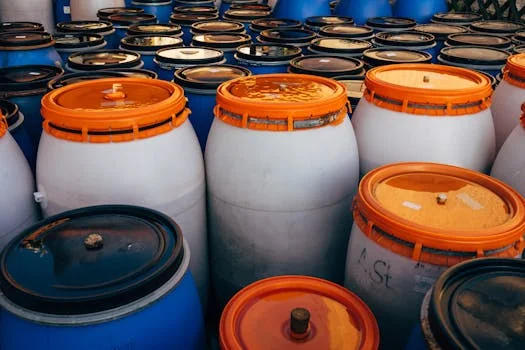
Selecting the appropriate treatment technology requires balancing removal efficiency with operational complexity and footprint. For food processing facilities in Derry or Manchester, high-efficiency DAF systems for NH food processing and metal finishing plants are often the primary choice. These systems utilize micro-bubbles to float suspended solids and fats to the surface for mechanical skimming. This technology is particularly effective at removing insoluble BOD and FOG, which are common drivers of municipal surcharges.
| Technology | Removal Efficiency (TSS/BOD) | Footprint Requirement | Energy Consumption | Best Application |
|---|---|---|---|---|
| DAF | 92–97% TSS / 70% BOD | Moderate (20–60 m²) | 0.3–0.5 kWh/m³ | Food Processing, Textiles |
| MBR (DF Series) | 99%+ TSS / 99% BOD | Low (Compact/Modular) | 0.8–1.2 kWh/m³ | Pharma, Semiconductors |
| Chemical Dosing | 80–90% Metals/TSS | Very Low | < 0.1 kWh/m³ | Metal Finishing, pH Adj |
For high-strength organic loads, such as those found in pharmaceutical or semiconductor manufacturing, MBR systems for NH pharmaceutical and semiconductor facilities requiring near-reuse-quality effluent offer superior performance. The MBR process combines biological treatment with ultrafiltration membranes, resulting in an effluent with BOD levels consistently below 10 mg/L. While energy consumption is higher than DAF, the 60% smaller footprint and the ability to reuse water for cooling towers or process makeup provide long-term economic advantages.
New Hampshire’s climate introduces specific engineering challenges. Biological systems like MBRs require tank insulation or heat exchangers to maintain optimal microbial activity during winter months when ambient temperatures drop. coastal facilities in Hampton or Rye must account for potential saltwater intrusion, which can increase chloride levels and affect the settling characteristics of flocculants. Chemical dosing systems must be calibrated to handle these fluctuations, often requiring multi-stage pH adjustment to ensure heavy metals remain insoluble for effective removal.
Centralized vs. On-Site Treatment: Costs, Compliance, and Decision Framework for NH Facilities
Industrial surcharges in New Hampshire can significantly inflate operational costs if not managed. Many POTWs, such as Concord, utilize a surcharge structure where industries pay a premium for any discharge exceeding "normal" domestic strength. In Concord, surcharges can reach $0.03 per gallon for TSS concentrations above 200 mg/L. For a facility discharging 50,000 GPD, this translates to $1,500 per day in surcharges alone, or over $500,000 annually. This makes the decision between centralized municipal treatment and on-site pretreatment a matter of simple arithmetic.
The decision framework for NH facilities generally hinges on three factors: flow volume, contaminant concentration, and available space. Facilities discharging less than 10,000 GPD with low-strength waste may find municipal surcharges more economical than the capital expenditure of a treatment plant. However, once flow exceeds 25,000 GPD or concentrations of heavy metals are present, on-site treatment becomes mandatory to meet pretreatment standards. When evaluating these options, engineers should consider how to choose between package and conventional treatment systems for NH industries to optimize for both footprint and future scalability.
| Factor | Centralized (Municipal) | On-Site Pretreatment |
|---|---|---|
| Initial CAPEX | $0 (Connection fees only) | $50,000 – $2,000,000+ |
| Operating Cost | High (Surcharges + Base rate) | Moderate (Chemicals + Energy) |
| Compliance Risk | Low (Transferred to POTW) | High (Facility is responsible) |
| Water Reuse | Not Possible | High Potential (with MBR/RO) |
A case study from a food processor in Derry demonstrates this ROI. By installing a DAF system to treat 40,000 GPD of high-FOG wastewater, the facility reduced its municipal surcharges by 70%. The system, which cost $140,000 to install, generated enough savings to pay for itself in 14 months. Additionally, the facility utilized the NHDES Clean Water State Revolving Fund (CWSRF), which provides low-interest loans for water quality improvement projects, further improving the project's net present value.
2025 Cost Benchmarks for Industrial Wastewater Treatment in New Hampshire

Budgeting for wastewater treatment in New Hampshire requires a granular understanding of capital expenditure (CAPEX) and operational expenditure (OPEX). For 2025, equipment costs have stabilized, but labor and specialized components remain subject to regional market rates. A standard DAF system for a mid-sized facility typically costs between $80,000 and $150,000, while a fully integrated MBR system can range from $300,000 to over $1M depending on the level of automation and the specific contaminants targeted.
| System Type | Capacity (GPD) | Estimated CAPEX | Annual OPEX |
|---|---|---|---|
| Chemical Dosing | 10,000 - 50,000 | $30,000 - $70,000 | $5,000 - $15,000 |
| DAF-20 | 20,000 - 60,000 | $90,000 - $160,000 | $12,000 - $25,000 |
| MBR (Integrated) | 50,000 - 150,000 | $400,000 - $900,000 | $40,000 - $85,000 |
Installation costs in New Hampshire generally add 20% to 30% to the equipment price. These costs are influenced by the state’s varied geology—blasting for underground piping in rocky terrain can significantly increase site work expenses. OPEX must account for New Hampshire’s electricity rates, which are among the highest in the U.S. This makes energy-efficient equipment, such as VFD-controlled pumps and high-efficiency aeration blowers, critical for maintaining a low total cost of ownership. For specialized facilities, such as hospital wastewater treatment solutions for NH healthcare facilities, the inclusion of disinfection stages (UV or Ozone) adds approximately $0.05 per m³ to operating costs.
To assist in financial planning, HydropureWater provides an ROI calculator that allows plant managers to input their current municipal surcharge rates, flow volumes, and contaminant loads. By comparing these figures against the CAPEX and OPEX of an on-site system, facilities can determine the exact "breakeven" point. Financing options like the USDA Rural Development grants are also available for facilities located in eligible NH towns, providing up to 25% in grant funding for environmental upgrades.
NHDES Compliance Checklist: Permits, Sampling, and Reporting
Maintaining compliance in New Hampshire requires a proactive approach to documentation and equipment maintenance. The NHDES Wastewater Engineering Bureau conducts unannounced inspections to verify that facilities are operating within their permit parameters. During these audits, inspectors focus on the calibration of flow meters, the accuracy of pH probes, and the integrity of sampling records. A single missing calibration log can trigger a "Letter of Deficiency," the first step in the enforcement process.
- Permit Readiness: Schedule a pre-application meeting with NHDES at least 6 months before a new discharge or process change.
- Engineering Report: Ensure all treatment system designs are stamped by a New Hampshire licensed Professional Engineer (PE).
- Sampling Protocol: Use NHDES-approved equipment (e.g., Hach or YSI) for continuous pH and flow monitoring.
- SMR Submission: Upload Self-Monitoring Reports to the OneStop portal by the 15th of the month following the sampling period.
- Recordkeeping: Maintain a 3-year archive of all laboratory results, chain-of-custody forms, and maintenance logs for treatment equipment.
- Emergency Plan: Develop a spill prevention and countermeasure plan (SPCC) to address potential bypasses or chemical leaks.
The recordkeeping requirement is often where facilities fail. NHDES requires that all data, including "raw" bench sheets from the laboratory, be accessible for review. If a facility uses an external lab, that lab must be NHDES-certified for the specific parameters being tested. Utilizing automated data logging systems can mitigate the risk of manual entry errors and ensure that the facility is always audit-ready.
Frequently Asked Questions
What are the discharge limits for industrial wastewater in New Hampshire?
Standard limits for discharge to a POTW are typically TSS <300 mg/L, BOD <250 mg/L, FOG <100 mg/L, and pH between 6.0 and 9.0. Specific heavy metal limits, such as Zinc <2.61 mg/L and Nickel <3.98 mg/L, apply to categorical industries under federal pretreatment standards.
How much does a DAF system cost for a 50,000 GPD facility in NH?
For a 50,000 GPD flow, a DAF system typically costs between $80,000 and $150,000 for the equipment, with an additional $20,000 to $40,000 for installation and commissioning. Annual O&M costs range from $0.15 to $0.30 per cubic meter treated.
Can I discharge treated wastewater to a septic system in NH?
No. NHDES strictly prohibits the discharge of industrial wastewater to a subsurface disposal system (septic system). All industrial waste must be pretreated and discharged to a POTW or treated on-site for direct discharge under an NPDES permit.
What are the penalties for violating NHDES wastewater discharge limits?
Penalties include administrative fines of up to $37,500 per day per violation, permit revocation, and the issuance of administrative orders requiring immediate and often expensive corrective actions.
How do I apply for a NHDES wastewater discharge permit?
The process begins with submitting an Industrial Wastewater Discharge Permit Application to the NHDES Wastewater Engineering Bureau. This must include a detailed engineering report and a discharge monitoring plan. Pre-application meetings are highly recommended to streamline the 90–120 day review process.
Related Equipment
- high-efficiency DAF systems for NH food processing and metal finishing plants — view specifications, capacity range, and technical data
- MBR systems for NH pharmaceutical and semiconductor facilities requiring near-reuse-quality effluent — view specifications, capacity range, and technical data
- automated chemical dosing for NH metal finishing and textile plants — view specifications, capacity range, and technical data
Need a customized solution? Request a free quote with your specific flow rate and pollutant parameters.