Hospital Wastewater Treatment in Romania: 2025 Engineering Guide, Costs & Compliance
Romanian hospitals must treat wastewater to meet EU Urban Waste Water Directive 91/271/EEC and local Order 188/2002, with effluent limits of 25 mg/L BOD₅, 125 mg/L COD, and 35 mg/L TSS. Ozone-based systems achieve 99% pathogen kill but cost €120–€200/m³, while MBR systems deliver reuse-quality water at €80–€150/m³. This guide compares 4 technologies, maps compliance requirements, and provides 2025 cost benchmarks for hospitals from 50 to 500 beds.
Why Romanian Hospitals Need Specialized Wastewater Treatment
Romanian regulatory frameworks, specifically Order 188/2002 (NTPA-001 and NTPA-011), mandate that hospital effluent discharged into public sewerage or natural water bodies must not exceed 25 mg/L BOD₅, 125 mg/L COD, and 35 mg/L TSS, with fecal coliform levels maintained below 1,000 CFU/100 mL. Standard municipal treatment is often insufficient because medical effluent is significantly more complex than domestic sewage. According to a study published in MDPI regarding three wastewater treatment plants in Romania, hospital wastewater contains antibiotic residues at concentrations 10 to 100 times higher than typical municipal influent, contributing directly to the rise of multi-drug resistant bacteria in the Danube river basin.
The biological risk profile has shifted dramatically in recent years. Data from Bucharest-based research indicates that the COVID-19 pandemic increased viral loads in hospital effluent by up to 300% during 2020–2021 peaks, highlighting the need for advanced disinfection stages. Failure to meet these standards carries severe financial and operational risks; Article 12 of Order 188/2002 specifies non-compliance penalties including fines up to €50,000 or the immediate shutdown of facility operations. A typical Romanian hospital produces wastewater with a pH of 6.5–8.5, BOD₅ of 200–600 mg/L, COD of 500–1,200 mg/L, and TSS of 150–400 mg/L, alongside persistent pathogens like E. coli, Pseudomonas, and various viral strains.
4 Hospital Wastewater Treatment Technologies Compared for Romanian Projects
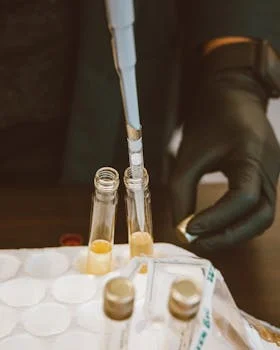
Engineering teams must balance removal efficiency against footprint and operational budgets. While traditional chlorine-based systems remain common, advanced biological and oxidation technologies are becoming the standard for 2025 projects to meet stricter EU-wide micro-pollutant requirements.
- MBR Systems: These systems integrate biological degradation with membrane filtration. They achieve 95% BOD/COD removal and 99.9% pathogen removal, producing effluent suitable for cooling tower makeup or landscape irrigation (TSS <1 mg/L, turbidity <0.2 NTU). The footprint for MBR systems for hospital wastewater is typically 60% smaller than conventional activated sludge plants.
- Ozone Disinfection: Ozone provides a 99% pathogen kill and 80–90% COD removal without chemical residuals. However, it requires a higher OPEX (€0.15–€0.30/m³) and does not remove nitrogen or phosphorus effectively on its own.
- Chlorine Dioxide: This method offers 99.9% pathogen kill with a lower CAPEX than ozone (€50–€80/m³). It is effective against biofilms but requires specialized chemical storage and can produce disinfection byproducts (DBPs) if not precisely dosed. For many facilities, on-site chlorine dioxide disinfection is the most cost-effective path to pathogen compliance.
- DAF + Chemical Dosing: Dissolved Air Flotation is essential for hospitals with large catering facilities. It achieves 90–95% TSS removal and 70–85% COD removal by targeting fats, oils, and grease (FOG). Using DAF pretreatment for high-FOG hospital wastewater prevents downstream clogging and membrane fouling.
| Parameter | Ozone | MBR Systems | Chlorine Dioxide | DAF + Dosing |
|---|---|---|---|---|
| Pathogen Removal | 99% + | 99.9% + | 99.9% | 60-70% |
| COD Removal | 80-90% | 90-98% | Minimal | 70-85% |
| Footprint | Medium | Very Small | Small | Medium |
| OPEX (€/m³) | 0.15 - 0.30 | 0.08 - 0.15 | 0.05 - 0.10 | 0.03 - 0.07 |
| Water Reuse | No | Yes | No | No |
EU and Romanian Compliance: What Hospitals Must Achieve in 2025
Compliance in Romania is governed by a dual-layer regulatory structure. The EU Urban Waste Water Directive 91/271/EEC requires secondary treatment for all hospitals exceeding 10,000 population equivalent (p.e.), where 1 p.e. is defined as 60 g of BOD₅ per day. For hospitals located in "sensitive areas"—which include the Danube Delta and specific mountain watersheds—Romanian Order 188/2002 (NTPA-011) imposes even stricter limits: 15 mg/L BOD₅ and 100 mg/L COD.
Disinfection standards have also tightened. Following EU 2020/741, any hospital wastewater intended for reuse must demonstrate 4-log removal of viruses. For general discharge, WHO Guidelines suggest a 6-log removal of bacteria. Monitoring frequency is strictly enforced by the National Administration "Romanian Waters" (ANAR); facilities must conduct weekly sampling for BOD, COD, and TSS, and monthly sampling for specific pathogens and antibiotic residues (Order 188/2002, Annex 3).
| Parameter | NTPA-001 (Standard) | NTPA-011 (Sensitive Areas) | EU 2020/741 (Reuse) |
|---|---|---|---|
| BOD₅ (mg/L) | 25 | 15 | < 10 |
| COD (mg/L) | 125 | 100 | N/A |
| TSS (mg/L) | 35 | 25 | < 10 |
| Fecal Coliforms | < 1,000 / 100 mL | < 200 / 100 mL | < 10 / 100 mL |
To secure an environmental permit in Romania, facility managers must provide a comprehensive application checklist, including: certified effluent quality reports from the previous 12 months, detailed treatment process flow diagrams, emergency response plans for chemical spills or system failure, and valid operator certifications for specialized equipment like compact medical wastewater treatment units.
Cost Benchmarks for Hospital Wastewater Treatment in Romania (2025)
Budgeting for a hospital wastewater treatment plant (WWTP) requires a clear distinction between initial capital expenditure (CAPEX) and long-term operational expenditure (OPEX). In the Romanian market, MBR systems offer the most favorable ROI due to the high cost of municipal water and discharge surcharges. MBR systems typically pay back in 3–5 years when the treated effluent is reused for cooling towers or irrigation, reducing the facility's freshwater demand by up to 40%.
For a standard 200-bed hospital in Romania, generating approximately 30 m³ of wastewater per day, the CAPEX for an MBR-based solution ranges from €36,000 to €45,000. While Chlorine Dioxide systems have lower entry costs, their OPEX is tied to chemical market fluctuations. Ozone systems, while chemical-free, require significant electricity for the ozone generators, making them more sensitive to energy price volatility in the EU market.
| Hospital Size (Beds) | Flow (m³/day) | MBR CAPEX (€) | Cl-Dioxide CAPEX (€) | Annual OPEX (€) |
|---|---|---|---|---|
| 50 | 7.5 | 12,000 - 18,000 | 6,000 - 9,000 | 800 - 1,200 |
| 100 | 15 | 22,000 - 28,000 | 11,000 - 15,000 | 1,400 - 2,000 |
| 200 | 30 | 36,000 - 60,000 | 20,000 - 28,000 | 2,200 - 3,500 |
| 500 | 75 | 85,000 - 130,000 | 45,000 - 65,000 | 5,000 - 8,000 |
How to Select the Right System for Your Hospital: A Decision Framework
Selecting a treatment system requires an engineering audit of the hospital's specific effluent profile and spatial constraints. Engineers should follow this five-step framework to ensure long-term compliance and operational efficiency.
- Define Effluent Goals: Determine if the priority is simple compliance with Order 188/2002 or achieving reuse-quality water to lower utility bills. For how EU hospitals meet stricter standards, reuse is increasingly the preferred strategy.
- Assess Wastewater Volume: Calculate peak hydraulic loads. A 50-bed hospital typically requires a 10 m³/day system, while a 500-bed facility needs at least 100 m³/day capacity.
- Evaluate Footprint: In urban Romanian centers like Bucharest or Timișoara, space is a premium. MBR systems are ideal for underground installation or containerized units.
- Compare CAPEX/OPEX Budgets: If the initial budget is restricted, Chlorine Dioxide or DAF systems offer lower entry costs. If the goal is the lowest lifecycle cost, MBR is superior.
- Check Operator Expertise: MBR systems are highly automated but require periodic membrane cleaning. DAF systems require more manual monitoring of chemical dosing and sludge removal.
Decision Logic: If water reuse is required for LEED/BREEAM certification, select MBR. If the wastewater has high FOG from industrial kitchens, install DAF as a primary stage. If the facility requires zero chemical handling, ozone is the primary choice. For basic pathogen compliance on a tight budget, Chlorine Dioxide is the most viable path. Managers can also look at hospital wastewater treatment in other EU-adjacent markets to compare regional technology adoption trends.
Case Study: 200-Bed Hospital in Cluj-Napoca Upgrades to MBR System
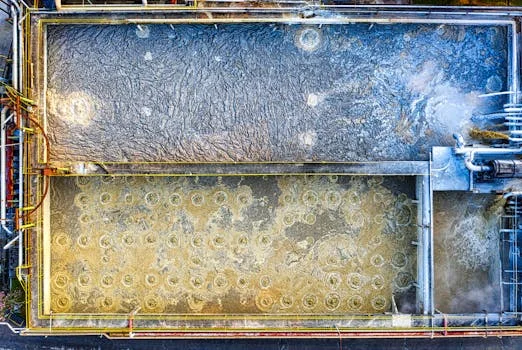
A 200-bed regional hospital in Cluj-Napoca faced escalating fines from the local environmental agency due to persistent non-compliance with Order 188/2002. The existing septic system was discharging effluent with BOD₅ levels of 45 mg/L and TSS of 50 mg/L, significantly exceeding the legal limits for the area. The facility also struggled with high pathogen counts in its discharge to the municipal sewer.
The hospital implemented a 30 m³/day MBR system featuring PVDF hollow-fiber membranes and an automated PLC control system. To protect the membranes, a rotary mechanical bar screen was installed to remove hair, plastics, and other debris common in hospital waste. For a detailed MBR process explanation, this setup ensures high-quality effluent through physical separation rather than just biological settling.
The results were immediate: BOD₅ dropped to <5 mg/L and TSS was reduced to <1 mg/L. Pathogen removal reached 99.9%, allowing the hospital to reuse 40% of the treated water for its extensive green spaces. The project CAPEX was €36,000, with an annual OPEX of approximately €2,200. The hospital is on track for a full ROI within 4 years through a combination of avoided fines and reduced water procurement costs. The primary lesson learned was that fine screening is critical; without the rotary screen, membrane fouling would have doubled maintenance costs in the first year.
Frequently Asked Questions
How is hospital wastewater treated in Romania?
Most Romanian hospitals use a combination of primary screening, secondary biological treatment (such as MBR or activated sludge), and a final disinfection stage using ozone or chlorine dioxide to meet Order 188/2002 standards.
What are the effluent limits for hospitals in Romania?
Per Order 188/2002, the limits are 25 mg/L BOD₅, 125 mg/L COD, 35 mg/L TSS, and <1,000 CFU/100 mL for fecal coliforms. Stricter limits apply in sensitive areas like the Danube Delta.
How much does a hospital wastewater treatment plant cost in Romania?
CAPEX typically ranges from €50 to €200 per m³/day of capacity. For a 200-bed hospital, a complete system usually costs between €24,000 and €60,000 depending on the technology chosen.
What is the best technology for hospital wastewater treatment?
MBR is considered the gold standard for water reuse and high-quality effluent. Ozone is best for chemical-free disinfection, while DAF is necessary for hospitals with high grease and oil concentrations in their waste stream.
Are there any hospital wastewater treatment projects in Romania?
Yes, notable recent projects include Mellifiq’s 2024 ozone-based installation and the advanced treatment systems integrated into Stericycle’s medical waste facility in Oradea.