Why Hospital Wastewater in Turkmenistan Needs Specialized Treatment
Hospital wastewater in Turkmenistan requires specialized treatment to meet WHO and EU discharge standards, with influent COD levels often exceeding 1,000 mg/L and pathogen loads up to 10^6 CFU/mL. As of 2025, Turkmenistan's new wastewater facilities—such as the 10,000 m³/day plant in Kaka etrap—use advanced equipment from Germany and the USA, but these municipal systems lack the specific configurations required to neutralize medical-grade pollutants. Without dedicated onsite treatment, healthcare facilities risk discharging hazardous bio-contaminants into local aquifers, complicating the nation's efforts to improve public health and water security.
Hospital effluent is significantly more hazardous than standard municipal sewage. While municipal waste primarily consists of organic matter from households, hospital streams contain 10–100x higher pathogen loads. WHO 2023 data indicates that untreated medical wastewater can harbor E. coli at concentrations of 10^5–10^6 CFU/mL and Pseudomonas at 10^4–10^5 CFU/mL. a 2024 study by the Turkmen State Medical University detected pharmaceutical residues, including antibiotics, hormones, and contrast agents, in local water bodies at levels ranging from 0.1 to 5 µg/L. These substances are known to contribute to antimicrobial resistance (AMR), a growing concern for Turkmenistan’s healthcare system.
The organic load, measured by Chemical Oxygen Demand (COD), in hospital effluent typically ranges from 800 to 2,500 mg/L, compared to just 200–500 mg/L in municipal sewage. This intensity necessitates advanced oxidation or membrane filtration rather than simple biological settling. Although Turkmenistan is a party to the Aarhus Convention, which emphasizes public access to environmental data, monitoring of hospital effluent remains largely voluntary. However, as the 2025 water infrastructure upgrades focus on municipal capacity, the burden of compliance for medical-specific contaminants falls directly on hospital administrators and engineering consultants.
| Parameter | Municipal Sewage (Avg) | Hospital Wastewater (Avg) | Risk Factor for Turkmenistan |
|---|---|---|---|
| Pathogen Load (CFU/mL) | 10^3 – 10^4 | 10^5 – 10^7 | High: Risks groundwater contamination in arid regions. |
| COD (mg/L) | 200 – 500 | 800 – 2,500 | High: Overloads municipal treatment plants. |
| Pharmaceuticals (µg/L) | <0.01 | 0.1 – 5.0 | Critical: Drives antimicrobial resistance (AMR). |
| Disinfection Needs | Standard Chlorine | Advanced Oxidation/ClO₂ | Necessary: To neutralize multi-drug resistant organisms. |
Characteristics of Hospital Wastewater: What Turkmenistan Facilities Must Treat
To design an effective treatment strategy, administrators must account for the specific chemical and biological makeup of medical effluent. In Turkmenistan, these characteristics are further influenced by the regional climate and healthcare practices. For instance, the arid climate leads to naturally higher salinity in source water, which translates to Total Dissolved Solids (TDS) levels of 1,500–3,000 mg/L in wastewater. If this water is to be reused for hospital landscaping or irrigation—a key goal of Turkmenistan’s 2025 water efficiency initiative—additional desalination or high-rejection membrane processes are required.
Seasonal variations also play a role. During the winter months, increased antibiotic use for respiratory infections leads to higher concentrations of pharmaceutical residues. In the summer, higher temperatures can accelerate the growth of pathogens within the hospital's internal piping systems before they even reach the treatment plant. large diagnostic centers in Ashgabat or Mary must account for radiological contaminants such as iodine-131 or technetium-99m used in imaging. These isotopes require specific decay tanks or specialized filtration before the water can be safely discharged.
| Contaminant Category | Influent Benchmark (Hospitals) | Target Effluent (WHO/EU 2025) | Treatment Necessity |
|---|---|---|---|
| BOD5 (Biological Oxygen Demand) | 300 – 800 mg/L | <10 mg/L | Essential for preventing oxygen depletion in water bodies. |
| TSS (Total Suspended Solids) | 200 – 600 mg/L | <10 mg/L | Required for effective UV or ozone disinfection. |
| Fecal Coliforms | 10^5 – 10^6 CFU/100mL | <1,000 CFU/100mL | Critical for preventing enteric disease outbreaks. |
| Antibiotic Residues | 1 – 10 µg/L | >90% Removal | Mitigates the spread of "superbugs." |
| TDS (Salinity) | 1,500 – 3,000 mg/L | <1,000 mg/L (for reuse) | Necessary for irrigation reuse in Turkmenistan's soil. |
Treatment Technologies for Hospital Wastewater: A Comparison for Turkmenistan
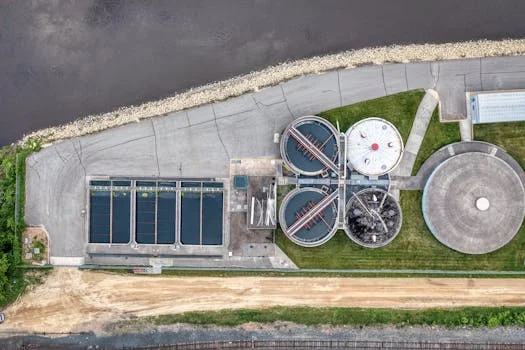
Selecting the right technology requires balancing removal efficiency with operational feasibility in Central Asia. For Turkmenistan's healthcare sector, three primary technologies dominate the landscape: Membrane Bioreactors (MBR), Ozone Oxidation, and Chlorine Dioxide (ClO₂) disinfection. Each offers distinct advantages depending on the facility size and available budget.
An MBR system for hospital effluent with 99.9% pathogen removal is often considered the gold standard for urban hospitals in Ashgabat or Turkmenabat. MBR combines biological treatment with microfiltration or ultrafiltration, effectively replacing the need for secondary clarifiers and tertiary sand filters. It achieves over 90% COD reduction and produces effluent clear enough for immediate reuse. However, Turkmenistan's dusty environment means that pre-filtration is vital to prevent membrane fouling. Capital costs for these systems typically range from ¥500,000 to ¥2,000,000 for capacities of 5–50 m³/day.
For facilities focused on removing persistent pharmaceuticals and hormones, ozone treatment is highly effective. Ozone is a powerful oxidant that destroys complex molecular structures that biological processes cannot touch. While it achieves 95%+ pharmaceutical removal, it requires imported oxygen generators and stable electricity, which may be a constraint in remote etraps. Alternatively, a compact hospital wastewater treatment system with ozone disinfection can be integrated into existing infrastructure to polish effluent before discharge.
For smaller clinics or rural health centers, an on-site chlorine dioxide generator for hospital wastewater disinfection provides a cost-effective solution. Chlorine dioxide is more effective than standard chlorine against viruses and cysts and does not produce the same level of harmful disinfection by-products (DBPs). HydropureWater’s generators start as low as ¥80,000, making them accessible for facilities with limited capital.
| Technology | Pathogen Kill Rate | COD/BOD Removal | Footprint | Turkmenistan-Specific Pros/Cons |
|---|---|---|---|---|
| MBR | 99.99% | 95%+ | Very Small | Pro: High reuse quality. Con: Dust fouling risk. |
| Ozone | 99.9% | 70% (Oxidation) | Medium | Pro: Removes drugs. Con: High energy demand. |
| Chlorine Dioxide | 99.99% | Low | Small | Pro: Low cost. Con: Requires chemical logistics. |
| Activated Sludge | 80-90% | 85% | Large | Pro: Simple tech. Con: Unsuitable for urban areas. |
Compliance Standards: WHO, EU, and Turkmenistan's Regulations for Hospital Effluent
Compliance in Turkmenistan is currently transitioning from older Soviet-era norms to modern, health-centric standards. While the Ministry of Health and Medical Industry (MOHMI) has not yet finalized hospital-specific discharge limits, the 2024 draft regulations suggest a move toward aligning with EU and WHO guidelines by 2026. For hospital administrators, designing systems to meet current EU standards is the safest way to future-proof their investments.
The WHO 2023 guidelines emphasize that treated hospital effluent must contain fewer than 1,000 CFU/100mL of fecal coliforms if discharged into surface waters. For hospitals with more than 50 beds, the EU Urban Waste Water Directive (91/271/EEC) mandates tertiary treatment, which includes both nutrient removal and disinfection. In Turkmenistan, current municipal discharge limits (often 150 mg/L COD and 30 mg/L BOD) are frequently applied to hospitals by default, but these are insufficient to address the specific risks of medical waste. To understand the underlying mechanics of these requirements, one can explore a technical deep dive on MBR systems for hospital wastewater.
| Parameter | WHO 2023 Standard | EU Directive 91/271/EEC | Turkmenistan 2025 (Expected) |
|---|---|---|---|
| COD (mg/L) | <100 | <125 | <150 (General) / <100 (Medical) |
| BOD5 (mg/L) | <10 | <25 | <20 |
| TSS (mg/L) | <35 | <35 | <30 |
| Fecal Coliforms | <1,000 CFU/100mL | Not Specified (Local) | <1,000 CFU/100mL |
Cost Breakdown and ROI: Hospital Wastewater Treatment Systems for Turkmenistan (2025)
Investing in a wastewater system is a significant financial decision. In Turkmenistan, the return on investment (ROI) is driven by two main factors: the avoidance of environmental penalties and the savings generated from water reuse. As of 2025, the penalty for non-compliance with wastewater discharge standards can reach 50,000 TMT per year for large facilities. Additionally, with the cost of municipal water rising, recycling treated effluent for irrigation can save a 500-bed hospital approximately ¥150,000 (roughly 75,000 TMT) annually.
For a 20 m³/day system, which is standard for a medium-sized regional hospital, capital costs vary by technology. MBR systems are the most expensive upfront but offer the lowest long-term risk and highest water quality. Chlorine dioxide systems offer the lowest entry price but require ongoing chemical purchases. Financing is increasingly available through Turkmenistan's 2025 Green Credit Program, which offers 3% interest loans for water-saving technologies, as well as grants from international bodies like the World Bank for public healthcare upgrades.
| System Size (m³/day) | Technology | CAPEX (USD Approx.) | Annual O&M (USD) | Estimated ROI (Years) |
|---|---|---|---|---|
| 5 m³/day (Clinic) | ClO₂ Generator | $12,000 – $18,000 | $1,500 | 3 – 4 |
| 20 m³/day (Hospital) | MBR Integrated | $85,000 – $110,000 | $8,000 | 5 – 6 |
| 50 m³/day (Large Center) | MBR + Ozone | $180,000 – $250,000 | $15,000 | 4 – 5 |
Note: Exchange rate calculated at 1 USD = 3.5 TMT. O&M includes electricity, chemicals, and routine maintenance.
Case Study: Hospital Wastewater Treatment in Central Asia (Lessons for Turkmenistan)
In 2023, a 200-bed hospital in Almaty, Kazakhstan, faced a similar challenge to hospitals in Ashgabat: strict new discharge regulations and a need for sustainable water use. The facility installed a 20 m³/day MBR system to treat its medical effluent. Before installation, the hospital’s COD levels averaged 1,200 mg/L, and pathogen counts were dangerously high. Post-installation, the COD dropped to 30 mg/L, and pathogens were reduced to less than 10 CFU/mL, comfortably meeting Kazakhstan's 2023 hospital standards.
The project encountered two main challenges relevant to Turkmenistan. First, high levels of airborne dust during the summer months led to rapid pre-filter clogging. This was resolved by installing an automatic backwashing screen filter before the MBR unit. Second, the energy cost of the MBR blowers was higher than anticipated. The hospital mitigated this by installing a small solar array to power the treatment plant during daylight hours. This project demonstrates that MBR is viable in the Central Asian climate, provided that dust mitigation and energy efficiency are prioritized. For comparison, you can see hospital wastewater treatment solutions in a similar regulatory environment or look at how Seoul hospitals meet strict discharge standards using advanced automation.
Frequently Asked Questions
What is the most cost-effective treatment for a small clinic in Turkmenistan?For small clinics (under 5 m³/day), an on-site chlorine dioxide generator is usually the most cost-effective. It requires low capital investment and effectively kills pathogens. However, it does not significantly reduce COD. If the clinic is in an urban area with strict organic discharge limits, a compact MBR system may be required despite the higher cost.
How does the Turkmenistan climate affect MBR systems?The primary climate factors are dust and high summer temperatures. Dust can clog air intakes and pre-filters, while heat can affect biological activity. HydropureWater systems designed for Central Asia include reinforced pre-filtration and cooling ventilation for control panels to ensure 24/7 operational stability in desert conditions.
Can treated hospital wastewater be used for irrigation in Turkmenistan?Yes, but it must meet "unrestricted irrigation" standards, which require very low pathogen counts (typically <10 CFU/100mL) and controlled salinity. An MBR system followed by UV or ozone disinfection is recommended to ensure the water is safe for use in hospital gardens where patients and staff may have contact with the surroundings.
Are there local technicians in Turkmenistan for maintenance?While specialized wastewater engineers are concentrated in Ashgabat, HydropureWater provides comprehensive training for hospital maintenance staff and offers remote monitoring modules. This allows our engineers to diagnose system performance via the internet, reducing the need for frequent on-site visits.
How do I ensure compliance with the Aarhus Convention?Compliance involves transparency. Hospitals should maintain digital logs of their effluent quality (COD, BOD, and pathogen counts). Installing a system with integrated sensors and data logging makes it easy to generate the annual reports required if public or regulatory pressure for data access increases.