Why Krakow Hospitals Need Dedicated Wastewater Treatment Systems
Hospital wastewater treatment in Krakow must comply with EU Urban Waste Water Directive 91/271/EEC and Polish regulations, requiring advanced systems to remove pharmaceutical residues, pathogens, and heavy metals. The Kujawy WWTP, treating 52,000 m³/day, highlights the need for on-site pretreatment, as conventional plants struggle to eliminate 100% of contaminants. Hospitals like Krakow-Prokocim University Hospital now integrate dedicated treatment systems—such as MBR or ozone disinfection—to meet discharge limits of <10 mg/L BOD and <1 mg/L total phosphorus.
Regulatory pressure in the Lesser Poland Voivodeship has intensified following the 2017 Polish Water Law Act. This legislation mandates that medical facilities manage their effluent more stringently to prevent the "point-source" pollution of the Vistula River basin. While the Kujawy WWTP serves approximately 250,000 residents, a Top 4 PMC study indicates that municipal systems in the region remove only 60-80% of specific pharmaceutical residues. This leaves a significant concentration of antibiotics, chemotherapy drugs, and X-ray contrast agents entering the environment, which contributes to the rise of antibiotic-resistant bacteria in local ecosystems.
On-site pretreatment is no longer optional for large-scale facilities. For instance, the Krakow-Prokocim University Hospital’s on-site sewage treatment plant reduces pathogen loads by 99.9% before the effluent ever reaches the municipal sewer. Without these dedicated compact hospital wastewater treatment systems for Krakow clinics and hospitals, the high concentrations of mercury, cadmium, and biological agents found in medical waste would lead to immediate non-compliance and heavy environmental fines. For facility managers, the investment in on-site technology is a risk-mitigation strategy against the increasing scrutiny of the Polish Environmental Protection Inspectorate (WIOŚ).
EU and Polish Standards for Hospital Wastewater: Compliance Thresholds and Testing Requirements
The legal framework governing hospital effluent in Krakow is defined by both the EU Urban Waste Water Directive and the localized Polish Regulation of the Minister of Maritime Economy and Inland Navigation on the conditions to be met when discharging sewage into waters or into the ground. These laws establish hard limits on chemical oxygen demand (COD), total suspended solids (TSS), and specific priority substances.
The Polish Environmental Protection Inspectorate (WIOŚ) currently enforces quarterly sampling for hospitals with more than 200 beds. As of 2024, fines for discharging untreated or insufficiently treated wastewater can reach PLN 500,000. Compliance requires not just meeting the end-of-pipe limits but also maintaining rigorous monitoring protocols, including 24-hour composite sampling and real-time pH/conductivity logging. The EU Watch List requires monitoring of substances like diclofenac, which must remain below 0.1 μg/L to protect aquatic life.
| Parameter | Polish/EU Limit (Hospital Effluent) | Testing Frequency (WIOŚ) | Monitoring Requirement |
|---|---|---|---|
| COD (Chemical Oxygen Demand) | <125 mg/L | Quarterly | 24-hour composite sampling |
| BOD5 (Biochemical Oxygen Demand) | <25 mg/L (often <10 mg/L locally) | Quarterly | Laboratory analysis |
| TSS (Total Suspended Solids) | <35 mg/L | Monthly | Gravimetric analysis |
| E. coli | <1,000 CFU/100 mL | Quarterly | Membrane filtration |
| Total Phosphorus | <1 mg/L | Quarterly | Spectrophotometry |
| Diclofenac (EU Watch List) | <0.1 μg/L | Annual | LC-MS/MS analysis |
Hospitals with fewer than 50 beds may sometimes be exempt from on-site biological treatment if the local WWTP, such as Kujawy, provides written verification of capacity. However, even these smaller facilities must typically provide primary treatment and disinfection to ensure the safety of municipal maintenance workers. Facility managers can review how Cologne hospitals meet EU wastewater standards to see how other European regions manage these requirements.
Treatment Technologies for Hospital Wastewater: Performance, Costs, and Suitability for Krakow

The hospital’s specific effluent profile and available footprint determine the selection of the right technology. In Krakow’s urban environment, where space is often at a premium, Membrane Bioreactor (MBR) technology has become the preferred choice for major medical centers. MBR systems combine biological degradation with membrane filtration, resulting in 99% pathogen removal and 95% COD reduction. While the energy consumption is higher than traditional activated sludge (0.8-1.2 kWh/m³), the footprint is up to 60% smaller, making it ideal for central Krakow hospital campuses.
For facilities dealing with high organic loads from kitchens or laundries, Dissolved Air Flotation (DAF) serves as an effective primary treatment. DAF can remove up to 95% of TSS and 80% of fats, oils, and grease (FOG), though it requires precise chemical dosing of coagulants. Tertiary treatment often focuses on disinfection, where ozone and chlorine dioxide are the primary competitors. Ozone offers a 99.9% pathogen kill rate and effectively breaks down pharmaceutical residues without leaving chemical residuals, though the capital expenditure is significantly higher than chlorine-based systems.
| Technology | Pathogen Kill Rate | COD Reduction | Energy Use (kWh/m³) | Suitability for Krakow Hospitals |
|---|---|---|---|---|
| MBR | 99.9% | 90-95% | 0.8 - 1.2 | High: Small footprint, superior effluent quality |
| DAF | <50% | 40-60% | 0.3 - 0.5 | Moderate: Best for high-TSS pretreatment |
| Ozone | 99.99% | N/A (Oxidation) | 1.5 - 2.5 | High: For antibiotic/pharmaceutical removal |
| Chlorine Dioxide | 99.0% | N/A (Disinfection) | <0.2 | Moderate: Cost-effective for smaller clinics |
Hospitals often utilize hybrid configurations to maximize efficiency. A common setup in Krakow involves a DAF unit for primary solids removal followed by MBR systems for hospital wastewater treatment in Krakow to handle biological loads. For a detailed MBR process explanation and efficiency benchmarks, facility managers should evaluate how membrane pore sizes impact the retention of specific viral loads common in clinical environments.
Cost Breakdown: Hospital Wastewater Treatment Systems in Krakow (2025 Data)
Budgeting for a hospital wastewater system in Krakow requires a clear distinction between capital expenditure (CAPEX) and operational expenditure (OPEX). As of 2025, an MBR system designed for a 50 m³/day flow typically costs between PLN 1.5M and PLN 3M, depending on the level of automation and membrane quality. In contrast, on-site chlorine dioxide generators for hospital disinfection are more affordable at PLN 800,000 to PLN 1.2M but do not address the biological or pharmaceutical load of the effluent.
Operating costs are driven by energy, chemical consumption (e.g., PAC for phosphorus removal), and specialized labor for membrane maintenance. MBR systems average PLN 2.5–4.0 per m³ treated. While this is higher than DAF (PLN 1.2–2.0 per m³), the MBR system significantly reduces sewer discharge fees, which are calculated based on the contaminant concentration in the effluent. For a 200-bed hospital, the ROI is often realized in under five years through the avoidance of WIOŚ non-compliance fines and reduced municipal surcharges.
| System Type | Estimated CAPEX (PLN) | OPEX (PLN/m³) | Estimated Payback (Years) |
|---|---|---|---|
| Integrated MBR | 1.5M - 3.0M | 2.5 - 4.0 | 4.2 |
| DAF System | 800K - 1.5M | 1.2 - 2.0 | 5.5 |
| Ozone Disinfection | 1.2M - 2.0M | 3.0 - 5.0 | 6.0 |
| Chlorine Dioxide | 800K - 1.2M | 1.5 - 2.5 | 4.8 |
Financial support is available for Krakow-based hospitals through the EU Cohesion Fund, which can cover up to 80% of modernization costs for environmental compliance. Additionally, the Polish National Fund for Environmental Protection (NFOŚiGW) offers low-interest loans (2%) specifically for water management projects. Facility managers can look at cost-effective hospital wastewater solutions for developing regions for comparative economic context, though Krakow’s requirements are strictly governed by higher EU-standard thresholds.
Step-by-Step Guide to Implementing a Hospital Wastewater System in Krakow
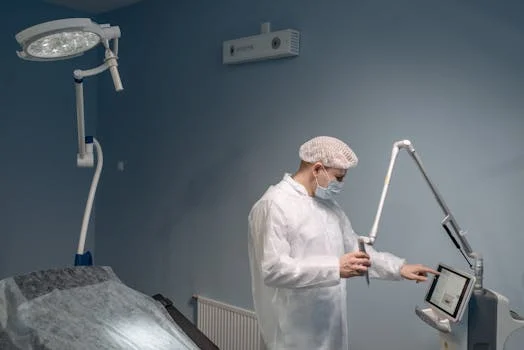
Implementing a dedicated on-site system involves a structured procurement and regulatory process. Missing a single step in the permitting phase can delay a project by several months, leading to potential fines if the hospital is currently under a WIOŚ improvement mandate.
- Conduct a Wastewater Audit: Hire a certified laboratory to perform a comprehensive audit of current discharge. This must include COD, BOD, TSS, pathogen counts, and a screen for pharmaceuticals. This data is essential for the WIOŚ compliance report and costs approximately PLN 15,000–30,000.
- Select Technology and Design: Use the audit results to determine if an MBR, DAF, or advanced oxidation system is required. At this stage, ensure the design includes an automatic chemical dosing system to maintain pH and facilitate coagulation.
- Obtain Permits: Submit a detailed wastewater management plan to WIOŚ and the local Krakow water authority. This process typically takes 3 to 6 months and requires technical specifications of the chosen system and an emergency response plan for potential spills.
- Procurement and Installation: Lead times for MBR and ozone systems range from 6