Nova Scotia industrial wastewater plants must meet site-specific limits written into Industrial Approvals under the provincial Environment Act. Earlier industry summaries often cite BOD ≤ 25 mg/L and TSS ≤ 30 mg/L for many discharges; the enforceable numbers are those printed in each Approval. With about 45% of the population on on-site systems and only about 50% connected to central treatment, many operators need standalone trains such as high-efficiency DAF systems (92-97% TSS removal at typical FOG loads) or MBR systems (about 99% pathogen reduction relative to untreated effluent). Capital costs commonly run from $500,000 to $5M+ CAD for 10-500 m³/h capacity, and provincial or federal programs can offset eligible capital for qualifying projects.
What wastewater rules apply in Nova Scotia?
Nova Scotia industrial dischargers must hold an NSECC Industrial Approval that sets enforceable BOD, TSS, pH, FOG, metals, and pathogen limits for that site, while the federal Fisheries Act still bans deleterious deposits to fish-bearing waters. Covered municipal systems averaging ≥100 m³/d must also meet WSER average CBOD ≤ 25 mg/L and suspended solids ≤ 25 mg/L.
According to the federal Wastewater Systems Effluent Regulations (SOR-2012-139, as amended through SOR/2024-97), those CBOD and suspended-solids averages apply to eligible municipal wastewater systems, with un-ionized ammonia kept below 1.25 mg/L as N at 15°C ± 1°C. Earlier guidance used TSS ≤ 30 mg/L as a common industrial planning figure; the WSER secondary baseline for covered municipal systems sets suspended solids at 25 mg/L (Justice Laws). A 2024 Halifax Water regulatory review shows NSECC Approvals listing facility-specific CBOD/TSS pairs, for example 25/25 mg/L at Eastern Passage and 50/40 mg/L at Halifax under transitional conditions.
WSER often does not apply to an on-site industrial train whose influent is mostly process water rather than sanitary flow, so the Industrial Approval remains the controlling document for many factories. Municipal utilities such as Halifax Water still impose sewer-use bylaws and surcharges when BOD exceeds thresholds such as 300 mg/L in sewer discharge. Non-compliance carries real cost: a seafood processor in Yarmouth reportedly faced a $250,000 fine in 2023 for chronic TSS exceedances.
Nova Scotia industrial wastewater challenges by sector
Nova Scotia's 7,600 km coastline receives industrial loads into estuarine and marine ribbon zones where freshwater meets tidal salt water. About 45% of residents rely on on-site treatment and only about 50% connect to central plants, so industrial operators often cannot depend on municipal polishing alone.
Seafood processing effluent commonly shows COD of 3,000-10,000 mg/L with high FOG. Pulp and paper wastewater can carry AOX at 10-50 mg/L. Mining discharges may contain heavy metals at 5-50 mg/L. Food and beverage plants often report FOG of 500-2,000 mg/L, while pharmaceutical streams may contain APIs at 1-10 mg/L. Matching technology to these loads is the core design decision for coastal and inland sites alike.
Cold winters complicate chemistry and biology. Influent at seafood docks frequently falls to 2-5°C from December through March, slowing floc formation and membrane flux unless tanks are heated or buildings are insulated. Designers therefore size equalization, heat, and contingency sludge storage before they lock vendor datasheets.
Operators also face uneven production calendars. Lobster and scallop peaks can double hydraulic load for several weeks, then drop sharply. Equalization of 6-12 hours of average daily flow at plant temperature, or dedicated peak-season DAF capacity, keeps BOD and TSS spikes from breaking Approval averages during those campaigns.
Which industrial treatment technologies support compliance?
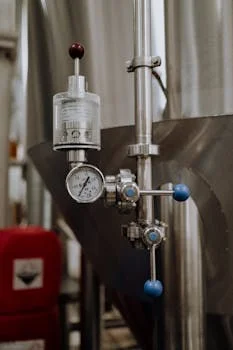
Cold-climate treatment trains in Nova Scotia must handle high FOG, variable COD, and winter influent near freezing. Process selection follows contaminant class, discharge point, and Approval limits rather than a single preferred unit.
Dissolved Air Flotation (DAF): DAF removes FOG and TSS by releasing pressurized air as microbubbles that float solids for skimming. HydropureWater high-efficiency DAF systems for seafood processing wastewater can reach about 95% TSS removal at water temperatures as low as 5°C when coagulants are dosed correctly. For FOG-focused designs, see advanced FOG removal technologies for seafood processors.
Membrane Bioreactor (MBR): MBR couples activated sludge with membrane filtration for BOD often < 5 mg/L, TSS < 5 mg/L, and pathogens < 10 CFU/100mL under design conditions suited to sensitive coastal outfalls. Cold-climate MBR energy use typically rises to 1.2-1.8 kWh/m³ versus 0.8-1.2 kWh/m³ in warmer regions because aeration and fouling control intensify below about 10°C. HydropureWater MBR systems for coastal discharge compliance are specified with insulated enclosures for winter duty.
Chemical dosing: Coagulation and pH control with ferric chloride or polyaluminum chloride, followed by flocculant, remain standard pre-treatment. Seafood wastewater dosing often falls in the 50-200 mg/L coagulant range at plant temperature. Precise chemical dosing for pH adjustment and metal precipitation stabilizes downstream DAF or sedimentation.
Sludge dewatering: Plate-and-frame presses commonly reach 25-40% cake solids; centrifuges suit continuous high volume. Seafood sludge often starts at 3-5% solids, while pulp and paper sludge may be 1-2% solids before dewatering. Compare options in sludge dewatering options for Nova Scotia's industrial facilities.
Disinfection: Marine outfall Approvals frequently set fecal coliforms below 200 CFU/100mL. Chlorine dioxide and UV are both used; UV avoids residual oxidant where receiving waters are sensitive.
Technology Comparison Table: Which System Fits Your Nova Scotia Facility?
Selecting industrial wastewater equipment for a Nova Scotia plant starts with matching FOG, metals, nutrient, and pathogen targets to cold-climate operating limits and capital budget.
| Technology | Best For | Effluent Quality (BOD/TSS/Pathogens) | Cold Climate Performance | Capital Cost (CAD) | O&M Cost (CAD/m³) |
|---|---|---|---|---|---|
| DAF (Dissolved Air Flotation) | High FOG, TSS; seafood, food & beverage | BOD < 50 mg/L, TSS < 20 mg/L | Good, but heated tanks may be needed for very cold, high-FOG wastewater. | $150-$300/m³/h | $0.15-$0.40 |
| MBR (Membrane Bioreactor) | High-quality effluent; coastal discharge, water reuse | BOD < 5 mg/L, TSS < 5 mg/L, Pathogens < 10 CFU/100mL | Requires insulated enclosures and careful aeration control to optimize biological activity and prevent membrane fouling. Energy consumption higher (1.2-1.8 kWh/m³). | $250-$500/m³/h | $0.30-$0.70 |
| Chemical Dosing + Sedimentation | pH adjustment, metals, phosphorus, pre-treatment | BOD < 100 mg/L, TSS < 50 mg/L, Metals < 1 mg/L | Generally robust, but chemical efficacy can be temperature-dependent. | $50-$150/m³/h | $0.10-$0.30 |
| Integrated A/O (Anaerobic/Aerobic) | High BOD/COD, nutrient removal; general industrial | BOD < 20 mg/L, TSS < 20 mg/L, N < 10 mg/L, P < 1 mg/L | Biological processes require careful temperature management; insulation is critical. | $200-$400/m³/h | $0.25-$0.55 |
| Chlorine Dioxide Disinfection | Pathogen removal for discharge | Fecal Coliforms < 200 CFU/100mL | Effective at cold temperatures, but chemical storage and handling are considerations. | $20-$50/m³/h | $0.05-$0.15 |
| Footnotes for Nova Scotia-specific considerations: MBR systems require insulated enclosures for winter operation; DAF systems may need heated tanks for seafood processing wastewater to prevent FOG solidification. Capital and O&M costs are indicative and vary significantly based on specific project scope, flow rate, and effluent characteristics. | |||||
Cost Breakdown: Industrial Wastewater Treatment in Nova Scotia (2025)
Turnkey industrial wastewater treatment costs in Nova Scotia for 10-500 m³/h systems typically span $500,000 to over $5M CAD, driven by flow, strength, and whether membranes or flotation dominate the flowsheet.
Capital Costs:
- DAF Systems: $150-$300 per m³/h of capacity.
- MBR Systems: $250-$500 per m³/h of capacity, reflecting membranes and higher effluent quality.
- Chemical Dosing Systems: $50-$150 per m³/h of capacity, often integrated with primary treatment.
These figures include equipment, installation, civil works, and commissioning for a functional train.
Operational & Maintenance (O&M) Costs:
- Energy Consumption: $0.10-$0.30 per m³ of treated water, higher for MBR aeration in cold weather.
- Chemicals: $0.05-$0.20 per m³ for coagulants, flocculants, and pH adjusters.
- Membrane Replacement: MBR modules lasting 5-10 years amortize to about $0.08-$0.15 per m³ over life.
- Sludge Disposal: About $150-$300 per tonne in Nova Scotia, depending on hazard class and tip fees.
- Labor & Maintenance: Operator wages, spare parts, and planned servicing.
| Cost Category | Range (CAD) | Notes for Nova Scotia |
|---|---|---|
| Capital Costs (Turnkey 10-500 m³/h) | $500,000 - $5M+ | Includes equipment, installation, civil works, commissioning. |
| DAF System (per m³/h) | $150 - $300 | |
| MBR System (per m³/h) | $250 - $500 | Higher due to advanced membranes. |
| Chemical Dosing (per m³/h) | $50 - $150 | Often integrated with other systems. |
| O&M Costs (per m³ treated) | ||
| Energy | $0.10 - $0.30 | Higher for MBR, especially in cold climate. |
| Chemicals | $0.05 - $0.20 | Varies by effluent type and treatment needs. |
| Membrane Replacement (MBR) | $0.08 - $0.15 | Amortized over membrane lifespan. |
| Sludge Disposal (per tonne) | $150 - $300 | Significant cost, depends on waste classification. |
Funding Opportunities:
- Nova Scotia Environment's Green Fund: Grants covering up to 75% of eligible capital for projects with demonstrated environmental benefit, including wastewater upgrades (confirm current intake rules with NSECC).
- Atlantic Canada Opportunities Agency (ACOA) Grants: Non-repayable contributions for innovation, productivity, and environmental sustainability projects.
- Canada Infrastructure Bank Loans: Long-term financing for large wastewater infrastructure.
ROI Calculation Example: A 100 m³/h seafood plant installing DAF to avoid surcharges might spend about $1.2M capital and $80,000/year O&M, while avoiding roughly $50,000/year in municipal surcharges and fines. Simple payback on that $50,000 annual saving is about 6 years before counting production or risk benefits. For global cost benchmarks for industrial wastewater systems, compare unit rates carefully by currency and scope.
Main cost drivers remain civil works in coastal frost zones, sludge haul distance, membrane replacement cycles, and whether heated FOG tanks are required for winter seafood campaigns. Procurement teams should request vendor bids on the same design flow, temperature, and Approval limits so capital quotes stay comparable. Separating civil, mechanical, and electrical line items also helps when Green Fund or ACOA forms ask for eligible capital only.
Compliance Checklist: Meeting Nova Scotia's Industrial Effluent Standards
Industrial Approval applications in Nova Scotia require a clear process description, effluent characterization, proposed treatment, monitoring plan, and discharge location before NSECC issues enforceable limits.
Permitting Process for Industrial Approval:
- Application Submission: Operations, wastewater characteristics, treatment design, and outfall details.
- Effluent Sampling Plan: Parameters, frequency, and methods aligned to expected Approval conditions.
- Public Consultation: Required for some larger or higher-impact projects.
- Technical Review: NSECC review against the Environment Act, regulations, and available technology.
- Approval Timeline: Often 6-12 months from a complete application, so start early.
Key effluent planning values: Many industrial Approvals still cluster around BOD ≤ 25 mg/L, TSS ≤ 30 mg/L, pH 6.0-9.0, and oil & grease ≤ 15 mg/L, with metal caps such as copper ≤ 0.3 mg/L, zinc ≤ 0.5 mg/L, lead ≤ 0.1 mg/L, and cadmium ≤ 0.05 mg/L when those metals are present. Marine outfalls often add fecal coliforms ≤ 200 CFU/100mL. Always use the numbers printed in your Approval.
Monitoring and records: Critical parameters such as BOD and TSS are often sampled daily; metals may be weekly. Composite samples cover average loads; grab samples suit pH and event checks. Monthly reports to NSECC plus daily logs, sensor calibrations, and maintenance records are standard expectations.
Selection checklist before you buy equipment:
- Confirm direct discharge versus municipal sewer and read the exact Approval or bylaw limits.
- Measure winter influent temperature and FOG/COD peaks, not only annual averages.
- Size solids capture (DAF or clarifier) before biological polishing if FOG exceeds about 100 mg/L.
- Budget sludge cake disposal at $150-$300 per tonne when comparing DAF versus MBR.
- Include heated tanks or insulation if influent regularly falls below 5°C.
- Verify disinfection need for marine outfalls targeting ≤ 200 CFU/100mL fecal coliforms.
- Map Green Fund, ACOA, and Infrastructure Bank eligibility before freezing the capital case.
Case Study: Seafood Processor in Shelburne Upgrades to DAF System
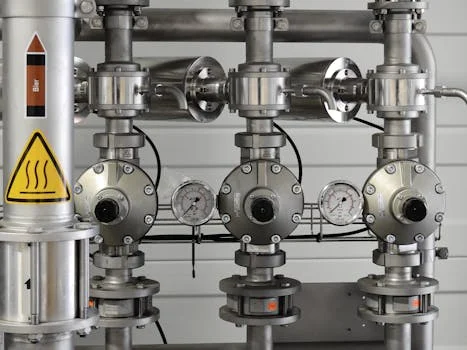
A mid-sized seafood plant in Shelburne, Nova Scotia, faced chronic TSS violations: raw TSS often above 1,200 mg/L and post-treatment around 80 mg/L against a 30 mg/L provincial Approval limit. The plant installed a DAF-50 system with integrated ferric chloride dosing for pH and flocculation ahead of flotation.
After commissioning, TSS stayed below 20 mg/L (about 98% removal) and BOD fell from about 450 mg/L to 22 mg/L (about 95% reduction), restoring compliance and avoiding an estimated $30,000 per year in surcharges and fines. Winter influent at 2-5°C required heated tanks upstream so chemistry and FOG flotation stayed effective. High FOG also drove weekly CIP cycles. Dewatered seafood sludge disposal near $250/tonne remained a major O&M line item, yet the DAF train met the Approval limits cost-effectively.
Who this is for / Next step
This guide is for plant engineers, EPC contractors, and procurement managers sizing FOG, MBR, or chemical trains for Nova Scotia Approvals. Buyers seeking only municipal collection design, or sites outside Atlantic Canada regulations, should use local codes instead. Share flow (m³/h), COD/FOG peaks, winter temperature, and your draft Approval limits with a process vendor to lock equipment scope before tender. A concise load sheet usually shortens bid clarification cycles by weeks.
Frequently Asked Questions
What are the primary regulations for industrial wastewater in Nova Scotia?
Industrial dischargers need an NSECC Industrial Approval under the Environment Act; that Approval sets the numeric limits you must meet. The federal Fisheries Act bans deleterious deposits to fish-bearing waters. Municipal sewer users also face utility bylaws and surcharges. WSER CBOD/SS averages of 25 mg/L apply to covered municipal systems, not every on-site industrial train.
Which treatment technologies are most used at Nova Scotia industrial plants?
DAF is common for seafood and food FOG/TSS; MBR is chosen when coastal discharge needs BOD/TSS near 5 mg/L and strong pathogen control. Chemical dosing handles pH, coagulation, and metals. Filter presses or centrifuges dewater sludge, and UV or chlorine dioxide disinfect marine outfalls when Approvals require it.
How much does an industrial wastewater plant cost in Nova Scotia?
Turnkey systems for 10-500 m³/h typically cost $500,000 to over $5M CAD. Unit capital often runs $150-$300 per m³/h for DAF and $250-$500 per m³/h for MBR. O&M commonly spans $0.10-$0.70 per m³ including energy, chemicals, membranes, and sludge tip fees, with cold climate raising MBR power use.
Are funding programs available for industrial wastewater upgrades?
Yes. Nova Scotia Environment's Green Fund has been cited for up to 75% of eligible capital on qualifying environmental projects. ACOA can provide non-repayable contributions for productivity and sustainability work. The Canada Infrastructure Bank offers long-term financing for larger infrastructure packages. Confirm open intakes before budgeting.
What effluent quality should a Nova Scotia industrial plant target?
Plan around BOD ≤ 25 mg/L and TSS ≤ 30 mg/L only as provisional design points until your Approval is issued; many Approvals land near those values, but metals, FOG, and pathogens vary. Coastal outfalls often add fecal coliforms ≤ 200 CFU/100mL. Municipal sewer connections instead follow utility bylaws such as BOD surcharge triggers above 300 mg/L.