Kazakhstan's industrial wastewater treatment sector is undergoing significant modernization, with 69 new plants planned and existing facilities such as the Taraz WWTP processing 17.7 million m³/year of effluent. Industrial operations face critical challenges, including high oil and grease loads common in oil refineries, extreme temperature fluctuations from -40°C to +40°C, and stringent discharge limits like COD < 150 mg/L. Dominant treatment technologies, including Dissolved Air Flotation (DAF) as implemented at the Atyrau refinery and advanced Membrane Bioreactor (MBR) systems, typically incur costs ranging from $500,000 for small food processing plants to over $20 million for large-scale municipal upgrades. This comprehensive guide provides Kazakhstan-specific technical specifications, detailed cost benchmarks, and actionable supplier selection criteria for 2025, addressing the unique operational demands of the region.
Kazakhstan’s Industrial Wastewater Landscape: Regulations, Challenges, and Opportunities
Kazakhstan's wastewater discharge standards, aligned with SNiP RK 4.01-02-2019, mandate strict limits including COD < 150 mg/L and BOD < 20 mg/L for industrial effluents. These regulations are increasingly aligning with European Union (EU) environmental directives, pushing industries toward advanced wastewater treatment solutions. Key parameters for compliance include Total Suspended Solids (TSS) < 30 mg/L and oil/grease < 5 mg/L, particularly critical for sectors like oil refineries (per Taraz WWTP Public Consultation Report, January 2025). The demand for robust industrial wastewater treatment in Kazakhstan is driven by major industries such as oil and gas in regions like Atyrau and Mangystau, mining operations in Karaganda and Pavlodar, and the burgeoning food processing sector in Almaty and Shymkent. The government's initiative to build 69 new municipal wastewater treatment plants (WWTPs) further underscores a nationwide commitment to environmental protection.
Operating in Kazakhstan presents unique climate challenges, with temperature extremes ranging from -40°C in winter to +40°C in summer. These fluctuations significantly impact the efficiency of biological treatment processes and accelerate equipment corrosion rates, demanding specialized design and materials. infrastructure gaps persist, with only 47% of urban wastewater currently treated to secondary or tertiary standards (EBRD 2023 report). To stimulate modernization, the government offers incentives such as tax breaks for facilities implementing water reuse systems and grants specifically targeting Small and Medium-sized Enterprises (SMEs) adopting advanced technologies like MBR and DAF systems, facilitating compliance and promoting sustainable practices.
| Parameter | Kazakhstan Discharge Limit (SNiP RK 4.01-02-2019) | Typical Industrial Source |
|---|---|---|
| Chemical Oxygen Demand (COD) | < 150 mg/L | Food Processing, Chemical Manufacturing |
| Biochemical Oxygen Demand (BOD₅) | < 20 mg/L | Food Processing, Municipal |
| Total Suspended Solids (TSS) | < 30 mg/L | Mining, Oil & Gas, General Industrial |
| Oil and Grease | < 5 mg/L | Oil Refineries, Food Processing |
| pH | 6.5 – 8.5 | Various Industries |
Technology Selection for Kazakhstan’s Industrial Wastewater: DAF vs MBR vs Chemical Dosing
Dissolved Air Flotation (DAF) systems, exemplified by the Krofta Supracell SPC-30 at Atyrau refinery, consistently achieve over 95% TSS and 90% FOG removal, making them highly effective for oil/gas and food processing wastewater. These systems operate by introducing fine air bubbles into the wastewater, which attach to suspended solids, oil, and grease, causing them to float to the surface for skimming. DAF systems for Kazakhstan’s oil and food processing industries are particularly valuable for primary treatment, significantly reducing pollutant loads before subsequent biological stages. However, DAF performance can drop by approximately 15% when water temperatures fall below 5°C, necessitating design considerations like heated saturator tanks in Kazakhstan's cold winters.
Membrane Bioreactor (MBR) systems offer superior treatment quality, achieving over 99% pathogen removal and producing effluent suitable for reuse. MBR systems for high pathogen loads and space-constrained sites are also prized for their compact footprint, often requiring 60% less space than conventional activated sludge systems, which is advantageous given Kazakhstan's high industrial land costs. Despite their benefits, MBR systems typically incur energy costs that can be twice as high as conventional systems, primarily due to the energy required for membrane filtration and aeration. In cold climates, MBR membranes often require pre-heating of the wastewater to maintain optimal biological activity and prevent membrane fouling from increased viscosity (per Taraz WWTP operational data).
Chemical dosing systems, utilizing coagulants and flocculants, can achieve 70-85% COD reduction, primarily by precipitating dissolved pollutants and facilitating the removal of suspended solids. These systems are flexible for treating variable wastewater loads and can be integrated as pre-treatment or polishing steps. However, chemical dosing systems for Kazakhstan’s variable wastewater loads generate a significant volume of chemical sludge, posing challenges for disposal, especially in remote industrial areas where infrastructure for sludge management may be limited. Maintenance requirements vary significantly: DAF skimmers typically need weekly cleaning to ensure efficient float removal, while MBR membranes require Chemical-In-Place (CIP) cleaning every 3-6 months to maintain flux and prevent fouling, demanding specialized chemicals and procedures.
| Technology | Primary Application | Key Advantages | Key Disadvantages | Temperature Sensitivity (Kazakhstan) |
|---|---|---|---|---|
| Dissolved Air Flotation (DAF) | Oil/Grease, TSS, FOG removal | High efficiency (90%+ FOG), robust for variable loads, lower footprint than sedimentation | Requires chemical addition, sludge generation, performance drop in cold water | Performance drops ~15% below 5°C; requires heated saturator tanks for micro-bubble stability. |
| Membrane Bioreactor (MBR) | High-quality effluent, pathogen removal, small footprint | Excellent effluent quality (reuse potential), compact design, stable operation | High CAPEX & OPEX (energy), membrane fouling, complex maintenance | Biological efficiency drops 20-30% below 5°C; requires wastewater pre-heating in winter. |
| Chemical Dosing (Coagulation/Flocculation) | COD/BOD reduction, heavy metal precipitation, pre-treatment | Effective for specific pollutants, adaptable to varying influent quality, relatively simple operation | High chemical consumption, significant sludge generation, pH adjustment often needed | Less direct impact on chemical reactions, but cold temperatures can slow reaction kinetics. |
Cost Breakdown for Industrial Wastewater Treatment in Kazakhstan: CAPEX, OPEX, and ROI

Capital expenditure (CAPEX) for industrial wastewater treatment plants in Kazakhstan typically ranges from $500,000 to $2 million for small food processing facilities handling 50–200 m³/h, while larger oil refineries requiring 500–2,000 m³/h systems face costs between $5 million and $20 million. Municipal WWTPs, often larger in scale, can demand CAPEX from $10 million to $50 million, with a significant portion allocated to winterization measures (per Econet/Epse project data). Operational expenditure (OPEX) is primarily driven by four key factors: energy consumption, which accounts for 30–50% of total OPEX; chemical costs, representing 20–30%; labor expenses, typically 15–25%; and sludge disposal, making up 10–20% (Taraz WWTP operational data).
Return on Investment (ROI) benchmarks for industrial wastewater treatment projects in Kazakhstan vary by technology and industry. For DAF systems installed in food processing plants, ROI can be achieved within 3–5 years due to reduced discharge fees and potential water reuse savings. MBR systems in the oil and gas sector, with higher initial investment and operational costs, typically demonstrate ROI within 7–10 years, driven by superior effluent quality and compliance benefits (Waterleau case studies). Local cost factors significantly influence overall project economics. Import duties on equipment can add around 12% to CAPEX, while labor costs for skilled operators typically range from $5–$15 per hour. Electricity tariffs, crucial for OPEX, are generally $0.08–$0.12/kWh. Hidden costs often include specialized winterization (insulation, heating systems) for extreme cold, remote logistics for spare parts delivery to distant industrial sites, and ongoing compliance monitoring through third-party laboratory testing.
| Cost Category | Typical Range (Kazakhstan) | Key Drivers |
|---|---|---|
| CAPEX (Food Processing, 50-200 m³/h) | $500,000 – $2M | Equipment, civil works, installation, engineering, winterization |
| CAPEX (Oil Refinery, 500-2,000 m³/h) | $5M – $20M | Specialized equipment (e.g., ATEX), corrosion-resistant materials, complex integration |
| OPEX (Energy) | 30-50% of total OPEX | Pumps, blowers, aeration, heating (electricity tariffs $0.08–$0.12/kWh) |
| OPEX (Chemicals) | 20-30% of total OPEX | Coagulants, flocculants, pH adjusters, membrane cleaning agents |
| OPEX (Labor) | 15-25% of total OPEX | Operators, maintenance staff (skilled labor $5–$15/hour) |
| OPEX (Sludge Disposal) | 10-20% of total OPEX | Transportation, landfill fees, dewatering costs |
| Import Duties (Equipment) | ~12% of equipment cost | Customs tariffs on imported wastewater treatment technologies |
Supplier Selection Checklist for Kazakhstan’s Industrial WWTP Projects
Selecting a wastewater treatment plant supplier in Kazakhstan involves evaluating critical factors such as local vs. foreign expertise, necessary certifications, and robust after-sales support for remote industrial sites. Local vendors, often Kazakhstani EPC (Engineering, Procurement, and Construction) firms, typically offer advantages in navigating local permitting processes faster and incurring lower logistics costs for equipment and personnel. Conversely, foreign vendors, like Waterleau or Econet, often provide access to more advanced and proven technologies, bringing international best practices and specialized engineering expertise to complex projects. A balanced approach might involve a foreign technology provider partnering with a local EPC firm.
Key certifications are paramount for ensuring quality and compliance. Suppliers must possess ISO 14001 for environmental management, CE marking for equipment safety in the European market (often a benchmark for quality), and critically, GOST-K certification, which signifies compliance with Kazakhstan’s specific technical regulations and safety standards. After-sales support is a non-negotiable criterion, especially for remote industrial sites like the Atyrau refinery. Prospective buyers should inquire about guaranteed response times for technical issues, local availability of critical spare parts, and comprehensive training programs for local operators to ensure self-sufficiency and operational continuity. Case study validation is essential; request references from similar industrial projects in comparable climates, such as oil refineries operating in -30°C conditions, to verify real-world performance.
Finally, meticulous attention to contract terms is vital. This includes clear performance guarantees (e.g., 90% uptime, specific effluent quality targets), penalty clauses for non-compliance with these guarantees, and adherence to local content requirements. For government-funded projects in Kazakhstan, a minimum of 30% local content is often mandated, which can influence material sourcing and labor force decisions. A thorough evaluation across these criteria will ensure a reliable, compliant, and cost-effective wastewater treatment solution.
Case Study: Atyrau Oil Refinery’s DAF System – Design, Performance, and Lessons Learned
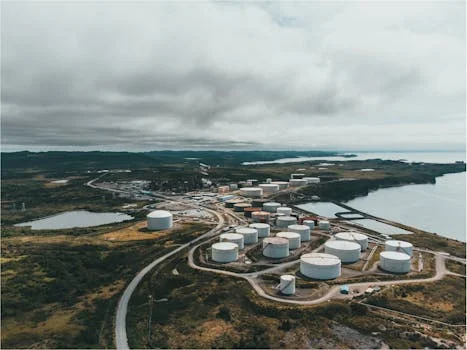
The Atyrau oil refinery successfully implemented Krofta Supracell SPC-30 DAF units to treat 1,200 m³/h of wastewater, achieving significant reductions in TSS, FOG, and COD. This project was critical for managing the refinery's effluent, which typically presented high pollutant loads ranging from 500–1,500 mg/L of Total Suspended Solids (TSS) and 300–800 mg/L of Fats, Oils, and Grease (FOG) (Waterleau data). The chosen technology involved a series of Krofta Supracell SPC-30 DAF units, enhanced with polymer dosing to optimize flocculation and improve the separation efficiency of oil and suspended solids. The process flow typically involved equalization, chemical conditioning, rapid mixing, flocculation, and then introduction into the DAF tanks where micro-bubbles facilitated flotation and removal of the pollutant-laden sludge blanket.
The implemented DAF system demonstrated impressive performance, achieving 95% TSS removal, 92% FOG removal, and an 85% reduction in Chemical Oxygen Demand (COD) (Waterleau’s published results). This high efficiency allowed the refinery to meet stringent discharge limits and improve its environmental footprint. However, the project encountered specific challenges unique to Kazakhstan’s climate and industrial conditions. Winter temperatures posed a risk of freezing micro-bubbles within the DAF saturator tanks, which was successfully mitigated by incorporating heated saturator tanks into the design. Additionally, the high salinity of the refinery's wastewater necessitated the use of corrosion-resistant materials, specifically stainless steel 316, for critical equipment components to ensure long-term operational integrity. A key lesson learned was the critical importance of effective pre-treatment screening to remove larger oil solids and debris, preventing downstream equipment damage and improving DAF performance. comprehensive operator training programs proved invaluable, leading to a measurable 20% reduction in chemical costs by optimizing dosing rates and operational parameters for the DAF systems for Kazakhstan’s oil and food processing industries.
Frequently Asked Questions
What are the discharge limits for industrial wastewater in Kazakhstan?
Kazakhstan’s discharge limits (per SNiP RK 4.01-02-2019) include COD < 150 mg/L, BOD < 20 mg/L, TSS < 30 mg/L, and oil/grease < 5 mg/L. Oil refineries often face even stricter limits, such as benzene < 0.5 mg/L.
How much does an industrial wastewater treatment plant cost in Kazakhstan?
Costs range from $500,000 for small food processing plants (50 m³/h) to over $20 million for large oil refineries (2,000 m³/h). Municipal WWTPs typically cost $10M–$50M, with approximately 30% of the budget often allocated to winterization measures due to extreme temperatures (Econet project data).
What are the best technologies for treating oil refinery wastewater in Kazakhstan?
DAF systems, such as Krofta Supracell units, are highly preferred for oil refinery wastewater due to their effectiveness in oil/grease removal, achieving 90–95% efficiency. MBR systems are also utilized for high pathogen loads and stringent effluent quality requirements, but require pre-heating in winter to maintain optimal biological activity, as demonstrated in the Atyrau refinery case study.
How do extreme temperatures affect wastewater treatment in Kazakhstan?
Extreme temperatures significantly impact treatment efficiency. Biological systems like MBR can lose 20–30% efficiency at temperatures below 5°C. DAF systems require heated saturator tanks to prevent micro-bubble freezing in winter. All equipment in contact with wastewater must utilize corrosion-resistant materials, such as stainless steel 316, to withstand high salinity and temperature fluctuations.
What are the key considerations when selecting a supplier for a WWTP in Kazakhstan?
Prioritize vendors with proven local case studies, such as the Atyrau refinery project, and those holding GOST-K certification for compliance with Kazakhstan’s technical regulations. Essential criteria also include guaranteed 24/7 remote support, local availability of spare parts, and comprehensive operator training. For government-funded projects, suppliers must meet a minimum of 30% local content requirements.
Related Equipment
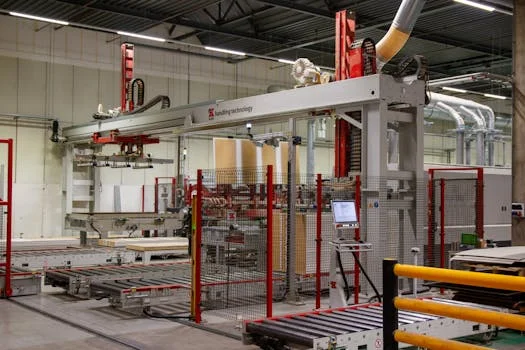
The following HydropureWater products are engineered for the wastewater challenges discussed above:
- DAF systems for Kazakhstan’s oil and food processing industries — view specifications, capacity range, and technical data
- MBR systems for high pathogen loads and space-constrained sites — view specifications, capacity range, and technical data
- chemical dosing systems for Kazakhstan’s variable wastewater loads — view specifications, capacity range, and technical data
Need a customized solution? Request a free quote with your specific flow rate and pollutant parameters.