Industrial Wastewater Treatment in Baghdad: Costs, Technologies & Compliance 2026
Baghdad’s industrial facilities face mounting pressure to treat wastewater to Iraqi and international standards—with fines for non-compliance reaching $50,000 per violation in 2025 (per Iraq’s Environmental Protection and Improvement Law No. 27 of 2009). High-efficiency systems like Dissolved Air Flotation (DAF) and Membrane Bioreactors (MBR) can remove 92-97% of COD and BOD5 from industrial effluent, but costs vary widely: a 50 m³/h DAF system costs $120,000–$180,000 installed, while an MBR system of the same capacity ranges from $200,000–$300,000. This guide compares technologies, breaks down costs, and provides a compliance checklist for Baghdad factories in 2026.
Why Baghdad Factories Need Industrial Wastewater Treatment Now
Iraqi Environmental Protection and Improvement Law No. 27 of 2009 stipulates fines up to $50,000 for industrial facilities discharging non-compliant effluent, impacting operational budgets and reputation. This legislation, specifically penalty clauses in Articles 28-32, empowers the Ministry of Environment to impose severe penalties, including temporary shutdowns, for consistent breaches of Baghdad industrial effluent standards. A 2023 study focusing on Baghdad’s Al-Dora Refinery found that 68% of surveyed industrial facilities in Baghdad failed to meet current COD (Chemical Oxygen Demand) and BOD5 (Biochemical Oxygen Demand) discharge limits (Al-Dora Refinery Efficiency Assessment, 2023). Influent COD levels at these facilities often ranged from 50-500 mg/L, significantly exceeding the typical 30 mg/L limit for discharge into municipal sewers or direct release, highlighting a critical compliance gap.
Consider a textile factory operating in Baghdad’s industrial zone, which recently faced a $30,000 fine for consistently exceeding Total Suspended Solids (TSS) limits. Their discharge frequently contained over 150 mg/L of TSS, far above the 50 mg/L regulatory threshold. This not only resulted in financial penalties but also attracted negative attention from local environmental authorities, jeopardizing their operating license. Such scenarios are becoming increasingly common as environmental enforcement tightens across Iraq.
Industrial wastewater in Baghdad often contains a complex mix of pollutants that demand robust treatment solutions. Common contaminants include heavy metals such as chromium and lead, frequently discharged by plating and manufacturing industries. Petrochemical facilities contribute significant levels of hydrocarbons and Fats, Oils, and Greases (FOG), alongside high concentrations of Total Dissolved Solids (TDS) (Top 3 petrochemical case study, Iraq). Food processing plants, meanwhile, generate high BOD5 and TSS loads. Addressing these diverse pollutants effectively is paramount for facilities to avoid legal repercussions, protect public health, and explore industrial wastewater recycling Iraq opportunities.
How Industrial Wastewater Treatment Works: Key Mechanisms Explained
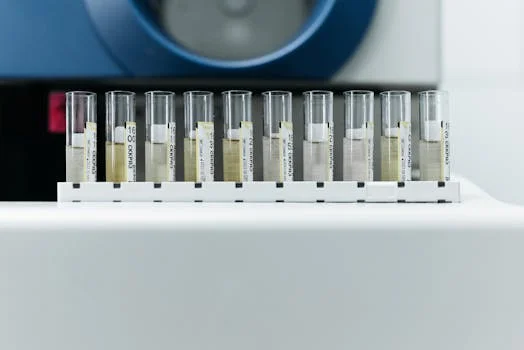
Industrial wastewater treatment systems systematically reduce pollutant concentrations through a series of physical, chemical, and biological processes, preparing effluent for safe discharge or reuse. The process typically involves primary, secondary, and tertiary stages, each targeting specific contaminant types. Primary treatment initiates the process by physically removing large solids and suspended particles, achieving 60-70% TSS removal through screening and sedimentation (Top 2 mechanical treatment plant data). This stage prevents damage to downstream equipment and reduces the overall pollutant load.
Following primary treatment, secondary treatment focuses on biological degradation of organic matter. Biological processes, such as activated sludge with Anoxic/Oxic (A/O) zones or advanced Membrane Bioreactors (MBR), remove 85-95% of BOD5 and COD by utilizing microorganisms to break down dissolved and colloidal organic pollutants (Al-Dora Refinery benchmarks, 2023). This stage is crucial for meeting stringent organic discharge limits. Finally, tertiary treatment polishes the effluent for specific reuse applications or direct discharge into sensitive environments. This stage often involves chemical dosing for heavy metal precipitation, advanced filtration (e.g., sand filtration, activated carbon), and disinfection (e.g., UV, chlorination) to remove remaining suspended solids, pathogens, and trace contaminants, aligning with standards like the WHO Guidelines for Drinking-water Quality for reuse applications (Top 1 WHO Guidelines for Drinking-water Quality).
A typical Baghdad industrial treatment train begins with a bar screen to remove large debris, followed by an equalization tank to stabilize flow and concentration variations. After equalization, a primary treatment step like Dissolved Air Flotation (DAF) or chemical dosing targets suspended solids and FOG. The water then proceeds to a biological reactor (e.g., MBR or conventional activated sludge) for organic load reduction. Finally, a sludge dewatering unit processes the concentrated solids generated throughout the system, minimizing waste volume. This integrated approach ensures efficient pollutant removal tailored to industrial demands.
| Treatment Stage | Key Process | Target Pollutants | Typical Influent (mg/L) | Typical Effluent (mg/L) | Removal Efficiency |
|---|---|---|---|---|---|
| Primary | Screening, Sedimentation | TSS, Large Solids, FOG | 200-500 | 50-150 | 60-70% TSS |
| Secondary | Biological (A/O, MBR) | BOD5, COD, Nutrients | 100-300 | 10-30 | 85-95% BOD5/COD |
| Tertiary | Filtration, Disinfection, Chemical Dosing | Remaining TSS, Pathogens, Heavy Metals, Color | 10-50 | <5 (for reuse) | 90-99% (specific) |
DAF vs MBR vs Chemical Dosing: Which System Fits Your Baghdad Factory?
Selecting the optimal wastewater treatment system for a Baghdad factory hinges on specific effluent characteristics, desired discharge quality, footprint constraints, and operational budget. Each technology—Dissolved Air Flotation (DAF), Membrane Bioreactors (MBR), and chemical dosing—offers distinct advantages and trade-offs in terms of removal efficiencies, energy consumption, physical footprint, and maintenance requirements.
A high-efficiency DAF system for Baghdad industrial wastewater is highly effective for removing suspended solids, oils, greases, and some heavy metals through micro-bubble flotation. DAF systems typically achieve 90-95% TSS removal and 70-80% FOG removal, making them ideal for pre-treatment in industries like food processing or petrochemicals (Zamzam Group Iraq data, 2024). They consume approximately 4-6 kWh/m³ of energy, largely for compressors and pumps. For a 50 m³/h capacity, a DAF unit requires a footprint of 20-30 m². Maintenance primarily involves weekly skimming of accumulated float and routine pump checks.
For facilities requiring near-reuse-quality effluent, an MBR system for near-reuse-quality effluent in Baghdad factories provides superior pollutant removal and disinfection. MBR technology combines biological treatment with membrane filtration, achieving 95-98% COD removal, virtually 100% TSS removal, and over 99% pathogen removal (Top 3 MBR recycling system data). While offering higher effluent quality, MBR systems have a lower energy consumption than DAF for biological processes, typically 0.8-1.2 kWh/m³, due to efficient aeration and filtration. Their compact design allows for a smaller footprint of 15-25 m² for a 50 m³/h system (Top 3 case study). However, MBR systems require monthly membrane cleaning and periodic replacement, which can be a significant maintenance consideration, though specialized labor costs in Baghdad are competitive for such tasks.
For targeted removal of specific contaminants like heavy metals or phosphorus, precise chemical dosing for Baghdad industrial wastewater treatment (coagulation/flocculation) is often employed. These systems can achieve 70-85% heavy metal removal and significant turbidity reduction, with energy consumption as low as 0.2-0.5 kWh/m³ for mixing and pumping (EPA benchmarks for coagulation). Their footprint is minimal, typically 5-10 m² for a 50 m³/h system (Top 3 case study). However, chemical dosing requires daily pH monitoring, precise chemical replenishment, and careful sludge management, often producing a higher volume of chemical sludge. The choice between these systems depends on the specific industrial wastewater characteristics and the required compliance level for discharge or reuse.
| System Type | Key Application | COD/BOD5 Removal | TSS/FOG Removal | Energy Use (kWh/m³) | Footprint (m²/50 m³/h) | Primary Maintenance |
|---|---|---|---|---|---|---|
| Dissolved Air Flotation (DAF) | FOG, TSS, Oil, Pre-treatment | 40-60% (pre-treatment) | 90-95% TSS, 70-80% FOG | 4-6 | 20-30 | Weekly skimming, pump checks |
| Membrane Bioreactor (MBR) | High-quality effluent, Reuse, BOD/COD | 95-98% | >99% (TSS, Pathogens) | 0.8-1.2 | 15-25 | Monthly membrane cleaning |
| Chemical Dosing (Coagulation/Flocculation) | Heavy metals, Color, Turbidity, Phosphorus | Varies (often combined) | 70-85% (metals, TSS) | 0.2-0.5 | 5-10 | Daily pH monitoring, chemical replenishment |
Cost Breakdown: Industrial Wastewater Treatment in Baghdad 2026
Understanding the cost breakdown for industrial wastewater treatment in Iraq is critical for informed procurement decisions, encompassing both initial capital expenditure (CAPEX) and ongoing operational costs (OPEX). For a typical 50 m³/h capacity system in Baghdad, capital costs for a DAF system range from $120,000 to $180,000 installed, covering equipment, civil works, and commissioning (Zamzam Group Iraq pricing, 2024). An MBR system of the same capacity, offering higher effluent quality, typically requires a CAPEX of $200,000 to $300,000. Basic chemical dosing systems are the most economical upfront, with installed costs between $50,000 and $80,000 for a 50 m³/h unit.
Operating costs, calculated per cubic meter of treated water, vary significantly by technology. DAF systems incur $0.50–$0.80/m³, primarily due to energy for compressors and pumps, and sludge disposal. MBR systems, while energy-efficient for biological processes, have higher overall OPEX at $0.70–$1.20/m³ due to membrane replacement, specialized cleaning chemicals, and labor. Chemical dosing systems typically have the lowest energy consumption but can have OPEX between $0.30–$0.60/m³, heavily influenced by the cost and consumption of chemicals (coagulants, flocculants, pH adjusters) and sludge handling. Labor costs in Baghdad for operational and maintenance staff are generally competitive, impacting the overall OPEX.
The Return on Investment (ROI) for a wastewater treatment plant in Baghdad can be substantial, driven by avoided fines, reduced freshwater consumption through reuse, and enhanced corporate image. For example, a 50 m³/h DAF system installed in a Baghdad food processing plant could generate annual savings of $40,000. This calculation includes preventing potential $30,000 annual fines for non-compliance and saving $10,000 from reducing freshwater purchases by reusing treated effluent for non-potable applications (Top 3 recycling system data). This scenario results in a payback period of approximately 3-4 years for a DAF system. Iraqi government grants for industrial water projects, as outlined in Iraq’s National Water Strategy 2035, can significantly offset initial investment costs and accelerate ROI.
| System Type | Capital Cost (50 m³/h, installed) | Operating Cost (per m³) | Typical Payback Period (years) |
|---|---|---|---|
| Dissolved Air Flotation (DAF) | $120,000 – $180,000 | $0.50 – $0.80 | 1.5 – 3 |
| Membrane Bioreactor (MBR) | $200,000 – $300,000 | $0.70 – $1.20 | 2.5 – 5 |
| Chemical Dosing (Basic) | $50,000 – $80,000 | $0.30 – $0.60 | 1 – 2.5 |
Compliance Checklist: Meeting Iraqi Industrial Effluent Standards
Ensuring full compliance with Iraqi industrial effluent standards is paramount for Baghdad factories to avoid significant fines and operational disruptions. Iraq’s Environmental Protection and Improvement Law No. 27 of 2009 sets specific limits for discharged industrial wastewater. Key parameters include Chemical Oxygen Demand (COD) at 100 mg/L, Biochemical Oxygen Demand (BOD5) at 30 mg/L, and Total Suspended Solids (TSS) at 50 mg/L. Heavy metal limits are also stringent, typically ranging from 0.1–1.0 mg/L for individual metals like lead, chromium, and cadmium, depending on the specific metal and receiving environment.
Beyond national regulations, many Baghdad industries consider benchmarks from international guidelines, such as the EU Urban Waste Water Directive 91/271/EEC, especially when aiming for industrial reuse or exporting products to markets with higher environmental standards (Top 1 WHO Guidelines). These international standards often provide a robust framework for advanced treatment and monitoring protocols, ensuring a higher level of environmental protection and opening avenues for treated wastewater reuse.
To demonstrate ongoing compliance, regular testing and meticulous documentation are non-negotiable. Required testing protocols include weekly analysis for COD and BOD5, monthly testing for heavy metals pertinent to the industry's discharge, and quarterly pathogen testing if the effluent is intended for reuse or discharged into sensitive water bodies (Top 2 mechanical treatment plant protocols). These tests must be conducted by accredited third-party laboratories to ensure impartiality and accuracy.
The Iraqi Ministry of Environment requires comprehensive documentation for industrial facilities. This includes obtaining and renewing discharge permits, maintaining detailed treatment logs that record operational parameters and chemical usage, and compiling all third-party laboratory reports. Regular audits by environmental authorities will review these documents, making accurate and complete record-keeping essential for continuous compliance.
Frequently Asked Questions
What is the most cost-effective industrial wastewater treatment system for Baghdad?
The most cost-effective system depends on the specific wastewater characteristics and required effluent quality. For basic TSS and FOG removal, a DAF system is often the most economical. For targeted heavy metal removal, a chemical dosing system can be cost-effective. However, considering long-term compliance and potential water reuse, MBR systems offer superior ROI despite higher initial capital costs.
How much does a 50 m³/h DAF system cost in Baghdad?
A 50 m³/h DAF system in Baghdad typically costs between $120,000 and $180,000, including equipment, installation, and commissioning. Operational costs range from $0.50 to $0.80 per cubic meter of treated water.
What are the Iraqi effluent limits for industrial wastewater?
Iraqi industrial effluent limits, per Law No. 27 of 2009, generally include COD at 100 mg/L, BOD5 at 30 mg/L, TSS at 50 mg/L, and heavy metals typically between 0.1–1.0 mg/L, depending on the specific metal.
Can treated industrial wastewater be reused in Baghdad factories?
Yes, highly treated industrial wastewater, particularly from MBR systems, can be reused in Baghdad factories for non-potable applications such as cooling towers, irrigation, or process water, helping to reduce freshwater consumption and operational costs.
What maintenance is required for an MBR system in Baghdad?
MBR systems in Baghdad require monthly membrane cleaning using chemical solutions to prevent fouling. Additionally, routine checks on pumps, blowers, and instrumentation, along with periodic membrane integrity testing, are essential for optimal performance and longevity.