
Sewage Treatment Equipment Supplier in Charlotte: 2025 Buyer's Guide & Technical Specs
Charlotte industrial facilities and municipalities require sewage treatment equipment that meets North Carolina DEQ discharge limits (e.g., TSS <30 mg/L, BOD <25 mg/L) while fitting tight budgets and space constraints. Top suppliers like EW2 Environmental and Premier Water offer DAF, MBR, and package systems with flow capacities from 10–500 m³/h, but performance varies: DAF systems remove 90–98% TSS at 4–300 m³/h, while MBR systems achieve <1 mg/L TSS in 60% smaller footprints. This guide compares specs, costs, and compliance for Charlotte projects.
Why Charlotte Facilities Need Advanced Sewage Treatment Equipment
North Carolina Department of Environmental Quality (NC DEQ) mandates that most industrial wastewater discharges maintain Total Suspended Solids (TSS) below 30 mg/L and Biological Oxygen Demand (BOD) below 25 mg/L to avoid heavy financial penalties. In the Charlotte metropolitan area, regulatory pressure is intensified by the rapid urbanization of industrial zones and the protection of the Catawba River basin. Facilities failing to meet these benchmarks face North Carolina General Statute §143-215.6A, which allows for civil penalties of up to $25,000 per day per violation.
Common compliance challenges in Charlotte involve specific industry pollutants. Textile mills often struggle with color limits and residual dyes, while the region’s dense food processing sector deals with excessive Fats, Oils, and Grease (FOG). These facilities frequently operate on tight urban lots, often ranging from 1 to 2 acres, where traditional lagoon systems or massive clarifiers are physically impossible to install. This has led to a surge in demand for compact, high-efficiency technologies that can be retrofitted into existing footprints.
The economic impact of non-compliance is significant. According to the NC DEQ 2023 enforcement report, a Charlotte-based food processing plant successfully avoided $120,000 in annual surcharges and fines by upgrading to a high-efficiency DAF system for Charlotte industrial wastewater. The system reduced influent TSS from 800 mg/L to well below the 30 mg/L threshold. For municipal engineers, the focus is often on nutrient removal, specifically ammonia and phosphorus, to prevent eutrophication in local reservoirs like Lake Wylie and Mountain Island Lake.
Sewage Treatment Technologies for Charlotte Projects: How They Work and When to Use Each

Dissolved Air Flotation (DAF) and Membrane Bioreactor (MBR) technologies represent the primary solutions for Charlotte’s industrial wastewater challenges, each offering distinct advantages in removal efficiency and physical footprint. DAF systems function by introducing micro-bubbles into the wastewater, which attach to suspended solids and grease, floating them to the surface for mechanical skimming. This is the preferred method for food processing and metalworking industries where FOG and heavy solids are prevalent. A standard DAF unit can achieve 90–98% TSS removal at flow rates ranging from 4 to 300 m³/h.
For projects requiring high-quality effluent for reuse or discharge into sensitive environments, the compact MBR system for space-constrained Charlotte sites is often the superior choice. MBR combines biological treatment with membrane filtration—typically utilizing submerged PVDF membranes with a 0.1 μm pore size. This eliminates the need for secondary clarifiers and achieves effluent TSS levels of <1 mg/L. While conventional activated sludge remains a cost-effective option for large-scale municipal flows (50–5,000 m³/h), it requires a significantly larger land area compared to MBR or DAF alternatives.
Small communities, remote industrial sites, and residential developments in the Charlotte outskirts often utilize an underground package plant for Charlotte residential communities. These WSZ series units are prefabricated, easy to conceal, and handle capacities from 1 to 80 m³/h. These systems are particularly effective because they require minimal operator intervention, making them ideal for sites without a full-time environmental staff.
| Technology | Best Use Case | TSS Removal Rate | Flow Capacity (m³/h) | Footprint Requirement |
|---|---|---|---|---|
| DAF (Dissolved Air Flotation) | Food Processing, FOG Removal | 90–98% | 4–300 | Moderate |
| MBR (Membrane Bioreactor) | Water Reuse, Urban Sites | >99% | 10–2,000 (m³/day) | Minimal (60% smaller) |
| Conventional Activated Sludge | Large Municipal Projects | 85–90% | 50–5,000+ | Large |
| Package Plants (WSZ) | Remote Sites, Housing Units | 90–95% | 1–80 | Minimal (Underground) |
When evaluating these options, engineers must also consider DAF vs. lamella clarifiers for industrial wastewater to determine if chemical-assisted flotation or gravity-based sedimentation is more appropriate for their specific solids loading. Understanding advanced oil and grease removal for food processing wastewater is also critical for facilities discharging to the McAlpine Creek treatment plant.
Technical Specifications: What to Look for in Charlotte Sewage Treatment Equipment
Technical performance for Charlotte sewage treatment systems is defined by hydraulic loading rates and removal efficiencies, with MBR systems typically achieving 99% TSS removal compared to the 90–98% range of DAF units. When reviewing equipment specifications, engineers must look beyond nominal flow rates to the influent quality limits. For instance, a robust DAF system can handle influent TSS concentrations up to 5,000 mg/L, making it a powerful pretreatment tool for heavy industrial waste. In contrast, MBR systems require careful screening to protect the membranes but offer unmatched effluent clarity.
Automation is a critical technical parameter in 2025. Modern systems should include PLC-controlled automatic chemical dosing systems that adjust coagulant and flocculant levels based on real-time sensor data. This reduces chemical waste and ensures consistent compliance even during flow surges. Energy consumption is another differentiator; MBR systems typically consume 0.6–1.2 kWh/m³, which must be balanced against the savings in footprint and chemical costs. In Charlotte’s humid climate, the materials of construction are paramount. Stainless steel (304 or 316) and high-grade fiberglass (FRP) are preferred over carbon steel to prevent long-term corrosion and structural failure.
| Parameter | DAF | MBR (DF Series) | Package Plant (WSZ) |
|---|---|---|---|
| Max Influent TSS | 5,000 mg/L | <250 mg/L (post-screen) | 300 mg/L |
| Effluent TSS | <30 mg/L | <1 mg/L | <20 mg/L |
| Energy Use (kWh/m³) | 0.2–0.5 | 0.6–1.2 | 0.3–0.7 |
| Construction Material | SS304/Carbon Steel | SS304/FRP | FRP/Coated Steel |
| Control System | Siemens/Allen-Bradley PLC | Integrated PLC/HMI | Automatic/Remote Monitor |
Cost Breakdown: Sewage Treatment Equipment in Charlotte (2025 Data)
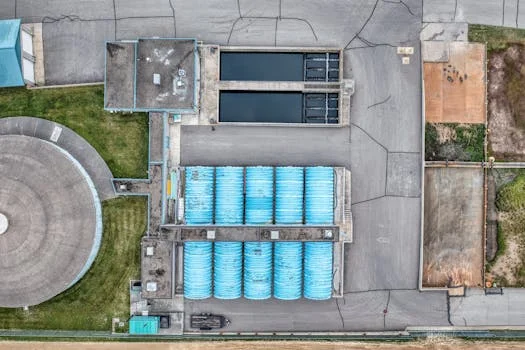
The capital expenditure (CAPEX) for industrial sewage treatment equipment in the Charlotte market ranges from $15,000 to $70,000 per m³/h of capacity, depending on the complexity of the biological and mechanical processes involved. DAF systems generally represent the lower end of the CAPEX spectrum for industrial pretreatment, while MBR systems command a premium due to the cost of high-performance membranes and advanced aeration equipment. Package plants fall in the middle, offering a balanced "plug-and-play" solution for smaller flows.
Operating expenses (OPEX) are frequently overlooked during the procurement phase but dictate the long-term ROI. For an MBR system, membrane replacement every 5 to 8 years can cost between $5,000 and $20,000, depending on the scale. Energy costs in North Carolina average roughly $0.05–$0.20 per m³ of treated water. However, the ROI calculation must include the avoidance of municipal surcharges. For example, a Charlotte textile plant saved $80,000 annually in high-strength waste surcharges after installing a DAF system, resulting in a total payback period of just 3.2 years (HydropureWater field data, 2025).
| Cost Category | DAF System | MBR System | Package Plant |
|---|---|---|---|
| CAPEX (per m³/h) | $15,000 – $40,000 | $30,000 – $70,000 | $20,000 – $50,000 |
| Annual Maintenance | $2,000 – $5,000 | $5,000 – $10,000 | $1,500 – $4,000 |
| Chemical Costs (per m³) | $0.15 – $0.50 | $0.05 – $0.15 | $0.10 – $0.30 |
| Installation (% of CAPEX) | 20% – 30% | 25% – 40% | 15% – 25% |
How to Choose a Sewage Treatment Equipment Supplier in Charlotte
Selecting a sewage treatment equipment supplier in Charlotte requires a verification of local engineering presence and a proven track record of meeting North Carolina’s specific environmental permitting requirements. While many national firms sell equipment into the region, local representation—such as firms with offices on Pineville-Matthews Road or Park Road—ensures that technical support is available within hours rather than days. This is critical for industrial facilities where a treatment system failure could result in an immediate production shutdown to avoid illegal discharge.
A reliable supplier should provide more than just hardware; they must offer a decision framework that includes pilot study data and site-specific engineering reports. When evaluating a supplier, procurement specialists should ask for Charlotte-specific references, particularly in Mecklenburg, Gaston, or York counties. A supplier’s ability to navigate the how package plants comply with strict state regulations is a good indicator of their overall regulatory competence, even if the specific project is in North Carolina rather than New York.
Key evaluation criteria for Charlotte suppliers include:
- Direct Manufacturer Relationships: Does the supplier represent the manufacturer directly, or are they a multi-tier reseller? Direct relationships typically lead to better pricing and faster spare parts availability.
- On-site Service Capabilities: Verify if the supplier has factory-trained technicians based in the Carolinas who can perform annual service contracts and emergency troubleshooting.
- Compliance Expertise: The supplier should be intimately familiar with NC DEQ’s electronic Discharge Monitoring Report (eDMR) system and EPA pretreatment standards (40 CFR Part 403).
- Customization Options: Avoid "one-size-fits-all" vendors. Look for suppliers who can customize materials (e.g., opting for 316SS for corrosive chemical waste) and control logic.
Charlotte Wastewater Regulations: What Your Equipment Must Achieve
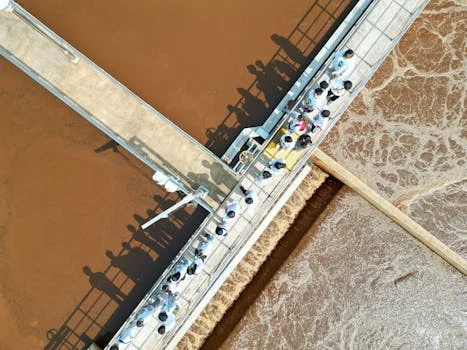
Industrial facilities in Mecklenburg County must comply with Charlotte Water’s Pretreatment Program, which prevents the discharge of pollutants that could pass through or interfere with the McAlpine Creek Wastewater Treatment Plant. For companies discharging directly to surface waters, the NC DEQ National Pollutant Discharge Elimination System (NPDES) permit is the governing document. Metal finishing facilities, for example, are held to strict limits: TSS <30 mg/L and Copper <1.3 mg/L. Food processors must typically maintain BOD <25 mg/L and FOG <15 mg/L.
The permitting process in North Carolina is rigorous, often taking 6 to 12 months for new discharges. This timeline requires early selection of equipment to provide the necessary engineering specifications for the permit application. emerging regulations regarding PFAS (Per- and Polyfluoroalkyl Substances) are becoming a priority. The NC DEQ’s 2024 draft rules suggest limits as low as 140 ppt for PFOA/PFOS. Advanced MBR and DAF systems are currently being evaluated for their role in PFAS sequestration when combined with specialized adsorbents.
Monitoring and reporting are continuous obligations. Most Charlotte permits require regular grab or composite sampling, with results submitted via monthly DMRs. Choosing equipment with integrated data logging and remote monitoring capabilities can significantly simplify this reporting burden and provide an early warning system if effluent quality begins to drift toward permit limits.
Frequently Asked Questions
What are the main types of sewage treatment systems used in Charlotte?The four primary types are: 1) Conventional activated sludge for large municipal flows, 2) Dissolved Air Flotation (DAF) for industrial FOG and solids removal, 3) Membrane Bioreactors (MBR) for high-clarity reuse and tight urban spaces, and 4) Package plants for small communities. Charlotte’s humid environment requires corrosion-resistant materials like stainless steel or fiberglass for all these systems.
What is the difference between an STP and a WWTP in the local context?In Charlotte, an STP (Sewage Treatment Plant) generally refers to facilities treating domestic waste from residential areas. A WWTP (Wastewater Treatment Plant) handles industrial or mixed municipal/industrial flows. For example, Charlotte Water’s McAlpine Creek WWTP is a massive regional facility that accepts pretreated industrial discharge from many local factories.
How do I choose between a DAF and an MBR system?Choose DAF if your primary goal is removing heavy oils, grease, or high concentrations of suspended solids as pretreatment before discharging to the city sewer. Choose MBR if you have limited space, need to meet very low discharge limits (TSS <1 mg/L), or want to reuse the treated water for irrigation or industrial processes.
Which are the largest wastewater treatment plants in Charlotte?The McAlpine Creek WWTP is the largest, with a capacity of approximately 240 million gallons per day (MGD). The Irwin Creek WWTP is another major facility, handling around 15 MGD. Most industrial facilities in Charlotte use on-site equipment to pretreat their waste before it ever reaches these municipal plants.
What factors most affect the cost of sewage treatment equipment?Cost is primarily driven by: 1) The volume of water (flow rate), 2) The "strength" of the waste (influent BOD/TSS levels), 3) The required effluent quality (discharge limits), and 4) The degree of automation. Systems with automated chemical dosing and remote PLC monitoring have higher upfront costs but lower long-term labor and chemical expenses.


