Why Hospital Wastewater in Belo Horizonte Needs Specialized Treatment
Hospital wastewater in Belo Horizonte contains up to 5.7 ± 0.7-log CFU/mL of antibiotic-resistant bacteria (ARB), requiring advanced treatment like MBR or A/O systems with disinfection. Compliant solutions must meet CONAMA and local COPASA discharge standards, especially for BOD, COD, and pathogen removal, before release into urban sewers or surface waters.
The concentration of healthcare facilities in districts like Santa Efigênia creates a localized "hotspot" for complex effluents in Belo Horizonte's urban area. Research indicates that the abundance of ARB in hospital sewage here is comparable to, or in some cases exceeds, the influent levels found at municipal wastewater treatment plants (WWTPs), which typically hover around 5.3-log CFU/mL. This parity suggests that hospitals are discharging a microbial load that standard municipal infrastructure is not specifically designed to neutralize. Medical effluent is a carrier for pharmaceutical residues—including beta-lactams and fluoroquinolones—and high concentrations of disinfectants like quaternary ammonium compounds. These substances can inhibit the biological activity of traditional activated sludge processes if not managed through specialized engineering.
The environmental risk is compounded by the city's topography and its proximity to the Rio das Velhas basin. Untreated or insufficiently treated discharge poses a direct threat to the regional watershed, where antibiotic-resistant genes (ARGs) can proliferate through horizontal gene transfer in the aquatic biofilm. For facility managers, the urgency is not merely environmental; it is a matter of operational continuity. As urban density increases, the margin for error in effluent management shrinks, necessitating systems that provide high-log reduction of pathogens within a constrained physical footprint.
Regulatory Standards for Medical Effluent in Minas Gerais
Compliance for healthcare facilities in Minas Gerais is governed by a multi-tiered regulatory framework that dictates specific physical, chemical, and biological parameters for discharge. At the federal level, CONAMA Resolution 430/2011 serves as the baseline, mandating that effluents must not exceed a Biological Oxygen Demand (BOD) of 60 mg/L and a Chemical Oxygen Demand (COD) of 150 mg/L. After disinfection, the thermotolerant coliform count must remain below 1,000 MPN/100mL to prevent the spread of waterborne diseases in urban areas.
Hospitals in Belo Horizonte must also adhere to the strictures of COPASA (Companhia de Saneamento de Minas Gerais). For facilities discharging directly into the municipal sewer system, COPASA enforces pretreatment standards to protect the integrity of the public network and the efficiency of downstream treatment plants. These standards include a strictly maintained pH range of 6.0 to 9.0 and an oil and grease limit of ≤ 20 mg/L. Failure to meet these pretreatment standards can lead to significant surcharges or the suspension of discharge permits.
State-level oversight adds another layer of accountability. Under State Decree 45.990/2008, any hospital generating more than 5 m³ of wastewater per day is classified as a potential polluter and must submit quarterly effluent monitoring reports (Relatórios de Monitoramento de Efluentes). These reports must be validated by certified laboratories and demonstrate consistent adherence to the established limits. For procurement officers, this means that any selected treatment system must not only achieve peak performance during commissioning but must also demonstrate long-term stability and ease of sampling to satisfy these recurring regulatory audits.
Core Treatment Technologies for Hospital Wastewater
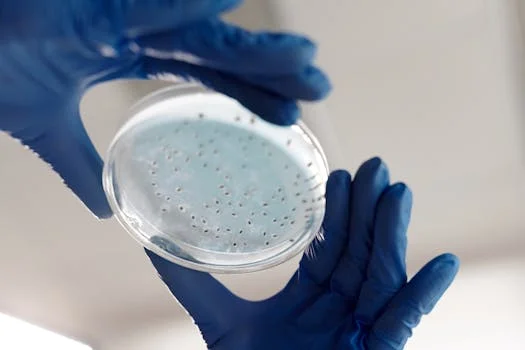
The selection of the appropriate technology for a Belo Horizonte hospital requires balancing effluent quality requirements against available space and operational budget. The three primary technologies currently utilized in the Brazilian healthcare sector are Anoxic/Aerobic (A/O) biological treatment, Membrane Bioreactors (MBR), and Ozone Disinfection.
A/O (Anoxic/Aerobic) Systems: This is a proven biological process where wastewater passes through an anoxic zone for denitrification followed by an aerobic zone for carbonaceous removal and nitrification. In hospital settings, A/O systems typically achieve 85–92% BOD removal and 80–88% COD removal. While reliable, they require a secondary clarifier and a larger footprint, making them more suitable for hospitals with available land on the outskirts of the city.
MBR (Membrane Bioreactor): This technology combines biological treatment with membrane filtration (typically ultrafiltration). A high-efficiency MBR system for hospital effluent reuse acts as a physical barrier to bacteria and suspended solids, delivering effluent with a turbidity of < 1 μm. MBRs are particularly effective at removing antibiotic-resistant bacteria and pharmaceutical residues that bypass conventional systems. The footprint is approximately 60% smaller than a conventional A/O plant, which is critical for urban hospitals.
Ozone Disinfection: Ozone is a powerful oxidant that provides 99%+ microbial kill rates. Unlike chlorine, it leaves no harmful chemical residuals and is highly effective at breaking down complex organic molecules found in medications. For smaller clinics or as a tertiary polish for larger facilities, a compact ozone-based medical wastewater system ensures compliance with the most stringent pathogen limits.
| Technology | BOD Removal Efficiency | Pathogen Reduction (Log) | Primary Advantage | Typical Application |
|---|---|---|---|---|
| A/O Biological | 85 - 92% | 1.0 - 2.0 | Low operational complexity | Large facilities with space |
| MBR System | 95 - 99% | 4.0 - 6.0 | Superior effluent quality/Small footprint | Urban hospitals/Water reuse |
| Ozone (Tertiary) | < 10% (direct) | 3.0 - 5.0 | No chemical byproducts | High-risk pathogen removal |
Technology Comparison: Performance, Cost & Maintenance
Facility managers must look beyond initial CAPEX to the Total Cost of Ownership (TCO) when evaluating wastewater systems. In Belo Horizonte’s high-utility-cost environment, energy efficiency and chemical consumption are primary drivers of OPEX. Data suggests that while MBR systems have a higher energy demand (~1.2 kWh/m³) compared to conventional activated sludge, the savings in chemical costs for disinfection and the reduction in sludge disposal volume often offset the energy premium.
MBR Systems offer the highest level of protection against regulatory non-compliance. By maintaining a high Mixed Liquor Suspended Solids (MLSS) concentration (typically 8,000 to 12,000 mg/L), MBRs can handle the toxic shocks often caused by hospital detergents and disinfectants. However, they require a 12-step O&M protocol for hospital systems to prevent membrane fouling and ensure longevity. This includes automated backwashing and periodic Clean-In-Place (CIP) cycles.
A/O + Chlorine Disinfection remains a common choice due to lower upfront costs. However, the risk of forming Trihalomethanes (THMs)—toxic disinfection byproducts—is high when treating hospital sewage rich in organic matter. This can lead to non-compliance with environmental discharge permits in Minas Gerais. The secondary clarifiers required for A/O systems are prone to "bulking" when exposed to the specific nutrient imbalances found in medical waste.
For smaller facilities or specialized clinics (under 10 m³/day), the compact medical wastewater system offers a specialized pathway. These units utilize integrated ozone and filtration to achieve compliance without the need for large biological tanks. For facilities looking for an underground solution to preserve parking or green space, an integrated underground treatment plant provides a discreet, low-odor alternative that meets all COPASA requirements.
| Parameter | MBR Integrated System | Conventional A/O + Cl | Compact (Ozone) |
|---|---|---|---|
| Effluent BOD (mg/L) | < 5 | 15 - 25 | < 20 |
| Footprint Requirement | Minimal (Skid-mounted) | High (Concrete tanks) | Ultra-compact (Cabinet) |
| Energy Consumption | 1.0 - 1.5 kWh/m³ | 0.5 - 0.8 kWh/m³ | 0.3 - 0.5 kWh/m³ |
| Maintenance Skill | High (Technical) | Medium (Mechanical) | Low (Automated) |
| Sludge Production | Low | High | Negligible |
Implementation Pathway for Hospitals in Belo Horizonte
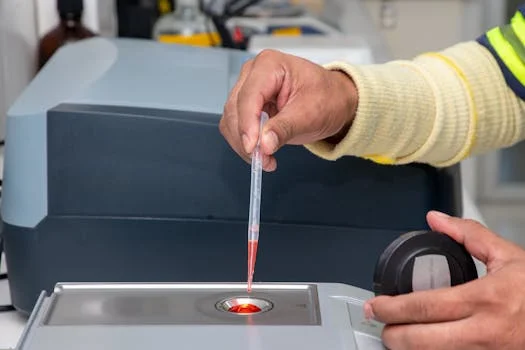
The transition from an aging septic system or an undersized treatment plant to a modern, compliant facility requires a structured engineering approach. The first step for any Belo Horizonte facility is a 30-day wastewater characterization study. This study must capture the diurnal variations in flow and the peaks in pollutant concentration, typically occurring during morning cleaning cycles and evening shift changes. Data from this study allows for the precise sizing of equalization tanks, which are essential for neutralizing pH and temperature spikes before biological treatment.
Once the load is characterized, the hospital should engage a licensed environmental consultant familiar with the specific requirements of COPASA’s "Recebimento de Efluentes Não Domésticos" (RENDO) program. This ensures that the system design is pre-approved, avoiding costly retrofits. Choosing prefabricated, skid-mounted systems—such as the WSZ or compact medical wastewater system—can reduce on-site installation time by up to 40% compared to traditional concrete construction. This is a vital consideration for hospitals that must maintain 24/7 operations without major construction disruptions. For those operating in similar climates, reviewing hospital wastewater compliance in tropical urban settings can provide valuable insights into managing high-ambient-temperature biological processes and odor control in dense neighborhoods.
Frequently Asked Questions
How is hospital wastewater treated in Belo Horizonte?
Treatment typically involves a multi-stage process: preliminary screening for solids, equalization to balance chemical loads, biological treatment (A/O or MBR) to remove organic matter, and high-level disinfection (Ozone or UV) to neutralize antibiotic-resistant bacteria, ensuring compliance with CONAMA 430/2011.
What is the best system for small clinics?
For clinics with space constraints and lower flow rates (under 10 m³/day), a compact ozone-based medical wastewater system is ideal. These systems are automated, require no hazardous chemicals for disinfection, and fit within a standard cabinet footprint.
Can hospital effluent be reused?
Yes. By utilizing an MBR system followed by Reverse Osmosis (RO), hospitals can produce high-quality water suitable for non-potable applications such as cooling tower make-up, landscape irrigation, or toilet flushing, significantly reducing municipal water costs.
What are the risks of using only chlorine for disinfection?
Chlorine is often ineffective against certain resistant pathogens and can react with organic compounds in hospital waste to form carcinogenic byproducts. In Belo Horizonte, where discharge standards are strictly monitored, ozone or MBR-based filtration is preferred for safer, more consistent results.