Current State of Hospital Wastewater Management in Sarawak
Hospital wastewater treatment in Sarawak, Malaysia relies on a mix of established and evolving systems. While oxidation ponds are still in use, such as at Kuching Hospital and Kuching Airport, these are often part of older municipal infrastructure. For single buildings or smaller healthcare facilities, Imhoff tanks and septic tanks remain prevalent, with Kuching City alone accounting for an estimated 74,000 septic tanks. However, modern healthcare facilities are increasingly adopting more sophisticated, centralized biological treatment systems. A prime example is Normah Medical Centre, which operates a biological treatment plant with a capacity for a population equivalent (PE) of 950. These advanced systems are crucial as the Malaysian Department of Environment (DOE) enforces stringent discharge standards under the Environmental Quality (Sewage) Regulations 2009 and the broader Environmental Quality Act 1974, necessitating effective treatment to protect local water bodies.
Why Hospitals Need Specialized Wastewater Treatment
Hospital wastewater is not analogous to domestic sewage; it presents a unique and complex treatment challenge due to its distinct chemical and biological composition. It frequently contains a higher concentration of pharmaceuticals, including antibiotics, disinfectants, contrast agents, and endocrine disruptors, which are often absent or present in negligible amounts in typical domestic effluent. The pathogen load in hospital wastewater can be significantly higher. Recent studies indicate the presence of various viruses, such as adenoviruses and noroviruses, alongside antibiotic-resistant genes, posing a greater public health risk. Microplastics, often found in wastewater, can act as carriers for these viral pathogens and adsorb pharmaceuticals, further concentrating and disseminating these contaminants into the environment. Consequently, the DOE mandates stricter discharge limits for parameters like Biochemical Oxygen Demand (BOD), Chemical Oxygen Demand (COD), Total Suspended Solids (TSS), and fecal coliforms for healthcare facilities compared to general municipal effluent, underscoring the necessity for specialized medical wastewater treatment in Malaysia.
Available Treatment Technologies for Sarawak Hospitals
Selecting the appropriate wastewater treatment technology for hospitals in Sarawak requires careful consideration of local infrastructure, space constraints, and environmental regulations. Extended aeration activated sludge systems, similar to the one employed at Normah Medical Centre, are effective for BOD removal, achieving over 90% efficiency. However, these systems typically demand a substantial land footprint and require skilled operators for optimal performance. For hospitals facing space limitations, particularly in urban areas, Membrane Bioreactor (MBR) systems offer a compelling solution. MBR technology delivers exceptionally high-quality effluent, with particle removal down to less than 1 μm, and occupies up to 60% less space than conventional systems, making them ideal for high-density healthcare settings. For smaller clinics and mid-size hospitals, the WSZ Series underground integrated plants provide a robust, automated solution. These systems utilize an Anoxic/Oxic (A/O) contact oxidation process followed by disinfection, capable of treating volumes ranging from 1 to 80 m³/h, and are well-suited for decentralized applications. For even more compact needs, such as clinics and dental hospitals, the medical wastewater systems offer a specialized approach. These units employ ozone disinfection, achieving a 99%+ kill rate for pathogens without the need for chemical dosing, and can have a footprint as small as 0.5 m², representing a highly efficient option for specialized medical wastewater treatment in Malaysia.
Here is a comparative overview of key technologies:
| Technology | Primary Treatment Process | Typical Footprint | Effluent Quality | Key Advantages | Considerations |
|---|---|---|---|---|---|
| Extended Aeration Activated Sludge | Biological Aeration | Large | Good BOD/COD removal | Proven, reliable | High space requirement, operational complexity |
| MBR (Membrane Bioreactor) | Biological + Membrane Filtration | Compact (60% smaller than conventional) | < 1 μm effluent, high pathogen removal | Excellent effluent quality, space-saving | Higher CAPEX, membrane maintenance |
| WSZ Series (Underground Integrated) | A/O Contact Oxidation + Disinfection | Underground, minimal surface footprint | Meets DOE Class II standards | Automated, low maintenance, suitable for various scales | Disinfection method (e.g., chlorine dioxide) |
| Medical Wastewater System (Compact Ozone) | Biological + Ozone Disinfection | Very Compact (as low as 0.5 m²) | 99%+ pathogen kill, no chemical byproducts | Space-efficient, chemical-free disinfection, pharmaceutical reduction | Ozone generator maintenance |
Performance and Cost Comparison of Hospital Wastewater Systems
Evaluating hospital sewage system options in Sarawak requires a clear understanding of performance metrics and associated costs for informed procurement. Membrane Bioreactor (MBR) systems offer superior effluent quality with over 95% COD removal and >99% pathogen reduction, but involve a higher capital expenditure (CAPEX), ranging from RM800 to RM1,200 per cubic meter of daily treatment capacity. In contrast, the WSZ Series underground integrated plants present a more budget-friendly option, with installation costs between RM300 and RM600 per cubic meter. These systems are designed for minimal maintenance and, when equipped with chlorine dioxide disinfection, can reliably meet DOE Class II discharge standards. For smaller healthcare facilities like clinics and dental hospitals, the compact units offer a cost-effective solution, with CAPEX typically ranging from RM45,000 to RM120,000 for capacities serving 5 to 20 m³/day. A significant advantage of ozone-based disinfection, as utilized in these compact units, is its ability to eliminate harmful disinfection byproducts associated with chlorine, aligning with stringent international standards such as the EU Urban Waste Water Directive 91/271/EEC and contributing to effective pharmaceutical removal in wastewater.
The following table provides a cost and performance benchmark:
| Technology | Typical CAPEX (RM/m³) | Typical OPEX | Footprint Efficiency | Pathogen Removal | Pharmaceutical Removal Potential | Compliance Benchmark |
|---|---|---|---|---|---|---|
| MBR System | 800 - 1,200 | Moderate (membrane cleaning/replacement) | Very High | >99% | High (>90%) | Exceeds DOE Class I |
| WSZ Series | 300 - 600 | Low (minimal maintenance) | High (Underground) | High (with effective disinfection) | Moderate | Meets DOE Class II (with appropriate disinfection) |
| Compact medical wastewater system (Ozone) | 45,000 - 120,000 (for 5-20 m³/day units) | Low (ozone generator maintenance) | Extremely High | 99%+ | High (>90%) | Meets stringent international standards |
Compliance and Implementation in Sarawak
Implementing new hospital wastewater treatment systems in Sarawak necessitates adherence to the Environmental Quality Act 1974 and its subsidiary regulations. All new installations must undergo and obtain Department of Environment (DOE) Environmental Impact Assessment (EIA) approval. Post-installation, regular effluent sampling and certification are required to demonstrate ongoing compliance. The minimum discharge standards generally stipulate limits of BOD ≤ 50 mg/L, COD ≤ 100 mg/L, TSS ≤ 50 mg/L, and fecal coliforms ≤ 1,000 MPN/100mL. For facilities that opt for prefabricated, underground systems, a significant advantage is the reduction in construction time by up to 40%, which is crucial for minimizing disruption in busy urban hospital environments. Advanced systems also often incorporate remote monitoring capabilities and Programmable Logic Controller (PLC) automation, allowing for continuous oversight of plant performance, ensuring consistent compliance with minimal on-site staffing and facilitating rapid response to any operational anomalies.
Frequently Asked Questions
How is hospital wastewater treated in Malaysia?
Hospital wastewater in Malaysia is traditionally treated using septic tanks or oxidation ponds. However, modern healthcare facilities are increasingly adopting advanced biological treatment systems like activated sludge or MBR, and specialized disinfection methods such as ozonation.
What are the discharge standards for hospital wastewater in Sarawak?
Discharge standards in Sarawak are governed by the Department of Environment (DOE) under the Environmental Quality Act 1974. Key parameters include limits for BOD (≤ 50 mg/L), COD (≤ 100 mg/L), TSS (≤ 50 mg/L), and fecal coliforms (≤ 1,000 MPN/100mL).
Can compact treatment systems handle pharmaceutical residues?
Yes, advanced compact treatment systems, particularly those employing MBR technology or ozone-based disinfection, are capable of removing over 90% of various micropollutants, including many pharmaceutical residues.
What is the cost of a hospital wastewater treatment plant in Sarawak?
The cost varies significantly by technology and capacity. Generally, it ranges from RM300/m³ for basic integrated systems to RM1,200/m³ for advanced MBR plants. Compact units for smaller facilities are often priced per system rather than per cubic meter.
Are there existing examples of advanced treatment in Sarawak hospitals?
Yes, Normah Medical Centre is a notable example, operating a centralized biological treatment plant with a capacity of PE=950, demonstrating the implementation of advanced treatment in the region.
Related Equipment
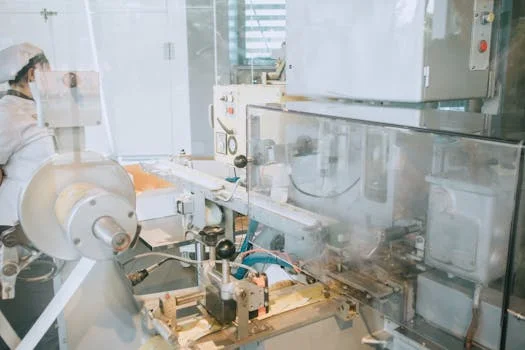
The following HydropureWater products are engineered for the wastewater challenges discussed above:
- Compact ozone-based medical wastewater treatment system — view specifications, capacity range, and technical data
- High-efficiency MBR system for hospital effluent reuse — view specifications, capacity range, and technical data
Need a customized solution? Request a free quote with your specific flow rate and pollutant parameters.