What Is a Multi Media Filter and How Does It Work?
A multi media filter manufacturer supplies industrial filtration systems that remove >95% of suspended solids and reduce SDI to <3, protecting downstream RO membranes. HydropureWater's units achieve 10-micron filtration with automated backwash cycles using layered anthracite, sand, and garnet media in ASME-coded vessels. These systems operate on the principle of depth filtration, where water flows downwards through multiple layers of media, each with a specific particle size range. The coarsest media, typically anthracite (1.0–1.5 mm), is placed at the top to capture larger particles. Beneath this lies a layer of fine sand (0.4–0.6 mm), followed by garnet (0.8–1.2 mm) at the bottom, which traps the smallest suspended solids down to approximately 10 microns. This layered approach maximizes contaminant capture while minimizing pressure drop. During a service cycle, influent water enters the top of the vessel and percolates through the media bed. As water passes through, suspended solids, silt, and sediment are retained within the interstitial spaces of the media. When the filter reaches a predetermined differential pressure or timer interval, an automated backwash cycle is initiated. This cycle reverses the flow of water, creating an expanded bed that fluidizes the media layers. The expansion, typically 20–30% of the settled bed depth, dislodges trapped particles, which are then flushed out of the vessel. This process effectively cleans the media and restores filtration capacity, typically achieving a Silt Density Index (SDI₁₅) reduction from influent levels of 6.0+ down to below 3.0, meeting stringent requirements for sensitive downstream processes like reverse osmosis (RO) systems. For further information on RO system pretreatment, see our discussion on how RO systems compare to NF, UF, and MBR in industrial applications.
Key Design Parameters for Industrial Multi Media Filters
Selecting the appropriate multi media filter for industrial applications requires careful consideration of several design parameters to ensure optimal performance and longevity. Vessel construction is a primary concern, with standard options including carbon steel (often epoxy-lined for corrosion resistance), stainless steel (304 or 316 grades for enhanced durability), or fiber-reinforced plastic (FRP) for corrosive environments. For applications requiring operation at pressures exceeding 150 psi, ASME U-stamp certification is available, ensuring compliance with stringent safety and design codes. Flow rates per vessel typically range from 5 to 200 m³/h, with larger systems often employing dual or multi-vessel configurations to provide operational redundancy, facilitate maintenance, and handle fluctuating flow demands. The filter velocity, a critical factor influencing filtration efficiency and backwash effectiveness, is generally maintained between 5 and 15 meters per hour (m/h), equivalent to 200 to 600 gallons per minute per square foot (gpm/ft²). For influent streams with higher turbidity levels, such as those exceeding 100 NTU, a lower filter velocity is recommended to prevent premature clogging and maximize solids capture. The media bed depth is typically around 1,200 mm, comprising approximately 400 mm of anthracite, 400 mm of sand, and 400 mm of garnet. Beneath the primary media layers, a support layer of gravel, typically 100 mm deep, prevents finer media from migrating into the underdrain system.
| Parameter | Specification Range | Notes |
|---|---|---|
| Vessel Material | Carbon Steel (Epoxy-Lined), Stainless Steel (304/316), FRP | Corrosion resistance and pressure rating dependent. |
| ASME U-Stamp | Available | For pressures >150 psi. |
| Design Flow Rate (per vessel) | 5–200 m³/h | Multi-vessel skids for higher capacity and redundancy. |
| Filter Velocity | 5–15 m/h | Lower velocities recommended for high turbidity influent (>100 NTU). |
| Total Media Depth | 1,200 mm | Anthracite (400 mm), Sand (400 mm), Garnet (400 mm). |
| Gravel Support Layer | 100 mm | Prevents media migration. |
For high-purity applications, consider our industrial multi media filter with automated backwash.
Performance Metrics: TSS, Turbidity, and SDI Reduction
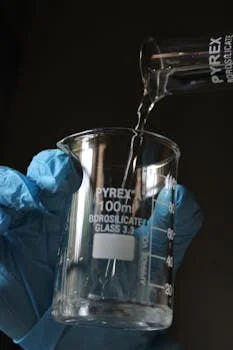
The effectiveness of an industrial multi media filter is quantified by its ability to significantly reduce key water quality parameters, directly impacting the reliability and lifespan of downstream equipment. Our systems consistently demonstrate high efficiency in Total Suspended Solids (TSS) removal, typically achieving 92–97% reduction for influent streams containing 50–200 mg/L of TSS. Pilot studies conducted in textile and food processing plants have validated these performance metrics. Turbidity, a measure of water cloudiness caused by suspended particles, is also effectively reduced. Influent turbidity levels ranging from 50–100 NTU can be lowered to below 3 NTU in a single pass, a critical threshold for many industrial processes. Crucially for RO pretreatment, the Silt Density Index (SDI₁₅) is dramatically reduced. Influent SDI₁₅ values of 5.0–7.0 are typically lowered to below 3.0. This SDI reduction is paramount for extending the operational life of RO membranes, often preventing premature fouling and reducing cleaning cycles, thereby extending membrane life to well over 3 years. Backwash water consumption is an important operational consideration. Our multi media filters are designed for efficient backwashing, typically consuming 3–5% of the total filtered volume. This backwash water, containing concentrated solids, can be effectively managed through subsequent settling tanks or dewatering processes, making it a recoverable resource.
Multi Media Filter vs DAF vs Sand Filter: Which Should You Choose?
When specifying an industrial water filtration system, understanding the distinct advantages of different technologies is crucial for making an informed decision that aligns with specific water quality challenges and operational goals. Multi media filters significantly outperform single-media sand filters, particularly in fine particle capture and SDI reduction. While sand filters typically achieve filtration down to 20–50 microns, multi media filters can reliably remove particles down to 10 microns, leading to a substantially lower SDI. Dissolved Air Flotation (DAF) systems excel in removing low-density solids, oils, greases, and colloidal matter, making them highly effective in applications like food processing where FOG (Fats, Oils, and Grease) is prevalent. However, for treating water with high concentrations of silt, clay, and general suspended solids, multi media filters offer a more targeted and cost-effective solution. In terms of capital expenditure and footprint, multi media filters present a compelling case for RO pretreatment. They are approximately 40% cheaper than comparable DAF systems and require up to 60% less footprint than gravity sand filters for the same flow rate. A key operational advantage of media filters is their ability to perform backwashing without the need for chemical aids. DAF systems, conversely, necessitate the continuous dosing of coagulants such as polyaluminum chloride (PAC) or polymers to destabilize and aggregate contaminants for effective flotation, adding to operational complexity and cost. For a detailed comparison of filtration technologies, consult our article on how RO systems compare to NF, UF, and MBR in industrial applications, and for sand filter specifics, see sand filter water treatment manufacturer: high-rate systems & 5μm filtration.
| Feature | Multi Media Filter | DAF System | Sand Filter |
|---|---|---|---|
| Typical Filtration Efficiency | 10 microns | Variable (depends on coagulant/flocculant) | 20–50 microns |
| Primary Application | Suspended solids, silt, clay, turbidity reduction, RO pretreatment | FOG, colloidal solids, low-density particles | Larger suspended solids, pre-filtration |
| Chemical Requirement | None (for backwash) | Coagulants (PAC, polymer) required | None (for backwash) |
| CAPEX (Relative to MMF for RO Pretreatment) | 1x | ~1.4x | ~1.6x (for gravity type) |
| Footprint (Relative to MMF) | 1x | ~0.7x | ~1.6x |
| SDI Reduction | High (typically <3) | Moderate to High | Lower |
Total Cost of Ownership: CAPEX, OPEX, and ROI Timeline
Evaluating the true economic viability of an industrial multi media filter system hinges on a comprehensive understanding of its Total Cost of Ownership (TCO), encompassing both upfront capital expenditure (CAPEX) and ongoing operational expenditure (OPEX). The CAPEX for a typical multi media filter unit, ranging from 5 to 50 m³/h capacity, generally falls between $18,000 and $85,000. This price includes the filter vessel, all necessary media, automated control systems, instrumentation, and comprehensive factory testing. Operational expenditures are remarkably low, typically ranging from $0.12 to $0.28 per cubic meter of treated water. The primary OPEX components are energy costs for the backwash pumps and the consumption of backwash water. Critically, multi media filters do not require chemical additives for their operation, eliminating chemical purchase, storage, and dosing costs, which are significant for alternative technologies. The return on investment (ROI) for implementing multi media filters is often realized within an 18–36 month timeframe. This payback period is typically achieved by replacing expensive and labor-intensive cartridge filters, or by significantly reducing the frequency of RO membrane cleaning cycles by up to 60%, thereby extending membrane lifespan and minimizing downtime. The inherent robustness and efficient design of these systems contribute to a long service life, often exceeding 15 years, with media replacement typically required only every 3 to 5 years, further enhancing their long-term cost-effectiveness. For related cost analyses, see sludge dewatering system manufacturer: top 5 technologies & ROI data 2025.
| Cost Component | Typical Range | Notes |
|---|---|---|
| CAPEX (per unit, 5-50 m³/h) | $18,000 – $85,000 | Includes vessel, media, controls, testing. |
| OPEX (per m³) | $0.12 – $0.28 | Primarily energy for pumps; minimal water loss. |
| Chemical Costs | $0 | No chemical additives required for operation. |
| Media Replacement Interval | 3–5 years | Extends system life and maintains performance. |
| Typical ROI Timeline | 18–36 months | Based on cartridge filter replacement or RO membrane cleaning reduction. |
| System Service Life | 15+ years | With proper maintenance and media replacement. |
Frequently Asked Questions
What is the working principle of a multi media filter?
Water flows downward through layered media—anthracite, sand, garnet—trapping particles by size and density. Clean water exits the bottom. During backwash, flow is reversed to clean the media and expel captured solids.
How often should multi media filters be backwashed?
Backwashing frequency depends on influent Total Suspended Solids (TSS) and can range from every 24 to 72 hours. Automatic systems commonly use differential pressure (triggering at >10 psi) or timer-based intervals for backwash initiation.
Can multi media filters remove oil and grease?
Multi media filters are not designed for effective oil and grease removal. For FOG (Fats, Oils, and Grease) removal, Dissolved Air Flotation (DAF) systems are recommended. Multi media filters are optimized for suspended solids and turbidity.
What media lasts longest in multi media filters?
Garnet and anthracite media typically exhibit the longest lifespan, often lasting 3 to 5 years before requiring replacement. The sand layer may experience more attrition and might need replacement every 2 to 3 years, depending on operating conditions and backwash intensity.
Do multi media filters require chemicals?
No, standard multi media filters do not require chemicals for their operation. Backwashing is performed using the filtered process water itself. Chemical coagulants are only necessary if the influent water contains colloidal or emulsified contaminants that require destabilization for effective removal, which is typically addressed by other pretreatment steps or specialized filter media.