Why Kansas Needs Package Wastewater Treatment Plants
Over 60% of Kansas counties, according to the U.S. Census 2020, have populations under 20,000, creating a significant demand for decentralized sewage treatment solutions that are both efficient and scalable. This demographic dispersion, coupled with an aging centralized infrastructure in many municipalities, makes compact WWTPs a strategic necessity. The Kansas Department of Health and Environment (KDHE) enforces strict discharge limits for key pollutants such as BOD5 (<20 mg/L), TSS (<30 mg/L), and seasonal ammonia limits under National Pollutant Discharge Elimination System (NPDES) permits, requiring robust treatment even in smaller applications. Rural communities in Kansas often face challenges with limited staffing and resources for maintaining complex wastewater facilities; fully automated package plants significantly reduce this operational burden by minimizing the need for constant on-site operator presence. the design flexibility of these systems—available as underground, above-ground, trailer-mounted, or containerized units—offers critical adaptability for flood-prone areas or remote industrial sites, ensuring reliable service where conventional infrastructure is impractical or cost-prohibitive. For a comprehensive look at regional needs, you can compare package plant specs and costs in similar U.S. rural markets.How Package Wastewater Treatment Plants Work
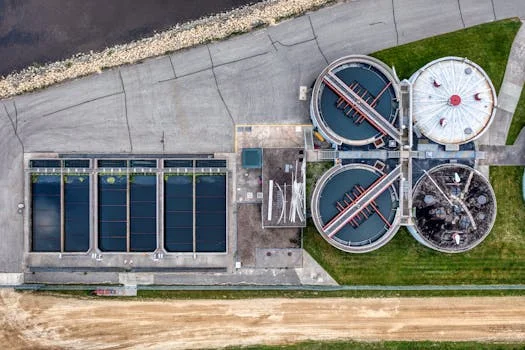
Most package wastewater treatment plants utilize advanced biological processes, such as Anoxic/Aerobic (A/O) biological contact oxidation, to achieve high-efficiency pollutant removal. This proven method typically achieves 90–95% removal of Biochemical Oxygen Demand (BOD5) and 85–90% removal of Total Suspended Solids (TSS), ensuring the treated effluent meets regulatory requirements. After biological treatment, integrated sedimentation and disinfection stages, often employing ultraviolet (UV) light or chlorine dioxide (ClO₂) generators, ensure the treated water complies with EPA secondary treatment standards before discharge. A typical process flow within a HydropureWater WSZ series fully automated underground package sewage treatment plant begins with raw wastewater entering an equalization tank, followed by an anoxic zone where denitrification occurs. The wastewater then moves to an aerobic zone, where microorganisms break down organic matter with continuous aeration. This is followed by a clarifier or a membrane filtration unit, depending on the chosen technology, to separate solids from the treated water. Finally, the clarified or filtered effluent undergoes disinfection before being discharged. These compact, pre-engineered systems are fully automated with advanced PLC control, minimizing the need for a dedicated on-site operator, which makes them ideal for unstaffed rural stations or industrial facilities where operational simplicity is paramount.Key Technical Specifications for Kansas Applications
| Parameter | Typical Value/Range | Notes for Kansas Applications |
|---|---|---|
| Flow Capacity | 1–80 m³/h (264–21,134 GPD) | Suitable for 50 to 5,000 residential equivalents |
| Effluent BOD5 | ≤ 20 mg/L | Meets KDHE NPDES secondary treatment standards |
| Effluent TSS | ≤ 30 mg/L | Achieved via A/O + secondary settling or MBR |
| Effluent NH3-N | ≤ 10 mg/L | Achieved with proper nitrification/denitrification |
| Footprint (20 m³/h A/O) | Approx. 6m x 2m | Up to 60% smaller than conventional plants |
| Power Consumption (A/O) | 0.8–1.2 kWh/m³ | Lower energy demand for standard treatment |
| Power Consumption (MBR) | 1.5–2.0 kWh/m³ | Higher for superior effluent quality and smaller footprint |
| Installation Options | Buried, Above-grade (insulated), Containerized | Buried for frost protection, above-grade with insulation for accessibility |
| Retention Time (A/O) | 8–12 hours | Typical for effective biological treatment |
Top Package Plant Technologies Compared
Selecting the optimal package wastewater treatment technology for a Kansas site involves evaluating specific influent characteristics, desired effluent quality, and operational constraints. Anoxic/Aerobic (A/O) systems are best suited for treating standard residential sewage, offering robust performance with approximately 90% BOD5 removal, relatively low energy consumption, and minimal sludge production. These systems are a cost-effective choice for many small communities and rural developments. In contrast, Membrane Bioreactor (MBR) systems deliver superior effluent quality, often less than 1 μm, making the treated water suitable for direct reuse applications such as irrigation or toilet flushing. While MBR units boast a significantly smaller footprint, up to 60% less than conventional plants, they typically involve higher CAPEX and require more specialized maintenance due to membrane fouling. For industrial sites in Kansas dealing with challenging wastewater, such as those with high concentrations of Fats, Oils, and Grease (FOG) or suspended solids, Dissolved Air Flotation (DAF) pre-treatment is highly recommended. A dissolved air flotation (DAF) pre-treatment for industrial wastewater can effectively remove 80–95% of oils, greases, and colloidal particles, significantly improving the efficiency of downstream biological processes. In terms of hydraulic retention time, A/O systems generally require 8–12 hours for effective treatment, whereas MBR units can achieve comparable or better pollutant removal in a more compact 4–6 hour period. For disinfection, UV light is often preferred due to its chemical-free operation and minimal handling requirements, while chlorine dioxide generators are effective for broad-spectrum disinfection and can offer advantages in controlling ammonia levels, particularly in challenging industrial effluents.| Feature | A/O System | MBR System | DAF Pre-treatment |
|---|---|---|---|
| Primary Application | Standard residential/municipal sewage | High-quality effluent for reuse, compact sites | Industrial wastewater with high FOG, TSS, colloids |
| Typical Effluent Quality | BOD5 90%, TSS 85-90% removal | BOD5 <5 mg/L, TSS <2 mg/L, <1 μm filtration | 80-95% FOG/TSS removal (pre-treatment) |
| Footprint Comparison | Standard, moderate land requirement | Up to 60% smaller than A/O for same capacity | Modular, often integrated upstream |
| CAPEX (Relative) | Lower | Higher (due to membrane modules) | Moderate (for pre-treatment) |
| OPEX (Relative) | Lower (energy, maintenance) | Higher (membrane replacement, air scour, cleaning) | Moderate (power, chemical dosing) |
| Retention Time | 8–12 hours | 4–6 hours | 15–30 minutes (rapid separation) |
| Disinfection Compatibility | UV or ClO₂ | UV (often direct post-MBR) | Followed by biological/chemical treatment |
Cost Breakdown and ROI for Kansas Installations
| Item/System Type | Typical Cost Range (USD) | Notes for Kansas Projects |
|---|---|---|
| 10 m³/h A/O System (CAPEX) | $120,000 – $180,000 | Includes skid, controls, installation support; ideal for ~500 people |
| 50 m³/h MBR System (CAPEX) | $450,000 – $650,000 | Includes membrane modules, air scour, backwash; for ~2,500 people or industrial sites |
| Annual O&M Costs | $12,000 – $25,000 | Varies by automation level, chemical use, sludge handling, and local labor rates |
| Return on Investment (ROI) | 5–7 years | Compared to sewer extension costs (avg. $2.1M per mile in rural areas) |
| External Financing Options | USDA Rural Development grants, KDHE revolving funds | Crucial for small communities and public entities |
Selecting a Supplier: What Kansas Projects Require
Selecting a package wastewater treatment plant supplier for Kansas projects necessitates rigorous vetting to ensure compliance, robust technical support, and long-term system durability. It is imperative to verify that residential systems hold EPA Environmental Technology Verification (ETV) or NSF/ANSI 40 certification, demonstrating their performance and reliability. For faster permitting and smoother project execution, demand KDHE pre-approval documentation from potential suppliers, which confirms their systems meet state regulatory requirements. Choosing suppliers with U.S.-based technical support and readily available spare parts inventory is critical for minimizing downtime and ensuring prompt service in remote Kansas locations. look for manufacturers that offer Factory Acceptance Testing (FAT) to validate system performance before shipment and provide remote monitoring capabilities for proactive maintenance and operational oversight. These criteria are essential for a successful, long-lasting installation in the Kansas environment. For more guidance, learn how to choose a reliable package sewage treatment plant manufacturer.Frequently Asked Questions
What is a package wastewater treatment plant?
A package wastewater treatment plant is a factory-built, modular system designed for decentralized sewage treatment, which can be installed and commissioned in weeks, not months, offering a compact and efficient alternative to conventional site-built facilities.
Can package plants handle industrial wastewater in Kansas?
Yes, package plants can effectively handle industrial wastewater in Kansas, especially when configured with specialized pre-treatment like Dissolved Air Flotation (DAF) or equipped with MBR technology to manage high levels of FOG, heavy metals, or elevated BOD.
How long do package plants last?
With proper maintenance, package wastewater treatment plants are designed to last 20–25 years; specifying stainless steel components and corrosion-resistant coatings is critical for durability, particularly given the humidity and environmental conditions in Kansas.
Do I need an operator for a package plant?
No, many modern package plants are fully automated with advanced PLC controls and remote monitoring capabilities, requiring only monthly inspections and routine maintenance rather than a dedicated on-site operator.
Are package plants KDHE-compliant?
Yes, package plants can be fully KDHE-compliant when correctly sized, configured, and operated to meet specific local discharge limits and NPDES permit requirements; verifying this through engineering submittals and manufacturer documentation is essential.
Related Equipment
- fully automated underground package sewage treatment plant — view specifications, capacity range, and technical data
- compact MBR membrane bioreactor for high-quality effluent — view specifications, capacity range, and technical data
Need a customized solution? Request a free quote with your specific flow rate and pollutant parameters.