A submerged membrane bioreactor (S-MBR) manufacturer specializes in producing advanced wastewater treatment systems that combine biological degradation with direct-immersion membrane filtration. These systems are highly effective at reducing COD, BOD, nitrogen, and phosphorus, delivering near-reuse-quality effluent with a significantly smaller footprint—up to 60% smaller than conventional methods, making them ideal for high-strength industrial and municipal applications.
Understanding Submerged Membrane Bioreactor (S-MBR) Technology
Submerged MBR technology integrates biological oxidation with membrane filtration by immersing the membrane modules directly into the aeration tank or a dedicated membrane tank. Unlike external MBR systems that circulate sludge through an external loop under high pressure, the submerged configuration relies on a vacuum or gravity-induced pressure differential to draw permeate through the membrane. This fundamental design difference significantly reduces energy consumption and mechanical complexity.
The process functions through a dual-action mechanism. First, a high concentration of microorganisms (Mixed Liquor Suspended Solids, or MLSS) in the bioreactor degrades organic pollutants, nitrogen, and phosphorus. Second, the submerged membrane modules act as a physical barrier, replacing the secondary clarifiers used in traditional activated sludge processes. These modules, often constructed from Polyvinylidene Fluoride (PVDF) in a flat sheet configuration, provide a precise cutoff for suspended solids and pathogens.
The core components of a submerged MBR system include:
- Bioreactor Tank: The vessel where biological treatment occurs, maintained at high MLSS levels (typically 8,000 to 12,000 mg/L).
- Submerged Membrane Unit: The filtration engine, such as PVDF flat sheet MBR membrane modules, which provides the physical separation of treated water from biomass.
- Aeration System: A dual-purpose system that provides oxygen for biological growth and generates air scouring to prevent membrane fouling.
- Permeate Pump: A suction pump that creates the negative pressure required to pull clean water through the membrane pores.
- Control System: Automated PLC-based logic that manages filtration cycles, backwashing, and chemical cleaning intervals.
The primary output of this technology is a high-quality effluent with turbidity levels often below 0.1 NTU. This permeate is frequently suitable for direct industrial reuse, irrigation, or as high-grade feed for reverse osmosis (RO) systems.
Key Advantages of Submerged MBR Systems for Advanced Wastewater Treatment
Submerged MBR systems achieve a footprint reduction of up to 60% compared to conventional activated sludge processes by eliminating the need for secondary clarifiers and tertiary filtration stages. This intensification of the treatment process allows facilities to handle higher organic loads within existing tankage or significantly smaller new-build footprints. For procurement managers, this translates to lower civil engineering costs and the ability to expand capacity in land-constrained environments.
The effluent quality produced by S-MBR systems is a critical performance metric. By utilizing filtration with pore sizes typically around 0.1 μm, these systems deliver "near-reuse" quality water. Technical data indicates effective removal rates for Chemical Oxygen Demand (COD), Biochemical Oxygen Demand (BOD), and nutrients. Specifically, S-MBR systems can consistently achieve effluent BOD levels below 5 mg/L and near-complete removal of suspended solids (HydropureWater field data, 2025). This level of treatment is essential for meeting stringent environmental discharge permits and facilitating wastewater reuse equipment goals.
Operational efficiency is another significant driver for adopting submerged technology. Because the membranes are immersed directly in the biological tank, the energy required for fluid transport is minimized. Submerged systems typically operate at energy levels 10 to 20 times lower than external cross-flow MBR systems, which require high-velocity pumping to prevent fouling. the high sludge age (Mean Cell Residence Time) possible in S-MBRs leads to reduced sludge production, lowering the costs associated with sludge handling and disposal.
The modularity of the industrial MBR design allows for extreme scalability. Manufacturers can design systems ranging from small-scale package plants (10 m³/day) to large-scale municipal installations (2,000+ m³/day). This flexibility ensures that the system can grow alongside the facility’s production demands without requiring a complete overhaul of the wastewater infrastructure.
How to Choose a Leading Submerged MBR Manufacturer: A Decision Framework
The global membrane bioreactor market is projected to grow from USD 4.49 billion in 2025 to USD 6.75 billion by 2030, reflecting a rising demand for high-quality effluent in water-scarce regions. When evaluating a submerged membrane bioreactor manufacturer, engineers must look beyond the initial capital expenditure and focus on technical durability, membrane chemistry, and the manufacturer's ability to provide long-term operational support.
A critical evaluation point is the membrane material and configuration. PVDF (Polyvinylidene Fluoride) is the industry standard for industrial applications due to its superior chemical resistance and mechanical strength. Flat sheet membranes are often preferred over hollow fiber for high-strength wastewater because they are less prone to "ragging" (the accumulation of fibrous debris) and are easier to clean in-situ. A manufacturer’s ability to provide individually replaceable membrane elements within a module is a significant advantage for long-term maintenance costs.
Customization and engineering depth are also paramount. Industrial wastewater varies wildly between sectors—textile effluent has different challenges than food processing waste. A leading manufacturer should offer an integrated MBR wastewater treatment system that includes pre-treatment, biological design, and automated controls tailored to the specific influent characteristics. This prevents the "one-size-fits-all" failure mode common in lower-tier equipment.
| Evaluation Criteria | Technical Requirement | Why It Matters |
|---|---|---|
| Membrane Material | PVDF (Polyvinylidene Fluoride) | Ensures high chemical resistance and durability during CIP cycles. |
| Pore Size | 0.1 μm (Nominal) | Guarantees effective removal of bacteria and suspended solids. |
| Configuration | Flat Sheet vs. Hollow Fiber | Flat sheets offer better resistance to fouling and easier maintenance. |
| Automation Level | Full PLC Integration | Reduces manual labor and ensures stable effluent quality. |
| Energy Consumption | < 0.6 kWh/m³ | Directly impacts the long-term operational expenditure (OPEX). |
Finally, verify the manufacturer’s track record through case studies and compliance certifications. Ensure they provide comprehensive flat sheet MBR membrane maintenance protocols to maximize the lifespan of the membrane modules, which are typically the most significant replacement cost in the system.
HydropureWater: Innovating Submerged MBR Solutions
HydropureWater’s MBR systems utilize PVDF flat sheet membranes with a nominal pore size of 0.1 μm to ensure consistent solids separation and high permeate quality. As a specialized submerged membrane bioreactor manufacturer, HydropureWater provides fully integrated systems that combine biological treatment and filtration into a single, compact unit. These systems are designed to meet the rigorous demands of both industrial process water and municipal sewage treatment.
The integrated MBR wastewater treatment system from HydropureWater is engineered for high-strength applications, capable of reducing the physical footprint of a treatment plant by up to 60%. This is achieved by maintaining high MLSS concentrations, which allows for a smaller bioreactor volume while still achieving superior nutrient removal. The system is highly automated, utilizing advanced sensors to manage permeate flux and aeration rates, ensuring the system operates at peak efficiency with minimal operator intervention.
For large-scale projects or retrofits, the PVDF flat sheet MBR membrane modules (DF Series) offer a modular solution. These modules feature an integrated aeration box that provides continuous scouring of the membrane surface, effectively preventing the accumulation of cake layers. The DF series is available in various configurations, with surface areas ranging from 80 m² to 225 m², allowing for precise capacity matching for flows up to 2,000 m³/day.
| System Parameter | Specification (HydropureWater DF Series) |
|---|---|
| Membrane Material | Reinforced PVDF (Flat Sheet) |
| Nominal Pore Size | 0.1 μm |
| Operating Flux | 10 - 25 L/m²·h (LMH) |
| Design Capacity | 10 to 2,000 m³/day (Scalable) |
| Energy Consumption | 10–20× lower than external systems |
| Frame Material | SUS304 or SUS316 Stainless Steel |
Operational data shows that HydropureWater modules maintain stable flux rates even in challenging conditions, largely due to the individually replaceable membrane design. This allows for targeted maintenance rather than full module replacement, significantly reducing long-term costs. the high-quality permeate produced often meets the standards required for non-potable reuse, supporting facility-wide sustainability initiatives.
Applications of Submerged MBR Technology Across Industries
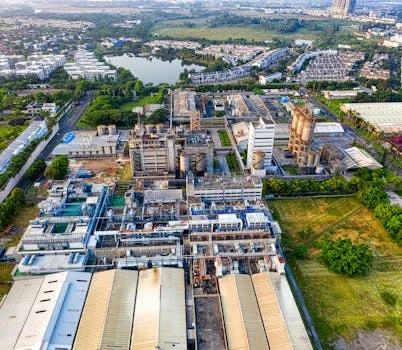
Submerged MBR technology is capable of treating high-strength industrial wastewater with Chemical Oxygen Demand (COD) concentrations exceeding 5,000 mg/L depending on the bioreactor design. This versatility makes it the preferred choice for sectors where traditional treatment methods fail to meet discharge standards or where water scarcity necessitates aggressive recycling strategies.
In the Food and Beverage industry, S-MBR systems effectively handle high organic loads and fluctuating flow rates common in dairy, brewery, and meat processing facilities. The ability to produce high-clarity effluent allows these facilities to reuse water for cooling towers or floor washing, significantly reducing fresh water intake. Similarly, in the Textile and Dyeing sector, S-MBR technology serves as a critical pre-treatment for RO, removing color and suspended solids that would otherwise foul sensitive RO membranes.
Municipal applications often focus on the upgrading of existing plants. By replacing secondary clarifiers with submerged membrane tanks, municipalities can double their treatment capacity within the same footprint. This is particularly valuable for growing urban areas or remote resorts where land is at a premium. The high removal rates of pathogens and nutrients also ensure compliance with strict environmental regulations for discharge into sensitive water bodies.
Key application areas include:
- Industrial Parks: Centralized treatment of diverse wastewater streams for reuse.
- Pharmaceuticals: Removal of complex organic compounds and active pharmaceutical ingredients (APIs).
- Pulp and Paper: Polishing of effluent to meet strict COD and TSS discharge limits.
- Remote Communities: Compact, automated systems that require minimal onsite expertise.
Frequently Asked Questions About Submerged MBR Manufacturers
Selecting a submerged MBR manufacturer requires a technical comparison of membrane flux rates, energy consumption per cubic meter of permeate, and long-term fouling resistance. Below are answers to common technical queries from procurement and engineering teams.
What makes a submerged MBR manufacturer 'best' for industrial applications?
The best manufacturers provide robust PVDF membranes, offer in-house engineering for biological process design, and have a proven track record of handling high-strength wastewater. Look for a manufacturer that provides comprehensive MBR system compliance and real-world case studies to verify performance.
How does a submerged MBR system's footprint compare to conventional plants?
Due to the elimination of secondary clarifiers and the ability to operate at higher MLSS concentrations, S-MBR systems typically require 40% to 60% less space than conventional activated sludge plants.
What are the long-term operational costs?
OPEX is primarily driven by energy for aeration and chemical costs for Cleaning-In-Place (CIP). Modern submerged systems are highly efficient, and understanding MBR system costs, specs, and ROI is essential for a 10-year lifecycle analysis.
Can these systems be customized for specific streams?
Yes. A specialized manufacturer will tailor the bioreactor volume, membrane surface area, and pre-treatment stages (such as fine screening) to match the specific COD/BOD profile of the influent stream.
Related Equipment
The following HydropureWater products are engineered for the wastewater challenges discussed above:
- integrated MBR wastewater treatment system — view specifications, capacity range, and technical data
- PVDF flat sheet MBR membrane modules — view specifications, capacity range, and technical data
Need a customized solution? Request a free quote with your specific flow rate and pollutant parameters.