Why Prefabricated Systems Need Specialized Maintenance
A prefabricated wastewater plant maintenance guide must include a 12-step O&M protocol starting with daily visual inspections and ending with annual integrity testing. According to EPA guidelines, monthly monitoring of failsafe devices and quarterly pump performance reviews reduce unplanned downtime by up to 68% in packaged systems. Unlike traditional cast-in-place concrete facilities, modular and buried units face unique environmental and mechanical stressors that require a specialized approach to upkeep.
Buried or skid-mounted prefabricated units, such as the fully automated buried prefabricated wastewater unit (WSZ series), are susceptible to soil-side corrosion, groundwater buoyancy issues, and restricted access for mechanical repairs. Because these systems are often installed in remote or space-constrained locations, they rely heavily on automated sensors and PLC controls. If these electronic components fail due to condensation-related electrical faults or lack of calibration, the entire biological process can collapse within hours. the compact design of packaged plants often results in limited redundancy; a single pump failure can lead to an immediate discharge violation if not detected via a rigorous 12-step protocol.
Design limitations in containerized or buried systems also mean that cascading failures are more common. For instance, a minor clog in a compact aeration zone can lead to rapid dissolved oxygen (DO) depletion, killing the biomass and requiring a full system reseeding—a process that costs five times more than preventive maintenance (HydropureWater field data, 2025). Effective maintenance for these units must prioritize the integrity of the tank shell, the accuracy of the automated logic, and the mechanical health of submersible components that are "out of sight, out of mind."
Daily Maintenance: Visual Checks and System Logs
Daily visual inspections serve as the first line of defense against catastrophic system failure in modular treatment units. Operators must prioritize the identification of minor seepage, as 73% of pump failures in packaged systems begin with minor seal leakage that escalates into motor burnout (Lakeside-Equipment, 2024). This daily routine focuses on three specific steps: leak detection, alarm verification, and data logging.
Step 1: Leak and Seal Inspection. Examine all visible gaskets, pipe joints, and pump seals. In buried units, check the riser covers for signs of moisture or effluent backflow. Even a pinhole leak in a pressurized line can drop system pressure, causing the PLC to ramp up pump speed and accelerate mechanical wear.
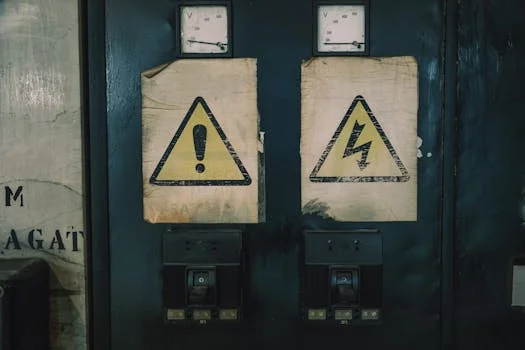
Step 2: Control Panel and Power Status. Verify that the HMI (Human-Machine Interface) is clear of active alarms. Ensure the "Power On" and "Auto" status lights are illuminated. In PLC-controlled wastewater maintenance, an unacknowledged "low flow" alarm often precedes a dry-run condition that can destroy submersible impellers.
Step 3: System Log Entry. Record flow rates, pressure differentials across filters, and current draw for the main blowers. Any deviation greater than 10% from the established baseline indicates an emerging issue, such as a partial clog in the influent line or early-stage bearing resistance in the motor. Consistent logging is essential for meeting EPA reporting requirements and identifying long-term performance trends.
Weekly Tasks: Pump and Aeration System Inspection
Mechanical reliability in a packaged wastewater plant maintenance program depends on the weekly assessment of moving parts and aeration efficiency. Because prefabricated units utilize high-density layouts, heat dissipation is a primary concern for submersible motors and internal blowers. This phase includes steps 4 through 6 of the protocol.
Step 4: Submersible Pump Thermal and Vibration Analysis. Use a non-contact infrared thermometer to check motor housing temperatures where accessible. Motor temperatures exceeding 85°C reduce the insulation lifespan by 50%, significantly increasing the risk of a short circuit. Listen for cavitation or "marbles in a can" sounds, which indicate that the pump is operating outside its best efficiency point (BEP).
Step 5: Aeration Diffuser and DO Monitoring. Inspect the surface of the aeration tank for "boiling" patterns or uneven bubble distribution. Clogged fine-bubble diffusers in A/O (Anaerobic/Oxic) zones reduce oxygen transfer efficiency by up to 40%, forcing blowers to run longer and consume more energy. For systems utilizing advanced filtration, refer to this expert guide on MBR membrane upkeep to ensure biological flux remains stable.
Step 6: Backup Power and Failover Testing. Test the automatic transfer switch (ATS) and backup generator or UPS. In buried sewage treatment unit upkeep, a power outage during a storm event can lead to tank flotation if the pumps cannot manage influent surges. Ensure the system can achieve full failover within 15 seconds of a simulated power loss.
To maintain peak biological performance, operators should integrate the fully automated buried prefabricated wastewater unit into a centralized monitoring network that tracks these weekly metrics remotely.
Monthly Protocols: Sensor Calibration and Failsafe Testing
Monthly maintenance shifts focus from mechanical parts to the electronic "brain" of the plant. Measurement accuracy is non-negotiable for compliance; a drift of just ±0.2 pH units can lead to improper chemical dosing, resulting in effluent that exceeds discharge limits. This phase covers steps 7 through 9.
Step 7: Instrumentation Calibration. Calibrate pH, ORP, and Dissolved Oxygen (DO) sensors using standard buffer solutions. Prefabricated units often experience faster sensor fouling due to higher solids concentrations in compact tanks. Sensors should be cleaned with a soft brush and mild detergent before calibration to ensure the slope remains within manufacturer specifications.
Step 8: Failsafe and Interlock Verification. Manually trigger high-level float switches to ensure the emergency shutoff valves and dial-out alarms function. Per the EPA Operation, Monitoring, and Maintenance Plan, these failsafe devices must be tested monthly to prevent environmental spills during unmanned hours.
Step 9: Chemical Dosing Accuracy. Verify that the PLC-controlled dosing system for precise chemical injection is delivering the exact volume requested by the controller. Perform a drawdown test: measure the volume consumed from the day tank over a set period and compare it to the PLC's calculated output. A variance of more than ±5% requires immediate pump head maintenance or tubing replacement.
| Component | Maintenance Action | Acceptable Tolerance | Frequency |
|---|---|---|---|
| pH Sensors | Buffer Calibration | ±0.1 pH Units | Monthly |
| DO Probes | Air Saturation Check | ±2% Saturation | Monthly |
| High-Level Float | Manual Lift Test | Zero Failure Rate | Monthly |
| Dosing Pumps | Drawdown Calibration | ±5% Flow Rate | Monthly |
Quarterly Deep Maintenance: Sludge Management and Mechanical Service
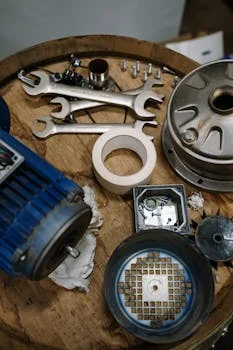
Quarterly maintenance addresses the physical buildup of waste and the lubrication of heavy-duty components. In modular units like the WSZ series, sludge management is the most critical factor in preventing "short-circuiting," where wastewater bypasses treatment zones due to solids accumulation. This phase includes steps 10 through 12.
Step 10: Sludge Blanket Measurement and Removal. Use a Sludge Judge to measure the depth of the settled solids in the sedimentation chamber. If the sludge volume exceeds 30% of the tank's total volume, schedule a pump-out. Excessive sludge reduces hydraulic retention time (HRT), leading to high TSS (Total Suspended Solids) in the effluent.
Step 11: Mechanical Lubrication and Seal Service. Greasing motor bearings and checking oil levels in blower gearboxes prevents friction-related failures. For industrial prefabricated wastewater plant maintenance, use only synthetic lubricants rated for high-humidity environments to prevent emulsification.
Step 12: Intake Screen Cleaning. Inspect and deep-clean the rotary mechanical bar screen to ensure 90%+ solids removal efficiency. Debris bypass at the headworks is the leading cause of downstream pump clogs and diffuser damage. If the screen shows signs of "blinding," adjust the backwash frequency or brush tension.
Annual System Integrity and Compliance Audit
The annual audit is a comprehensive review of the plant's structural health and regulatory standing. For buried units, this involves inspecting the "invisible" parts of the system that are subject to constant soil pressure and potential groundwater infiltration. Operators should cross-reference their findings with a 12-step industrial maintenance protocol for water systems to ensure no municipal standards are overlooked.
Tank Integrity Testing: For buried WSZ series units, perform a vacuum test or use dye-penetrant methods on accessible joints to detect micro-cracks. Soil shifts or seismic activity can compromise the structural integrity of prefabricated shells, leading to groundwater infiltration that can overwhelm the biological process.
Compliance Reporting: Compile all quarterly lab results and compare them against local discharge permits. The EPA recommends an annual "state of the plant" report that includes energy consumption per gallon treated and a summary of all replaced components. This data is vital for budgeting future capital expenditures.
| Audit Category | Inspection Method | Success Criteria |
|---|---|---|
| Structural Integrity | Visual/Vacuum Testing | No cracks or infiltration |
| Effluent Compliance | Annual Lab Composite | 100% Permit Adherence |
| PLC/Firmware | Version Review | Latest Stable Version |
| Corrosion Control | Anode Inspection | <20% Anode Consumption |
Finally, update the complete O&M guide for containerized systems with any as-built changes made during the year, including new sensor models or updated PLC logic setpoints.
Troubleshooting Common Failures in Prefabricated Units

Rapid diagnosis is essential when operating compact systems with minimal buffer capacity. When the system deviates from normal parameters, use the following matrix to identify the root cause before a total process upset occurs.
| Symptom | Potential Cause | Corrective Action |
|---|---|---|
| Effluent Turbidity Spike | Sludge Bulking or Filter Fouling | Adjust RAS rate; check membrane backwash |
| Pump Frequent Cycling | Check Valve Failure / Sensor Drift | Inspect check valve; recalibrate level sensor |
| Strong Septic Odor | Low DO or Ventilation Failure | Check blower output; inspect vent stacks |
| High Effluent Bacteria | Disinfection System Failure | Service the industrial chlorine dioxide generator |
If odors persist despite adequate aeration, verify the function of the industrial chlorine dioxide generator or other disinfection units. Odor issues in buried plants are often linked to poor anaerobic zone ventilation, which can lead to the accumulation of hazardous H2S gas. Always perform a gas "sniff test" with a calibrated meter before entering any confined space for maintenance.
Frequently Asked Questions
How often should you service a prefabricated wastewater plant?
Daily visual checks, monthly sensor tests, and annual integrity audits are minimum requirements per EPA and industry best practices. High-load industrial systems may require more frequent sludge removal and screen cleaning.
What is the lifespan of a packaged treatment plant with proper maintenance?
With consistent corrosion protection and pump servicing, buried units like the WSZ series typically have a lifespan of 15–20 years. Above-ground containerized units may last longer if protected from extreme weather.
Can prefabricated plants operate unattended?
Yes, fully automated units (e.g., WSZ series) require no full-time operator. However, they still require the scheduled 12-step maintenance protocol to prevent "silent failures" that automation might not immediately detect.
What maintenance reduces energy use in wastewater systems?
Keeping aeration diffusers clean and ensuring pumps are operating at their best efficiency point (BEP) through regular calibration can cut energy consumption by 25–35% according to DOE benchmarks.
Is remote monitoring worth it for small prefabricated plants?
Yes. IoT-enabled systems reduce manual inspection labor by up to 40% and provide real-time alerts for pump failures or power outages, preventing costly environmental cleanup fees.
Related Equipment
- fully automated buried prefabricated wastewater unit — view specifications, capacity range, and technical data
- PLC-controlled dosing system for precise chemical injection — view specifications, capacity range, and technical data
Need a customized solution? Request a free quote with your specific flow rate and pollutant parameters.