Industrial sand filter maintenance starts with differential pressure: backwash when ΔP exceeds 10–15 psi, or every 3–5 days under continuous flow. Quartz sand media typically lasts 3–5 years with annual inspection. Proper upkeep sustains 90–95% TSS removal. Monthly checks plus automated backwash cut downtime by up to 40%.
Why Sand Filter Maintenance Matters
Industrial sand filters need scheduled backwash when bed ΔP exceeds 10–15 psi or about every 3–5 days at continuous duty. Annual media inspection and full replacement every 3–5 years keep 90–95% TSS removal. Monthly rounds and automated backwash reduce unplanned downtime by up to 40%. Skip that cadence and SDI often rises above 5, accelerating RO fouling risk.
Unmaintained beds raise downstream reverse osmosis (RO) membrane fouling risk by about 60%, often when Silt Density Index (SDI) stays above 5. Premature membrane change then drives capital and operating cost. TSS breakthrough above 10 mg/L can trigger EPA or local discharge actions, including fines under China GB 8978-1996 or the EU Urban Wastewater Directive. Plants lose an estimated $1,200–$3,500 per hour when filters clog, especially in food processing where continuous duty is required (HydropureWater field data, 2025). A disciplined schedule can extend media life 3–5 years beyond a baseline 3-year cycle. That protects capital and keeps continuous-flow wastewater trains compliant. Treating sand filter maintenance as a planned operating cost usually costs less than one unplanned RO membrane train replacement.
Core Components of Industrial Sand Filters

Industrial sand filters combine a forebay, graded media bed, underdrain, and often automated valves for continuous wastewater duty. The sediment forebay removes 60–70% of solids greater than 100 μm and must be checked monthly when sludge exceeds 50% of design depth. The filtration chamber uses quartz sand, typically 0.4–1.2 mm grain size, to reach 90–95% TSS removal down to about 10 μm. Laterals or a header-lateral underdrain collect filtrate and distribute backwash. Inspect them quarterly, or by CCTV on large vessels, for blockage or damage.
A Multi-Media Filter for Water Treatment with PLC or multiport automated backwash cuts operator error by up to 70% when cycles follow pressure or flow setpoints. For pressure-vessel layouts, see our note on pressure sand filter wastewater treatment selection and bed hydraulics. Keep spare O-rings and valve seats for multiport units so a seized actuator does not idle the whole train.
What is the sand filter principle of operation?
Sand filters remove suspended solids by depth filtration through a graded bed as water flows downward at design rate. Particles lodge in pore spaces until ΔP rises. Backwash then expands the bed and flushes solids out the waste line. Most plants we size for tertiary polishing after clarification run filtration rates at the lower end of the vendor curve to protect media life. Upstream coarse screening, such as rotary mechanical bar screens, keeps large debris off the sand and reduces manual cleaning frequency. Operators should confirm influent is free of free oil before the sand stage; oil collapses porosity within hours, not days.
Daily and Weekly Maintenance Tasks
Daily and weekly rounds stop small sand-filter faults from becoming full train outages. Operators must log differential pressure each day and start backwash when ΔP exceeds 10–15 psi to limit compaction and channeling. Influent turbidity above 50 NTU on successive days usually means more coagulation or a lower feed rate upstream. Weekly, inspect backwash discharge clarity. Cloudy rinse water after the cycle points to media loss, channeling, or underdrain trouble.
Confirm pump flow stays within ±5% of design (for example 50 m³/h ±2.5). Lubricate valve stems monthly with a silicone-based compound so manual and automated valves do not seize. Record each backwash start time, peak ΔP, and rinse clarity in the same log sheet used for environmental audits.
| Task | Frequency | Threshold/Benchmark | Action if Exceeded |
|---|---|---|---|
| Monitor Differential Pressure (ΔP) | Daily | Initiate backwash when ΔP > 10–15 psi | Perform backwash cycle |
| Check Influent Turbidity | Daily | Target < 50 NTU | Adjust pre-treatment or flow rate |
| Inspect Backwash Discharge Clarity | Weekly | Clear effluent post-rinse | Investigate media loss/channeling |
| Verify Pump Operation & Flow Rate | Daily | Within ±5% of design flow | Troubleshoot pump/valve issues |
| Lubricate Valve Stems | Monthly | Smooth operation, no seizing | Apply silicone-based lubricant |
Sites that also run dissolved air flotation should align sand-filter rounds with DAF system maintenance protocols so solids load to the filter stays predictable. Where sludge dewatering shares the same crew, treat filter press maintenance as a sibling checklist rather than a substitute for filter-bed work.
Monthly and Quarterly Inspections
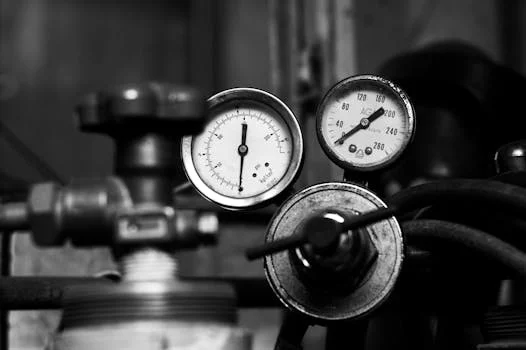
Monthly and quarterly inspections protect long-term sand-filter integrity and create the records auditors expect. Each month, clear inlet and outlet structures of debris, root intrusion, and cracks that could bypass flow. Remove floatables, oil, and grease from the sediment forebay monthly so organic load does not cake the bed. Each quarter, clean weirs, calibrate flow meters, and verify automated backwash timer settings against current influent conditions.
During backwash, watch for even media fluidization. Uneven expansion signals clogged laterals or a damaged underdrain. Test effluent turbidity monthly and keep it below 3 NTU when RO membranes or UV units sit downstream. Industrial water filter maintenance services should document these checks with timestamps, ΔP trends, and corrective actions. That package supports ISO 14001 programs and local discharge permits without reinventing the logbook each year.
Annual and Long-Term Maintenance
Annual and long-term planning sets capital spend for sand filtration and avoids surprise media failure. Once a year, skim the top 2–3 inches of the bed to remove biofilm, organic crust, and fines that backwash cannot lift. Replace the full sand charge every 3–5 years based on influent severity. Confirm timing with core samples for fines and grain breakdown. Pump the sedimentation chamber when sludge reaches 50% of depth so the forebay keeps its 60–70% coarse solids capture.
Inspect underdrains every 3 years for cracking, root intrusion, or calcium scale that blocks backwash. Full PLC automation upgrades can cut manual labor by up to 60% on multi-filter trains. Pair these steps with proven sludge handling maintenance strategies so the whole line stays balanced. Budget media disposal and vessel entry permits before the outage window, not during it.
When should you change wastewater sand filter media?
Change wastewater sand filter media every 3–5 years in industrial service, or sooner if effluent turbidity stays above 5 NTU after correct backwash and chemical cleaning. Core sampling that shows crushed grains or heavy fines accumulation confirms replacement is due. Keeping a spare media lot on site shortens outage when sampling forces an early change. Photograph core layers before disposal so the next turnaround has a baseline for bed stratification.
Backwash Best Practices and Chemical Cleaning
Correct backwash and chemical cleaning restore sand-filter capacity without damaging the media. Run backwash 5–10 minutes at an expansion rate of 15–20 m/h so the bed fluidizes and releases trapped solids. Follow with a 2–3 minute rinse to resettle media and clear turbid water before service. For stubborn fouling, clean chemically every 6–12 months: 2% citric acid for iron, or 0.5% sodium hypochlorite for organics and biofilm.
Never use household detergents like dish soap (e.g., Dawn). These products coat the sand, cut porosity, and can drop filtration efficiency by up to 40%. After chemical cleaning, waste the first 15–30 minutes of filtrate before returning flow to the process line. PLC-controlled chemical dosing for filter cleaning and conditioning keeps contact time and dose repeatable across shifts. Verify neutralization and discharge permits before sending spent cleaning solution to the plant sewer.
Performance Monitoring and Compliance
Performance monitoring proves industrial sand filters meet discharge and RO-feed targets under real load. Target effluent TSS below 10 mg/L for direct discharge, and below 3 mg/L when the filter protects RO feed. Log backwash frequency, duration, and pre-cycle ΔP to spot rising load or aging media. Align protocols with ISO 14001 and local permits such as China GB 8978-1996 or the EU Urban Wastewater Directive.
Real-time turbidity meters with data logging support immediate correction and audit packages. Crews that also maintain plate-and-frame presses should keep a separate filter press maintenance manual so cake handling never overrides sand-bed KPIs. Trend weekly average run length between backwashes; a steady drop is an early media or load signal.
| Parameter | Target Value | Monitoring Frequency | Compliance Relevance |
|---|---|---|---|
| Effluent TSS | < 10 mg/L (Discharge) < 3 mg/L (RO Feed) |
Daily/Weekly | Regulatory discharge permits, RO membrane protection |
| Effluent Turbidity | < 3 NTU (RO/UV protection) | Daily/Real-time | Downstream equipment protection, permit compliance |
| Differential Pressure (ΔP) | 10–15 psi (Backwash trigger) | Daily | Filter performance, backwash optimization |
| Backwash Frequency | Every 3–5 days (typical) | Daily logging | Media health, influent load trends |
| Backwash Duration | 5–10 minutes | Per cycle | Effective cleaning, media fluidization |
Selection Checklist Before You Change Setpoints
Use this checklist before raising filtration rate or stretching backwash intervals:
- Influent turbidity stays below 50 NTU on the daily log for at least one week.
- Bed ΔP still reaches the 10–15 psi trigger within the expected 3–5 day window.
- Effluent turbidity remains below 3 NTU when RO or UV sits downstream.
- Backwash expansion of 15–20 m/h fluidizes the full bed without media loss in the waste line.
- Underdrain inspection within the last 3 years showed no scale, roots, or cracked laterals.
- Chemical cleaning interval of 6–12 months is still clearing iron or biofilm fouling.
- Spare media and vessel-entry permits are ready if core samples force a 3–5 year replacement early.
Who This Is For and Next Step
This guide suits plant engineers and EPC teams running continuous sand or multi-media filters ahead of RO, UV, or permitted discharge. Look elsewhere if you only need pool or residential filter advice, or if free oil is the main load without DAF or oil-water separation upstream. For a sized industrial multi-media filtration system with automated backwash matched to your m³/h and TSS, request a quote with flow, turbidity, and backwash constraints.
Frequently Asked Questions
How often should you backwash an industrial sand filter?
Backwash every 3–5 days under continuous flow, or whenever bed differential pressure exceeds 10–15 psi. Follow each cycle with a 2–3 minute rinse to resettle media and clear turbid water. Shorter run times with rising ΔP usually mean higher influent solids or media aging, so raise pretreatment or schedule a core sample.
Can I use dish soap to clean sand filter media?
No. Do not use Dawn or similar dish soaps on sand media; they coat grains, reduce porosity, and can cut filtration efficiency by up to 40%. Use only approved cleaners such as 2% citric acid for iron fouling or 0.5% sodium hypochlorite for organic biofilm. Always waste the first 15–30 minutes of filtrate after chemical cleaning before returning the filter to service.
How do I know when to replace sand media?
Replace industrial sand media every 3–5 years, or when effluent turbidity stays above 5 NTU despite correct backwash and chemical cleaning. Core sampling confirms grain breakdown and fines accumulation that backwash cannot reverse. Budget a full media change as a capital item rather than waiting for sudden TSS breakthrough above 10 mg/L.
What causes channeling in sand filters?
Channeling comes from uneven flow distribution, incomplete bed fluidization during backwash, or migration of media fines. Untreated water then bypasses the bed and turbidity rises even when average ΔP looks acceptable. Correct it with flow equalization, verified expansion rates of 15–20 m/h, and underdrain inspection when fluidization looks uneven.
Can sand filters handle oily wastewater?
Industrial sand filters are not designed for free oil or grease loads. Oil clogs the bed quickly, forces frequent cleaning, and drops solids removal. Install dissolved air flotation or an oil-water separator upstream so the sand stage sees mainly settleable and colloidal solids within design turbidity limits.