Flue gas desulfurization (FGD) achieves over 95% SO₂ removal using wet scrubbing, outperforming dry sorbent injection (70–90%) and carbon capture (CCS), which targets CO₂, not SO₂. Unlike alternatives, FGD produces reusable gypsum and meets EPA NSPS and EU IED standards, making it ideal for coal-fired plants needing strict compliance. For procurement managers and plant engineers, selecting between these technologies requires a rigorous analysis of reagent consumption, byproduct management, and long-term operational expenditure (OPEX).
What Is Flue Gas Desulfurization and How Does It Work?
Flue gas desulfurization (FGD) removes SO₂ from exhaust gases using lime or limestone wet scrubbing, consistently achieving a removal efficiency of 95% or higher (G Ren, 2022). This technology has become the global benchmark for large-scale industrial air pollution control because of its reliability and its ability to handle high-sulfur fuels that would overwhelm alternative systems. The core process involves an absorber tower where the flue gas is brought into contact with an alkaline slurry. This slurry, typically composed of water and finely ground limestone (CaCO₃), reacts with the sulfur dioxide to form calcium sulfite, which is then oxidized to produce calcium sulfate dihydrate, commonly known as gypsum (CaSO₄·2H₂O).
The efficiency of a modular FGD scrubber with reusable gypsum output is dictated by specific process parameters that must be tightly controlled. Engineers typically maintain a pH range of 5.5 to 6.5 within the reaction tank to balance SO₂ absorption with limestone dissolution rates. The Liquid-to-Gas (L/G) ratio—the volume of slurry sprayed per unit of gas—usually ranges from 10 to 15 L/m³, ensuring sufficient surface area for mass transfer. A residence time of 2 to 4 seconds within the contact zone is required to achieve the reaction kinetics necessary for high-level compliance. HydropureWater’s FGD scrubber design integrates both SO₂ removal and particulate capture within a single tower, utilizing a simplified internal geometry with no moving parts, which significantly reduces the frequency of unplanned maintenance (HydropureWater field data, 2025).
One of the primary advantages of the limestone-gypsum process is the high quality of the byproduct. When the oxidation air is correctly distributed, the resulting gypsum can reach a purity level suitable for use in wallboard manufacturing or cement production. This transforms a potential waste stream into a revenue-generating byproduct, a critical factor for plants evaluating the total cost of ownership over a 20-year lifecycle.
Alternative SO₂ Control Technologies Explained
Alternative technologies such as Dry Sorbent Injection (DSI) and Spray Dry Scrubbing (SDS) offer different trade-offs in terms of capital investment and operational complexity. Dry Sorbent Injection (DSI) involves the pneumatic injection of a dry alkaline mineral—most commonly sodium bicarbonate or hydrated lime—directly into the flue gas ductwork. While DSI boasts the lowest capital cost of all SO₂ control methods, its removal efficiency is generally capped at 70–90% depending on the reagent used and the available residence time. DSI is particularly sensitive to temperature, requiring a window of 120–180°C for optimal chemical reactivity, and it produces a dry waste product that must be landfilled, as it lacks the reuse potential of FGD gypsum.
Spray Dry Scrubbing (SDS), also known as semi-dry scrubbing, occupies the middle ground between wet FGD and DSI. In an SDS system, a lime slurry is atomized into a fine mist and sprayed into a dedicated reaction vessel. The heat from the flue gas evaporates the water, leaving behind dry reaction products (calcium sulfite and sulfate) and unreacted lime. SDS typically achieves 85–90% SO₂ removal efficiency. Because the system produces a dry waste, it eliminates the need for complex wastewater treatment plants associated with some wet FGD systems, making it a preferred choice for facilities in water-stressed regions or those pursuing Zero Liquid Discharge (ZLD) mandates.
Carbon Capture and Storage (CCS) is often discussed alongside emission control but is fundamentally different in its objective. CCS is engineered to capture CO₂, not SO₂. While some CCS technologies, such as amine scrubbing, provide a secondary benefit of removing residual sulfur, they are significantly more expensive and technically complex than dedicated desulfurization systems. In most industrial configurations, an FGD system is actually a prerequisite for CCS to protect the sensitive amine solvents from sulfur poisoning. Consequently, CCS should be viewed as a complementary technology for decarbonization rather than a direct alternative for sulfur compliance.
Performance Comparison: FGD vs Alternatives
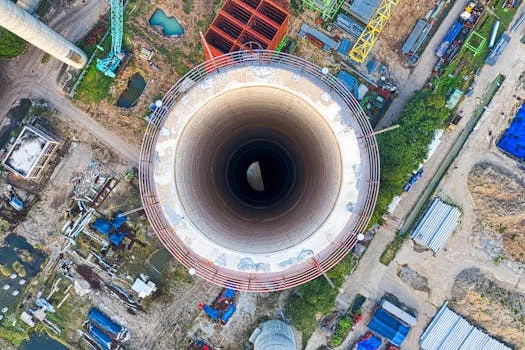
Wet FGD systems provide superior performance stability when handling high-sulfur coal (3–5% sulfur content) and remain reliable even under variable boiler loads. In contrast, DSI and SDS systems often struggle to maintain compliance when sulfur concentrations spike or when gas flow rates fluctuate rapidly. For plants operating under the EPA NSPS Subpart Ja or the EU Industrial Emissions Directive 2010/75/EU, the margin for error is slim. These regulations often require SO₂ levels to be kept below 50–100 mg/Nm³, a threshold that wet scrubbing meets with a high degree of safety margin that dry systems cannot always guarantee.
Technical performance also extends to the impact on downstream equipment. For instance, a high-efficiency particulate collector for coal-fired boilers is often required following a DSI or SDS system to capture the high volume of dry sorbent particles. In a wet FGD setup, the scrubber itself acts as a secondary particulate filter, often reducing the grain loading before the gas hits the stack. This synergy allows for a more robust multi-pollutant control strategy.
| Parameter | Wet FGD (Limestone) | Dry Sorbent Injection (DSI) | Spray Dry Scrubbing (SDS) | Carbon Capture (CCS) |
|---|---|---|---|---|
| SO₂ Removal Efficiency | >95% | 70% – 90% | 85% – 92% | <50% (as co-benefit) |
| Fuel Sulfur Limit | High (Up to 5% S) | Low (<2% S) | Medium (<3% S) | N/A (CO₂ focus) |
| Reagent State | Wet Slurry | Dry Powder | Atomized Slurry | Liquid Solvent |
| Byproduct | Commercial Gypsum | Dry Waste (Landfill) | Dry Waste | Compressed CO₂ |
| Reaction Temp | 50°C – 70°C | 120°C – 180°C | 65°C – 80°C | 40°C – 60°C |
When comparing these technologies, engineers must also consider the pulse jet baghouse emission efficiency (<10 mg/Nm³) required for the total system. If a plant chooses DSI, the baghouse must be sized significantly larger to handle the increased solids loading from the sorbent injection, which can offset the initial capital savings of the DSI system itself.
Cost, Footprint, and Operational Trade-Offs
FGD systems require the highest initial capital investment, typically ranging from $50 to $150 per kW of installed capacity, but they offer the lowest long-term operating costs in high-sulfur applications. This CAPEX covers the absorber tower, limestone grinding circuits, and gypsum dewatering systems. However, because limestone is significantly cheaper than the refined sodium bicarbonate used in DSI, the OPEX for FGD can be 30–40% lower over the equipment's lifespan. The ability to sell gypsum can offset a portion of the reagent costs, a luxury not available to users of DSI or SDS.
Footprint is another critical constraint for industrial sites. A traditional wet FGD system requires 20% to 30% more physical space than a DSI system due to the slurry handling and dewatering equipment. However, modern modular designs have significantly narrowed this gap. By integrating an automatic chemical dosing system, plants can reduce the footprint of their reagent preparation area while ensuring precise pH control, which minimizes reagent waste and prevents scaling in the absorber tower.
| Metric | Wet FGD | DSI | SDS |
|---|---|---|---|
| CAPEX ($/kW) | $50 – $150 | $10 – $30 | $30 – $70 |
| OPEX (Relative) | Low (Cheap Reagent) | High (Refined Reagent) | Moderate |
| Footprint | Large (Requires Civil Works) | Compact (Modular) | Moderate |
| Maintenance | Quarterly (Slurry Pumps) | Monthly (Injectors) | Bi-Monthly (Atomizers) |
| Wastewater | Requires Treatment | None (Dry) | None (Dry) |
Maintenance profiles also differ. Wet FGD systems require specialized attention to slurry pumps and agitators, which are subject to erosion and corrosion. DSI systems, while simpler, require frequent cleaning of injection nozzles to prevent plugging. SDS systems require high-speed rotary atomizers that demand precision balancing and regular bearing replacements. These operational nuances mean that a plant's existing technical expertise often dictates which technology is most suitable for their specific workforce.
When to Choose FGD Over Alternatives
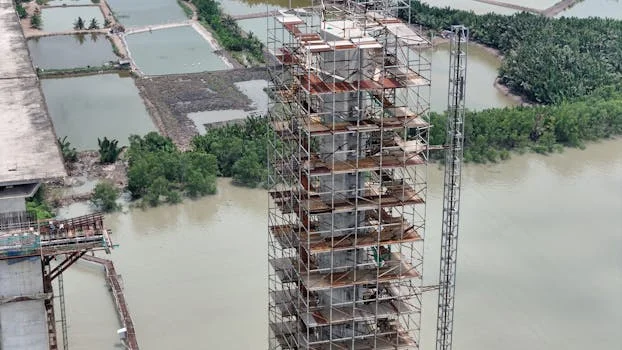
The selection of a desulfurization technology depends primarily on the fuel sulfur content, required removal efficiency, and regional emission limits. If your facility is burning high-sulfur coal or petroleum coke and must meet removal efficiencies greater than 95% to comply with World Bank or EU IED standards, wet FGD is the only commercially proven solution that provides a consistent compliance buffer. The maturity of the limestone-gypsum process ensures that financing and permitting are often more straightforward for these systems compared to emerging or less efficient alternatives.
A decision to install FGD is also supported when there is a local market for gypsum. In regions with active construction or cement industries, the byproduct from the desulfurization process becomes an asset, significantly improving the ROI of the system. This aligns with circular economy goals that many modern industrial procurement managers are now tasked with achieving. Conversely, DSI is the logical choice for small-to-medium boilers (under 50 MW) where the sulfur content is low and the remaining lifespan of the plant does not justify the high CAPEX of a wet scrubber.
For facilities that must adhere to strict water consumption limits or Zero Liquid Discharge (ZLD) regulations, SDS provides a compelling middle ground. It offers better efficiency than DSI without the wastewater burden of a wet scrubber. However, it is essential to remember that for any plant planning to eventually implement carbon capture, a high-efficiency modular FGD scrubber with reusable gypsum output is almost always necessary as a pretreatment step to ensure the longevity of the CCS solvents. When evaluating these options, plant managers should also look at a data-driven comparison of MBR vs CAS, MBBR, and DAF if they are considering how to treat