How Pulse Jet Baghouse Dust Collectors Work
Pulse jet cleaning uses short, high-pressure bursts of compressed air (0.4–0.7 MPa) to dislodge accumulated dust from the exterior of filter bags without interrupting system operation. This reverse-air flow pulse lasts 0.1–0.2 seconds and is directed down the length of the filter bag by a venturi, effectively targeting long bags (6–8 m) common in high-volume coal-fired boiler and industrial furnace applications. The venturi nozzle is a critical component, as it induces a secondary flow of surrounding air that amplifies the cleaning pulse's energy and volume, ensuring it travels the full length of the bag for uniform dust dislodgement.
A standard pulse jet baghouse dust collector system consists of several key components. The dirty chamber directs dust-laden gas onto the exterior of the filter bags. The clean plenum collects the filtered gas for exhaust. The filter bags themselves, typically constructed from materials like polyphenylene sulfide (PPS) or fiberglass for high-temperature resistance, are supported internally by metal cages to prevent collapse. A manifold of pulse valves, controlled by a programmable timer or pressure-based controller, delivers the compressed air cleaning pulses to specific compartments in a sequenced pattern to maintain consistent filtration performance. For instance, a controller might be set to pulse one row of bags every 30 seconds or initiate a cleaning cycle only when the differential pressure across the filter media indicates a significant dust cake has built up.
Critical Technical Parameters for Industrial Selection
Selecting a pulse jet baghouse dust collector requires evaluating key engineering parameters that dictate performance, efficiency, and operational cost. These metrics provide a standardized basis for comparison between systems and ensure the selected unit is correctly sized for the application. Neglecting these parameters can lead to premature bag failure, high energy consumption, and failure to meet emission standards.
The air-to-cloth ratio, the ratio of gas flow volume to total filter media area, is the primary sizing parameter. For heavy dust loads like coal fly ash or metal processing dust, a conservative ratio of 1.0–1.5:1 is standard. For lighter dust applications, such as from some woodworking operations, ratios of 2.0–3.0:1 may be acceptable. Filtration velocity, directly related to the air-to-cloth ratio, should be maintained at 1.2–1.8 m/min for pulse jet systems; higher velocities accelerate bag wear and increase pressure drop. System pressure drop typically operates between 1,200–1,800 Pa during normal filtration, with the cleaning cycle often initiated automatically when the differential pressure reaches ~1,500 Pa. Compressed air consumption for cleaning averages 0.3–0.5 Nm³/min per 100 bags, depending on the pulse duration and operating pressure. A practical tip for reducing operational cost is to regularly audit compressed air lines for leaks, as even small leaks can significantly increase energy usage over time.
| Parameter | Typical Range for Heavy Dust | Impact on Performance |
|---|---|---|
| Air-to-Cloth Ratio | 1.0 : 1 to 1.5 : 1 | Lower ratios extend bag life, reduce pressure drop |
| Filtration Velocity | 1.2 - 1.8 m/min | Higher velocity increases energy cost & bag wear |
| Operating Pressure Drop | 1,200 - 1,800 Pa | Indicates bag condition and system health |
| Compressed Air Consumption | 0.3 - 0.5 Nm³/min per 100 bags | Directly impacts operational energy cost |
Emission Performance and Regulatory Compliance
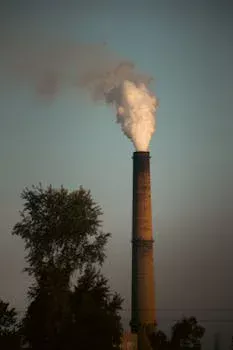
Modern pulse jet fabric filter systems are engineered to achieve particulate emissions below 10 mg/Nm³, a performance threshold required by the most stringent global regulations. For example, HydropureWater’s pulse-jet baghouse consistently delivers verified emissions below this level, ensuring compliance with the U.S. EPA New Source Performance Standards (NSPS) Subpart Dc for industrial-commercial-institutional steam generating units and the European Union’s Industrial Emissions Directive (IED) 2010/75/EU for Large Combustion Plants. This low emission rate is equivalent to filtering over 99.99% of particulate matter from the air stream in many applications.
This performance is achieved through high filter efficiency, which exceeds 99.9% for particles ≥1 μm. The use of membrane filter bags, which feature a thin microporous PTFE laminate on the surface, can further enhance capture efficiency for sub-micron particles. Compliance is verified through standardized stack testing methodologies, such as EPA Method 5 or EN 13284-1, which procurement teams should require as part of factory acceptance testing. For facilities handling complex waste streams, understanding broader regulatory obligations, such as PFAS testing requirements for industrial wastewater, is also critical for full environmental compliance.
The selection of a suitable baghouse dust collector manufacturer, such as a reputable baghouse dust collector manufacturer, is critical to ensuring these performance standards are met.Comparison of Leading Baghouse Dust Collector Manufacturers
Evaluating manufacturers on technical transparency, compliance support, and system design is essential for procurement. While many vendors offer pulse jet systems, the depth of publicly available performance data and compliance documentation varies significantly, impacting the ease of justification and long-term operational security. A manufacturer's willingness to provide detailed performance guarantees and third-party test data is a strong indicator of product confidence.
Some manufacturers focus on modular, off-the-shelf systems prized for their compact footprint and reliability, though they often provide limited public technical depth on critical parameters like air-to-cloth ratios. Other established custom builders highlight decades of experience and value-added design features, such as easy-access maintenance doors and walk-in plenums, but frequently lack published, verifiable emission test data to substantiate compliance claims. Still others offer comprehensive replacement parts support and custom solutions but provide sparse technical documentation on operational limits like maximum filtration velocity.
In contrast, the pulse jet baghouse dust collector from HydropureWater is engineered for high-performance applications, featuring a low-pressure, long-bag pulse cleaning design, an integrated bypass system for protection during upsets, and publicly documented sub-10 mg/Nm³ emissions performance with full regulatory alignment for EPA and EU standards. This comprehensive technical transparency simplifies the procurement and justification process for plant engineers.
| Evaluation Criteria | Common Offerings | HydropureWater Pulse-Jet Baghouse |
|---|---|---|
| Published Emission Performance | Often unspecified or vague | <10 mg/Nm³ (verified) |
| Regulatory Compliance Mapping | Mentioned but not explicitly mapped | Explicitly aligned with EPA NSPS, EU IED |
| Technical Spec Depth (A/C Ratio, Velocity) | Limited public data | Full parameter tables published |
| System Design | Modular or custom | Modular with integrated bypass |
Maintenance and Operational Longevity
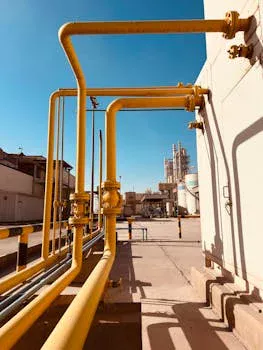
Proactive maintenance planning is critical for minimizing lifecycle costs and avoiding unplanned downtime. Under optimal conditions—controlled gas moisture levels and stable temperatures below 180°C—filter bags typically offer a service life of 2–4 years before requiring replacement. The pulse valve system, the core of the cleaning mechanism, operates on a duty cycle of 1–3 cleaning pulses per hour per compartment, with solenoid valves rated for approximately 1 million cycles. Diaphragm valves within the pulse valves are a wear item and typically require inspection every 12-18 months.
A structured inspection regimen is necessary for predictive maintenance. Key activities include monthly visual checks of diaphragm valves for integrity, quarterly inspections of bag tension and seal conditions to prevent air leakage, and periodic internal inspections for bag wear using a tube sheet camera. Keeping a log of the system's baseline pressure drop and noting any gradual increases can serve as an early warning sign of bag blinding or hopper evacuation issues. For a deeper dive into resolving operational problems, engineers can consult a data-backed troubleshooting guide for common baghouse issues.
Frequently Asked Questions
What is the emission standard for baghouse dust collectors under EPA NSPS?
For coal-fired boilers under EPA NSPS Subpart Dc, the particulate matter (PM) limit is 13 mg/Nm³ (0.03 lb/MMBtu). High-performance pulse jet baghouses are designed to achieve levels well below this, often under 10 mg/Nm³, providing a compliance safety margin and accommodating potential process upsets.
How often do pulse jet baghouse filters need replacement?
Filter bag lifespan ranges from 2 to 4 years, depending on the abrasiveness of the dust, operating temperature, humidity, and the consistency of the cleaning cycle. Properly sized systems with stable process conditions maximize bag life. Inspecting a few bags annually can help predict the overall remaining service life of the entire set.
Can baghouse systems handle high-moisture industrial flue gas?
Yes, but it requires careful management. Systems handling saturated gases must include insulation and hopper heaters to prevent condensation, which can lead to bag blinding and hopper bridging. Filter media selection (e.g., treated acrylics, PTFE membranes) is also critical to prevent hygroscopic dust from adhering to the bags.
What air pressure is required for pulse jet cleaning?
Pulse jet systems typically operate with compressed air supplied at 0.4 to 0.7 MPa (60-100 psi). Low-pressure designs (0.4 MPa) are increasingly common as they reduce compressed air consumption and associated energy costs while still providing effective cleaning through optimized venturi and manifold design.
Is custom sizing available for unique industrial layouts?
Most reputable industrial baghouse dust collector manufacturers offer custom engineering to fit spatial constraints and specific process requirements, including variable compartment counts, inlet/outlet configurations, and special material upgrades for corrosion resistance or high-temperature operation.