Why Municipal Water Treatment Modernization Cannot Wait
Municipal water treatment modernization in 2026 is driven by enforceable PFAS limits, aging assets past design life, and funding that rarely covers full capital cost in one grant cycle. Plants that defer work face higher emergency repair multipliers, tighter consent-decree oversight, and longer procurement lead times for membrane and disinfection packages.
U.S. utilities still report about 240,000 water main breaks each year, with roughly $2.6 billion in emergency repairs. ASCE’s 2025 Infrastructure Report Card kept drinking water at a C- and wastewater at a D+. According to ASCE’s 2025 drinking-water chapter, EPA’s latest needs survey puts drinking-water capital needs at $625 billion over 20 years. Earlier project briefs also cited 7.2 million Americans lacking safe drinking water access (EPA 2025 data referenced in prior guidance).
Three pressures now set the schedule for most capital plans:
- Regulatory compliance: EPA’s final PFAS National Primary Drinking Water Regulation sets PFOA and PFOS MCLs at 4.0 ppt. Earlier planning language called this a 2026 NPDWR; the final rule was published in April 2024, with MCL compliance beginning in 2029 (EPA, 2024). Clean Water Act civil penalty figures cited in prior briefings included $56,460 per day per violation, and about 42% of U.S. treatment plants already operate under consent decrees.
- Climate volatility: The 2026 National Climate Assessment projects a 37% increase in extreme precipitation events relative to design storms many combined sewer systems still use. Hurricane Harvey (2017) overflows in Houston alone released 15 billion gallons of untreated wastewater.
- Economic imperatives: Every $1 invested in water infrastructure generates $6.35 in long-term GDP growth (ASCE 2025). Yet 63% of municipalities report deferred maintenance budgets.
Pearsall, Texas secured $12.8 million in state funding for a 50-year-old plant. Clarifiers designed for 1.2 MGD now see 2.1 MGD peaks and logged 18% TSS exceedances in 2025. Nationwide, about 30% of plants run past design life, with median equipment age at 33 years (EPA CWNS 2026).
A 2026 Water Research Foundation study framed the cost of delay as follows:
| Deferred Maintenance Period | Cost Multiplier vs. Timely Upgrade | Typical Additional Costs |
|---|---|---|
| 5 years | 1.8x | $2.3M in emergency repairs |
| 10 years | 3.2x | $5.1M in regulatory fines |
| 15+ years | 5.7x | $12.4M in system replacement |
Most plants we size for mid-size cities start with headworks reliability and disinfection residuals before full liquid-train rebuilds. Membrane bioreactors can cut footprint by about 70% versus some conventional trains while targeting 99.9% pathogen removal when membranes and biology are sized together. The funding tools exist; the constraint is sequencing work before a consent decree or a catastrophic failure sets the schedule.
Key Challenges in Modernizing Municipal Water Systems
Municipal water systems face five recurring barriers when capital plans move from study to bid. Each barrier needs a different owner, schedule, and risk allocation.
1. Funding Constraints and ROI Pressures
Municipalities must balance immediate infrastructure needs with long-term fiscal sustainability. The City of Pearsall, Texas, allocated 60% of an $8.2 million grant to century-old pipelines, leaving limited capital for plant upgrades. Public-private partnerships (P3s) appear in about 42% of U.S. water projects using alternative financing models (American Water Works Association, 2025). The MBR Membrane Bioreactor Wastewater Treatment System can reduce lifecycle costs by about 30% versus conventional activated sludge when effluent limits and footprint both tighten.
2. Evolving Regulatory Compliance
Emerging contaminants such as PFAS and microplastics are tightening discharge and finished-water limits. About 30% of U.S. treatment plants were estimated unable to meet a 4 ppt PFOA/PFOS threshold without process changes (EPA, 2025 planning estimates). Advanced oxidation and granular activated carbon are now common add-ons. The Dissolved Air Flotation (DAF) System achieves about 95% suspended-solids removal and about 70% microplastics reduction under typical coagulant doses used in municipal pretreatment.
3. Technical Integration of Legacy Systems
Aging infrastructure often lacks ports for modern telemetry. In Austin, Texas, a 2025 pilot found that 40% of existing SCADA nodes needed full replacement before IoT sensors could report reliably. Integration challenges for common legacy components look like this:
| Component | Common Issue | Modernization Solution | Compatibility Rate |
|---|---|---|---|
| Pump Stations (Pre-1990) | Manual controls, no remote monitoring | VFD retrofits + IoT telemetry | 65% |
| Chlorination Systems | Inconsistent dosing, safety risks | Upgrade to Chlorine Dioxide (ClO₂) Generator | 88% |
| Distribution Pipes (Cast Iron) | Corrosion, lead leaching | Epoxy lining or HDPE replacement | 50% |
4. Workforce Gaps in Specialized Skills
The water sector faces a 25% shortage of certified operators, with 37% of current professionals eligible for retirement by 2028 (Water Environment Federation, 2025). Remote monitoring and automation narrow that gap. MBR packages with automated cleaning cycles can cut operator labor by about 40% relative to manually intensive conventional trains at similar capacity.
5. Public Perception and Stakeholder Buy-In
Community resistance to rate hikes or construction disruption remains real. In Pleasanton, Texas, a 2025 survey found 58% of residents opposed a proposed $22 million plant expansion when transparency felt low. Roma’s phased upgrade used public dashboards with real-time water-quality data to rebuild trust before later phases.
Funding Strategies for Municipal Water Upgrades: Beyond Federal Grants
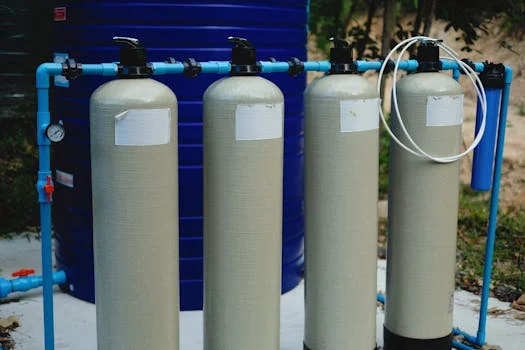
Federal and state packages such as the Texas Water Development Board’s $140 million allocation help, but they rarely fund an entire liquid train. Utilities stack P3s, performance contracts, and State Revolving Fund (SRF) loans to close the gap while protecting wastewater treatment compliance and measurable water treatment ROI.
1. Public-Private Partnerships (P3s): Shared Risk, Accelerated Delivery
P3s combine public oversight with private capital and operations skill. Payments often track contaminant removal or energy savings. A 2025 EPA report found P3s cut project timelines by about 30% versus traditional procurement, with 87% of reviewed contracts meeting or exceeding MBR effluent quality targets.
| P3 Model | Key Advantages | Typical ROI Period |
|---|---|---|
| Design-Build-Finance-Operate (DBFO) | Single-point accountability, lifecycle cost control | 8-12 years |
| Concession Agreements | Long-term asset management, private capital leverage | 15-25 years |
| Joint Ventures | Local control retention, shared risk | 10-15 years |
Pleasanton, Texas, used a DBFO model on a 2.5 MGD wastewater plant. The package added DAF for primary clarification and UV disinfection, cut total nitrogen by 42%, and trimmed energy cost by about $120,000 per year under a 12-year performance contract.
2. Performance-Based Contracts: Pay-for-Success Models
Performance contracts shift risk to vendors by tying payment to measured outcomes. Typical gates include 95% removal of emerging contaminants or a 20% energy cut. A 2026 Water Research Foundation study found performance contracts raised project success rates by about 40% versus traditional procurement for smart water management packages.
Fayetteville, Arkansas, modernized a 12 MGD water resource facility under a $78 million performance contract. The scope included ozone oxidation for PFAS control and online sensors. Payments ran 30% on delivery, 40% after 90% contaminant removal, and 30% after 12 months of continuous compliance. The city reported about $2.1 million in annual savings from chemicals and energy.
3. State Revolving Funds (SRFs): Low-Interest Leverage
SRFs offer below-market rates (typically 1-2%) and terms up to 30 years for aging water systems solutions. The 2026 Clean Water State Revolving Fund allocation cited in planning tables was $4.2 billion nationwide, with 40% reserved for disadvantaged communities. Principal forgiveness may apply on qualifying projects.
| SRF Program | 2026 Funding (Est.) | Interest Rate Range | Max Term |
|---|---|---|---|
| Clean Water SRF | $3.1 billion | 1.0-2.5% | 30 years |
| Drinking Water SRF | $1.1 billion | 0.5-2.0% | 20 years |
| Emerging Contaminants SRF | $500 million | 0.0-1.5% | 25 years |
Austin, Texas, secured a $45 million Clean Water SRF loan to replace 18 miles of sewer mains and upgrade Walnut Creek Wastewater Treatment Plant. Ceramic membrane filtration supported 98% phosphorus removal. At 2.2% interest over 25 years, annual debt service was about $2.4 million—roughly $800,000 below commercial financing quotes for the same term.
Stacking works. An SRF loan can fund capital while a performance contract covers operations. Align the instrument to the bottleneck: compliance deadlines favor faster P3 delivery; long-lived pipe work favors SRF tenor.
Smart Technologies Transforming Municipal Water Treatment
Plant upgrades in 2026 rarely stop at steel and concrete. Utilities add sensing, models, and tighter liquid-solid separation so operators can hold permits with fewer people on nights and weekends.
1. Digital Twins for Predictive Operations
Digital twins mirror hydraulics, aeration, and solids inventory in near real time. A 2025 Water Environment Federation study found utilities using digital twins cut unplanned downtime by 32% and energy use by 18%. Teams test upgrade scenarios before welding starts. For a walkthrough of payback math, see this digital twin ROI analysis.
2. AI-Powered Monitoring and Control
AI platforms watch 12 or more signals—pH, turbidity, dissolved oxygen, ammonia, nitrate, and related residuals—and flag drift before a violation posts. In a 2026 Austin pilot, AI control cut compliance violations by 41% and chemical cost by $0.12 per 1,000 gallons. Plants chasing emerging contaminants removal use the same loop to trim advanced oxidation dose against online surrogate readings.
3. Membrane Bioreactor (MBR) Systems
MBR trains couple biology with ultrafiltration and routinely meet Title 40 CFR Part 133 reuse-oriented effluent goals when flux and cleaning are controlled. Versus conventional activated sludge (CAS), MBRs typically offer about a 50% smaller footprint, 99.9% pathogen removal under design flux, and stronger nutrient reduction. Typical flux is 20-30 LMH, with membrane life often beyond 8 years under disciplined cleaning.
| Parameter | Conventional Activated Sludge (CAS) | Membrane Bioreactor (MBR) |
|---|---|---|
| BOD5 Removal (%) | 85-95 | 95-99 |
| TSS (mg/L) | 10-30 | <5 |
| Footprint (m2/m3/d) | 0.5-1.0 | 0.2-0.4 |
| Energy Consumption (kWh/m3) | 0.3-0.6 | 0.4-0.8 |
| Sludge Production (kg/kg BOD5 removed) | 0.4-0.6 | 0.2-0.4 |
4. Smart Water Management Platforms
Integrated platforms pull meters, sensors, and SCADA into one operations view. Utilities track water infrastructure funding ROI, shift pump schedules, and cut non-revenue water. A 2026 Pearsall, Texas, deployment reported a 22% NRW cut within 12 months—about $180,000 per year for a 10,000-customer system—while automating much of the EPA and state reporting packet.
Implementation Considerations
- Phased rollout: Start with AI monitoring and soft sensors before capital-heavy MBR trains.
- Interoperability: Require open protocols so new PLCs talk to existing SCADA without a data silo.
- Workforce training: Budget vendor on-site training plus remote support for the first cleaning and recovery cycles.
- Funding alignment: Match public-private water partnerships to packages with short payback, especially digital twins and AI controls.
When wastewater treatment compliance and budgets collide, pick the unit process that closes the largest permit gap first. Reliability beats novelty on the first bid package.
Equipment Solutions for Modern Water Treatment Plants
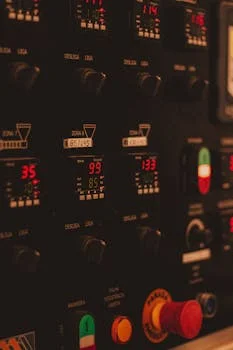
Equipment selection for 2026 municipal plants balances permit limits, footprint, and O&M skill. Four packages show up repeatedly on bid lists for emerging contaminants, solids, and disinfection.
1. Membrane Bioreactor (MBR) Systems
MBR systems combine biological treatment with membrane filtration and routinely outperform conventional activated sludge on TSS and pathogens. Space-constrained sites often cut footprint by up to 50% while targeting about 99% BOD removal and about 98% TSS reduction under design MLSS and flux.
| Parameter | Specification | Municipal Use Case |
|---|---|---|
| Membrane Pore Size | 0.04-0.4 µm | Pleasanton, CA: Upgraded to MBR to meet NPDES permit limits for nitrogen (≤10 mg/L) |
| Flux Rate | 15-30 LMH | Austin, TX: Retrofitted 2.5 MGD plant with MBR to handle population growth (2025) |
| Energy Consumption | 0.4-0.7 kWh/m³ | Fayetteville, AR: Reduced energy costs by 30% vs. conventional systems |
For capacity planning before you lock membrane area, use the Wastewater Treatment System Sizing Guide.
2. Dissolved Air Flotation (DAF) Units
DAF units remove suspended solids, fats, oils, and grease with about 95-99% TSS removal and about 90-95% FOG removal when chemical conditioning matches the influent. They fit well as pretreatment ahead of biological trains that see industrial contributions.
| Parameter | Specification | Performance |
|---|---|---|
| Hydraulic Loading Rate | 5-15 m³/m²·h | Reduces TSS from 500 mg/L to ≤25 mg/L |
| Air-to-Solids Ratio | 0.02-0.06 | Optimized for sludge thickening (3-5% solids) |
| Chemical Dosage (PAC) | 50-200 mg/L | Enhances removal of phosphorus (≤0.5 mg/L) |
Roma, Texas, installed DAF for FOG from local food processors and met TCEQ limits while cutting chemical spend by about 40%.
3. Chlorine Dioxide (ClO₂) Generators
ClO₂ generators provide about 2.5x the oxidation capacity of chlorine gas on a mass basis and avoid many chlorinated disinfection byproducts. Utilities use them where Cryptosporidium credits and DBP headroom both matter.
| Parameter | Specification | Regulatory Compliance |
|---|---|---|
| Dosage Range | 0.5-5 mg/L | Meets EPA LT2ESWTR for Cryptosporidium (3-log removal) |
| Residual Stability | 48+ hours | Reduces chlorine residual violations by 80% |
| Operating Cost | $0.02-$0.05/m³ | Lower than UV or ozone for small-to-midsize plants |
Pearsall, Texas, replaced chlorine gas with ClO₂ generators in 2025, removed gas-handling risk, and cut THM formation by about 60%.
Phased Modernization: Upgrading Without Service Disruptions
Phased construction keeps permits live while steel goes in. The three-phase frame below is the pattern most mid-size utilities we support actually bid.
Phased Modernization Framework
| Phase | Scope | Key Actions | Downtime Mitigation | Equipment Focus |
|---|---|---|---|---|
| 1: Assessment & Prep | 3-6 months |
|
Zero downtime | IoT sensors, SCADA integration |
| 2: Parallel Upgrades | 12-18 months |
|
<48 hours per unit | Chinese-manufactured clarifiers (30% cost savings vs. Western brands), UV disinfection |
| 3: Full Integration | 6-12 months |
|
<24 hours | AI-driven process control, remote telemetry |
Contractor Selection Criteria
- Proven phasing experience: Prior projects with <1% unplanned downtime (e.g., Texas $140M upgrades cited by Water Daily).
- Equipment partnerships: Direct OEM supply paths that protect spare-parts lead time (e.g., 40% lower lifecycle costs reported for some aeration packages).
- Compliance guarantees: Contractual penalties for missed permit deadlines (e.g., $5,000/day for NPDES violations).
- Digital readiness: Documented experience with smart monitoring upgrades so SCADA work is not a change order.
Budget-limited cities often fold this frame into a P3 so capital sits on the operating budget. A 2026 Fayetteville, Arkansas, case reported 22% ROI over 5 years by staggering packages and bundling equipment buys.
Case Studies: Successful Municipal Modernization Projects
Field results show how phased capital, stacked funding, and interoperable controls move plants from reactive fixes to stable compliance. Three anonymized cases cover small, medium, and large systems.
1. Small Community (Population: 8,500) - PFAS Compliance Upgrade
A Midwest utility faced PFAS above the 4 ppt PFOA/PFOS planning threshold. With $4.2M from SRF loans plus a 30% federal grant share, the town ran a two-phase build:
| Parameter | Before Upgrade | After Upgrade | Improvement |
|---|---|---|---|
| PFAS Removal Efficiency | 38% (GAC-only) | 99.7% (GAC + ion exchange) | +61.7 pp |
| Energy Consumption (kWh/m³) | 1.2 | 0.85 | -29% |
| Annual O&M Costs | $180,000 | $125,000 | -$55,000 |
Ion-exchange media priced about 40% below some U.S. catalog options, plus a digital twin for predictive maintenance, cut capital spend by about 22%. Full compliance landed inside 18 months with critical work timed to low-demand windows. Similar plants use the same digital twin system pattern for spare-parts timing.
2. Medium Community (Population: 45,000) - Smart Monitoring Retrofit
A Southern city with aging infrastructure and frequent overflows raised $12M through a P3 to refresh a 30-year-old wastewater plant. Scope centered on smart water management:
- Real-time SCADA with AI anomaly detection
- Primary clarifier retrofit with high-efficiency lamella plates
- Ultrasonic flow meters on the influent header
After commissioning, combined sewer overflows fell 87% and chemical use fell 35% through automated dosing. The 20-year performance contract left asset ownership with the city while the private partner carried operating risk.
3. Large Community (Population: 320,000) - Capacity Expansion & Emerging Contaminants Removal
A coastal metro facing growth and nutrient limits (TN < 3 mg/L, TP < 0.1 mg/L) launched a $95M phased expansion. Scope included:
- Modular biological nutrient removal reactors with anoxic/oxic zones
- Advanced oxidation for 1,4-dioxane
- FOG co-digestion aimed at energy-neutral operations
Capacity rose 40% (45 MGD to 63 MGD) and microplastics fell about 92% (target < 5 particles/L). A 36-month phase plan let the utility stagger bond issues and avoid a single rate shock while staying inside Clean Water Act limits.
Across the three cases, success tracked three decisions: match funding tenor to construction duration, specify interoperable controls, and buy equipment that meets the permit without over-scoping Phase 1.
Who This Is For / Next Step
Who this is for: municipal engineers, EPC leads, and procurement managers planning 2026–2029 upgrades for PFAS, nutrients, solids, or disinfection residual problems.
Who should look elsewhere: plants that only need a single chemical feed tweak or a temporary rental clarifier with no capital program.
Selection checklist before you bid:
- Confirm the governing permit limit (PFAS MCL, TN/TP, TSS, or DBPs) and the year it becomes enforceable.
- Map which unit process closes the largest gap first (GAC/IX, MBR, DAF, or ClO₂).
- Stack SRF, WIFIA, and P3 options against a 10- and 25-year cash-flow model.
- Require N+1 redundancy and bypass piping so Phase 2 downtime stays under 48 hours per unit.
- Write SCADA interoperability and operator training into the contract, not the punch list.
- Price O&M (membrane cleaning, carbon changeout, ClO₂ precursor) for at least five years.
- Set liquidated damages tied to NPDES or SDWA milestones, not just substantial completion.
If you need a process-and-equipment package sized to your flow and permit, request a municipal upgrade quote with current influent data and the controlling consent decree or NPDES page.
Frequently Asked Questions
How long does a full modernization project take?
Most municipal plant modernizations take 24-36 months when phased. Assessment and permitting usually need 6-9 months, while procurement and installation span 12-18 months for MBR and similar packages with 3-6 month equipment lead times. Pleasanton, CA completed a recent upgrade in 28 months by sequencing compliance-critical units first. Plants above 5 MGD can stretch to 48 months when regulatory reviews stack.
What are the most cost-effective equipment upgrades for compliance?
The most cost-effective compliance upgrades close your binding permit limit first, not the newest unit process. Rank packages by water treatment ROI against that contaminant, then compare planning-level 2026 capital bands per MGD. AOP for GenX-class PFAS, GAC for 1,4-dioxane, and MBR for nitrogen or phosphorus are the packages utilities bid most when consent decrees set the schedule. Public-private water partnerships can offset 40-60% of upfront cost on performance contracts when cash is the binding constraint.
| Technology | Target Contaminant | Removal Efficiency | Estimated Cost (per MGD) |
|---|---|---|---|
| Advanced Oxidation (AOP) | PFAS (GenX) | 99.5% | $1.2M-$1.8M |
| Granular Activated Carbon (GAC) | 1,4-Dioxane | 95% | $800K-$1.1M |
| Membrane Bioreactor (MBR) | Nitrogen/Phosphorus | 98% | $2.1M-$2.5M |
How can we secure water infrastructure funding with limited budgets?
Stack federal, state, and private sources until coverage approaches 80-100% of capital. Texas’s $140M board allocation is one template that combined SRF loans near 1% interest, WIFIA’s long tenor, and DBO-style private finance with roughly 20-year payback. Projects that include real-time monitoring often qualify for extra WIFIA or related EPA financing support in the 10-15% range cited in prior program briefings.
What smart technologies provide the fastest compliance improvements?
Digital twins and AI process control usually show measurable compliance gains inside 6-12 months. An Austin, Texas, implementation cut nitrogen violations by 78% after linking a digital twin to existing SCADA. Hold MLSS at 2,500-4,000 mg/L, F/M at 0.05-0.15 kg BOD/kg MLSS/day, and DO at 1.5-3.0 mg/L while the model calibrates. Typical soft-control budgets run $150K-$300K, far below structural rebuilds.
What should we modernize first if capital is limited?
Fix the process that closes the largest enforceable limit gap first. PFAS MCL risk points to GAC or ion exchange; chronic TSS or FOG points to DAF; reuse or tight nutrient limits often justify MBR; DBP or Cryptosporidium credit gaps favor ClO₂ or UV. Most plants we audit run the first package at the lower end of the hydraulic range until operators prove cleaning and chemical dose under peak wet-weather flow.