Why Mozambique Needs Modular Wastewater Treatment
Mozambique’s urban population is growing at 4.2% annually (World Bank 2023), placing immense strain on centralized sewage networks that are already limited. With only 32% of urban households connected to formal sewer systems (UN-Habitat 2022), decentralized solutions are not a luxury but a necessity. frequent flooding in coastal cities like Maputo and Beira demands resilient infrastructure; a buried package wastewater treatment system for urban and rural Mozambique offers a practical solution, as it can be installed underground or trailer-mounted to avoid flood damage. This is particularly vital for protecting critical infrastructure like schools and clinics from service disruptions during the rainy season.
These prefabricated systems directly support national progress toward Sustainable Development Goal 6 (clean water and sanitation) and the SADC Protocol on Shared Watercourses. Their rapid deployment and minimal physical footprint make them ideal for peri-urban expansions, new industrial developments, and remote healthcare facilities, providing a scalable path to improved sanitation across the country. For instance, a single packaged unit can service a 200-household community, drastically reducing the public health risks associated with inadequate sanitation.
Top Technologies for Packaged Plants in Mozambique
Selecting the right technology is the most critical technical decision. For flows ranging from 1–80 m³/h, two primary biological processes dominate the market: Anoxic/Oxic (A/O) and Membrane Bioreactor (MBR). A third option, trickling filters, is less common due to higher space and maintenance requirements, though it was used in projects like the 23 m³/h plant for Tharisa Minerals in South Africa.
A/O systems, such as the HydropureWater WSZ series, are the workhorse technology for municipal and rural community applications. They achieve 90–95% removal of BOD and TSS through a sequential anoxic (without oxygen) and aerobic (with oxygen) process, making them robust and energy-efficient. This denitrification process is crucial for protecting sensitive aquatic ecosystems from nutrient pollution.
MBR technology represents the high-efficiency end of the spectrum. By integrating ultrafiltration membranes directly into the biological process, an MBR system for reuse-quality effluent in industrial or healthcare settings achieves exceptional removal rates of 98%+ for BOD and TSS, producing effluent with turbidity below 1 NTU suitable for reuse. This comes at a 15–25% higher capital cost due to the membranes and more intensive aeration, but is often the only choice for strict compliance or water recycling projects in hospitals and food processing plants. The superior effluent quality also allows for safe irrigation of high-value crops without risk of clogging drip emitters.
| Technology | Best For | BOD/TSS Removal | Relative CAPEX | Footprint |
|---|---|---|---|---|
| A/O (Anoxic/Oxic) | Municipalities, rural communities, residential compounds | 90–95% | Lower | Medium |
| MBR (Membrane Bioreactor) | Hospitals, food/beverage industry, water reuse projects | 98%+ | Higher | Compact |
| Trickling Filter | Older industrial installations, specific mining camps | 85–90% | Medium | Large |
Technical Specifications Comparison
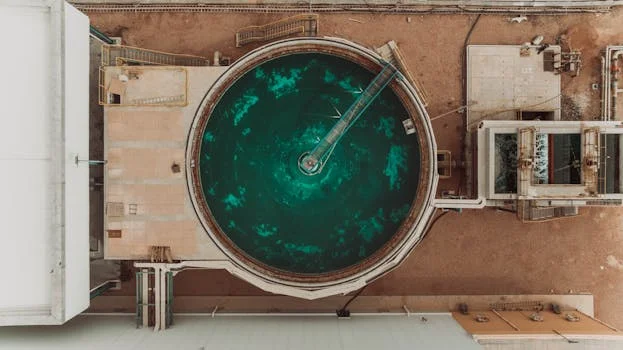
For procurement managers and consulting engineers, a side-by-side evaluation of technical parameters is essential for system design and tender preparation. The core differences between A/O and MBR technologies dictate their suitability for a given site in Mozambique.
Flow capacity for standard A/O package plants typically ranges from 1 to 80 m³/h, while MBR systems are often rated from 10 to 2,000 m³/day. Footprint is a major differentiator; MBR systems require approximately 60% less space than conventional A/O plants, a critical advantage for space-constrained sites in dense urban areas like Maputo. This compact nature also allows for easier integration into existing industrial complexes without major site modifications.
Power consumption is a key operational expense. MBR systems, with their need for membrane scouring aeration, consume 1.2–1.8 kWh/m³. In contrast, A/O systems are more energy-efficient, operating at 0.6–1.0 kWh/m³ (HydropureWater field data, 2024). The payoff for MBR's higher energy use is in effluent quality: it consistently achieves <10 mg/L BOD and <10 mg/L TSS, exceeding most discharge standards. A/O systems reliably produce effluent with <20 mg/L BOD and <30 mg TSS, which is sufficient to meet WHO reuse guidelines for agricultural irrigation. Installation timelines also vary; a buried WSZ unit can be operational in 4-6 weeks, while an MBR system with integrated membrane racks requires 8-10 weeks for full commissioning. It is advisable to factor in a 2-week buffer for potential shipping and customs clearance delays when planning any project timeline.
| Parameter | A/O Technology | MBR Technology |
|---|---|---|
| Typical Flow Capacity | 1 - 80 m³/h | 10 - 2,000 m³/day |
| Footprint | Medium | Compact (~60% smaller) |
| Power Consumption | 0.6 - 1.0 kWh/m³ | 1.2 - 1.8 kWh/m³ |
| Effluent Quality (BOD/TSS) | <20 mg/L / <30 mg/L | <10 mg/L / <10 mg/L |
| Installation Time | 4 - 6 weeks | 8 - 10 weeks |
Cost Analysis and ROI for Mozambique Projects
Budgeting for a package plant requires a clear understanding of both capital expenditure (CAPEX) and long-term operational savings. Based on 2024 B2B quotes, the installed cost for an A/O system like the WSZ series ranges from $85–$120 per m³/day of capacity. For a standard 50 m³/h unit, this translates to a significant investment that must be accurately forecasted.
MBR systems command a premium, with costs between $140–$200 per m³/day due to the inclusion of membrane modules and more complex aeration systems. However, containerized or skid-mounted options, while adding a 10–15% premium to the equipment cost, can reduce civil works expenses by up to 60%. This makes them highly cost-effective for remote mining camps or flood-prone zones where traditional construction is challenging and expensive. For a detailed breakdown, see our guide on real 2025 pricing data for containerized systems by capacity and technology.
The return on investment is most compelling for industrial users. By reusing high-quality treated effluent in cooling towers or process water applications, companies can offset freshwater purchase costs, which can be particularly high in arid regions or during drought periods. ROI periods of 3.5–5 years are achievable, as demonstrated in a 2025 containerized MBR case study for a Mozambican food processing plant that reduced its municipal water consumption by over 70%.
| Cost Factor | A/O System | MBR System |
|---|---|---|
| CAPEX (per m³/day) | $85 - $120 | $140 - $200 |
| Containerized Premium | +10-15% | +10-15% |
| OPEX (Energy) | Lower | Higher |
| Typical ROI (Industrial Reuse) | 4 - 5 years | 3.5 - 5 years |
How to Choose a Supplier in Mozambique
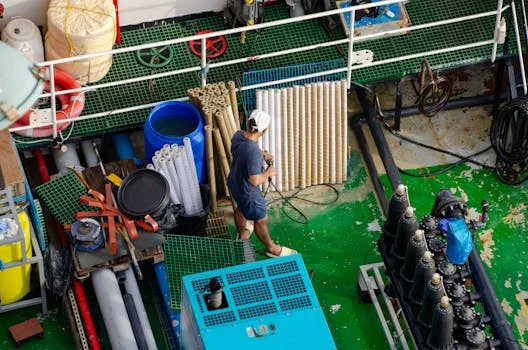
Technical specifications and cost are only part of the equation; the supplier's reliability and support network are equally critical for long-term project success. First, verify international certifications like CE marking and ISO 14001 environmental management systems, as well as explicit compliance with guidelines for reusing treated wastewater in agriculture and industry in Mozambique.
Operational simplicity is key in contexts with limited technical staff. Demand a fully automated system with PLC control and remote monitoring capabilities for unattended operation, including SMS or email alerts for critical faults like pump failures or high tank levels. Crucially, confirm the supplier has a local service partner or provides reliable regional technical support within East/Southern Africa to ensure spare parts availability and rapid response for maintenance. Finally, never waive factory acceptance testing (FAT); witnessing the system operate under simulated conditions before shipment is the best way to de-risk the installation and commissioning phase and verify all control sequences function as intended.
Frequently Asked Questions
What is the cost of a 50 m³/day package plant in Mozambique?
Based on 2025 B2B pricing, a 50 m³/day plant ranges from $7,000–$10,000 for an A/O system and $10,000–$14,000 for an MBR system, excluding civil works and installation. These costs can fluctuate based on specific site requirements and current shipping rates.
Can package plants handle hospital wastewater in Mozambique?
Yes. Specifically designed systems, like HydropureWater's and MBR technologies, are engineered to achieve 99%+ pathogen removal, meeting the stringent requirements for medical effluent and effectively neutralizing harmful bacteria and viruses.
Are there containerized options for remote areas?
Absolutely. Trailer-mounted WSZ units are available for fully mobile deployment, making them ideal for temporary mining camps, construction sites, and emergency response situations where permanent infrastructure is not feasible.
What maintenance does a package plant require?
Routine maintenance includes monthly visual inspections, quarterly sludge removal from clarifiers or tanks, and annual membrane chemical cleaning for MBR systems to maintain peak performance and extend the lifespan of critical components.
Do these systems meet Mozambique environmental regulations?
Yes. Reputable suppliers design their A/O and MBR plants to meet or exceed SADC discharge limits and WHO guidelines for parameters like BOD, TSS, and fecal coliform, ensuring full environmental compliance for your project.
Further Reading
Explore these in-depth articles on related wastewater treatment topics: