Industrial Wastewater Treatment in Dominican Republic: 2024 Solutions & Data
Industrial wastewater treatment in the Dominican Republic faces critical challenges: only 35% of wastewater is treated nationally, 65% of existing treatment plants are out of service, and in Santiago, just 14% of collected industrial effluent reaches proper treatment. Proven solutions like Dissolved Air Flotation (DAF) and Membrane Bioreactor (MBR) systems offer scalable, compliant treatment for food processing, textile, and tourism industries needing reliable discharge or water reuse in this environment.
The State of Industrial Wastewater in the Dominican Republic
At a national level, the Dominican Republic’s wastewater treatment coverage stands at a mere 35%, with a staggering 65% of existing municipal wastewater treatment plants (WWTPs) currently out of service (Report of Status of Knowledge regarding Municipal Wastewater Treatment – Project IDRC-UNAM). This widespread underperformance in national infrastructure directly impacts industrial compliance and environmental liability across the country.
In Santo Domingo, the capital, 12 municipal WWTPs exist, yet only four are operating, and even these function inefficiently (Report of Status of Knowledge regarding Municipal Wastewater Treatment – Project IDRC-UNAM). Similarly, Santiago, the second-largest city, collects approximately 90% of its wastewater, but a critically low 14% is actually sent to a treatment system. These figures highlight a systemic failure to process collected wastewater, leading to direct discharge of industrial effluent and domestic sewage.
Overall, only 13.8% of the total wastewater generated nationally is collected, and of that collected volume, just 37% is directed to treatment plants—which, as data suggests, often do not treat it appropriately. This substantial gap in collection and effective treatment means industrial dischargers face increasing regulatory pressure and environmental scrutiny. Untreated industrial effluent, laden with high organic loads, suspended solids, and chemical pollutants, contaminates vital aquifers, degrades coastal ecosystems, and poses significant public health risks. Industries in sectors like food processing, textiles, and tourism are particularly exposed to these liabilities, making reliable, on-site treatment a necessity for operational resilience and legal adherence.
Why Standard Systems Fail in Dominican Conditions
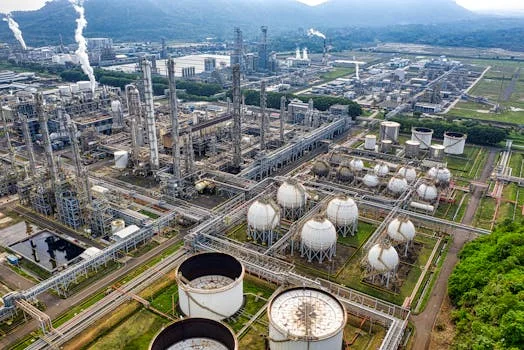
Conventional, complex wastewater treatment systems often underperform in the Dominican Republic due to specific operational and environmental challenges that reduce their long-term effectiveness. Many off-the-shelf solutions are designed for contexts with stable infrastructure and abundant skilled labor, conditions not consistently met in the Dominican Republic.
Frequent power outages are a common occurrence, disrupting critical aeration, pumping, and control processes in complex, manual wastewater treatment systems. This intermittency leads to process upsets, incomplete treatment, and non-compliant discharge. a pervasive lack of skilled operators and consistent maintenance protocols at many municipal and smaller industrial facilities reduces the effectiveness of systems that require precise tuning and regular upkeep. Industrial wastewater treatment in Dominican Republic must therefore prioritize robustness and a high degree of automation to mitigate human error and operational lapses.
The nature of industrial effluent also presents unique challenges. High organic loads from food processing wastewater, such as dairies, meat packers, and fruit processors, along with significant FOG (fats, oils, and grease) from hotels and resorts in tourist zones like Punta Cana and La Romana, can overwhelm conventional lagoon systems or undersized activated sludge plants. These systems, often designed for lower-strength domestic sewage, struggle to achieve adequate COD (Chemical Oxygen Demand) and BOD (Biochemical Oxygen Demand) removal, leading to permit violations.
the corrosive coastal environments prevalent across much of the Dominican Republic demand specialized materials. Standard carbon steel components and unprotected electrical systems quickly degrade, leading to premature equipment failure and costly repairs. Reliable industrial effluent treatment in these regions necessitates stainless steel construction, sealed electrical enclosures, and robust anti-corrosion coatings to ensure longevity. Fail-prone systems frequently observed include unattended trickling filters that become choked with biomass or experience uneven flow distribution, and overloaded activated sludge systems that lack proper sludge handling equipment, leading to solids washout and poor effluent quality.
Proven Technologies for Industrial Wastewater Treatment
High-efficiency Dissolved Air Flotation (DAF) and advanced Membrane Bioreactor (MBR) systems consistently provide the robust performance and high effluent quality required for industrial wastewater treatment in the Dominican Republic. These technologies address the specific challenges of high organic loads, stringent discharge standards, and potential for water reuse.
Dissolved Air Flotation (DAF) is highly effective for removing suspended solids, FOG (fats, oils, and grease), and other low-density contaminants. A high-efficiency DAF system for FOG and suspended solids removal can achieve 90–95% removal of FOG and suspended solids, which is critical for food processing facilities, restaurants, and hotels that generate wastewater rich in these pollutants. DAF operates by dissolving air under pressure into wastewater, then releasing it at atmospheric pressure, creating microscopic bubbles that attach to solid particles, floating them to the surface for skimming. Typical hydraulic retention times (HRT) for DAF units range from 15 to 30 minutes, allowing for compact designs. This DAF technology Latin America application is particularly beneficial as a primary treatment step, significantly reducing the load on downstream biological processes and minimizing sludge volume.
Membrane Bioreactor (MBR) systems combine conventional activated sludge treatment with membrane filtration, offering superior effluent quality and a compact footprint. A compact MBR system for high-quality effluent and water reuse can achieve <1 NTU (Nephelometric Turbidity Unit) effluent quality, 98% COD removal, and 99.99% pathogen removal. MBR systems operate with a high mixed liquor suspended solids (MLSS) concentration, typically 8,000–12,000 mg/L, leading to a much smaller footprint—up to 60% less than conventional activated sludge plants—making them ideal for space-constrained industrial sites in urbanized zones like Santo Domingo. Key process parameters include a sludge age (SRT) of 15–30 days and an F/M (Food to Microorganism) ratio typically between 0.05 and 0.2 kg BOD/kg MLSS·day, ensuring efficient organic removal and stable operation.
Beyond these core technologies, ancillary systems enhance overall plant performance. Automatic chemical dosing systems ensure consistent pH adjustment, coagulation, and flocculation despite influent variability, optimizing treatment efficiency and reducing chemical consumption. Lamella clarifiers, often integrated with DAF or MBR, achieve surface loading rates of 20–40 m/h, significantly reducing tank size and chemical use by up to 30% compared to conventional clarifiers by enhancing solids separation.
Here is a technical comparison of these proven wastewater treatment technologies:
| Parameter | Dissolved Air Flotation (DAF) | Membrane Bioreactor (MBR) |
|---|---|---|
| Primary Function | Suspended Solids, FOG, Oil & Grease Removal | Organic Matter, Nutrient, Pathogen Removal; High-Quality Effluent |
| Typical Removal Efficiency | 90-95% TSS, 90-95% FOG | 98% COD, 99% BOD, <1 NTU Turbidity |
| Effluent Quality | Suitable for further biological treatment or discharge (pre-treatment) | High-quality, suitable for direct discharge or reuse (irrigation, cooling) |
| Footprint | Compact (15-30 min HRT) | Very Compact (up to 60% smaller than conventional activated sludge) |
| Key Process Parameters | Air-to-Solids Ratio, Recycle Flow Rate, Coagulant/Flocculant Dose | MLSS (8,000-12,000 mg/L), SRT (15-30 days), F/M (0.05-0.2) |
| Typical Applications | Food processing, hotels, rendering, pulp & paper, oil refineries | Industrial parks, municipalities, resorts, pharmaceuticals, high-purity water reuse |
Comparison: Modular vs. Centralized Treatment for Dominican Industry
Modular, on-site industrial wastewater treatment solutions offer superior operational resilience and faster deployment compared to reliance on often-unreliable centralized municipal infrastructure in the Dominican Republic. Given the infrastructure gaps, a decentralized approach often proves more effective for ensuring continuous compliance and operational stability.
Modular systems, such as skid-mounted DAF or MBR units, require minimal to no civil works, significantly reducing installation time and costs. These units can be deployed rapidly, often within 30 days, enabling industries to achieve compliant discharge much faster than traditional construction projects. Their inherent scalability allows industries to expand treatment capacity incrementally as production grows, optimizing capital expenditure. A modular treatment plant Santo Domingo-based operation can quickly adapt to changing regulatory demands or production volumes without extensive downtime.
Conversely, centralized municipal treatment plants in the Dominican Republic frequently experience operational failures, power outages, and lack of maintenance, as evidenced by the 65% of plants out of service nationally. Industries relying on these centralized systems face the risk of non-compliance if the municipal plant is offline or operating inefficiently, leading to potential fines and operational disruptions. On-site wastewater treatment solutions ensure continuous compliance, providing industries with direct control over their effluent quality and discharge.
Mobile units, such as trailer-mounted WSZ series systems, offer flexible wastewater solutions for food processing or seasonal tourism facilities in regions like Punta Cana or La Romana. These units can be rapidly deployed or relocated to serve temporary or fluctuating demands, providing cost-effective treatment without permanent infrastructure investment. The WSZ underground integrated sewage treatment system is another example of a compact, on-site solution that minimizes land use while providing robust treatment.
From an OPEX perspective, comparing a centralized municipal tariff to on-site energy, chemical, and maintenance costs is crucial. While municipal tariffs may seem convenient, they often lack transparency and can be subject to unpredictable increases. On-site systems provide greater cost control, allowing for optimization of chemical use and energy consumption through advanced controls and efficient equipment. For example, containerized wastewater solutions for food processors offer predictable operating costs and rapid deployment.
Here is a comparison of modular and centralized industrial wastewater treatment approaches:
| Feature | Modular On-Site Treatment | Centralized Municipal Connection |
|---|---|---|
| Deployment Time | 2-4 weeks (skid-mounted), 10-15 days (containerized) | Dependent on municipal infrastructure; connection time can vary |
| Civil Works Required | Minimal to none (pre-fabricated, skid-mounted) | Extensive (piping, pump stations to connection point) |
| Operational Resilience | High (direct control, independent of municipal failures) | Low (vulnerable to municipal plant outages/inefficiencies) |
| Scalability | High (add/remove modules as production changes) | Limited (dependent on municipal capacity and infrastructure) |
| Control & Monitoring | Full control, real-time monitoring, data access | Limited visibility, no direct control over treatment process |
| Typical OPEX Model | Energy, chemical, maintenance, labor (predictable) | Municipal tariff (can be variable, less transparent) |
| Water Reuse Potential | High (direct access to treated effluent) | Low (effluent typically discharged to environment) |
Compliance and ROI: Justifying the Investment
Investing in compliant industrial wastewater treatment systems delivers significant return on investment through reduced regulatory penalties, substantial water reuse savings, and operational efficiencies. For industries operating in the Dominican Republic, the cost of inaction often far outweighs the initial capital outlay for a robust treatment solution.
Untreated discharge risks severe fines under Dominican environmental law 64-00, which mandates environmental protection and sustainable use of natural resources. Beyond monetary penalties, non-compliance can lead to operational shutdowns, reputational damage, and potential de-listing from international supply chains that increasingly prioritize environmental, social, and governance (ESG) standards. Adhering to compliant discharge standards Caribbean-wide is becoming a prerequisite for market access.
One of the most compelling economic justifications for on-site treatment is water recycling. In water-stressed regions like Barahona, recycling treated water can cut fresh intake costs by 40–60%. MBR systems, in particular, produce effluent of a quality suitable for non-potable reuse applications such as irrigation, cooling tower make-up, or industrial process water, significantly reducing dependency on municipal or well water supplies. This not only lowers operational expenses but also enhances operational resilience during periods of water scarcity.
DAF systems offer a rapid payback period, often within 18–24 months, primarily through reduced sludge hauling and chemical use. By efficiently removing solids and FOG upfront, DAF minimizes the volume of sludge requiring disposal and optimizes the performance of downstream biological processes, leading to lower overall operational costs. implementing proper sludge dewatering Dominican Republic solutions, such as plate and frame filter presses, can reduce sludge volume by 80%, drastically cutting disposal costs and improving overall plant economics.
Beyond direct savings, modern wastewater treatment contributes to a reduced carbon footprint for industrial operations. For instance, understanding the 2025 PFAS compliance guide for industrial dischargers and implementing appropriate treatment can prevent future liabilities and ensure long-term environmental sustainability. These investments are not just about compliance; they are strategic decisions that enhance operational efficiency, reduce resource consumption, and protect brand reputation in an increasingly environmentally conscious market.
Frequently Asked Questions
Industrial plant managers and environmental engineers in the Dominican Republic frequently ask about local treatment rates, suitable technologies, and installation timelines to ensure compliant discharge.
What is the current wastewater treatment rate in the Dominican Republic? Only 35% of wastewater is treated nationally, with 65% of existing treatment plants out of service, indicating significant infrastructure challenges.
Which industries need industrial wastewater treatment in the Dominican Republic? Key sectors include food & beverage (e.g., dairies, breweries, meat processing), textiles, tourism (hotels, resorts), pharmaceuticals, and metalworking, all generating specific industrial effluent treatment Dominican Republic challenges.
Can modular systems meet Dominican discharge standards? Yes, advanced modular systems like MBR and DAF consistently achieve stringent discharge standards, typically <30 mg/L BOD, <50 mg/L COD, and <10 mg/L TSS, making them suitable for compliant discharge standards Caribbean requirements.
How fast can a treatment plant be installed? Skid-mounted systems can be deployed in 2–4 weeks, while containerized units can be operational in as little as 10–15 days, minimizing disruption to production schedules.
Is sludge dewatering required? Yes, effective sludge dewatering is crucial. Plate and frame filter presses reduce sludge volume by approximately 80%, significantly cutting disposal costs and improving overall operational efficiency.
Related Equipment
- high-efficiency DAF system for FOG and suspended solids removal — view specifications, capacity range, and technical data
- compact MBR system for high-quality effluent and water reuse — view specifications, capacity range, and technical data
Need a customized solution? Request a free quote with your specific flow rate and pollutant parameters.