Why Chiang Mai’s Wastewater Treatment Costs Are Unique
Chiang Mai's wastewater treatment costs are uniquely influenced by its high tourism influx of over 9 million visitors annually, combined drainage systems, and specific local discharge limits. The city, a major tourist destination, faces significant strain on its water resources due to a metropolitan population nearing one million and seasonal tourism spikes, as highlighted in a 2017 UNEP report. This growth leads to problems like clogging in combined drainage systems, inadequate sewerage infrastructure, and groundwater contamination, particularly in the old city area (per Top 1 PDF).
Local discharge limits in Chiang Mai are often stricter than national Thai standards, especially for sensitive areas. While the national standard for industrial effluent is governed by the Notification of the Ministry of Industry B.E. 2539 (1996), Chiang Mai Municipality often imposes tighter regulations. For instance, TIS 2310-2553 sets key parameters like COD <120 mg/L, BOD <20 mg/L, and TSS <30 mg/L, with ammonia limits sometimes stricter than the national 25 mg/L, especially near environmentally sensitive waterways like the Mae Kha River. These stringent requirements often necessitate advanced treatment technologies, increasing both CAPEX and OPEX.
Electricity costs in Chiang Mai, averaging around THB 4.5/kWh for industrial users, significantly impact OPEX. This rate is comparable to other major Thai cities but remains a substantial recurring cost driver. Land scarcity, particularly in urban areas, further affects CAPEX by driving up land acquisition costs for larger footprint systems. Rural installations may offer lower land costs but could incur higher infrastructure development expenses (e.g., power, access roads).
Seasonal tourism dramatically impacts influent variability, with significant BOD spikes during peak seasons like Songkran or the Loy Krathong festival. This variability demands flexible treatment systems, such as Sequencing Batch Reactors (SBR), that can handle fluctuating loads without compromising effluent quality. Understanding these local nuances is crucial for accurate budgeting and system selection.
| Cost Factor | Chiang Mai Specifics | Impact on Costs |
|---|---|---|
| Tourism Influx | 9M visitors/year (pre-pandemic), seasonal peaks | Increases influent variability, demands flexible systems (e.g., SBR), higher treatment capacity needs. |
| Local Discharge Limits | TIS 2310-2553, stricter than national for some parameters (e.g., ammonia near Mae Kha River) | Requires advanced treatment (e.g., MBR, tertiary filtration), increasing CAPEX by 15-25%. |
| Electricity Rates | Approx. THB 4.5/kWh for industrial use | Significant OPEX driver (40-60% of total OPEX). |
| Land Scarcity | High urban land prices, lower rural but more infrastructure costs | Favors compact systems (e.g., MBR) in urban areas, increases CAPEX for civil works. |
Wastewater Treatment Plant Cost Framework: CAPEX vs OPEX Breakdown
Wastewater treatment plant costs are fundamentally divided into Capital Expenditure (CAPEX) and Operational Expenditure (OPEX), which represent one-time investment and recurring operational costs, respectively. Understanding this distinction is vital for industrial buyers and municipal planners in Chiang Mai, as the balance between these two can significantly impact long-term financial viability and return on investment.
CAPEX encompasses all initial, one-time expenses required to design, build, and commission a wastewater treatment plant. This includes the cost of core equipment (e.g., pumps, blowers, membranes), civil works (e.g., tanks, foundations, buildings), installation, engineering design, project management, and initial permitting fees. For smaller plants, typically under 100 m³/day, CAPEX can represent 60–80% of the total cost over a 10-year lifespan. However, larger, more complex installations, especially those exceeding 500 m³/day, see OPEX dominating the long-term cost profile due to continuous energy consumption, chemical usage, and labor.
Hidden CAPEX costs often overlooked in initial budgeting include land acquisition, extensive site preparation (e.g., deep piling on soft soil), complex permitting processes (which can take 2-4 months in Chiang Mai), and pilot testing for highly specialized industrial effluents. Land prices in urban Chiang Mai can be significantly higher than in rural areas, directly affecting project feasibility and footprint requirements. For comprehensive industrial wastewater treatment in Vietnam, similar considerations regarding land and permitting are crucial, as detailed in an article on industrial wastewater treatment compliance in Southeast Asia.
OPEX covers all ongoing expenses associated with operating and maintaining the plant. The primary drivers are electricity, which accounts for 40–60% of total OPEX, followed by chemicals (20–30%), labor (10–20%), and routine maintenance (5–10%). These percentages can fluctuate based on the chosen technology, influent characteristics, and local utility rates. For instance, a 100 m³/day MBR plant in Chiang Mai might have a monthly OPEX breakdown where electricity forms the largest slice, reflecting the energy intensity of membrane aeration and pumping. These recurring costs are critical for long-term budget planning and directly influence the total cost of ownership.
CAPEX by Technology: MBR vs SBR vs DAF vs Conventional Activated Sludge
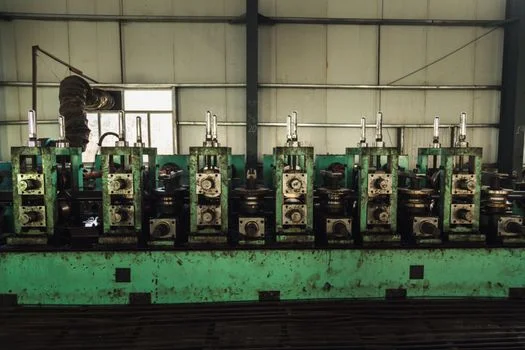
The Capital Expenditure (CAPEX) for a wastewater treatment plant in Chiang Mai varies significantly by technology, with a 10 m³/day packaged plant starting around THB 1.5 million and a 1000 m³/day MBR system exceeding THB 40 million. This variation is driven by factors such as treatment efficiency, footprint requirements, and the complexity of equipment and civil works. Industrial procurement managers must carefully weigh these upfront costs against long-term benefits and compliance needs.
Membrane Bioreactor (MBR) systems offer a compact footprint and produce high-quality effluent suitable for direct reuse, often meeting Chiang Mai's stringent discharge limits without additional tertiary treatment. However, MBR systems typically have the highest CAPEX due to specialized membrane modules and sophisticated control systems. For a 100 m³/day MBR system, CAPEX can range from THB 8 million to THB 12 million. A general breakdown for MBR CAPEX shows equipment accounting for approximately 60%, civil works 20%, and installation 20%. For larger systems, a 10,000 GPD (~37.85 m³/day) MBR plant, when considering total project costs including site improvements, can approach $1 million (approx. THB 35 million), as noted in online discussions (per Top 5 Reddit). HydropureWater offers advanced MBR systems for high-quality effluent in Chiang Mai, designed for efficiency and compliance.
Sequencing Batch Reactor (SBR) systems provide flexibility for variable influent loads, making them suitable for industries with fluctuating production or seasonal operations, common in Chiang Mai's tourism sector. SBRs generally have a lower CAPEX than MBRs but require a larger footprint. A 100 m³/day SBR plant might have a CAPEX of THB 6 million to THB 9 million. Their batch operation allows for process adjustments, which can be beneficial for managing influent quality variations.
Dissolved Air Flotation (DAF) systems are primarily used for pre-treatment, particularly in industries with high levels of fats, oils, and grease (FOG), such as food processing plants and hotels. DAF units effectively remove suspended solids and FOG, reducing the load on downstream biological treatment. The CAPEX for a standalone 50 m³/day DAF system can range from THB 800,000 to THB 2 million. Integrating a DAF pre-treatment for high-FOG wastewater in Chiang Mai significantly improves overall system performance and reduces the size and cost of subsequent biological stages.
Conventional activated sludge systems, including extended aeration, represent the lowest CAPEX option. A 100 m³/day conventional plant might cost THB 5 million to THB 7 million. However, they typically require a larger footprint and may not consistently meet Chiang Mai's strict discharge limits without additional tertiary treatment, such as sand filtration or UV disinfection, which can add 15–25% to the overall CAPEX. This means the initial cost savings can be offset by compliance upgrades.
| Technology | 10 m³/day CAPEX (THB) | 100 m³/day CAPEX (THB) | 1000 m³/day CAPEX (THB) | Typical Footprint (Relative) | Effluent Quality (COD, BOD, TSS) | Compliance (TIS 2310-2553) |
|---|---|---|---|---|---|---|
| MBR | 2.5M - 4M | 8M - 12M | 40M - 60M | Smallest | Very High (<30, <5, <5 mg/L) | Excellent (often without tertiary) |
| SBR | 2M - 3.5M | 6M - 9M | 30M - 45M | Medium-Large | High (<60, <10, <10 mg/L) | Good (may need polishing) |
| DAF (Pre-treatment) | 0.8M - 1.5M (standalone) | 2M - 4M (standalone) | 8M - 15M (standalone) | Small-Medium | FOG/TSS Reduction (pre-treatment) | N/A (pre-treatment only) |
| Conventional Activated Sludge | 1.5M - 2.5M | 5M - 7M | 20M - 35M | Largest | Medium (<120, <20, <30 mg/L) | Basic (often needs tertiary for strict limits) |
OPEX by Technology: Electricity, Chemicals, Labor, and Maintenance
Operational Expenditure (OPEX) for wastewater treatment plants in Chiang Mai, encompassing electricity, chemicals, labor, and maintenance, typically ranges from THB 100,000 to THB 400,000 per month, influenced heavily by technology choice and capacity. While CAPEX is a one-time investment, OPEX represents the ongoing financial commitment that can significantly impact the total cost of ownership over the plant's operational life. Data from the Top 1 PDF indicates that electricity alone can cost up to THB 100,000 per month, with total treatment costs reaching THB 300,000-400,000 per month for larger diluted water plants.
MBR systems, despite their higher CAPEX, often present lower long-term OPEX due to several factors. They produce 20-30% less sludge compared to conventional systems, reducing sludge disposal costs (which can be THB 2,000-5,000 per ton). MBRs also eliminate the need for secondary clarifiers and often require less chemical dosing for solids separation. A case study of a Chiang Mai hotel demonstrated a 25% reduction in OPEX after upgrading from a conventional system to an MBR due to lower energy consumption (despite membrane aeration) and reduced chemical usage. For a 100 m³/day MBR system, monthly electricity costs in Chiang Mai typically range from THB 60,000-80,000, while chemical costs might be THB 20,000-30,000.
SBR systems offer a balance in OPEX. While their electricity consumption might be slightly lower than MBRs due to less intensive aeration or pumping requirements, they can incur higher labor costs if sludge wasting and process adjustments are performed manually. Chemical usage is generally moderate, primarily for pH adjustment or nutrient supplementation. For a 100 m³/day SBR, monthly electricity could be THB 50,000-70,000, with chemical costs around THB 15,000-25,000.
DAF systems, used for pre-treatment, contribute significantly to chemical OPEX. Coagulants and flocculants are essential for effective FOG and TSS removal. For a 50 m³/day DAF system treating food processing wastewater in Chiang Mai, chemical costs can reach THB 50,000 per month, in addition to electricity for pumps and air compressors. HydropureWater provides automated chemical dosing for Chiang Mai’s variable influent loads to optimize chemical usage and reduce labor.
Conventional activated sludge systems often have the highest overall OPEX. This is primarily due to higher sludge production, leading to increased sludge dewatering (potentially requiring plate and frame filter presses) and disposal costs. They also tend to have higher electricity consumption for aeration and pumping, and often require more frequent maintenance for components like clarifier mechanisms. For a 100 m³/day conventional plant, monthly electricity might be THB 70,000-90,000, with sludge disposal and maintenance adding substantial recurring expenses.
| Technology | 10 m³/day OPEX (THB/month) | 100 m³/day OPEX (THB/month) | 1000 m³/day OPEX (THB/month) | Electricity (THB/month) | Chemicals (THB/month) | Labor (THB/month) | Maintenance (THB/month) |
|---|---|---|---|---|---|---|---|
| MBR | 35,000 - 55,000 | 120,000 - 180,000 | 280,000 - 380,000 | 40-50% | 15-20% | 10-15% | 15-20% |
| SBR | 30,000 - 50,000 | 100,000 - 160,000 | 250,000 - 350,000 | 35-45% | 10-15% | 20-25% | 10-15% |
| DAF (Pre-treatment) | 15,000 - 30,000 | 40,000 - 70,000 | 120,000 - 200,000 | 20-30% | 50-60% | 10-15% | 5-10% |
| Conventional Activated Sludge | 40,000 - 60,000 | 150,000 - 250,000 | 350,000 - 450,000 | 45-55% | 15-20% | 15-20% | 10-15% |
Note: Percentages for OPEX components are relative to the total monthly OPEX for each technology.
Compliance Costs: Meeting Chiang Mai’s Discharge Limits
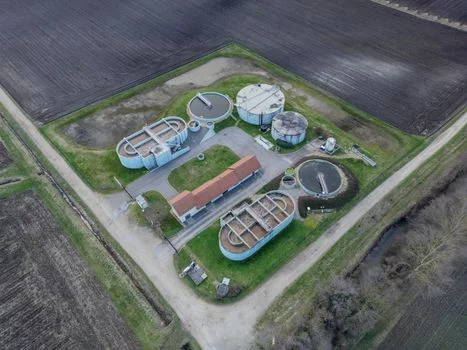
Meeting Chiang Mai’s stringent wastewater discharge limits, such as COD <120 mg/L and BOD <20 mg/L, often necessitates additional compliance-specific investments, potentially increasing CAPEX by 15–25% for tertiary treatment. These limits, outlined in TIS 2310-2553 and local Chiang Mai Municipality standards, are critical for protecting the region's natural environment and public health. Key parameters for industrial and municipal discharge include TSS <30 mg/L, ammonia <10 mg/L, and fecal coliform <1,000 MPN/100mL.
Tertiary treatment processes are frequently required to achieve these high-quality discharge standards, especially for conventional biological systems. Common tertiary treatments include sand filtration for fine suspended solids removal and UV disinfection for pathogen inactivation. The addition of such systems can increase the overall CAPEX by 15–25%. For example, a 100 m³/day sand filter combined with a UV disinfection system can add approximately THB 500,000 to the CAPEX. These costs are often non-negotiable for compliance, particularly if the treated water is to be discharged into sensitive waterways or considered for reuse.
Disinfection costs are a significant OPEX component. Chlorine dioxide is a common disinfectant, with monthly chemical costs averaging THB 30,000 for a 100 m³/day plant. Ozone, while having a higher initial CAPEX for the generator, offers superior pathogen removal (up to 99.9% kill rate for bacteria and viruses) and leaves no harmful residuals, making it a preferred choice for water reuse applications. Monthly OPEX for ozone generation for a 100 m³/day plant can be around THB 50,000, primarily for electricity. HydropureWater offers chlorine dioxide generators and advanced disinfection solutions, including those suitable for medical wastewater treatment where pathogen removal is paramount.
MBR systems often inherently meet these stringent limits for BOD, TSS, and even some nutrient parameters without the need for extensive tertiary treatment, thereby reducing additional compliance CAPEX. In contrast, conventional activated sludge systems almost always require additional polishing steps like activated carbon filtration or advanced oxidation processes to meet the lowest discharge limits, adding both CAPEX and ongoing OPEX for media replacement and energy.
| Scenario | Influent Strength (BOD/COD) | Discharge Limits (Chiang Mai) | Typical Compliance Add-ons | Estimated Additional CAPEX (THB) | Estimated Additional OPEX (THB/month) |
|---|---|---|---|---|---|
| Residential/Low Strength | Medium (200/400 mg/L) | BOD <20, TSS <30, Fecal <1000 | UV Disinfection / Sand Filter | 300,000 - 600,000 | 10,000 - 25,000 |
| Hotel/Medium Strength | High (300/600 mg/L) | BOD <20, TSS <30, Ammonia <10, Fecal <1000 | Sand Filter + UV / MBR upgrade | 500,000 - 1,500,000 | 20,000 - 40,000 |
| Food Processing/High Strength | Very High (500+/1000+ mg/L) | BOD <20, TSS <30, COD <120, Fecal <1000 | DAF (pre-treatment) + MBR / Advanced Oxidation + UV | 1,000,000 - 3,000,000 | 50,000 - 100,000 |
Note: Costs are indicative for a 50-100 m³/day plant and are added to the primary treatment CAPEX/OPEX.
How to Select the Right System for Your Chiang Mai Project
Selecting the optimal wastewater treatment system for a Chiang Mai project hinges on five critical factors: influent quality, specific discharge limits, budget constraints (CAPEX vs. OPEX), available footprint, and labor availability. A methodical approach ensures the chosen technology is both effective and economically viable for local conditions.
Key Decision Factors:
- Influent Quality: Characterization of raw wastewater (BOD, COD, TSS, FOG, pH, heavy metals) is paramount. High-strength or highly variable influent (e.g., from food processing or seasonal tourism) requires robust and flexible systems.
- Discharge Limits: Strict compliance with TIS 2310-2553 and any local Chiang Mai Municipality standards dictates the required effluent quality and often necessitates advanced treatment.
- Budget (CAPEX vs. OPEX): Evaluate the total cost of ownership over 5-10 years, not just the upfront investment. A higher CAPEX system like MBR might offer lower OPEX and better ROI in the long run.
- Footprint: Land availability and cost in Chiang Mai (especially urban areas) can favor compact technologies.
- Labor Availability & Skill: The complexity of operation and maintenance should match the local labor pool's capabilities. Automated systems can reduce reliance on highly skilled operators.
Use Cases for Different Technologies:
- MBR: Ideal for urban hotels, resorts, or industrial facilities in Chiang Mai requiring high-quality effluent for discharge or reuse, especially where space is limited. Its consistent performance handles varying loads well.
- SBR: Best suited for applications with highly variable influent loads or intermittent operations, such as seasonal tourism facilities or certain industrial processes. It offers operational flexibility.
- DAF (as pre-treatment): Essential for industries generating high-FOG wastewater (e.g., food processing, slaughterhouses, large kitchens) to protect downstream biological processes.
- Conventional Activated Sludge: A cost-effective option for projects with ample land, less stringent discharge limits, or where tertiary treatment can be added later.
Step-by-Step Selection Guide:
- Test Influent Quality: Conduct comprehensive lab analyses to understand the raw wastewater characteristics.
- Check Discharge Limits: Confirm all relevant TIS and local Chiang Mai regulatory requirements.
- Estimate Budget: Calculate both initial CAPEX and projected 10-year OPEX for various technologies.
- Assess Footprint: Determine available land and its cost implications.
- Select Technology: Use the comparison matrix below to match your project's specific needs with the most suitable technology.
For complex industrial projects, particularly those with unique wastewater compositions (e.g., food processing, textiles), pilot testing is highly recommended. A 3-month pilot test, costing around THB 200,000, can validate technology performance, optimize process parameters, and prevent costly full-scale errors. This is a critical investment for mitigating risk.
| Factor | MBR | SBR | DAF + Conventional | Conventional Activated Sludge |
|---|---|---|---|---|
| Influent Quality (High BOD/COD/TSS) | Excellent (5) | Very Good (4) | Good (3) | Moderate (2) |
| Discharge Limits (Strict) | Excellent (5) | Good (3) | Moderate (2) | Basic (1) |
| Budget (CAPEX) | High (1) | Medium-High (2) | Medium (3) | Low (5) |
| Budget (OPEX) | Low (5) | Medium (3) | Medium-High (2) | High (1) |
| Footprint | Very Small (5) | Medium-Large (3) | Medium-Large (3) | Very Large (1) |
| Labor Availability | Medium Skill (4) | Medium Skill (3) | Low-Medium Skill (4) | Low Skill (5) |
(Scoring: 1=Poor/High Cost, 5=Excellent/Low Cost)
Budgeting Checklist: 7 Steps to Accurate Cost Estimation

Accurate cost estimation for a wastewater treatment plant in Chiang Mai requires a systematic, seven-step approach that accounts for local conditions, regulatory requirements, and technology-specific expenses. This checklist helps industrial buyers and municipal planners create a robust financial plan.
- Step 1: Define Influent Quality via Lab Testing. Before any design, thoroughly characterize your raw wastewater. Parameters like BOD, COD, TSS, FOG, pH, and heavy metals dictate the treatment complexity. For instance, hotels in Chiang Mai typically have influent BOD of 250-350 mg/L, while food processing can exceed 500 mg/L BOD and high FOG.
- Step 2: Determine Discharge Limits. Identify all applicable regulations, including TIS 2310-2553 and any stricter Chiang Mai Municipality standards. Be aware that sensitive areas, such as those near the Mae Kha River, may have enhanced requirements for ammonia or nutrient removal.
- Step 3: Select Technology. Based on your influent quality, discharge limits, footprint, and budget, choose the most suitable technology (MBR, SBR, DAF, Conventional). Refer to the comparison matrix in the previous section.
- Step 4: Estimate CAPEX. Use the technology-specific CAPEX tables provided earlier to estimate equipment, civil works, and installation costs. Always add a contingency of 10–20% for unforeseen issues and 5–10% for permitting fees, land acquisition, and engineering design.
- Step 5: Estimate OPEX. Utilize the OPEX table, adjusting for Chiang Mai’s specific electricity rates (THB 4.5/kWh) and local labor costs (THB 15,000–25,000/month for an operator). Consider chemical consumption based on influent strength and chosen technology.
- Step 6: Add Compliance Costs. Factor in any necessary tertiary treatment (e.g., sand filtration, UV disinfection) or advanced disinfection methods required to meet stringent local limits. Refer to the compliance costs section for typical additions.
- Step 7: Calculate 10-Year Total Cost and ROI. Sum CAPEX and 10 years of estimated OPEX to get a holistic view. Evaluate the Return on Investment (ROI) using a simple formula:
ROI = (Annual savings from avoided penalties + water reuse value) / (CAPEX + Annual OPEX). This helps justify higher upfront investments for more efficient systems.
| Chiang Mai Industry | Typical Influent BOD (mg/L) | Typical Influent COD (mg/L) | Typical Influent TSS (mg/L) | Typical Influent FOG (mg/L) |
|---|---|---|---|---|
| Hotels/Resorts | 250 - 350 | 500 - 700 | 200 - 300 | 50 - 100 |
| Food Processing | 500 - 1500 | 1000 - 3000 | 300 - 800 | 100 - 500 |
| Textile Dyeing | 300 - 600 | 600 - 1200 | 150 - 400 | Low (<20) |
Negotiating with Suppliers: 5 Tips for Chiang Mai Buyers
Effective negotiation with wastewater treatment plant suppliers in Chiang Mai can significantly reduce project costs, with strategies ranging from securing multiple quotes to requesting turnkey pricing. The local market for environmental solutions in Thailand is competitive, offering opportunities for astute buyers to optimize their investments.
- Tip 1: Get Quotes from at Least 3 Qualified Suppliers. Solicit detailed proposals from multiple reputable providers. In Chiang Mai, this might include local companies like Chiang Mai Green Tech, specialized engineering firms, and international suppliers with local presence. Comparing offers from diverse suppliers ensures competitive pricing and a broader understanding of available technologies and services.
- Tip 2: Ask for References from Similar Chiang Mai Projects. Request to visit operational plants that the supplier has installed for similar industries or capacities in the Chiang Mai region. For example, ask, 'Show me a 50 m³/day MBR system you installed for a hotel in Chiang Mai.' This provides invaluable insight into real-world performance, reliability, and local support quality.
- Tip 3: Negotiate Turnkey Pricing. Aim for a comprehensive contract that includes equipment supply, installation, commissioning, and initial operator training. This approach helps avoid hidden costs and ensures the supplier takes full responsibility for project delivery. A typical cost breakdown for a THB 5 million, 50 m³/day MBR system might be 60% for equipment, 20% for civil works, and 20% for installation and commissioning.
- Tip 4: Request a Pilot Test for Industrial Projects. For complex industrial effluents (e.g., food processing, pharmaceuticals), demand a pilot study. As mentioned earlier, a 3-month pilot costing around THB 200,000 can de-risk the entire project by validating the technology's effectiveness and optimizing design parameters before full-scale investment.
- Tip 5: Inquire About Financing Options and Government Subsidies. Explore if the supplier offers flexible payment terms, leasing options, or can assist with applications for government incentives. Thailand’s Board of Investment (BOI) frequently offers tax incentives and non-tax privileges for environmental projects, including wastewater treatment, which can significantly improve project economics.
| Supplier Type | Strengths | Considerations |
|---|---|---|
| Local Thai Company | Strong local network, understanding of regulations, potentially faster response | May have limited technology range, less experience with complex industrial projects |
| International Supplier (with local branch/partner) | Advanced technology, global expertise, strong R&D | Potentially higher costs, slower local support without strong partner |
| Turnkey Engineering Firm | Single point of contact, comprehensive project management | May have higher overheads, limited to specific preferred technologies |
Frequently Asked Questions
The average CAPEX for a 100 m³/day wastewater treatment plant in Chiang Mai ranges from THB 5 million for a conventional system to THB 8 million for an MBR system, with monthly OPEX typically between THB 150,000 and THB 250,000. These figures are influenced by technology choice, influent characteristics, and specific discharge requirements (Source: Aggregated data from Top 5 Reddit and Top 1 PDF, and HydropureWater field data).
Q: What is the average cost of a 100 m³/day wastewater treatment plant in Chiang Mai?
A: The CAPEX for a 100 m³/day wastewater treatment plant in Chiang Mai typically ranges from THB 5 million for a conventional activated sludge system to THB 8 million for an MBR system. Monthly OPEX for such a plant is estimated between THB 150,000 and THB 250,000, primarily depending on electricity consumption (THB 4.5/kWh) and chemical costs.
Q: How much does it cost to treat high-FOG wastewater (e.g., from a hotel kitchen)?
A: Treating high-FOG wastewater often requires a Dissolved Air Flotation (DAF) system as pre-treatment. A 50 m³/day DAF system in Chiang Mai costs approximately THB 2 million–THB 3 million (CAPEX), with monthly OPEX of THB 80,000–THB 120,000, largely for chemicals (coagulants, flocculants) and electricity. Adding an MBR system for subsequent biological treatment increases CAPEX to THB 5 million–THB 7 million but can reduce overall long-term OPEX by 20–30% due to higher efficiency and lower sludge production.
Q: What are the electricity costs for a wastewater treatment plant in Chiang Mai?
A: Electricity costs in Chiang Mai average THB 4.5/kWh for industrial users. For a 100 m³/day MBR system, monthly electricity costs typically range from THB 60,000–THB 80,000, accounting for 40–50% of the total OPEX. Conventional systems often consume 10–20% more electricity due to higher aeration demands and more intensive sludge handling processes.
Q: Can I reuse treated wastewater in Chiang Mai?
A: Yes, treated wastewater can be reused in Chiang Mai, but it must strictly meet Thai Industrial Standards (TIS 2310-2553) for non-potable applications such as irrigation, industrial cooling towers, or toilet flushing. MBR systems inherently produce effluent of sufficient quality for many reuse applications without extensive additional treatment. Conventional systems, however, may require tertiary treatment like sand filtration or UV disinfection, which could add THB 500,000–THB 1 million to the CAPEX, to meet reuse standards.
Q: How long does it take to build a wastewater treatment plant in Chiang Mai?
A: The construction timeline for a wastewater treatment plant in Chiang Mai varies by scale and complexity. A 100 m³/day packaged plant (e.g., a compact MBR system) can typically be installed and commissioned within 3–6 months. Larger, custom-designed plants, such as MBR or SBR systems with capacities up to 1000 m³/day, usually require 12–18 months. This timeline includes 2–4 months for local permitting processes, civil works construction, equipment procurement, installation, and final commissioning.