Why Arizona’s Climate and Regulations Demand Custom Sewage Treatment Equipment
Arizona’s ambient temperatures frequently reach 110–120°F during summer months, reducing biosolids drying efficiency by 15–20% compared to national averages, according to field data from RDP Technologies’ Phoenix-area municipal installations. In the desert Southwest, standard off-the-shelf sewage treatment equipment often fails because it is engineered for temperate climates where biological activity and mechanical cooling follow predictable seasonal curves. In Arizona, the extreme thermal load accelerates biological kinetics in secondary treatment while simultaneously stressing mechanical components, such as blowers and pumps, leading to premature equipment fatigue and compliance volatility.
Regulatory oversight in the Grand Canyon State is equally demanding. The Arizona Department of Environmental Quality (ADEQ) enforces discharge limits of Biological Oxygen Demand (BOD) ≤ 30 mg/L and Total Suspended Solids (TSS) ≤ 30 mg/L. While these mirror federal secondary standards, ADEQ often applies stricter "Class A+" reclaimed water standards for facilities aiming for groundwater recharge or irrigation reuse, necessitating advanced tertiary systems like MBR systems for near-reuse-quality effluent in water-scarce Arizona municipalities. EPA Region 9 oversight ensures that any industrial discharge into the Salt River or Gila River watersheds meets stringent toxicity and nutrient levels, leaving zero margin for equipment underperformance.
Water scarcity in Maricopa County, exacerbated by 2023 drought restrictions, has shifted procurement focus from simple disposal to sophisticated water reuse. Many industrial facilities are now mandated to implement Zero Liquid Discharge (ZLD) or high-recovery systems to minimize freshwater intake. This environment presents a unique chemical challenge: Arizona’s source water is notoriously hard, often containing 200–400 mg/L of CaCO₃. This high mineral content, combined with extreme heat, accelerates corrosion in cooling water systems. ProChemTech research indicates pitting rates in Phoenix-based industrial cooling towers are 2x higher than those in the Midwest, requiring specialized metallurgy and chemical dosing platforms to protect multi-million dollar infrastructure.
The need for custom sewage treatment equipment in Arizona is underscored by these extreme conditions, which demand more than standard solutions.Supplier Comparison: Top 5 Sewage Treatment Equipment Providers in Arizona (2026 Specs)
Technical specifications for Arizona’s top sewage treatment equipment suppliers vary significantly across flow rate capacities, with CAPEX ranges spanning $80,000 to over $2.5 million depending on the degree of automation and effluent quality required. The following matrix compares leading providers serving the Phoenix and Tucson corridors, focusing on their ability to meet EPA Region 9 and ADEQ compliance standards while operating under extreme thermal stress.
| Supplier | Core Technologies | Flow Rate Range | Compliance | CAPEX Range | Ideal Use Case |
|---|---|---|---|---|---|
| RDP Technologies | Biosolids drying, lime feed, SCADA integration | 10–500 m³/h | EPA Region 9, ADEQ | $500K–$2.5M | Municipal sludge management & stabilization |
| ProChemTech | Cooling water treatment, corrosion inhibitors | 5–200 m³/h | ADEQ Reclaimed Water | $50K–$300K | Industrial cooling loops & heat-stressed facilities |
| Spectrum Water Technology | Mobile dewatering, rental belt presses | Variable (Rental) | Temporary DEQ Permits | $1,500/day (Rental) | Lagoon cleaning & emergency sludge removal |
| MAC Water Tech | System integration, O&M services | 1–100 m³/h | ADEQ / EPA | $100K–$1M | Maintenance-heavy industrial retrofits |
| HydropureWater | DAF, MBR, Ozone Disinfection | 4–300 m³/h | ADEQ Class A+, EPA | $80K–$1.8M | Food processing & hospital wastewater |
ProChemTech’s proprietary cooling water treatment programs are particularly critical for Arizona’s climate, engineered to achieve up to 40% water savings by increasing cycles of concentration in cooling towers without risking scale-induced failure. For municipal managers, RDP Technologies offers a 45-year track record in Maricopa County, specifically specializing in biosolids storage and precision truck loading systems that automate flow from dewatering to disposal. Meanwhile, Spectrum Water Technology serves a vital niche for facilities facing sudden capacity issues or planned maintenance, providing rental dewatering equipment deployable for lagoon solids or grit removal without long-term capital commitment. Companies like MAC Water Tech provide excellent installation and maintenance services, acting as integrators rather than original equipment manufacturers (OEMs), which can impact lead times for custom-engineered components.
Engineering Specs Decoded: How to Match Equipment to Your Arizona Facility’s Needs
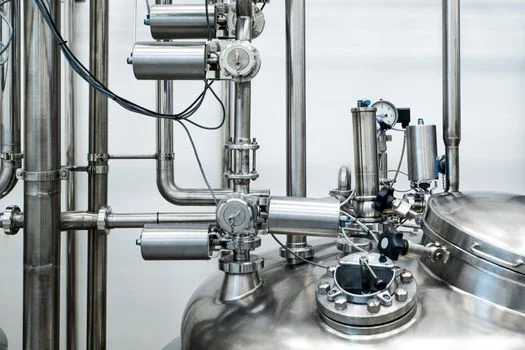
Tertiary treatment via Membrane Bioreactor (MBR) systems achieves Total Suspended Solids (TSS) levels below 1 mg/L, making it the primary technology for meeting Arizona’s reclaimed water reuse standards. For municipal engineers in Phoenix or Scottsdale, the choice between MBR and traditional methods often comes down to energy-to-effluent ratios. MBR systems provide superior water quality suitable for aquifer recharge but require an energy footprint of 0.8–1.2 kWh/m³. In contrast, DAF systems for high-efficiency FOG removal in food processing plants utilize only 0.3–0.5 kWh/m³ but produce a lower-grade effluent (TSS 5–10 mg/L), typically sufficient for pre-treatment before sewer discharge but not for high-end reuse.
For industrial food processing facilities handling dairy or meat products in the West Valley, Dissolved Air Flotation (DAF) remains the gold standard for removing fats, oils, and grease (FOG). Engineering specs for these systems must account for a 92–97% TSS removal rate, but operational success in Arizona requires precise pH adjustment (6.5–8.5) and maintenance of 10–15 psi air pressure to generate micro-bubbles necessary for flotation. Without these specific parameters, high ambient temperature can cause "grease caps" to break down prematurely, leading to compliance failures at municipal tie-in.
In healthcare environments, engineering focus shifts to pathogen destruction. Ozone disinfection systems for hospital wastewater in Arizona are increasingly preferred over traditional chlorination, providing a 99%+ kill rate for antibiotic-resistant bacteria and pharmaceutical residues, a growing concern for ADEQ. These systems require 0.5–1.0 kWh/m³ and must be paired with multi-stage filtration to handle high organic loads typical of medical facilities. For a detailed breakdown, see the Phoenix hospital wastewater treatment specs and EPA compliance guide.
Industrial facilities operating cooling loops must address Arizona’s high Langelier Saturation Index (LSI), indicating high scaling potential that can reduce Reverse Osmosis (RO) membrane efficiency by 25% if not properly managed.Arizona-Specific Cost Breakdown: CAPEX, OPEX, and Hidden Expenses
Operational expenditures for sewage treatment in Arizona are 10–15% higher than the national average due to extreme heat-induced energy demands and specialized chemical treatment for high-hardness source water. When budgeting for a new build or retrofit, procurement teams must look beyond initial purchase price to account for the "heat tax" associated with desert operations. For instance, a biosolids drying system with a CAPEX of $300,000 can see increased trucking and disposal costs by 15% if not properly insulated or sized for peak summer loads.
| System Type | CAPEX Range | Key Cost Drivers |
|---|---|---|
| DAF (Dissolved Air Flotation) | $80K – $500K | Chemical coagulants, polymer consumption |
| MBR (Membrane Bioreactor) | $1M – $2.5M | Membrane replacement (every 5–7 years), energy |
| Biosolids Drying | $300K – $1.2M | Natural gas/electricity, trucking fees ($50–$80/ton) |
| Chemical Dosing Systems | $20K – $100K | Specialized corrosion inhibitors for high LSI water |
Hidden expenses in the Arizona market often stem from the complex permitting landscape. Obtaining ADEQ or EPA Region 9 discharge permits can cost $10,000 to $50,000 in engineering and legal fees. SCADA integration is a requirement for detailed reporting mandated by ADEQ, adding $20,000 to $100,000 to the total project cost. For MBR systems, the largest long-term "hidden" cost is membrane replacement, ranging from $50,000 to $200,000 every five to seven years.
Facilities should use a localized ROI formula: Payback (years) = (CAPEX + Annual OPEX) / (Annual Savings from Water Reuse + Disposal Fee Reduction).Decision Framework: Which Sewage Treatment System Fits Your Arizona Facility?
Selecting the correct sewage treatment architecture in Arizona requires a multi-variable analysis of effluent requirements, available footprint, and long-term water scarcity risks. A facility’s flow rate and intended use of treated water are primary deciders. For example, if a facility generates more than 50 m³/h and requires Class A+ effluent for irrigation, an MBR system is the only viable choice. Conversely, a food processor focused on avoiding municipal surcharges for FOG and TSS will find a DAF system more cost-effective.
- Flow Rate ≤ 50 m³/h & Budget < $500K: Choose a DAF system with chemical pre-treatment for optimal FOG and TSS removal.
- Flow Rate > 50 m³/h & Water Reuse Goal: Invest in an Integrated MBR plant.
- High Pathogen Risk (Hospitals/Labs): Implement an Ozone-based disinfection system.
- Temporary/Seasonal Overload: Utilize rental dewatering units.
For data centers and hyperscale facilities in Mesa and Chandler tech corridors, the decision framework leans toward Zero Liquid Discharge (ZLD) or high-efficiency cooling water treatment. These facilities must prioritize systems handling 110°F+ ambient temperatures while maintaining a 95% water reuse rate to meet local sustainability mandates.
Frequently Asked Questions
Q: What are Arizona DEQ’s discharge limits for industrial wastewater?
A: Arizona DEQ enforces BOD ≤ 30 mg/L and TSS ≤ 30 mg/L for most facilities. For reclaimed water reuse, Class A+ standards are stricter.
Q: How much does a biosolids drying system cost in Phoenix?
A: CAPEX ranges from $300,000 to $1.2 million. OPEX is significantly influenced by Arizona’s energy rates and trucking fees for disposal.
Q: Can I rent sewage treatment equipment for a temporary project in Arizona?
A: Yes, companies like Spectrum Water Technology offer rental dewatering equipment.
Q: What’s the best sewage treatment system for a food processing plant in Arizona?
A: DAF systems are ideal due to their 92–97% TSS and FOG removal rates.
Q: How does