Why Almaty’s Industrial Loads Need Site-Specific Treatment
Industrial wastewater treatment in Almaty must meet Kazakhstan Order No. 168 targets of COD below 150 mg/L, BOD below 20 mg/L, and total nitrogen below 15 mg/L, with enforcement pressure through 2026. Alkaline supply water at pH 7.8–8.2 plus sludge fees of ₸2,000–₸5,000/ton usually decide among DAF, MBR, and electrocoagulation.
A 2024 MDPI pilot study on filtrate from Almaty water-treatment sludge dewatering reported average COD of 311 mg/L and BOD of 336 mg/L. Industrial peaks on food and textile lines we size in similar Central Asian cities often run higher during shift changes. Local alkalinity drives RO scaling and electrode passivation unless acid dosing or anode selection is designed in from day one.
Kazakhstan Order No. 168 lists 22 parameters and sets total nitrogen below 15 mg/L, tighter than the 20 mg/L Russia SanPiN figure often used in regional comparisons. Many plants therefore need tertiary polishing such as MBR or dedicated nutrient removal. A 2023 audit of Almaty industrial zones found 40% of plants outside COD limits, with about ₸8 million in fines per plant noted in the Akim’s 2025 report. According to an ADB Initial Environmental Examination for Kazakhstan urban wastewater projects (2020), national practice often sets maximum permissible discharges case by case. That does not relax Order No. 168 design numbers; it means the environmental permit and lab schedule still define the enforceable envelope.
Kazakhstan’s Wastewater Discharge Standards: Order No. 168 vs. EU/US Limits
Kazakhstan Order No. 168 remains the planning benchmark most Almaty industrial operators use for COD, BOD, nutrients, and arsenic when scoping pretreatment and tertiary stages. The order includes COD <150 mg/L, BOD <20 mg/L, total nitrogen <15 mg/L, and total phosphorus <2 mg/L, with enforcement deadlines rolling through 2026 for existing plants. EU Urban Waste Water Directive 91/271/EEC and US EPA NPDES permits vary by plant class and receiving water, so Kazakhstan’s total nitrogen ceiling is often the binding constraint for biological design.
First-time violations under 2024 Environmental Code amendments can draw fines of ₸5 million to ₸10 million, and repeat offenses can trigger shutdown risk. Monthly self-reporting plus quarterly third-party audits by accredited labs such as Kazhydromet in Almaty are the usual compliance rhythm. Most plants we size for Almaty food and metal lines therefore budget laboratory capacity before they budget membrane area.
| Parameter | Kazakhstan Order No. 168 (mg/L) | EU Urban Wastewater Directive (Typical mg/L) | US EPA NPDES (Typical mg/L) | Enforcement Deadline (Kazakhstan) |
|---|---|---|---|---|
| COD | <150 | (Varies by plant size/type, often higher for industrial) | (Varies, can be 100-150 for some industries) | 2026 |
| BOD | <20 | (Varies, often 25-50 for secondary treatment) | (Varies, often 20-30 for secondary treatment) | 2026 |
| Total Nitrogen (N) | <15 | (Varies, often 10-20 for sensitive areas) | (Varies, often 10-20) | 2026 |
| Total Phosphorus (P) | <2 | (Varies, often 1-2 for sensitive areas) | (Varies, often 1-2) | 2026 |
| Arsenic (As) | <0.05 | (Often less stringent or not specified for industrial) | (Varies, can be 0.05-0.1) | 2026 |
Engineering Specs for Industrial Wastewater Treatment in Almaty
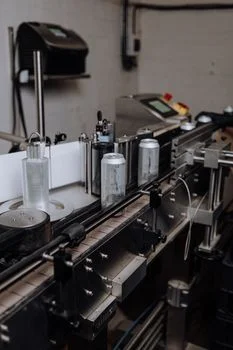
MBR, DAF, and electrocoagulation cover most Almaty industrial duty cycles when matched to contaminant class, flow, and alkaline pH control. Membrane bioreactor trains typically hold COD ≤50 mg/L, BOD ≤10 mg/L, and TSS ≤5 mg/L with about 99.99% pathogen removal on well-operated municipal-industrial hybrids. Footprint is roughly 60% smaller than conventional activated sludge plus clarifiers, which matters in constrained industrial parks. Energy is higher at 0.8–1.2 kWh/m³ versus 0.4–0.6 kWh/m³ for CAS. At about 850 m elevation, oxygen transfer drops, so aeration blowers are often sized toward the upper end of that MBR band.
CAPEX for a 200 m³/h MBR train typically sits at ₸250 million to ₸300 million, with membrane modules near 40% of equipment cost. Dissolved air flotation is the usual headworks choice for FOG-heavy food plants: 92–97% TSS, 60–80% FOG, and 50–70% COD reduction at 4–300 m³/h. A 50 m³/h DAF is common on Almaty dairy and meat lines. Coagulant doses of 10–30 mg/L PAC plus 0.5–1 mg/L polymer work only when pH is pulled out of the native 7.8–8.2 band. Plants that skip acid control lose float quality within weeks. CAPEX for that 50 m³/h DAF is ₸50 million to ₸120 million, with OPEX about ₸15–₸30/m³ when sludge haulage is ₸2,000–₸5,000/ton.
Electrocoagulation remains the practical choice for arsenic and chromium peaks, with 95–99% heavy-metal removal and COD/TSS cuts of 60–80% and 80–90% at 0.5–1.5 kWh/m³. Keep pH between 6.5 and 8.5 or aluminum electrodes passivate in the alkaline matrix. Iron electrodes and HCl trim are the usual field fix. OPEX runs ₸30–₸80/m³, including ₸5–₸15/m³ for electrode wear, while CAPEX for 100 m³/h is about ₸80 million to ₸150 million. Pairing DAF or EC with an Underground Package Sewage Treatment Plant (WSZ Series) is a frequent layout when sewer discharge after biological polishing is the permit path.
| Technology | Key Performance Indicator | Typical Removal Rate | Flow Rate Range (m³/h) | Estimated CAPEX (₸) | Estimated OPEX (₸/m³) | Almaty-Specific Considerations |
|---|---|---|---|---|---|---|
| MBR Systems | COD, BOD, TSS, Pathogens | COD ≤50, BOD ≤10, TSS ≤5, 99.99% Pathogen Removal | 20 - 500+ | 250M - 300M (200 m³/h) | 50 - 100 | Altitude affects aeration; compact footprint ideal; requires advanced tertiary treatment for Order No. 168. MBR systems for COD/BOD removal in Almaty’s industrial plants. |
| DAF Systems | TSS, FOG, COD | TSS 92-97%, FOG 60-80%, COD 50-70% | 4 - 300 | 50M - 120M (50 m³/h) | 15 - 30 | Effective for food processing; requires chemical dosing & pH adjustment for alkaline water. DAF units for TSS and FOG removal in Almaty’s food processing plants. |
| Electrocoagulation | Heavy Metals, COD, TSS | Heavy Metals 95-99%, COD 60-80%, TSS 80-90% | 10 - 200 | 80M - 150M (100 m³/h) | 30 - 80 | Sensitive to pH (6.5-8.5); Almaty’s alkaline water requires acid dosing; electrode passivation risk. electrocoagulation for arsenic and chromium removal in Almaty’s metalworking plants. |
Cost Breakdown: CAPEX, OPEX, and ROI for Almaty’s Wastewater Treatment Plants
Almaty industrial WWTP budgets split into equipment CAPEX, soft costs, and sludge-heavy OPEX that often dominates payback. A 50 m³/h DAF system ranges ₸50 million to ₸120 million. A 200 m³/h MBR plant ranges ₸250 million to ₸300 million. A 100 m³/h electrocoagulation train ranges ₸80 million to ₸150 million. Engineering and design add 10–15% of CAPEX, permits add ₸2 million to ₸5 million, and installation adds another 15–20% including civil and electrical works.
Energy OPEX spans about ₸10–₸40/m³, with MBR highest and DAF lowest on equal flow. Chemicals for coagulants, polymers, and pH trim typically cost ₸5–₸20/m³. That is why chemical dosing systems for pH adjustment in Almaty’s alkaline water belong in the base scope, not as a later change order. Hazardous sludge landfill fees of ₸2,000–₸5,000/ton and labor at ₸15–₸30/m³ decide whether a low bid stays low after year two.
One worked example used in local budgeting is a 100 m³/h DAF that avoids about ₸15 million per year in fines. Against ₸70 million CAPEX and ₸5 million annual OPEX, payback is about 4.7 years. Use ROI in years equals CAPEX plus annual OPEX, divided by annual compliance savings plus avoided fines. Kazakhstan Green Economy Fund grants can cover up to 50% for industrial WWTPs. EBRD-style loans at about 5–7% over 10 years appear in many project finance packages when the outlet guarantee is bankable.
| Cost Component | Range | Notes |
|---|---|---|
| CAPEX (Equipment) | ||
| DAF (50 m³/h) | ₸50M – ₸120M | |
| MBR (200 m³/h) | ₸250M – ₸300M | |
| Electrocoagulation (100 m³/h) | ₸80M – ₸150M | |
| Soft Costs | ||
| Engineering & Design | 10-15% of CAPEX | |
| Permits | ₸2M – ₸5M | Variable by project scope |
| Installation | 15-20% of CAPEX | Includes civil works, electrical |
| OPEX (per m³) | ||
| Energy | ₸10 – ₸40 | MBR highest, DAF lowest |
| Chemicals | ₸5 – ₸20 | Coagulants, polymers, pH adjusters |
| Sludge Disposal | ₸2,000 – ₸5,000/ton | Almaty landfill costs for hazardous sludge |
| Labor & Maintenance | ₸15 – ₸30 | Higher for manual systems |
| ROI Calculation Framework | ||
| Payback Period (Years) | (CAPEX + Annual OPEX) / (Annual Savings + Avoided Fines) | Example: DAF system saving ₸15M/year fines with ₸70M CAPEX & ₸5M OPEX = 4.7 years |
| Funding Options | ||
| Green Economy Fund | Up to 50% grants | For industrial WWTPs |
| EBRD Loans | 5-7% interest, 10-year terms |
How to Select the Right Wastewater Treatment System for Your Almaty Plant
Almaty plant selection starts with a measured effluent profile, not a catalog flowsheet. Record average and peak COD, BOD, TSS, FOG, and metals. If plant data are thin, treat the MDPI 2024 filtrate figures (COD 311 mg/L, BOD 336 mg/L) as a high organic baseline, not as your metal or FOG load. High COD/BOD food and textile streams usually need MBR or DAF plus biological polishing. High TSS/FOG dairy and meat streams favor DAF first. Metalworking and plating loads favor electrocoagulation or chemical precipitation before any biological stage.
Flow then sets machine class. Under 50 m³/h, DAF or EC packages often suffice. Between 50 and 200 m³/h, plants may mix DAF, EC, and compact MBR. Above 200 m³/h, MBR or scaled CAS with tertiary filters is the usual path. Check projected outlet quality against Order No. 168—COD <150 mg/L, BOD <20 mg/L, total N <15 mg/L—before locking CAPEX. Budget sludge at up to ₸5,000/ton, pH control for EC in alkaline supply water, and enough automation to keep monthly self-reporting honest.
| Decision Step | Action Required | Key Considerations for Almaty |
|---|---|---|
| 1. Define Effluent Profile | Identify key contaminants (COD, BOD, TSS, FOG, heavy metals) and their concentrations. | Reference MDPI study data (COD 311 mg/L, BOD 336 mg/L) as a high-baseline. |
| 2. Match to Technology | Select technology based on contaminant profile. | High COD/BOD: MBR or DAF+Bio. High TSS/FOG: DAF. Heavy Metals: Electrocoagulation. |
| 3. Size for Flow Rate | Determine system capacity (m³/h). | <50 m³/h: DAF/EC. 50-200 m³/h: DAF/EC/MBR. >200 m³/h: MBR. |
| 4. Check Compliance | Verify effluent quality against Order No. 168. | Ensure COD <150 mg/L, BOD <20 mg/L, Total N <15 mg/L. |
| 5. Budget Assessment | Compare CAPEX and OPEX. | Factor in sludge disposal (₸2k-5k/ton) and energy costs. |
| Common Mistakes to Avoid | Underestimating sludge costs, ignoring pH for EC, overlooking automation. |
Selection checklist for Almaty industrial buyers:
- Peak and average flow in m³/h, with at least one week of diurnal data
- COD, BOD, TSS, FOG, total N, total P, and metals against Order No. 168
- Supply-water pH and hardness for RO, EC, and coagulant windows
- Sludge class, haul distance, and ₸/ton disposal contract
- Available plot area versus MBR compactness need
- Power tariff and altitude correction for aeration blowers near 850 m
- Grant or loan eligibility under Green Economy Fund or EBRD-style terms
Troubleshooting Common Wastewater Treatment Problems in Almaty
High MBR effluent COD above 150 mg/L in Almaty plants usually traces to fouling from elevated TSS or to under-aeration at altitude. Raise aeration toward 1.2 kWh/m³ and clean membranes on a citric acid cycle at pH 2–3 about every three months. Operators who only increase blower speed without cleaning often see TMP climb again within one or two weeks.
RO scaling follows directly from pH 7.8–8.2 supply water. Antiscalant such as polyacrylic acid, or sulfuric acid trim to pH 6.5–7.0, slows calcium carbonate precipitation on membranes. Electrode passivation in electrocoagulation appears when pH exceeds 8.5 or chloride exceeds about 200 mg/L. Dose HCl to hold pH 6.5–7.5, or switch to iron electrodes, which tolerate Almaty’s alkalinity better than aluminum on most metal lines we commission.
Cold-season DAF sludge bulking below 10°C often needs 5–10 mg/L chlorine or hydrogen peroxide on the return sludge to knock back filaments. Plants that cut polymer dose to save OPEX in winter usually pay it back in float solids and sewer surcharges. Keep a spare polymer tote and a calibrated pH probe on site; both fail more often than the flotation tank itself.
Field commissioning in Almaty also exposes instrumentation gaps that desk studies miss. Continuous pH and turbidity at the DAF float well, plus COD composite sampling on the final outlet, catch most permit excursions before the quarterly audit. Plants that rely only on grab samples once a week usually discover Order No. 168 breaches after the fine letter arrives. For MBR trains, log transmembrane pressure daily and spare a clean-in-place chemical kit rated for citric acid at pH 2–3. For electrocoagulation, weigh electrodes monthly; a sudden drop in amp draw at fixed voltage is often passivation, not a “power saving.”
Cost drivers that repeatedly surprise Almaty buyers are sludge classification upgrades, winter polymer demand, and blower power at altitude. A flowsheet that looks cheap at ₸15/m³ chemicals can exceed ₸30/m³ once hazardous-sludge haulage and acid trim are booked at real city rates. If the payback only works at brochure COD, the design is not ready for a 2026 compliance audit.
Spare-parts lead times matter as much as removal rates. Membrane cassettes, titanium or iron electrode plates, and PAC totes can take weeks to clear customs into Almaty. Keep a minimum on-site stock equal to one cleaning cycle for membranes and one electrode set for the largest EC cell. Document vendor response times in the service agreement; a 48-hour parts commitment is more valuable than a slightly lower equipment bid when a COD excursion is already on the lab sheet.
When comparing bids, normalize each offer to the same inlet COD, the same outlet Order No. 168 table, and the same sludge disposal unit cost. A lower equipment price that omits acid dosing, polymer make-down, or membrane CIP skids is not a saving; it is deferred CAPEX.
Keep a simple compliance log: daily flow, weekly COD/BOD, monthly metals where the permit requires them, and every cleaning or electrode change. That log is what Kazhydromet auditors and internal HSE teams both ask for first. Plants that treat logging as optional paperwork lose negotiating leverage when a single grab sample exceeds COD 150 mg/L.
Who This Is For / Next Step
This guide is for plant engineers, EPC contractors, and procurement teams sizing pretreatment or tertiary upgrades for Almaty food, textile, metal, or municipal-industrial discharges under Order No. 168. Look elsewhere if you only need a domestic septic replacement with no industrial COD or metals. When you have flow, COD/BOD, and discharge permit limits ready, request a process quotation with those figures so equipment rating matches the 2026 enforcement window.
Frequently Asked Questions
What are the wastewater discharge limits for industrial plants in Almaty?
Kazakhstan Order No. 168 sets COD <150 mg/L, BOD <20 mg/L, total nitrogen <15 mg/L, and total phosphorus <2 mg/L among 22 parameters, with 2026 enforcement milestones for many existing plants. ADB project practice in Kazakhstan also shows plant-specific maximum permissible discharges in the environmental permit. Fines of ₸5–₸10 million and shutdown risk under 2024 Environmental Code amendments make monthly self-reporting and quarterly third-party audits part of normal OPEX.
How much does an industrial wastewater treatment plant cost in Almaty?
Equipment CAPEX typically runs from ₸50 million for a 50 m³/h DAF unit to about ₸300 million for a 200 m³/h MBR plant, with electrocoagulation at ₸80–₸150 million for 100 m³/h. Soft costs add roughly 10–15% engineering, ₸2–₸5 million permits, and 15–20% installation. OPEX commonly lands between ₸15 and ₸80/m³ once energy, chemicals, labor, and ₸2,000–₸5,000/ton sludge disposal are included.
MBR vs. DAF: which is better for food processing wastewater in Almaty?
DAF is usually better as the first stage for high TSS and FOG food wastewater, delivering 92–97% TSS and 60–80% FOG removal at ₸50–₸120 million CAPEX for 50 m³/h. MBR is better when the permit needs COD ≤50 mg/L and BOD ≤10 mg/L, at ₸250–₸300 million for a 200 m³/h train. Many Almaty food plants install DAF pretreatment and add biological or MBR polishing only if sewer or Order No. 168 nutrient limits require it.
Can electrocoagulation remove heavy metals from industrial wastewater in Almaty?
Electrocoagulation can remove 95–99% of heavy metals such as arsenic and chromium when pH stays inside about 6.5–8.5 and electrodes are maintained. Almaty’s native supply pH of 7.8–8.2 sits near the upper edge, so acid dosing or iron electrodes are required to limit passivation. Expect OPEX around ₸30–₸80/m³, including ₸5–₸15/m³ for electrode replacement, on a typical 100 m³/h metalworking duty.
What should buyers check before awarding an Almaty WWTP contract?
Buyers should require a written outlet guarantee against Order No. 168 parameters, a sludge handling cost model at local ₸/ton rates, and a pH-control scheme for alkaline supply water. Ask for aeration sizing that accounts for about 850 m elevation, spare membrane or electrode lead times, and sample OPEX at your tariff. Service response time inside Almaty and clear monthly sampling responsibility belong in the contract documents.