Evaporation crystallization removes >99% of cyanide from industrial wastewater by converting CN⁻ to HCN gas at pH 9.7 and temperatures >35°C, meeting China’s strict 0.5 mg/L discharge limit. Unlike alkaline chlorination, this method avoids chemical costs and pH sensitivity, while electrochemical crystallization recovers cyanide as Prussian Blue (PB) for reuse in coatings or inks. Key parameters include residence time (20–60 min), energy consumption (0.8–1.2 kWh/m³), and system scalability for flows up to 500 m³/h.
How Evaporation Crystallization Removes Cyanide: Mechanism and Process Parameters
Evaporation crystallization for cyanide removal fundamentally relies on converting dissolved cyanide ions (CN⁻) into volatile hydrogen cyanide gas (HCN), which is then safely extracted. This process is highly dependent on specific chemical and physical parameters to achieve over 99% removal efficiency. Cyanide converts to HCN gas at pH levels below 10.5, with optimal removal occurring at pH 9.7 (Khodadadi, 2005). Maintaining this precise pH is critical, often requiring automated pH adjustment systems for cyanide removal, typically through the controlled dosing of sulfuric acid.
Temperature significantly accelerates HCN gas evaporation. Operating temperatures above 35°C are essential for efficient volatilization, with higher temperatures yielding faster removal rates (Khodadadi, 2005). Heat sources can vary from readily available waste heat from industrial processes to dedicated steam or electric heaters, depending on facility resources and operational costs. a residence time of 20–60 minutes within the evaporation chamber is typically sufficient to achieve greater than 99% cyanide removal, as demonstrated in various studies (Khodadadi, 2005).
To enhance the efficiency of HCN gas evaporation and reduce the required operating temperature, vacuum systems are often integrated. Applying a vacuum of 28–50 mm Hg effectively lowers the boiling point of the wastewater, thus reducing energy consumption and accelerating the volatilization process (US2773752A). The collected HCN gas is then typically scrubbed using alkaline solutions (e.g., sodium hydroxide) to convert it back into a stable, non-toxic form or neutralized for safe disposal, completing the cyanide wastewater treatment process.
| Parameter | Optimal Range for Evaporation Crystallization | Impact on Removal Efficiency |
|---|---|---|
| pH | 9.7 (Khodadadi, 2005) | Below 10.5 converts CN⁻ to HCN; optimal at 9.7 for maximum volatilization. |
| Temperature | >35°C (Khodadadi, 2005) | Accelerates HCN gas evaporation rate; higher temps reduce treatment time. |
| Residence Time | 20–60 minutes (Khodadadi, 2005) | Achieves >99% cyanide removal; varies with influent concentration. |
| Vacuum Pressure | 28–50 mm Hg (US2773752A) | Reduces boiling point, lowering energy consumption and enhancing evaporation. |
Electrochemical Crystallization vs. Evaporation: Efficiency, Costs, and Compliance
Industrial facilities evaluating cyanide removal technologies often weigh the advantages of evaporation crystallization against electrochemical methods, particularly for their distinct approaches to efficiency, chemical consumption, and compliance with strict industrial cyanide discharge limits. Electrochemical crystallization offers a unique pathway for cyanide recovery as valuable Prussian Blue (PB) or Turnbull’s Blue (TB) pigments, requiring no chemical additions during the core treatment process (Martin, 2021). This method typically utilizes sacrificial iron or inert stainless steel electrodes, where dissolved iron reacts with ferrocyanide to form the insoluble blue pigments. This approach not only removes cyanide but also generates a marketable byproduct, with PB/TB having an estimated 80% market value recovery for use in coatings and inks.
Evaporation crystallization, while achieving greater than 99% cyanide removal, relies on precise pH and temperature control to convert cyanide to HCN gas. Both methods are highly effective in meeting stringent effluent standards; for instance, electrochemical systems can achieve effluent cyanide levels below China’s strict 0.5 mg/L discharge limit, similar to the performance of well-optimized evaporation systems. However, the operational cost structures differ significantly. Alkaline chlorination, a traditional method, incurs substantial chemical costs ranging from $0.50–$1.20/m³ due to the continuous need for hypochlorite and pH adjustment chemicals. In contrast, evaporation crystallization systems typically have lower chemical costs, estimated at $0.15–$0.40/m³, primarily for pH adjustment (MDPI, 2021). When considering alternatives, electrocoagulation as an alternative to evaporation crystallization also presents chemical-free operational benefits, though its primary mechanism is pollutant coagulation rather than direct recovery or volatilization.
| Feature | Evaporation Crystallization | Electrochemical Crystallization | Alkaline Chlorination |
|---|---|---|---|
| Primary Mechanism | CN⁻ to HCN gas volatilization | CN⁻ to PB/TB precipitation | CN⁻ oxidation to cyanate/CO₂ |
| Chemical Additions | pH adjustment (e.g., sulfuric acid) | None (sacrificial electrodes) | Hypochlorite, pH adjustment |
| Effluent Cyanide | <0.5 mg/L (China limit) | <0.5 mg/L (China limit) | <1 mg/L (Taiwan limit) |
| Byproduct Recovery | None (HCN scrubbed) | Prussian Blue/Turnbull’s Blue (80% market value) | None |
| Chemical Costs (per m³) | $0.15–$0.40 (MDPI, 2021) | Minimal (electrode replacement) | $0.50–$1.20 (MDPI, 2021) |
| pH Sensitivity | High (optimal at 9.7) | Moderate | High (requires alkaline conditions) |
2026 Engineering Specs for Industrial Evaporation Crystallization Systems
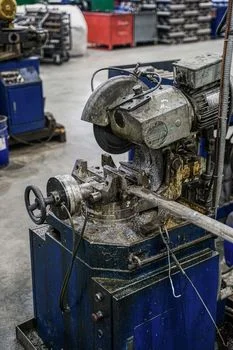
Modern industrial evaporation crystallization systems for cyanide removal are engineered for high efficiency, scalability, and robust operation, providing actionable specifications for facility engineers and procurement teams. Standard models are designed to handle flow rates ranging from 10 to 500 m³/h, with modular scaling options available to meet diverse industrial demands and future expansion needs. This modularity allows for incremental capacity additions without significant overhauls, optimizing capital expenditure.
Energy consumption is a critical operational parameter for any wastewater treatment energy consumption. Evaporation crystallization systems typically operate with an energy consumption of 0.8–1.2 kWh/m³ (MDPI, 2021), a figure that can be further optimized through advanced heat recovery exchangers and efficient vacuum pump designs. The system footprint is also a key consideration for space-constrained industrial sites. Evaporation crystallizers require approximately 1.5–10 m² per 100 m³/h capacity, which is notably more compact than conventional alkaline chlorination systems, which often demand up to 30% larger footprints due to extensive tankage for chemical mixing and reaction.
Material selection is paramount for longevity and resistance to corrosive industrial wastewater. Components in contact with cyanide-containing streams and acidic HCN gas are typically constructed from 316L stainless steel, known for its superior corrosion resistance. Gasket materials are carefully chosen to withstand chemical exposure and high temperatures, with EPDM (ethylene propylene diene monomer) and Viton (fluorocarbon elastomer) being common selections for their chemical inertness and durability. These specifications collectively ensure reliable performance and a long operational lifespan for industrial cyanide removal applications.
| Parameter | Specification Range (2026 Standard) | Notes |
|---|---|---|
| Flow Rates | 10–500 m³/h | Modular designs allow for custom sizing and future expansion. |
| Energy Consumption | 0.8–1.2 kWh/m³ (MDPI, 2021) | Optimized with waste heat recovery and efficient vacuum systems. |
| System Footprint | 1.5–10 m² per 100 m³/h | Approximately 30% smaller than equivalent alkaline chlorination systems. |
| Materials of Construction (Wetted Parts) | 316L Stainless Steel | Ensures corrosion resistance against cyanide and acidic conditions. |
| Gasket Materials | EPDM, Viton | Selected for chemical inertness and temperature resistance. |
| HCN Gas Scrubber Efficiency | >99.9% | Ensures safe neutralization of volatilized HCN. |
CAPEX, OPEX, and ROI: Cost Models for Cyanide Removal Systems
Evaluating the total cost of ownership is crucial for industrial facilities when investing in cyanide removal systems. Capital expenditure (CAPEX) for evaporation crystallization systems typically ranges from $200,000 to $1.5 million for capacities between 50 and 500 m³/h. For comparable capacities, electrochemical crystallization systems, which offer byproduct recovery, have a slightly higher CAPEX, ranging from $250,000 to $1.8 million. These figures include equipment, installation, and initial commissioning.
Operational expenditure (OPEX) is a significant factor impacting long-term financial viability. A detailed breakdown of OPEX for evaporation crystallization systems includes energy costs, estimated at $0.10–$0.25/m³ depending on local electricity rates and heat source efficiency. Labor for monitoring and routine maintenance typically adds $0.05–$0.10/m³, while maintenance costs for parts and consumables (e.g., pH probes, pump seals) are generally $0.03–$0.08/m³. This cumulative OPEX is often lower than alternative methods like alkaline chlorination, which incurs higher chemical costs.
The return on investment (ROI) for evaporation crystallization systems is generally achieved within 18–36 months, primarily due to significantly lower chemical costs compared to alkaline chlorination, which often has an ROI timeline exceeding 48 months. Cost-saving strategies further enhance ROI, including leveraging waste heat recovery from existing plant operations, implementing modular expansion to match demand precisely, and, where applicable, generating revenue from byproduct sales like Prussian Blue or Turnbull’s Blue from electrochemical systems. For a broader understanding of industrial wastewater costs, exploring resources like wastewater treatment plant cost models can provide additional context for evaporation crystallization cost analysis.
| Cost Category | Evaporation Crystallization | Electrochemical Crystallization | Alkaline Chlorination |
|---|---|---|---|
| CAPEX (50–500 m³/h) | $200K–$1.5M | $250K–$1.8M | $150K–$1.0M |
| Energy OPEX (per m³) | $0.10–$0.25 | $0.15–$0.30 | $0.05–$0.10 |
| Chemical OPEX (per m³) | $0.01–$0.05 (pH adjust) | Minimal (electrode replacement) | $0.50–$1.20 |
| Labor OPEX (per m³) | $0.05–$0.10 | $0.05–$0.10 | $0.05–$0.10 |
| Maintenance OPEX (per m³) | $0.03–$0.08 | $0.04–$0.09 | $0.02–$0.06 |
| Total OPEX (per m³) | $0.19–$0.48 | $0.24–$0.49 | $0.62–$1.46 |
| ROI Timeline | 18–36 months | 24–42 months (with byproduct sales) | 48+ months |
Compliance and Safety: Meeting Global Cyanide Discharge Standards
Adhering to global cyanide discharge limits and implementing robust cyanide treatment safety protocols are non-negotiable for industrial facilities. Discharge limits vary significantly by region: China maintains a strict limit of 0.5 mg/L, the European Union mandates 0.1 mg/L, and the United States Environmental Protection Agency (EPA) generally sets limits around 1 mg/L for industrial discharges. Facilities must consult local environmental directives to ensure full compliance, as these regulations are subject to periodic review and tightening.
Given the highly toxic nature of hydrogen cyanide gas (HCN), safety protocols are paramount for evaporation crystallization systems. Continuous HCN gas monitoring is essential, with OSHA's Permissible Exposure Limit (PEL) for HCN at 10 ppm. Systems must incorporate secondary containment measures to prevent accidental spills and leaks, as well as emergency HCN gas scrubbing systems. These scrubbers, often utilizing chlorine dioxide (ClO₂) generator-based solutions, are designed to rapidly neutralize any uncontrolled release of HCN gas, converting it to less toxic compounds.
Compliance documentation is an ongoing requirement, encompassing regular effluent testing using standardized methods like APHA 4500-CN for total and free cyanide. Comprehensive operator training is crucial, ensuring personnel are proficient in system operation, emergency response, and safety procedures. Detailed audit trails of treatment parameters, effluent quality, and maintenance activities are necessary for regulatory reporting and demonstrating consistent compliance. A real-world case study from a gold mining plant in China demonstrated the effectiveness of evaporation crystallization, successfully reducing influent cyanide concentrations from 50 mg/L to below the 0.5 mg/L discharge limit (MDPI, 2021), validating the technology's ability to meet stringent global standards.
How to Select the Right Cyanide Removal System: A Decision Framework
Choosing the optimal cyanide removal system requires a structured evaluation process tailored to specific operational and regulatory demands. This decision framework helps engineers and procurement teams systematically assess their facility's unique requirements.
Step 1: Define Influent Cyanide Concentration. Characterize the wastewater stream's cyanide levels. Low concentrations (typically <50 mg/L) might be amenable to less intensive treatments, while high concentrations (>200 mg/L) often necessitate robust solutions like evaporation crystallization or electrochemical methods. For very low concentrations or polishing, resin adsorption for low-concentration cyanide streams could be considered.
Step 2: Assess Byproduct Recovery Needs. Determine if there is a desire or economic incentive to recover valuable byproducts. If Prussian Blue/Turnbull’s Blue recovery is a priority for revenue generation (e.g., for coatings or inks), electrochemical crystallization is the preferred option. If byproduct recovery is not a factor, evaporation crystallization focuses solely on removal efficiency.
Step 3: Compare CAPEX/OPEX. Conduct a thorough cost analysis, contrasting the capital expenditure and operational expenditure of each viable technology. Evaporation crystallization generally offers a lower OPEX due to reduced chemical consumption compared to traditional methods, while electrochemical systems' OPEX is offset by potential byproduct sales.
Step 4: Evaluate Footprint and Energy Availability. Consider the physical space available at the facility. Evaporation systems tend to be more compact than multi-stage chemical treatment plants. Also, assess the availability of waste heat or cost-effective energy sources, as evaporation crystallization requires a consistent heat input.
Step 5: Confirm Compliance Requirements. Verify all local, national, and international discharge limits for cyanide. Ensure the chosen system can consistently achieve these limits with a sufficient safety margin, factoring in potential future regulatory tightening.
| Decision Factor | Consideration | Recommended Technology |
|---|---|---|
| Influent Cyanide Concentration | >200 mg/L (High) | Evaporation Crystallization, Electrochemical Crystallization |
| Byproduct Recovery Desired | Yes (Prussian Blue/Turnbull’s Blue) | Electrochemical Crystallization |
| Chemical Cost Sensitivity | High (Minimize chemical use) | Evaporation Crystallization, Electrochemical Crystallization |
| Energy Availability | Waste heat available | Evaporation Crystallization (optimizes OPEX) |
| Footprint Constraint | Limited space | Evaporation Crystallization (more compact than chemical) |
| Discharge Limit | <0.5 mg/L (Strict) | Both Evaporation and Electrochemical (with proper design) |
Frequently Asked Questions

What pH is optimal for cyanide evaporation?
Optimal cyanide evaporation occurs at a pH of 9.7 (Khodadadi, 2005). Maintaining the wastewater pH below 10.5 is crucial for converting dissolved cyanide ions (CN⁻) into volatile hydrogen cyanide gas (HCN), which can then be efficiently removed from the liquid phase. Precise pH control is a key operational parameter for maximizing removal efficiency.
What temperature is required for efficient HCN gas evaporation?
Efficient HCN gas evaporation requires temperatures greater than 35°C (Khodadadi, 2005). Higher temperatures accelerate the volatilization process, reducing the necessary residence time within the treatment system. Utilizing waste heat from industrial processes can significantly reduce the energy costs associated with maintaining this temperature.
How does evaporation crystallization compare to alkaline chlorination in terms of cost?
Evaporation crystallization generally has lower operational costs compared to alkaline chlorination. While alkaline chlorination incurs high chemical costs of $0.50–$1.20/m³ for oxidants and pH adjustment, evaporation crystallization's chemical costs are minimal ($0.15–$0.40/m³), primarily for pH control (MDPI, 2021). This leads to a faster ROI for evaporation systems.
What are the typical energy consumption figures for evaporation crystallization?
Industrial evaporation crystallization systems for cyanide removal typically consume 0.8–1.2 kWh/m³ of treated wastewater (MDPI, 2021). This energy is primarily used for heating the wastewater and operating vacuum systems. Implementing waste heat recovery and optimizing vacuum pump efficiency can further reduce overall energy consumption.
Can evaporation crystallization meet China's strict cyanide discharge limits?
Yes, well-designed evaporation crystallization systems can consistently meet China's strict 0.5 mg/L cyanide discharge limit. By optimizing parameters such as pH (9.7), temperature (>35°C), and residence time (20–60 minutes), over 99% cyanide removal is achievable, ensuring compliance with stringent environmental regulations.