Why Food Processors Are Switching to Micro Bubble Flotation for Wastewater Treatment
A dairy processing facility in Wisconsin incurred $250,000 in EPA fines in 2024 after its effluent TSS levels consistently exceeded 300 mg/L, highlighting the systemic failure of aging wastewater infrastructure to handle modern production volumes. Food processing wastewater is characterized by high Total Suspended Solids (TSS) ranging from 300 to 1,500 mg/L, Fats, Oils, and Grease (FOG) between 100 and 800 mg/L, and Chemical Oxygen Demand (COD) often peaking at 5,000 mg/L. During peak production or Clean-in-Place (CIP) cycles, pH fluctuations between 4.5 and 9.0 further destabilize traditional treatment methods.
Regulatory pressure is intensifying globally. In the United States, EPA 40 CFR Part 405 mandates strict effluent limits for dairy and meat plants, while FDA 21 CFR Part 110 requires rigorous sanitary standards to prevent cross-contamination. In Europe, EU 1069/2009 sets high bars for the treatment of animal by-products. Conventional Dissolved Air Flotation (DAF) systems, once the industry standard, typically reach their limit at 80-85% TSS removal and 70-75% FOG removal. These legacy systems often require excessive chemical dosing (100-150 mg/L of coagulants) to compensate for their inability to capture smaller, emulsified particles. Micro bubble flotation (MBF) has emerged as a superior technology, offering 98% TSS removal and 95% FOG reduction, effectively bridging the gap between raw effluent and compliance-ready discharge.
Micro bubble flotation (MBF) systems achieve 98% TSS removal and 95% FOG reduction in food processing wastewater, meeting FDA and EPA discharge limits for dairy, meat, and beverage plants. Using bubbles sized 10-100 μm at pressures of 4-6 bar, these systems outperform conventional DAF by 15-20% in efficiency while reducing chemical consumption by up to 30%. Ideal for plants processing 50-500 m³/h, MBF systems deliver near-reuse-quality effluent with minimal footprint and zero secondary pollution.
How Micro Bubble Flotation Works: Engineering Mechanics and Process Parameters
Micro bubble flotation relies on the generation of air bubbles between 10 and 100 μm in diameter to maximize the collision probability with suspended solids and emulsified oils. Unlike conventional DAF, which generates larger bubbles (100-500 μm) that can shear delicate flocs, MBF produces a "white water" cloud with a significantly higher surface area-to-volume ratio. This increased surface area allows the bubbles to attach to lighter-than-water particles, such as milk fats and protein residues, lifting them to the surface for mechanical skimming.
The process begins with the influent entering a coagulation and flocculation stage. Here, a PLC-controlled chemical dosing for micro bubble flotation introduces polymers and coagulants. Flocculation typically requires 2 to 5 minutes of retention time at a mixing speed of 30-50 rpm to form stable aggregates. Following this, the wastewater enters the flotation zone where microbubbles are injected at pressures of 4-6 bar. The air-to-solids ratio is maintained between 0.02 and 0.05 m³/kg to ensure total saturation. As the microbubbles attach to the flocs, they rise at a controlled velocity, forming a thick sludge blanket on the surface. A chain-driven skimmer removes this sludge, while the clarified effluent is discharged from the bottom of the tank.
| Parameter | Specification Range | Impact on Food Processing Effluent |
|---|---|---|
| Bubble Size | 10–100 μm | Ensures attachment to emulsified FOG and fine proteins. |
| Operating Pressure | 4–6 bar | Optimizes air dissolution and prevents bubble coalescence. |
| Retention Time | 5–15 minutes | Allows for complete phase separation in high-flow plants. |
| Air-to-Solids Ratio | 0.02–0.05 m³/kg | Determines the buoyancy force required for heavy TSS loads. |
| Surface Loading Rate | 5–10 m³/m²·h | Dictates the physical footprint of the flotation tank. |
Micro Bubble Flotation vs. Conventional DAF: Head-to-Head Comparison for Food Plants
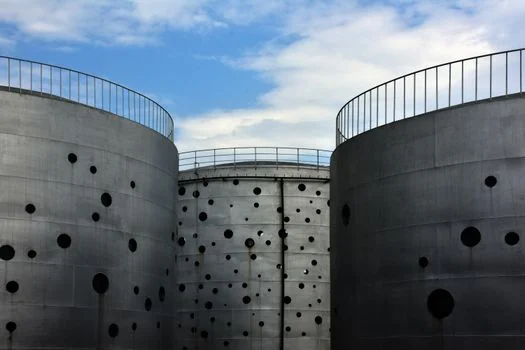
MBF systems reduce chemical coagulant demand by 30% compared to conventional DAF units while achieving 15% higher removal rates for chemical oxygen demand (COD). In a head-to-head comparison, the primary differentiator is the bubble generation efficiency. Conventional DAF units often struggle with "bubble channeling," where large bubbles rise too quickly, leaving smaller particles behind. MBF avoids this through superior bubble distribution, which is critical for the organic-heavy wastewater found in meat and poultry processing.
From an operational perspective, MBF systems are more energy-efficient, consuming approximately 0.3 kWh/m³ compared to 0.4 kWh/m³ for standard DAF. While the initial capital expenditure for MBF may be 10-15% higher, the reduction in chemical costs (70 mg/L vs. 120 mg/L) and lower maintenance requirements (estimated at $5,000 annually vs. $8,000 for DAF) result in a lower total cost of ownership. MBF effluent often meets the quality requirements for direct discharge to municipal sewers without surcharges, whereas DAF effluent frequently requires secondary biological treatment or membrane filtration to avoid penalties.
| Metric | Conventional DAF | Micro Bubble Flotation (MBF) |
|---|---|---|
| TSS Removal Rate | 80–85% | 95–98% |
| FOG Removal Rate | 70–75% | 90–95% |
| COD Removal Rate | 60–70% | 85–90% |
| Chemical Consumption | 100–150 mg/L | 50–80 mg/L |
| Footprint Requirement | 100% (Baseline) | 65–70% of Baseline |
| Energy Use | 0.4 kWh/m³ | 0.3 kWh/m³ |
Engineering Specs for Micro Bubble Flotation Systems in Food Processing
Modular MBF systems for food processing are engineered to handle hydraulic loads from 10 to 500 m³/h using 304 or 316L stainless steel to meet global food safety standards. The choice of material is vital; 316L stainless steel is preferred for plants processing high-salinity products (like pickles or cured meats) to prevent chloride-induced pitting. The micro bubble DAF system for food processing utilizes a specialized microbubble generator that ensures 90% of bubbles remain under 50 μm, providing the necessary surface area for high-protein wastewater.
Automation is a critical spec for modern engineers. High-tier MBF systems feature integrated SCADA compatibility and PLC-controlled dosing pumps that adjust chemical feed rates in real-time based on influent turbidity sensors. This prevents chemical waste during low-flow periods and ensures compliance during sudden load spikes. For plants producing significant sludge volumes, these systems should be paired with sludge dewatering solutions for food plants to reduce disposal volume and associated costs.
| Component | Engineering Specification | Compliance/Standard |
|---|---|---|
| Tank Material | SS304 or SS316L Stainless Steel | FDA Food-Grade Standard |
| Microbubble Generator | Multi-phase dissolution pump | ISO 9001 Certified |
| Automation Level | Siemens/Allen-Bradley PLC | Industry 4.0 / SCADA Ready |
| Gaskets and Seals | EPDM or Viton (FDA Approved) | 21 CFR Part 177 |
| Sludge Scraper | Non-metallic chain / SS304 blades | Corrosion Resistant |
Compliance and Effluent Quality: Meeting FDA, EPA, and EU Standards with MBF
Achieving EPA 40 CFR Part 405 compliance requires dairy plants to maintain effluent TSS below 30 mg/L and FOG below 10 mg/L, metrics that are often unattainable with standard physical-chemical treatment alone. MBF systems are specifically designed to target the emulsified fats and fine particulates that bypass primary screens and gravity settlers. By reducing COD levels from 4,500 mg/L to under 250 mg/L, food processors can meet the sanitary standards defined in FDA 21 CFR Part 110, ensuring that wastewater does not become a vector for pathogens within the facility.
In a recent case study, a meat processing plant in Germany implemented an MBF system to comply with EU 1069/2009 regarding animal by-products. The plant reduced its COD from 5,000 mg/L to 200 mg/L and TSS from 1,200 mg/L to 25 mg/L. This performance allowed the facility to avoid €50,000 per year in municipal surcharges and environmental fines. For multi-national firms, adhering to global compliance standards for food processing wastewater ensures that equipment installed in one region meets the stringent requirements of others, such as Vietnam’s QCVN 40 or China’s GB 8978.
Selecting the Right Micro Bubble Flotation System: A Decision Framework for Food Processors
Effective equipment selection for food processing wastewater requires a 24-hour composite sampling analysis of TSS, FOG, and COD to account for high-variability cleaning cycles. Engineers should not base system capacity on average flow rates; instead, they must size the system for peak hourly flow, typically 1.5 to 2 times the average, to prevent hydraulic washout during wash-down shifts. The following framework assists procurement teams in evaluating system suitability:
- Step 1: Characterize the Waste Stream. Measure the concentration of emulsified vs. free-floating FOG. If emulsified FOG exceeds 20% of the total, MBF is mandatory over standard DAF.
- Step 2: Define Capacity Requirements. Calculate the peak flow in m³/h. For a plant with an 80 m³/h average flow, a 100-120 m³/h system is recommended to provide a safety buffer.
- Step 3: Select Bubble Generation Method. Dissolved air is best for high TSS loads; electrolysis is suitable for low-flow, high-FOG applications; venturi systems are ideal for variable organic loads.
- Step 4: Assess Automation Needs. Determine if the plant requires full integration into a central control room. PLC-controlled systems reduce the risk of human error during chemical batching.
- Step 5: Calculate Total Cost of Ownership. Evaluate the CapEx against the projected savings in chemicals, energy, and sludge disposal over a 5-year period.
Cost-Benefit Analysis: Calculating ROI for Micro Bubble Flotation in Food Plants
A