PAM Dosing System for Food Processing: 2025 Engineering Specs, Costs & Compliance Guide
A PAM dosing system for food processing wastewater delivers 92–97% TSS removal at influent concentrations of 500–3,000 mg/L, meeting FDA/FSMA pretreatment standards. Automated systems (e.g., HydropureWater’s JY Series) integrate dry powder feeders, vortex prewetting, and PLC-controlled metering pumps to maintain 0.1–0.5% PAM solution concentrations, reducing chemical waste by up to 30% compared to manual dosing. Flow rates range from 0.1 to 500 L/h, with CAPEX starting at $12,000 for skid-mounted units. For engineers managing high-load organic streams, these systems are critical for preventing downstream membrane fouling and avoiding municipal surcharge penalties.
Why Food Processors Need a Dedicated PAM Dosing System
Stringent FDA and FSMA pretreatment standards for food processing wastewater require Total Suspended Solids (TSS) to remain below 30 mg/L and Fats, Oils, and Grease (FOG) below 100 mg/L to avoid heavy regulatory fines (cite 21 CFR Part 110.37 and 40 CFR Part 405). Manual preparation of Polyacrylamide (PAM) often leads to "fish-eye" clumps and inconsistent solution concentrations, which can increase chemical costs by 20–40% due to over-dosage or result in TSS violations from under-dosing. manual chemical handling consumes 2–4 hours of labor per week, creating unnecessary operational overhead and safety risks.
Inconsistent flocculation is a primary driver of regulatory non-compliance in the food industry. When PAM is not properly dissolved or aged, the polymer chains do not fully extend, failing to capture the high protein and lipid loads typical of meat, poultry, and dairy effluent. This leads to poor cake dryness in dewatering stages and high turbidity in discharge. Beyond compliance, see how PAM dosing fits into global food processing wastewater treatment standards to understand the broader impact on operational sustainability.
Case data from poultry processing facilities indicates that switching from manual batching to an automated system can reduce PAM consumption by 28%. One mid-sized poultry plant in the Midwest reported avoiding a $15,000 EPA fine for TSS exceedances within the first quarter of installing an automated dosing unit. By maintaining a precise 0.1% solution, the plant stabilized its flocculation process regardless of influent surges during peak production shifts (HydropureWater field data, 2025).
How PAM Dosing Systems Work in Food Processing: Process Flow & Critical Components
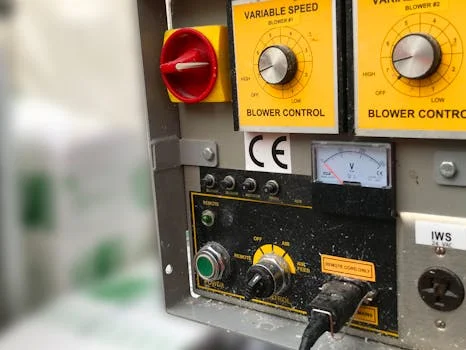
Automated PAM dosing systems utilize a three-tank dissolution process to ensure that polymer molecules are fully hydrated and aged before injection into the wastewater stream. For food processing applications, construction must utilize Stainless Steel 316L to ensure corrosion resistance against acidic cleaning agents and to meet FDA sanitary requirements. The process flow is designed to prevent contamination and ensure 100% polymer activation.
[Dry Powder Hopper]
      |
[Screw Feeder] ----> [Vortex Prewetting Device]
                            |
                     [Dissolution Tank] (Agitated)
                            |
                     [Curing Tank] (Agitated)
                            |
                     [Storage Tank] ----> [Metering Pump] ----> [Injection Point]
Vortex prewetting is the most critical stage in the process; it reduces PAM clumping by 95% by ensuring every individual grain of powder is wetted before entering the dissolution tank (per industry benchmarks). Without this, "fish-eyes" form—undissolved globs of polymer that are internally dry and externally gelatinous, which clog metering pumps and waste expensive chemicals. Dissolution and curing times typically range from 30 to 60 minutes for 0.1–0.5% PAM solutions, allowing the long-chain molecules to uncoil and provide maximum surface area for flocculation.
To maintain hygiene, systems should feature sanitary tri-clamp fittings and CIP-compatible (Clean-In-Place) valves. Pair PAM dosing with DAF for 97% TSS removal in food processing to ensure that the flocculated solids are efficiently separated from the liquid phase. The integration of explosion-proof motors is also recommended if alcohol-based emulsion polymers are used, though dry powder remains the industry standard for cost-efficiency.
| Component | Material Specification | Engineering Function |
|---|---|---|
| Dry Powder Feeder | SS316L / PTFE Coated Screw | Precise volumetric delivery (0.1–10 kg/h) |
| Vortex Prewetter | FDA-grade Polypropylene/SS316L | Initial hydration; prevents "fish-eye" formation |
| Agitators | SS316L (Low-shear blades) | Gentle mixing to prevent polymer chain shearing |
| Metering Pump | Diaphragm or Progressive Cavity | Accurate delivery to the DAF or clarifier influent |
| Control System | PLC with HMI Touchscreen | Automated concentration control and alarm logging |
PAM Dosing System Specifications: 2025 Engineering Data for Food Processing
Engineering specifications for food-grade PAM systems focus on precision and material compatibility to handle the high organic loads of the industry. Standard flow rates for prepared solutions range from 0.1 to 500 L/h, which covers most plant capacities from small craft breweries to large-scale meat packers. The optimal PAM solution concentration for food wastewater is 0.1–0.5%; concentrations exceeding 0.8% significantly increase the risk of pump cavitation and pipe clogging due to high viscosity.
Sizing a system requires calculating the daily dry powder requirement based on the plant’s average TSS and flow rate. For example, a dissolution tank sized at 1,000 L combined with a 2,000 L curing/storage tank can typically support a wastewater flow of 50–100 m³/h, depending on the dosage requirements determined by jar testing. Material compatibility is non-negotiable; wetted parts must use SS316L, EPDM, or FKM gaskets to satisfy FDA-approved polymer handling protocols.
| Parameter | Standard Range | Food Industry Recommendation |
|---|---|---|
| Solution Concentration | 0.05% – 1.0% | 0.1% – 0.3% (Optimal for viscosity) |
| Dry Powder Feed Rate | 0.1 – 10 kg/h | Variable via Frequency Converter (VFD) |
| Dissolution Tank Volume | 50 – 1,000 L | Sized for 60-min retention time |
| Preparation Capacity | 500 – 4,000 L/h | Match to 120% of peak hourly demand |
| Power Consumption | 0.75 – 4.5 kW | IE3 High-efficiency motors |
| Control Interface | Manual to Full Auto | PLC with Modbus/Ethernet for SCADA |
Food Processing Wastewater Characteristics: Matching PAM Dosing to Your Influent
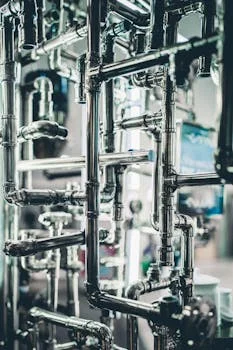
Typical food processing wastewater exhibits high variability, with TSS ranging from 500–3,000 mg/L and COD (Chemical Oxygen Demand) often reaching 1,000–10,000 mg/L (cite EPA 2024 Effluent Guidelines, 40 CFR Part 432). Selecting the correct PAM charge (anionic, cationic, or non-ionic) is essential for effective flocculation. Anionic PAM is generally preferred for inorganic solids found in vegetable washing or meat processing where alum or PAC is used as a coagulant. Cationic PAM is more effective for highly organic solids, such as those found in dairy or beverage production, where the particles carry a negative surface charge.
To determine the optimal dosage, engineers must perform regular jar tests. Dosage benchmarks typically fall between 1–5 mg of PAM per mg of TSS, but these must be adjusted based on pH fluctuations (typically 4–10 in food plants). A robust jar test protocol involves adding the polymer to a 1L sample, mixing at 100 RPM for 1 minute (flash mix), followed by 30 RPM for 5 minutes (flocculation), and observing the settling time and floc size. Learn how DAF systems complement PAM dosing for food processing compliance by providing the necessary buoyancy for these flocs to rise and be skimmed.
| Food Sector | Waste Characteristic | Recommended PAM Type | Typical Dosage (ppm) |
|---|---|---|---|
| Meat & Poultry | High Fat/Protein, pH 6-8 | Cationic (High Charge) | 2 – 10 |
| Dairy / Milk | High Organics, pH 4-11 | Cationic (Medium Charge) | 5 – 15 |
| Fruit & Vegetable | Silt/Soil, pH 6-9 | Anionic (Medium Charge) | 1 – 5 |
| Brewery/Beverage | Yeast/Sugar, pH 4-7 | Non-ionic or Cationic | 3 – 8 |
Cost Analysis: CAPEX, OPEX, and ROI for PAM Dosing Systems in Food Processing
The CAPEX for a skid-mounted, automated PAM dosing system typically ranges from $12,000 to $50,000, depending on the degree of automation and the material of construction. While manual tanks are cheaper upfront, the OPEX drivers—including chemical waste and labor—often result in a higher Total Cost of Ownership (TCO) within 18 months. High-quality systems use PLC controls to match dosing rates to real-time wastewater flow, preventing the "slug" dosing that wastes up to 30% of chemicals.
Operational expenses are dominated by PAM chemical costs, which range from $2 to $5 per kg depending on the polymer grade. Maintenance costs are relatively low, typically requiring $500–$2,000 annually for gasket replacements and metering pump diaphragm inspections. For a 50 m³/h poultry plant, the ROI calculation is compelling: the combination of $18,000/year in chemical savings, $12,000/year in labor reduction, and the avoidance of $15,000 in potential fines results in a payback period of less than 14 months (HydropureWater field data, 2025).
| Cost Category | Estimated Value (Annual) | Notes |
|---|---|---|
| PAM Chemical Cost | $5,000 – $25,000 | Dependent on TSS load and plant flow |
| Electricity | $400 – $1,200 | Based on 0.5–2 kW/h consumption |
| Maintenance/Spares | $500 – $2,000 | Diaphragms, seals, and probe calibration |
| CIP Chemicals | $200 – $600 | Caustic soda for periodic tank cleaning |
| Total OPEX | $6,100 – $28,800 | Excludes labor savings from automation |
Compliance Checklist: FDA, FSMA, and Local Pretreatment Standards for PAM Dosing
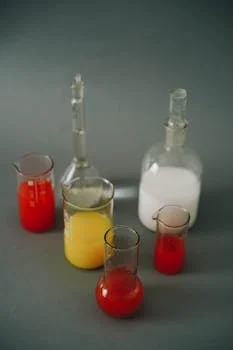
Compliance in food processing wastewater is not just about the discharge numbers; it is about the documentation of the process. FDA and FSMA requirements (21 CFR Part 110.37) mandate that no PAM residuals or chemical contaminants enter the food production environment, necessitating a clear physical separation between the treatment plant and the production floor. EPA pretreatment standards (40 CFR Part 405/406) require consistent monitoring of TSS and FOG to ensure local municipal treatment works are not overwhelmed.
Local sewer authorities often have stricter requirements than federal guidelines. For instance, the City of Chicago requires industrial users to maintain daily PAM usage logs and quarterly jar test documentation to verify that dosing rates are optimized. A compliance-ready facility should maintain the following records:
- Daily PAM consumption logs (kg of dry powder vs. volume of water).
- Weekly jar test results correlating dosage to influent TSS.
- Annual calibration certificates for metering pumps and flow meters.
- Material Safety Data Sheets (MSDS) and FDA-compliance certificates for all polymers used.
Supplier Selection Framework: 5 Critical Questions to Ask Before Purchasing
Evaluating a supplier for a PAM dosing system requires looking beyond the price tag to the engineering support and food-grade compliance they offer. HydropureWater’s PLC-controlled PAM dosing systems for food processing are designed with these specific industrial rigors in mind. Use the following framework to vet potential partners:
1. Is the system fully FDA-compliant? Request material certifications for all wetted parts (SS316L, EPDM) and ask for compatibility reports regarding the specific food-grade polymers your plant intends to use.
2. What level of automation is included as standard? Basic systems may only offer manual stroke adjustment on pumps. Ensure the system includes a PLC with VFD-controlled feeders that can integrate with your plant’s flow meters for proportional dosing.
3. What is the lead time and installation support? Typical lead times are 8–12 weeks. Ask if the supplier provides Factory Acceptance Testing (FAT) and on-site commissioning to ensure the system integrates with your existing DAF or clarifier.
4. What training and documentation are provided? A deep-technical manual, PLC programming access, and operator training are essential for maintaining the system without relying on expensive third-party service calls.
5. What is the warranty and spare parts availability? A standard 1-year warranty is baseline; look for suppliers who stock critical spares like metering pump diaphragms and feeder screws for immediate dispatch to prevent production downtime.
Frequently Asked Questions
What is the difference between anionic and cationic PAM for food waste?
Anionic PAM carries a negative charge and is typically used when inorganic coagulants (like PAC) have already been added to the water. Cationic PAM carries a positive charge and is highly effective at directly binding to organic proteins and fats found in meat and dairy wastewater. Selecting the wrong charge will result in zero flocculation and wasted chemicals.
Can I use a PAM dosing system for both dry powder and emulsion polymers?
Standard automated systems are optimized for dry powder, which is more cost-effective. However, some systems can be retrofitted with an emulsion feed module. Note that emulsion polymers require different mixing speeds and often have shorter shelf lives once diluted, making dry powder the preferred choice for most food processing engineers.
How often should the PAM dissolution tank be cleaned?
In a food processing environment, the tanks should undergo a thorough CIP (Clean-In-Place) wash every 3–6 months to prevent the buildup of aged polymer film, which can harbor microbial growth. Using a dilute caustic soda solution (0.1–0.3 kg/m³) is usually sufficient to break down residual polymer chains.
Why is my PAM solution appearing cloudy or lumpy?
Cloudiness or lumps (fish-eyes) usually indicate poor prewetting or insufficient dissolution time. Ensure the vortex prewetter is receiving adequate water pressure and that the agitators are functioning. If the concentration is above 0.5%, try reducing the dry powder feed rate to improve clarity and effectiveness.