The best lime dosing system for industrial use combines a high-shear slurry preparation tank (3–10% Ca(OH)₂ by weight), a diaphragm metering pump with Hastelloy C-276 valves (flow rate 0.1–50 L/h), and a PID-controlled pH loop (±0.1 accuracy). Systems cost ¥80K–¥500K depending on capacity, with OPEX dominated by lime consumption (¥1.2–¥3.5/kg) and pump maintenance (¥5K–¥15K/year). For heavy metal precipitation, target pH 8.5–9.5 to achieve <0.1 mg/L effluent limits per EPA 40 CFR Part 433.
Why Industrial Lime Dosing Systems Fail: A Case Study from a Gold Mine in Bulawayo
Inconsistent lime dosing poses significant operational and compliance risks for industrial facilities, as exemplified by the Bulawayo Mining Company. This gold mine faced persistent pH compliance violations due to its reliance on manual lime dosing, which resulted in wide pH swings ranging from 4.5 to 10.2. Such fluctuations not only hindered optimal cyanide leaching efficiency for gold recovery but also exposed operators to hazardous lime dust, leading to safety concerns and increased operational complexity (Dube, 2017). The tangible costs of this manual approach were substantial, including a 30% increase in lime consumption, an average of 12 hours per month of unplanned downtime for pipeline blockages, and annual compliance fines exceeding $250,000.
To mitigate these failures, the Bulawayo Mining Company implemented an automated lime dosing system utilizing an Arduino microcontroller for precise control. This upgrade dramatically improved process stability, reducing pH variance to a tight ±0.2 units and effectively eliminating operator exposure to lime. The case highlights that while lime is a cost-effective reagent for pH control and heavy metal removal, its inherent characteristics (abrasiveness, settling) demand sophisticated engineering solutions to ensure reliable and compliant operation.
Lime Slurry Preparation: Engineering Specs for Consistent Performance
Consistent lime slurry preparation is fundamental to the reliable operation of any industrial lime dosing system, directly impacting dosing accuracy and preventing common issues like settling and blockages. The optimal slurry density for industrial applications ranges from 3–10% Ca(OH)₂ by weight, with 5% Ca(OH)₂ typically serving as the industry standard for pH correction due to its balance of stability and reactivity (Premix Technologies, 2026). Slurry densities exceeding 8% significantly increase the risk of rapid settling and pipeline blockages, while concentrations below 3% necessitate larger preparation tanks and increased water usage, impacting CAPEX and OPEX.
For corrosion resistance and durability, slurry tanks are commonly constructed from high-density polyethylene (HDPE) or rubber-lined steel. HDPE tanks offer excellent chemical resistance and are cost-effective for smaller volumes, though their structural integrity may be limited for very large capacities. Rubber-lined steel tanks provide superior mechanical strength and longevity, making them suitable for high-volume, continuous operations, albeit at a higher initial investment. Agitator sizing is critical for maintaining slurry homogeneity, requiring 0.5–1.5 kW/m³ for high-shear mixing to effectively suspend lime particles and prevent settling (Premix Technologies, 2026). This power consumption ensures sufficient turbulence throughout the tank volume.
A continuous recirculation loop is essential to maintain slurry homogeneity from the preparation tank to the dosing point, typically designed for 2–3x tank volume per hour (Unique Dosing, 2026). Piping for this loop should be constructed from 316L stainless steel or Schedule 80 PVC, with a bore size of 50–100 mm to minimize friction losses and prevent blockages. The quality of lime also plays a significant role; hydrated lime (Ca(OH)₂) is generally preferred over quicklime (CaO) for its inherent safety and ease of handling, as quicklime reacts exothermically with water and poses significant hazards, requiring specialized handling protocols per OSHA 29 CFR 1910.1200.
| Parameter | Specification Range | Industry Standard/Notes |
|---|---|---|
| Slurry Density | 3–10% Ca(OH)₂ by weight | 5% for pH correction (optimal balance) |
| Tank Material | HDPE or Rubber-lined Steel | HDPE for smaller, steel for larger volumes |
| Agitator Power | 0.5–1.5 kW/m³ | High-shear mixing to prevent settling |
| Recirculation Flow Rate | 2–3x tank volume/hour | Maintains homogeneity to dosing point |
| Recirculation Piping | 316L SS or Schedule 80 PVC, 50–100 mm bore | Minimizes blockages, durable |
| Lime Type | Hydrated Lime (Ca(OH)₂) | Preferred for safety and ease of handling |
HydropureWater offers advanced PLC-controlled lime dosing skids for industrial wastewater treatment, integrating robust slurry preparation units designed to these precise specifications.
Dosing Pumps for Lime: Diaphragm vs. Peristaltic vs. Progressive Cavity
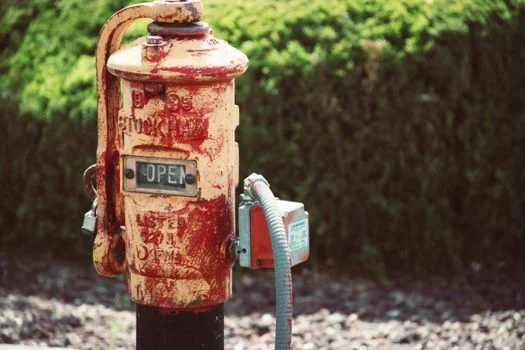
Selecting the appropriate dosing pump is crucial for accurate and reliable lime slurry injection, as lime's abrasive and settling characteristics challenge many conventional pump designs. Three primary pump types are typically considered for industrial lime dosing applications: diaphragm, peristaltic, and progressive cavity pumps.
Diaphragm pumps are ideal for high-accuracy dosing, offering flow rates typically ranging from 0.1 to 50 L/h. Their robust design, featuring compatible materials like Hastelloy C-276 or PTFE diaphragms, makes them highly resistant to the abrasive nature of lime slurry. These pumps generally require maintenance intervals of 6–12 months, primarily involving diaphragm replacement (Unique Dosing, 2026), and are known for their dosing accuracy of ±1%. This precision contributes to significant reductions in reagent consumption and improved process control.
Peristaltic pumps, while capable of very low flow rates (0.01–10 L/h), are best suited for applications where minimal flow and gentle handling are paramount. They utilize silicone or Viton tubing, which are susceptible to wear from abrasive lime slurry, leading to shorter maintenance intervals of 3–6 months. Tubing replacement is a frequent and necessary task, increasing operational costs in continuous, high-volume applications.
Progressive cavity pumps are engineered for higher flow rates, typically 10–200 L/h, and can handle viscous and abrasive slurries effectively. They feature stainless steel rotors and require maintenance every 12–24 months. However, their primary wear component, the stator, often needs frequent replacement, incurring costs of ¥8K–¥20K per year. While suitable for high-flow demands, the stator replacement cost can significantly impact long-term OPEX.
Regardless of pump type, valve materials are critical for preventing lime buildup and blockages. Large-bore ball valves (25–50 mm) with PTFE seats are recommended over globe valves, which are prone to settling risks (Premix Technologies, 2026). The impact of pump selection on OPEX is substantial; diaphragm pumps, for instance, can reduce maintenance costs by up to 40% compared to peristaltic pumps in similar industrial settings, according to 2025 vendor benchmarks, primarily due to their superior wear resistance.
| Pump Type | Flow Rate Range | Compatible Materials | Maintenance Interval | Key Advantages | Key Disadvantages |
|---|---|---|---|---|---|
| Diaphragm | 0.1–50 L/h | Hastelloy C-276, PTFE | 6–12 months | High accuracy (±1%), low maintenance OPEX | Limited to moderate flow rates |
| Peristaltic | 0.01–10 L/h | Silicone, Viton tubing | 3–6 months (tubing) | Excellent for low flow, gentle handling | Tubing wear from abrasive slurry |
| Progressive Cavity | 10–200 L/h | Stainless Steel rotors | 12–24 months (stator) | High flow capacity, handles viscous slurries | Frequent stator replacement, higher OPEX |
pH Control Systems: PID Loops, Analysers, and Injection Quills for ±0.1 Accuracy
Achieving and maintaining precise pH levels in industrial wastewater treatment demands sophisticated control systems, with PID (Proportional-Integral-Derivative) loops forming the core of most high-accuracy lime dosing applications. A properly tuned PID loop is essential for stable pH control, typically utilizing proportional gain values between 0.5–2.0, integral times ranging from 30–120 seconds, and derivative times from 0–10 seconds (Premix Technologies, 2026). These parameters ensure rapid response to pH excursions while preventing overshooting or oscillations, critical for compliance and reagent efficiency.
Online pH analysers are the primary feedback mechanism for PID control, and their reliability is paramount. Sensors like the Yokogawa FU20 or Endress+Hauser CPS11D are recommended for industrial environments due to their robust design and integrated automatic cleaning mechanisms, which combat fouling from lime slurry. Despite auto-cleaning, regular calibration intervals of 1–4 weeks are necessary to maintain accuracy and prevent drift, ensuring the control system receives reliable data. The physical injection of lime slurry into the process stream is facilitated by injection quills, typically constructed from 316L stainless steel with diameters of 12–25 mm. These quills should be positioned at the pipe centerline to ensure rapid and uniform dispersion of the lime slurry into the main flow, minimizing localized pH spikes and improving mixing efficiency (Premix Technologies, 2026).
To further enhance mixing and reduce reaction time, static mixers are often employed downstream of the injection point. Systems with 3–5 mixing elements can achieve over 90% mixing efficiency within one pipe diameter, ensuring the pH probe accurately measures the bulk pH rather than a localized concentration. The impact of such precise control is significant; systems achieving ±0.1 pH accuracy can reduce lime consumption by 15–25% compared to manual dosing, according to EPA 2025 benchmarks, translating directly into substantial operational cost savings and improved environmental performance.
Industrial Applications: pH Correction, Heavy Metal Precipitation, and Water Softening
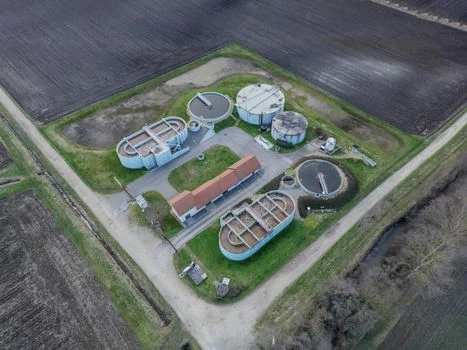
Lime dosing systems are indispensable across a wide spectrum of industrial applications, providing cost-effective solutions for compliance, process optimization, and resource recovery. For general pH correction, industrial wastewater often requires neutralization to a target pH range of 6.5–8.5 before discharge, adhering to regulations such as EPA 40 CFR Part 433. Typical lime consumption for this purpose ranges from 0.1–0.5 kg/m³ of wastewater, depending on the effluent's acidity and buffering capacity.
Heavy metal precipitation is another critical application, where lime raises the pH to promote the formation of insoluble metal hydroxides. For metals like copper, lead, and zinc, a target pH of 8.5–9.5 is usually required to achieve effluent limits below 0.1 mg/L, as stipulated by EPA 40 CFR Part 420. This process typically consumes 0.3–1.0 kg/m³ of lime. HydropureWater provides detailed engineering specs for heavy metal precipitation with lime, including strategies for chromium removal.
In water softening, lime is used to remove hardness-causing calcium and magnesium ions. The goal is often to achieve a target hardness of less than 50 mg/L as CaCO₃, in line with WHO guidelines. This application may consume 0.5–1.5 kg/m³ of lime, often supplemented with soda ash for non-carbonate hardness removal. Additionally, lime is highly effective for phosphate removal, with a target pH of 10–11 achieving over 90% removal efficiency, based on EPA 2025 benchmarks. Lime consumption for phosphate removal typically falls between 0.2–0.8 kg/m³. Further insights on lime dosing for phosphate removal in municipal and industrial wastewater are available.
Beyond direct chemical reactions, lime also plays a crucial role as a coagulant aid. When used in conjunction with primary coagulants like ferric chloride, lime can achieve up to 95% total suspended solids (TSS) removal, significantly outperforming the 70% removal typically achieved with lime alone (Premix Technologies, 2026). DAF systems for heavy metal and phosphate removal after lime precipitation can further enhance treatment efficiency.
| Application | Target pH Range | Typical Lime Consumption | Effluent Limit/Goal | Key Considerations |
|---|---|---|---|---|
| pH Correction | 6.5–8.5 | 0.1–0.5 kg/m³ | Discharge compliance (EPA 40 CFR Part 433) | Acidic effluent neutralization |
| Heavy Metal Precipitation | 8.5–9.5 | 0.3–1.0 kg/m³ | <0.1 mg/L (Cu, Pb, Zn, EPA 40 CFR Part 420) | Metal hydroxide formation |
| Water Softening | ~10.5 | 0.5–1.5 kg/m³ | <50 mg/L as CaCO₃ (WHO) | Removes Ca²⁺, Mg²⁺; may need soda ash |
| Phosphate Removal | 10–11 | 0.2–0.8 kg/m³ | >90% removal (EPA 2025 benchmarks) | Calcium phosphate precipitation |
CAPEX and OPEX Breakdown: 2026 Cost Models for Industrial Lime Dosing Systems
The total cost of ownership for an industrial lime dosing system encompasses both Capital Expenditure (CAPEX) and Operational Expenditure (OPEX), which vary significantly based on system capacity, level of automation, and specific component choices. Initial CAPEX for a basic manual lime dosing system handling 1 m³/h can start around ¥80,000, while a fully automated, high-capacity system treating up to 50 m³/h may reach ¥500,000. Key CAPEX drivers include slurry tank size, the type and redundancy of dosing pumps, the sophistication of the control system (e.g., PLC with HMI vs. basic controller), and the need for structural elements like bulk lime silos or hoppers.
Annual OPEX for these systems typically ranges from ¥50,000 to ¥200,000. The dominant factor in OPEX is lime consumption, which accounts for 60-80% of total running costs, with lime prices ranging from ¥1.2–¥3.5/kg depending on quality and bulk purchasing. Pump maintenance, including diaphragm or stator replacements, is another significant OPEX component, averaging ¥5,000–¥15,000 per year. Other OPEX elements include electricity for agitators and pumps, pH sensor calibration and replacement, and labor for system oversight and preventive maintenance.
Automated systems, while requiring higher initial CAPEX, offer compelling Return on Investment (ROI) typically within 12–24 months when replacing manual dosing setups. This rapid ROI is driven by substantial reductions in lime consumption (15–25% due to precise pH control) and the elimination of compliance fines, according to EPA 2025 data. fully automated systems can reduce overall OPEX by up to 30% compared to manual systems, as demonstrated by 2025 vendor benchmarks, through optimized reagent use, reduced labor requirements, and minimized downtime from operational errors.
| Cost Category | Manual System | Semi-Automated System | Fully Automated System |
|---|---|---|---|
| CAPEX (¥) | ¥80,000–¥150,000 | ¥150,000–¥300,000 | ¥300,000–¥500,000 |
| Slurry Tank & Agitator | ¥20,000 | ¥35,000 | ¥50,000 |
| Dosing Pumps (single) | ¥15,000 | ¥30,000 (metering) | ¥50,000 (redundant metering) |
| Control System | Basic on/off timer | Basic pH controller | PLC with HMI, PID loop |
| Installation & Commissioning | ¥25,000 | ¥40,000 | ¥75,000 |
| OPEX (¥/year) | ¥100,000–¥200,000 | ¥80,000–¥160,000 | ¥50,000–¥120,000 |
| Lime Consumption | ¥70,000 | ¥55,000 | ¥45,000 (15-25% reduction) |
| Pump Maintenance | ¥5,000 | ¥8,000 | ¥10,000 (for 2 pumps) |
| Sensor Replacement/Calibration | N/A | ¥2,000 | ¥3,000 |
| Labor & Monitoring | ¥20,000 | ¥10,000 | ¥5,000 |
| Estimated ROI | N/A | 18-30 months | 12-24 months |
Supplier Selection Framework: 5 Zero-Risk Criteria for Industrial Buyers
Selecting the right supplier for an industrial lime dosing system is a critical decision that impacts long-term operational reliability and cost efficiency. Industrial buyers should implement a rigorous selection framework based on five zero-risk criteria to ensure optimal system performance and minimize future liabilities.
- ISO 9001:2015 Certification: Demand proof of ISO 9001:2015 certification. This ensures the supplier adheres to a robust quality management system, guaranteeing consistent product quality, standardized manufacturing processes, and continuous improvement protocols. This certification is a fundamental indicator of reliability and accountability.
- On-site Slurry Testing: A reputable supplier should be willing to conduct on-site slurry testing using the buyer’s specific grade of lime. This demonstration is crucial for verifying slurry homogeneity, dosing pump accuracy, and overall system performance under actual operating conditions, addressing variations in lime quality and water chemistry.
- System Redundancy: Evaluate the supplier's approach to system redundancy. For critical applications, demand dual pumps (duty/standby) and redundant control loops with automatic failover mechanisms. This design ensures continuous operation even in the event of component failure, preventing costly downtime and compliance breaches.
- Industry-Specific Case Studies: Request at least three verifiable case studies or references from installations within your specific industry (e.g., mining, textiles, food processing). These references provide tangible proof of the supplier's experience and the system's proven performance in environments similar to your own.
- Comprehensive Warranty and Support: Insist on a comprehensive warranty, ideally 24 months, covering critical components such as pumps and control systems. Equally important is a clear service level agreement (SLA) for technical support, including a guaranteed 4-hour response time for critical failures, ensuring rapid resolution and minimal operational disruption.
Troubleshooting Guide: 7 Common Lime Dosing System Failures and How to Fix Them
Industrial lime dosing systems, despite robust design, can encounter common operational failures that lead to downtime and increased maintenance. Proactive troubleshooting and preventive maintenance are essential for sustained performance.
- Settling in Pipelines: This is frequently caused by insufficient recirculation flow rates, typically below 2x the tank volume per hour. To fix, verify and increase the recirculation pump flow rate, or consider installing a second recirculation loop for enhanced homogeneity, especially in long pipe runs.
- pH Swings and Instability: Erratic pH readings or unstable control often stem from fouled pH sensors or improperly tuned PID control loops. The primary fix is to clean the pH sensor weekly (or as per manufacturer guidelines); if the issue persists, retune the PID loop by adjusting proportional gain, integral time, and derivative time to optimize response without oscillation.
- Dosing Pump Failures: Abrasive wear on pump components (diaphragms, tubing, stators) or valve blockages are common causes. Implement a preventive maintenance schedule to replace diaphragms every 6–12 months or stators as recommended. Ensure large-bore ball valves (25–50 mm) with PTFE seats are used to minimize blockages.
- Lime Buildup in Tanks: Accumulation of settled lime at the bottom of the slurry tank indicates poor agitator sizing or inadequate mixing. If the agitator power is below 0.5 kW/m³, consider upgrading to a higher-shear agitator. Alternatively, reducing the slurry density to below 8% can help keep particles in suspension.
- Injection Quill Blockages: Lime settling within the injection quill can restrict flow and impair dosing. Install a flush valve on the quill and implement a weekly cleaning schedule, flushing with clean water or a weak acid solution to dissolve buildup.
- Inconsistent Slurry Density: Variations in slurry density can lead to inaccurate dosing. Ensure the dry lime feeder is calibrated and operating correctly. Verify agitator operation and recirculation flow rates to maintain a homogeneous mixture.
- Electrical or Control System Malfunctions: These can range from sensor wiring issues to PLC programming errors. Regularly inspect wiring for corrosion or damage. For complex issues, consult the system's electrical schematics and control logic, or contact the supplier's technical support.
Effective preventive maintenance includes weekly pH sensor calibration, monthly pump inspections (checking for leaks, wear, and unusual noise), and quarterly valve cleaning and inspection to prevent lime buildup and ensure smooth operation.
Frequently Asked Questions
What is the best lime dosing system for heavy metal removal?
The best lime dosing system for heavy metal removal typically integrates diaphragm pumps with Hastelloy C-276 valves for abrasive resistance and a PID-controlled pH loop offering ±0.1 accuracy. This configuration effectively achieves effluent limits below 0.1 mg/L for common heavy metals like copper, lead, and zinc, in compliance with EPA 40 CFR Part 420.
How much does a lime dosing system cost?
The Capital Expenditure (CAPEX) for a lime dosing system ranges from ¥80,000 for a basic manual system handling 1 m³/h to ¥500,000 for a fully automated system capable of treating 50 m³/h. Annual Operational Expenditure (OPEX) typically falls between ¥50,000 and ¥200,000, primarily driven by lime consumption and pump maintenance costs, according to 2026 cost models.
What is the optimal slurry density for lime dosing?
The optimal slurry density for lime dosing is generally 3–10% Ca(OH)₂ by weight, with 5% Ca(OH)₂ being the industry standard for pH correction. While higher densities (above 8%) risk rapid settling and blockages, lower densities (below 3%) necessitate larger preparation tanks and increased water usage, impacting overall system efficiency.
How do I prevent lime settling in pipelines?
To prevent lime settling in pipelines, maintain a continuous recirculation flow rate of 2–3x the tank volume per hour. Additionally, specify piping materials such as 316L stainless steel or Schedule 80 PVC with a bore size of 50–100 mm to minimize friction and buildup, as recommended by industry best practices (Premix Technologies, 2026).
What certifications should I look for in a lime dosing system supplier?
When evaluating a lime dosing system supplier, prioritize those with ISO 9001:2015 certification for quality management systems. demand that the supplier perform on-site slurry testing to verify the system's performance and accuracy with your specific grade of lime and process water.