
Oslo hospitals must treat effluent to Norwegian Pollution Control Authority (NPCA) standards, including COD ≤ 50 mg/L, BOD ≤ 10 mg/L, and zero detectable pathogens. The city’s 2026 wastewater strategy prioritizes micropollutant removal, with Ramboll piloting advanced oxidation at Bekkelaget WWTP. For hospital wastewater treatment in Oslo, MBR systems (footprint: 0.8 m²/m³/day) and ClO₂ generators (99.9% disinfection) are the most cost-effective solutions, reducing CAPEX by 30% compared to conventional activated sludge.
Why Oslo Hospitals Need Specialized Wastewater Treatment in 2026
Oslo’s 2026 wastewater strategy targets hospital effluent as a priority due to significant public health risks posed by antibiotic-resistant bacteria and pharmaceutical residues. Data from Ramboll’s ongoing projects confirm municipal treatment plants are not designed to mitigate the unique contaminant profile of hospital discharges. Current NPCA limits for hospital effluent require stringent treatment, stipulating COD ≤ 50 mg/L, BOD ≤ 10 mg/L, total nitrogen ≤ 15 mg/L, and zero detectable E. coli by 2026.
The financial and reputational consequences of non-compliance are substantial. In 2023, Ullevål Hospital faced a NOK 1.8M fine after its effluent registered a COD of 85 mg/L, exceeding regulatory limits and necessitating an immediate system upgrade. This incident highlights the direct economic impact of inadequate wastewater treatment systems for hospitals.
Oslo presents unique operational challenges for hospital wastewater treatment. The city’s cold climate, with average winter temperatures often below freezing, impairs conventional biological treatment processes. Urban hospitals in Oslo operate under severe space constraints, demanding compact, high-efficiency treatment solutions with minimal footprints. The Norwegian Institute of Public Health’s 2024 report indicates a high pharmaceutical load in hospital wastewater, including potent active pharmaceutical ingredients and their metabolites, which traditional systems struggle to remove.
A targeted approach to hospital wastewater treatment in Oslo considers local environmental conditions and specific effluent characteristics.
Oslo’s Regulatory Landscape: Compliance Standards for Hospital Effluent
Adhering to Oslo’s regulatory framework is non-negotiable for hospital facilities. The NPCA 2026 standards for hospital effluent meet or exceed EU Urban Waste Water Directive 91/271/EEC requirements, with specific parameters for micropollutants. These standards protect the Oslo Fjord and ensure public health.
Specific micropollutant limits include diclofenac ≤ 0.1 μg/L and ibuprofen ≤ 0.5 μg/L, targeting common pharmaceutical residues. Disinfection requirements mandate a 99.9% pathogen kill rate, achievable through ClO₂ or UV combined with hydrogen peroxide. Non-compliant effluent incurs substantial discharge fees, with Oslo Municipality's 2025 schedule stipulating NOK 2,500/m³ for discharges failing to meet specified parameters.
The permitting process for new or upgraded hospital wastewater systems in Oslo typically spans 6–12 months, requiring comprehensive documentation and pilot test results for systems exceeding 100 m³/day.
| Parameter | NPCA 2026 Hospital Effluent Limit | Notes |
|---|---|---|
| Chemical Oxygen Demand (COD) | ≤ 50 mg/L | Measure of organic pollution |
| Biochemical Oxygen Demand (BOD₅) | ≤ 10 mg/L | Measure of biodegradable organic pollution |
| Total Nitrogen (TN) | ≤ 15 mg/L | Essential for preventing eutrophication |
| Total Phosphorus (TP) | ≤ 0.5 mg/L | Critical for Oslo Fjord protection |
| E. coli | Zero detectable | 99.9% pathogen kill required |
| Diclofenac | ≤ 0.1 μg/L | Targeted pharmaceutical micropollutant |
| Ibuprofen | ≤ 0.5 μg/L | Targeted pharmaceutical micropollutant |
Engineering Specs: MBR vs. DAF + ClO₂ for Oslo Hospitals
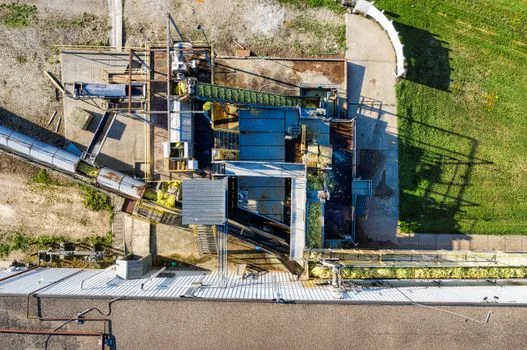
Selecting the optimal system for hospital effluent treatment in Oslo involves comparing Membrane Bioreactors (MBR) and Dissolved Air Flotation (DAF) combined with Chlorine Dioxide (ClO₂) disinfection. Both offer distinct advantages in performance, footprint, and suitability for Oslo’s conditions.
MBR systems for hospital wastewater in Oslo achieve superior effluent quality, with COD removal rates between 95–98% and BOD removal exceeding 99%. These systems are highly compact, requiring a footprint of approximately 0.8 m²/m³/day (HydropureWater MBR Series specs), making them ideal for urban hospitals with limited space. MBR technology exhibits robust cold-climate performance, maintaining over 90% efficiency even at water temperatures as low as 5°C. For pharmaceutical removal, MBR systems are particularly effective, achieving up to 95% removal of diclofenac (Veolia Fuglevik upgrade data).
Conversely, a combination of DAF systems for pre-treatment in Oslo hospitals followed by ClO₂ generators for hospital effluent disinfection in Oslo offers a different profile. This tandem approach typically achieves COD removal of 85–90% and BOD removal of 95%. While their combined footprint is slightly larger at 1.2 m²/m³/day (HydropureWater DAF + ClO₂ specs), DAF systems are highly effective at removing suspended solids, fats, oils, and grease. In cold climates, DAF systems may require approximately 10% higher chemical dosing to maintain optimal performance below 10°C (Ramboll pilot data).
| Feature | MBR Systems | DAF + ClO₂ Systems |
|---|---|---|
| COD Removal | 95–98% | 85–90% |
| BOD Removal | >99% | 95% |
| Footprint | 0.8 m²/m³/day | 1.2 m²/m³/day |
| Cold-Climate Performance (5°C) | 90% efficiency maintained | Requires 10% higher chemical dosing below 10°C |
| Pharmaceutical Removal (Diclofenac) | 95% | 80% |
| Disinfection Method | Membrane barrier (physical) | Chemical (ClO₂) |
| Primary Advantage | Superior effluent quality, compact footprint, high pharmaceutical removal | Effective solids/FOG removal, robust pre-treatment, reliable disinfection |
| Key Consideration | Membrane fouling risk, higher CAPEX | Chemical handling, slightly larger footprint |
Cost Breakdown: CAPEX, OPEX, and ROI for Hospital Systems in Oslo
For procurement teams evaluating hospital wastewater systems in Oslo, understanding both Capital Expenditure (CAPEX) and Operational Expenditure (OPEX) is crucial for budget planning and investment justification. The return on investment (ROI) is driven by avoided fines and reduced discharge fees, making advanced systems a financially prudent choice.
For a typical 50–200 m³/day hospital wastewater treatment system, MBR CAPEX ranges from NOK 2.8M to 5.2M. This includes equipment purchase, installation, and initial operator training. In comparison, DAF + ClO₂ CAPEX for similar capacities, using HydropureWater DAF + ClO₂ generator, is lower, ranging from NOK 1.2M to 3.5M. This difference is largely due to the higher cost of membrane modules in MBR systems.
Regarding OPEX, MBR systems incur costs of NOK 0.85/m³ due to energy consumption for membrane aeration and periodic cleaning. DAF + ClO₂ systems have slightly lower OPEX at NOK 0.65/m³, primarily driven by chemical consumption for coagulation, flocculation, and disinfection (based on 2026 Oslo utility rates). The ROI for compliant systems is significant: reducing discharge fees from NOK 2,500/m³ for non-compliant effluent to approximately NOK 50/m³ for treated effluent. Avoiding substantial fines, such as the NOK 1.8M levied against Ullevål Hospital, solidifies the financial case for investment in advanced hospital wastewater treatment. Financing options include Oslo Municipality grants, covering up to 40% of CAPEX, and green loans with favorable interest rates around 3.5%.
| Cost Category | MBR Systems (50–200 m³/day) | DAF + ClO₂ Systems (50–200 m³/day) |
|---|---|---|
| CAPEX (NOK) | 2.8M – 5.2M | 1.2M – 3.5M |
| OPEX (NOK/m³) | 0.85 | 0.65 |
| ROI Driver 1: Discharge Fee Reduction (NOK/m³) | From 2,500 to ~50 | From 2,500 to ~50 |
| ROI Driver 2: Avoided Fines (Example) | NOK 1.8M (Ullevål Hospital) | NOK 1.8M (Ullevål Hospital) |
| Financing Options | Oslo Municipality grants (up to 40% CAPEX), Green loans (3.5% interest) | Oslo Municipality grants (up to 40% CAPEX), Green loans (3.5% interest) |
Step-by-Step: Selecting the Right System for Your Oslo Hospital
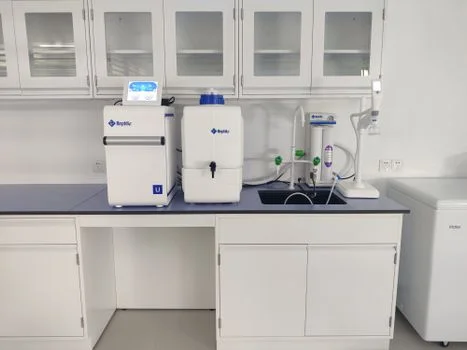
Choosing the correct wastewater treatment system for your Oslo hospital requires a structured evaluation process considering unique site conditions and regulatory demands. A clear decision framework minimizes risks and ensures long-term compliance and cost efficiency.
- Step 1: Assess Flow Rate and Contaminant Load. Begin by characterizing your hospital’s wastewater, determining peak and average flow rates (m³/day) and analyzing the contaminant load, specifically COD, BOD, and pharmaceutical concentrations.
- Step 2: Evaluate Space Constraints. Urban hospitals in Oslo often have limited available space. MBR systems are generally preferred for sites requiring a footprint of less than 1 m²/m³/day due to their compact design.
- Step 3: Compare Cold-Climate Performance. Oslo’s cold climate impacts biological treatment. MBR systems maintain high efficiency even at water temperatures between 5–10°C.
- Step 4: Calculate ROI. Utilize cost data and ROI drivers to project financial benefits. Factor in reduced discharge fees, potential grant funding, and avoided fines to justify the investment.
- Step 5: Pilot Test. For systems designed to treat more than 100 m³/day, Oslo Municipality mandates a 3-month pilot test to verify performance under actual site conditions.
Common mistakes in this selection process include underestimating the specific pharmaceutical load and ignoring potential membrane fouling issues in MBR systems. For smaller clinics or specialized departments,