Iowa industrial wastewater treatment systems in 2026 must hold TSS below 30 mg/L and COD below 250 mg/L for municipal discharge. Food processors, metal finishers, and ethanol plants pair DAF pretreatment with MBR or RO polishing to stay inside those limits and avoid surcharges.
Iowa Industrial Wastewater Treatment Systems 2026: Sectors, Loads, and Permit Pressures
Iowa regulates industrial discharge through NPDES permits administered by the Iowa DNR, with municipal pretreatment programs adding local FOG and metals limits. Food processing contributes roughly 42% of the state's industrial organic load, ahead of metal finishing at 28% and ethanol at 15%. Most plants meet their limits with DAF, MBR, or RO trains sized to the sector's waste profile.
Food processing dominates the state's industrial wastewater sector, accounting for approximately 42% of total industrial organic load according to 2023 DNR data. Metal finishing follows at 28%, ethanol production at 15%, and emerging microelectronics manufacturing at 5%. In Le Mars, a 2014 expansion made the stakes concrete: the city's industrial facility needed a dedicated Dissolved Air Flotation (DAF) system for ice cream and milk wastewater carrying 5,000 mg/L COD. On-site pretreatment let the plant match global benchmarks for food processing wastewater treatment and avoid heavy municipal surcharges.
The Iowa Department of Natural Resources (DNR) has signaled stricter enforcement for the 2026 permit cycle, targeting Total Suspended Solids (TSS) and Chemical Oxygen Demand (COD). Local ordinances in cities like Ames and Algona often impose tighter pretreatment requirements to shield municipal Water Pollution Control (WPC) facilities from shock loads. Documented enforcement actions between 2022 and 2024 ranged from administrative fines to mandatory equipment retrofits. Metal finishing plants face the sharpest scrutiny of heavy metal removal strategies for Iowa metal finishing plants, keeping chromium and nickel below 1 mg/L.
| Industrial Sector | Avg. Flow (m³/day) | Influent COD (mg/L) | Primary Pollutants | 2026 Discharge Target |
|---|---|---|---|---|
| Food Processing | 50–300 | 3,000–8,000 | FOG, TSS, Protein | TSS <30, COD <250 |
| Metal Finishing | 20–100 | 500–1,500 | Cr, Ni, Cu, Cyanide | Heavy Metals <1.0 mg/L |
| Ethanol Plants | 200–1,000 | 2,000–5,000 | BOD, Ammonia | BOD <25, NH3-N <10 |
| Microelectronics | 10–50 | 1,000–3,000 | TDS, Solvents | Zero-Discharge (Reuse) |
Engineering Specs for Iowa's Core Treatment Technologies: DAF, MBR, and RO
Three technologies carry most Iowa industrial loads: DAF for FOG and TSS, MBR for biological nitrogen and reuse quality, and RO for final desalination. The specs below reflect sizing practice for the influent strengths typical of Iowa food, ethanol, and microelectronics plants. Match the train to your discharge target before comparing vendors.
How to Size a DAF System for Iowa Food Processing Wastewater
Dissolved Air Flotation (DAF) systems remove up to 95% of TSS and FOG from high-strength dairy and meat processing effluents. For Iowa influent carrying 200–1,500 mg/L FOG, the DAF provides the critical first pretreatment stage. These units run at a hydraulic loading rate of 5–10 m³/m²·h and need only 0.5–2 m² of footprint per m³/h of capacity. A Le Mars dairy processing 120 m³/day typically doses polymer at 5–10 mg/L and cuts effluent FOG below 100 mg/L with DAF systems for Iowa food processing and metal finishing plants.
Field experience at dairy loadings suggests most plants run near the low end of that polymer band, since milk and ice cream wastes float readily even in winter. Screen out fine solids ahead of the unit; they carry FOG through the float blanket and push chemical use up. Size the scraper for peak slaughter or CIP days, not the daily average.
MBR and RO Specs for Ethanol and Microelectronics Plants
Membrane Bioreactor (MBR) technology is the standard for Iowa ethanol and microelectronics plants needing high-quality effluent for reuse or strict nitrogen removal. The DF series MBR couples biological degradation with membrane filtration and reaches 99% removal of BOD and ammonia. Design specs include a membrane flux of 15–25 LMH and energy consumption of 0.6–1.2 kWh/m³. For semiconductor facilities in Ames, MBR systems for Iowa ethanol and microelectronics plants cut footprint by 60% versus conventional activated sludge, with CIP cleaning only 1–2 times per month.
Reverse Osmosis (RO) polishes zero-liquid-discharge (ZLD) trains across Iowa's industrial corridor. These systems handle feed TDS between 1,000 and 10,000 mg/L and deliver permeate below 50 mg/L TDS. Energy demand for high-recovery units (75–90% recovery) runs 1.5–3.0 kWh/m³ depending on feed osmotic pressure. Protect the membranes with softening plus antiscalant dosing; that discipline sustains the 3–5 year membrane life ethanol plants plan around, and recovered permeate is where RO pays back fastest.
| Parameter | DAF | MBR (DF Series) | RO (Skid-Mounted) |
|---|---|---|---|
| TSS Removal Rate | 90–95% | 99.9% | 99.9% |
| COD Removal Rate | 70–80% | 90–95% | 98%+ |
| Energy Use (kWh/m³) | 0.2–0.5 | 0.6–1.2 | 1.5–3.0 |
| Footprint (m² per m³/h) | 0.5–2.0 | 0.2–0.8 | 0.1–0.3 |
| Typical Application | FOG/TSS Pretreatment | Biological/Nitrogen | Desalination/Reuse |
DAF vs. MBR vs. Conventional Activated Sludge: Which System Fits Your Iowa Facility?
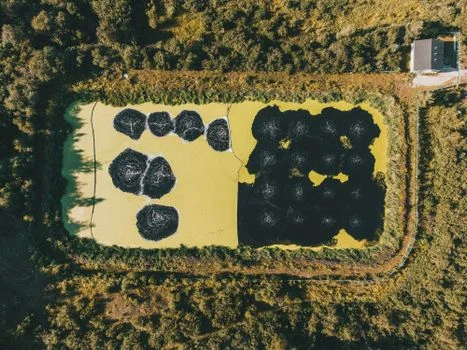
Technology selection in Iowa comes down to hydraulic loading, influent COD, and the discharge limits your municipal pretreatment program enforces. Conventional activated sludge still works for flows above 500 m³/day with moderate pollutant levels, but it consumes acreage for clarifiers and aeration basins. For most Iowa food processors, DAF is the more cost-effective primary treatment because it targets the high-FOG loads that disrupt municipal biology. One Iowa metal finishing plant moved from conventional treatment to a DAF-MBR hybrid, dropping TSS from 120 mg/L to below 10 mg/L and cutting surcharges by 65%.
Small plants and general manufacturers have a third path: an Underground Package Sewage Treatment Plant (WSZ Series) buried on site, which frees surface area and keeps biology stable through Iowa winters. Seasonal temperature swings are a common blind spot here. Biological kinetics in conventional activated sludge can drop by 50% when wastewater temperatures fall below 50°F (10°C). MBR systems offset that risk with higher Mixed Liquor Suspended Solids (MLSS), which hold process stability through cold months.
On CAPEX, DAF systems are the most accessible entry point at $80,000 to $300,000 for mid-sized plants. MBR systems carry a higher initial investment of $200,000 to $1.2M but remain the only route to high-level nutrient removal and water reuse. Use this checklist to lock the choice quickly. Confirm peak-day flow and the COD profile behind it, verify the municipal surcharge formula, and check winter design temperature for the biology.
| Criteria | DAF | MBR | Conventional Sludge |
|---|---|---|---|
| Best Industry Fit | Dairy, Meat, Poultry | Ethanol, Semi-con | General Manufacturing |
| CAPEX (Mid-range) | $150,000 | $650,000 | $400,000 |
| OPEX ($/m³) | $0.10–$0.30 | $0.40–$0.80 | $0.20–$0.50 |
| Space Requirement | Low | Very Low | High |
| Reuse Potential | Limited (Pretreat) | High (Irrigation/Cooling) | Moderate |
Iowa NPDES Permit Compliance: Metal Finishing Wastewater, Permit Timelines, and Discharge Strategy
Iowa NPDES permit compliance for metal finishing wastewater starts at the federal baseline, 40 CFR Part 433, which the EPA promulgated in 1983 with technical amendments in 1984 and 1986, according to US EPA. The Iowa DNR administers those limits through state permits. According to Iowa DNR, individual NPDES permits are usually issued for five years, and the facility must reapply before the expiration date. Industries discharging to a municipal sewer may also need a treatment agreement with the receiving city.
On timing, the Iowa DNR requires industrial facilities to submit renewal applications 90 days before existing NPDES permits expire, and new facilities must file at least 180 days before the anticipated discharge date. For metal finishing, heavy metals (Cr, Ni, Cu) must stay below 1 mg/L per EPA 40 CFR 433. Watch the federal horizon too: according to US EPA, the agency is conducting a rulemaking to address PFAS discharges from a subset of metal finishing facilities, including chrome plating and chromium anodizing operations. Budget spare sample ports and monitoring scripts now so a PFAS parameter can be added without new construction.
Iowa Industrial Pretreatment Program FOG Removal Targets
Iowa industrial pretreatment program FOG removal targets typically cap FOG below 100 mg/L and pH between 6.0 and 9.0 for food processing dischargers. A multi-barrier treatment approach keeps compliance risk low across changing permit cycles. In the ethanol sector, Iowa DNR 2023 guidance keeps ammonia below 10 mg/L for most direct dischargers. Local programs in Ames and Algona layer additional limits to protect downstream biological processes.
Sludge management is the other half of the compliance picture. High-pressure sludge dewatering for Iowa industrial facilities with plate-and-frame presses cuts waste volume by up to 70%, lowering disposal costs at regional landfills. Unannounced DNR inspections often focus on flow meter calibration and sampling port accessibility. On-site ClO₂ generation removes bulk chlorine storage while keeping effluent inside pathogen limits, and an MBR-RO zero-discharge strategy remains the strongest defense against shifting thresholds because it exits the municipal discharge pool entirely.
- Permit Timeline: 180 days for new permits; 90 days for renewals.
- Monitoring: Daily flow recording and weekly composite sampling for COD/TSS.
- Pretreatment: Heavy metals (Cr, Ni, Cu) must be <1 mg/L per EPA 40 CFR 433.
- Sludge: Must pass the Paint Filter Liquid Test (EPA Method 9095B) before landfilling.
- Disinfection: On-site generation preferred to minimize hazardous chemical transport.
Document compliance data as you generate it. Daily flow records and weekly composite samples for COD and TSS are the first items an inspector requests, and missing logs can turn a routine visit into a notice of violation. Keep calibration certificates for flow meters in the permit file.
Cost of Industrial Wastewater Treatment System Iowa Plants Face: CAPEX, OPEX, and ROI
Capital expenditure for industrial wastewater treatment in Iowa runs from $1,000 to $5,000 per cubic meter of daily capacity, set by required effluent quality and technology choice. A DAF system typically needs $1,000–$3,000 per m³/h of capacity, while MBR systems range from $2,000 to $5,000 per m³/day. These figures track U.S. cost benchmarks for industrial wastewater treatment. Iowa facilities can also tap the DNR Water Quality Improvement Fund, which covers up to 50% of zero-discharge upgrade costs.
Operating expenses divide across energy, chemical dosing, and sludge disposal. A typical Iowa food plant treating 300 m³/day saves roughly $150,000 per year in municipal surcharges after moving to an on-site DAF-MBR system. Add water recovery — 80% of effluent reclaimed for cooling towers at $4.00 per 1,000 gallons — and a $600,000 investment often reaches ROI in under 4.5 years. Rural plants should also screen USDA Rural Development grants, which provide up to $1M for wastewater infrastructure in rural Iowa communities.
| Technology | CAPEX Range (Iowa) | Annual OPEX (per 1,000 m³) | Est. ROI (Years) |
|---|---|---|---|
| DAF System | $80k – $300k | $100 – $300 | 2.0 – 3.5 |
| MBR System | $200k – $1.2M | $400 – $800 | 4.0 – 6.0 |
| RO System | $75k – $250k | $150 – $400 | 3.0 – 5.0 |
| Filter Press | $40k – $150k | $50 – $150 | 1.5 – 2.5 |
Who should act first: food processors facing FOG surcharges, metal finishers approaching renewal, and ethanol plants paying for cooling makeup water. Teams benchmarking 2026 specifications against other markets can compare the Ajman Industrial Effluent Guide: 2026 Specs and Compliance. When you are ready to price a train against your own influent data, send flow and pollutant profiles through our RFQ page for an equipment quotation.
Frequently Asked Questions
What are the Iowa DNR limits for industrial wastewater discharge in 2026?
Most Iowa industrial facilities must meet TSS below 30 mg/L and COD below 250 mg/L for municipal discharge in the 2026 permit cycle. Metal finishing dischargers must also comply with EPA 40 CFR 433, which keeps chromium and nickel below 1.0 mg/L. Local pretreatment programs in cities like Ames can set lower thresholds to prevent interference with city treatment processes.
What are the Iowa NPDES permit compliance metal finishing wastewater limits for chromium and nickel?
Iowa NPDES permit compliance keeps metal finishing wastewater inside EPA 40 CFR 433 pretreatment standards, with chromium, nickel, and copper each held below 1 mg/L. Iowa DNR permits are usually issued for five years, with renewal applications due 90 days before expiration and new discharges filed 180 days ahead. Check your treatment agreement for municipal surcharge triggers above those limits.
How much does a DAF system cost for an Iowa food processing plant?
A DAF system for a mid-sized Iowa food processing plant treating 50–150 m³/day typically costs $80,000 to $250,000 in CAPEX. Annual OPEX for polymer chemicals and energy runs $0.10 to $0.30 per cubic meter treated. Most facilities recover the investment within about 3 years by eliminating high-strength organic surcharges from municipal bills.
Can Iowa ethanol plants reuse wastewater for process cooling?
Yes, an MBR-RO hybrid lets Iowa ethanol plants recover up to 85% of wastewater for cooling tower makeup or boiler feed. This zero-discharge approach cuts raw water intake and removes NPDES discharge exposure. Energy consumption for the recovery loop typically runs 2.0–4.0 kWh/m³ of reclaimed water.
What is the best way to handle industrial sludge in Iowa?
Plate-and-frame filter presses are the most efficient dewatering method for industrial sludge in Iowa. They raise solids concentration to 30–45%, enough to pass the Paint Filter Liquid Test (EPA Method 9095B) that Iowa landfills require. Dewatering cuts transportation and disposal costs by over 60% compared with liquid sludge hauling.
Are there grants available for wastewater upgrades in Iowa?
Yes, Iowa facilities can access the Iowa DNR Water Quality Improvement Fund and USDA Rural Development grants. The USDA program targets food processing and manufacturing plants in rural areas, offering grants and low-interest loans up to $1M for infrastructure that improves compliance and efficiency. Stack those funds against the 50% zero-discharge cost share before sizing CAPEX.