MBR Wastewater Treatment System in Israel: Tech, Costs & Case Data
MBR wastewater treatment systems in Israel deliver high-quality effluent for irrigation, with installations like HaSolelim’s 4,000 m³/d plant using BIO-CEL® XL modules achieving 11,520 m² total membrane area and requiring chemical cleaning every 10–14 days with 500–750 ppm NaOCl. These advanced systems are instrumental in supporting Israel’s 90% wastewater reuse rate—the world’s highest. For B2B engineers and procurement managers evaluating MBR wastewater treatment system in Israel, understanding the technical performance, operational data, and specific design considerations for the local climate and regulations is paramount.Why Israel Leads in MBR-Based Wastewater Reuse
Israel reuses over 90% of its treated wastewater for agriculture, establishing the highest rate globally and demonstrating a critical national commitment to water security (per People Also Ask research). This unparalleled commitment is driven by severe water scarcity, which necessitates the adoption of advanced treatment technologies such as MBR for consistent, high-quality effluent. National policy mandates high reuse targets, and MBR systems enable compliance with stringent irrigation standards, typically requiring effluent quality below 2 NTU and fecal coliform counts under 1,000 CFU/100mL. The reliable performance and compact footprint of MBR technology make it a preferred solution for maximizing water resource utilization across the nation, particularly in municipal and agricultural contexts.How MBR Systems Work in Israeli Municipal Plants
Performance Data from HaSolelim: A Working MBR Case Study
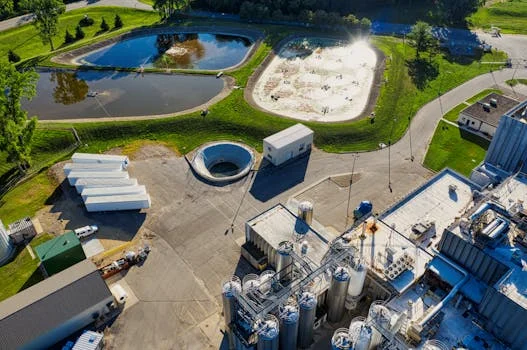
Concrete operational data from real-world installations provides critical benchmarks for evaluating MBR system performance. The municipal wastewater treatment plant in HaSolelim, Israel, processes 4,000 m³/d (1.06 MGD) of municipal wastewater, making it a significant example of MBR deployment in the region (per Mann+Hummel case study). This facility utilizes 6 BIO-CEL® XL MBR modules, arranged in two parallel lines with three modules each, contributing to a substantial total membrane area of 11,520 m². Maintenance protocols at HaSolelim include routine backwashing every 10–14 days, employing a solution of 500–750 ppm sodium hypochlorite to maintain flux rates and prevent irreversible fouling. The consistent performance of this integrated MBR membrane bioreactor system ensures effluent quality suitable for unrestricted irrigation, meeting the rigorous requirements of Israeli Standard 1085, which includes parameters for suspended solids, BOD, and fecal coliform.Flat Sheet vs Hollow Fiber MBR: Technology Comparison for Israel
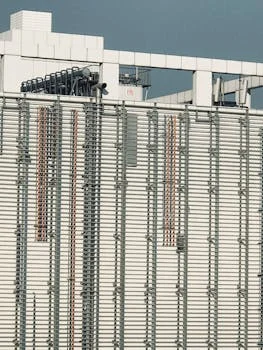
| Parameter | Flat Sheet MBR (e.g., HydropureWater DF Series) | Hollow Fiber MBR (e.g., PURON) |
|---|---|---|
| Pore Size | 0.1 μm (typical) | 0.03–0.4 μm (typical) |
| Energy Consumption (kWh/m³) | 0.8–1.2 | 1.2–1.8 |
| Fouling Resistance | High, especially with high-solids streams | Moderate, susceptible if pretreatment is poor |
| Packing Density | Moderate | High |
| Maintenance & Cleaning | Easier to clean, individual element replacement possible | More complex cleaning for deep fouling, module replacement |
| Pretreatment Requirements | Less stringent for solids, but still crucial | More stringent to prevent internal fouling |
| Typical Lifespan (years) | 5–7+ (with proper operation) | 5–7+ (with proper operation) |
Designing MBR Systems for Israeli Climate and Regulations
Effective MBR system deployment in Israel requires careful consideration of local environmental conditions and regulatory mandates. The high ambient temperatures prevalent in the region increase biological activity within the bioreactor, necessitating vigilant dissolved oxygen (DO) monitoring to prevent sludge bulking and maintain optimal microbial conditions. Additionally, influent wastewater in Israel can often be alkaline, which may require pH adjustment upstream of the MBR process through acid dosing systems to optimize biological activity and prevent scaling on membranes. Compliance with Israeli Standard 1085 is non-negotiable for unrestricted irrigation, mandating stringent effluent quality parameters: biochemical oxygen demand (BOD) typically <10 mg/L, total suspended solids (TSS) <5 mg/L, and fecal coliform <1,000 CFU/100mL. MBR systems are inherently well-suited to achieve these low limits. seasonal flow variations, particularly significant in agricultural reuse contexts, require robust design features such as equalization lagoons or automated flow control mechanisms to ensure consistent MBR performance and prevent hydraulic shock. Understanding MBR system deployment in arid Central Asia with cost benchmarks can also offer valuable insights for project planning in similar climates.Frequently Asked Questions
What is the average lifespan of MBR membranes in Israeli plants?
MBR membranes in Israeli plants typically last 5–7 years, provided there is proper maintenance, consistent cleaning cycles, and adequate pretreatment.
How much energy does an MBR system use in Israel?
Energy consumption for MBR systems in Israel generally ranges between 0.8–1.8 kWh/m³, depending on the specific membrane type (flat sheet often lower), aeration design, and operational parameters.
Can MBR systems handle industrial wastewater in Israel?
Yes, MBR systems can effectively treat industrial wastewater in Israel, but proper pretreatment is crucial, especially for streams high in fats, oils, grease (FOG) or total suspended solids (TSS), to prevent membrane fouling.
Is remote monitoring used in Israeli MBR plants?
Remote monitoring is increasingly adopted in Israeli MBR plants, particularly for unmanned rural installations, to optimize operational efficiency, predict maintenance needs, and respond rapidly to system anomalies.
What are the main challenges of MBR in hot climates?
Challenges for MBR in hot climates include higher evaporation rates, increased microbial growth which can lead to sludge bulking, and a greater potential for membrane fouling if organic or hydraulic loading exceeds design specifications without proper management. Field-tested fixes for MBR fouling, low flux, and cleaning inefficiency can provide practical solutions for these challenges.
Related Equipment
- integrated MBR membrane bioreactor system with 60% smaller footprint — view specifications, capacity range, and technical data
- DF series PVDF flat sheet membrane module with 0.1 μm filtration — view specifications, capacity range, and technical data
Need a customized solution? Request a free quote with your specific flow rate and pollutant parameters.