Texturing wastewater from air-jet texturing processes typically contains 500–2,000 mg/L Chemical Oxygen Demand (COD), 500–1,500 Pt-Co color units, and 1,500–5,000 mg/L Total Dissolved Solids (TDS), consistently exceeding EPA 40 CFR Part 410 limits (COD <100 mg/L, color <50 Pt-Co). Hybrid Dissolved Air Flotation (DAF)-Reverse Osmosis (RO)-Membrane Bioreactor (MBR) systems achieve up to 97% water recovery and zero-discharge compliance, reducing TDS to <50 mg/L while recycling 95% of treated water back into production (2025 case study). In contrast, chemical precipitation alone delivers up to 92% COD removal but necessitates significant sludge handling, costing $0.50–$2.00/m³ for disposal.
Why Texturing Wastewater Fails Compliance: Contaminant Profiles and Regulatory Limits
Air-jet texturing wastewater contains emulsified spin-finish oils (100–1,000 mg/L surfactants), synthetic dyes (50–500 mg/L), and TDS (1,500–5,000 mg/L), per EU BREF 2024 data. These complex organic compounds, originating from lubricants, antistatic agents, and sizing chemicals used in the texturing process, contribute significantly to the high Chemical Oxygen Demand (COD) and persistent color observed in the effluent. The presence of these recalcitrant substances means that conventional biological treatment systems often struggle to achieve the stringent discharge limits. For example, the wastewater's pH can fluctuate widely between 3 and 12, directly inhibiting microbial activity in activated sludge systems and causing COD removal to plateau at 60–70% (HydropureWater 2025 field data).
Lubricants and antistatic agents introduce fats, oils, and grease (FOG) as well as complex hydrocarbons, which are difficult for microorganisms to degrade. Synthetic dyes, particularly those used in textile dyeing, are often highly resistant to biodegradation due to their complex aromatic structures and can persist in the environment, imparting significant color to the effluent. Sizing chemicals, used to strengthen yarns, add further organic load and can contribute to the overall TDS. These factors collectively push the effluent quality beyond regulatory benchmarks set by global authorities.
Regulatory bodies like the EPA (40 CFR Part 410) and the EU BREF for the textile industry set strict limits to protect aquatic ecosystems and ensure public health. Typical limits include COD <100 mg/L, color <50 Pt-Co units, and heavy metals (e.g., chromium <0.5 mg/L). Failing to meet these limits can result in substantial fines, production halts, and reputational damage for textile manufacturers. Understanding the specific contaminant profile is the first step toward designing an effective and compliant textile wastewater treatment strategy.
| Parameter | Air-Jet Texturing Wastewater (Typical Influent) | EPA 40 CFR Part 410 Limit (Textile) | EU BREF Limit (Textile) |
|---|---|---|---|
| COD (mg/L) | 500–2,000 | <100 | <100 |
| Color (Pt-Co units) | 500–1,500 | <50 | <50 |
| TDS (mg/L) | 1,500–5,000 | N/A (often regulated by local discharge) | N/A (often regulated by local discharge) |
| Surfactants (mg/L) | 100–1,000 | N/A | N/A |
| pH | 3–12 | 6–9 | 6–9 |
| Heavy Metals (e.g., Cr, mg/L) | 0.1–1.0 | <0.5 | <0.5 |
Hybrid DAF-RO-MBR Systems: Engineering Specs for Zero-Discharge Compliance
DAF systems for high-efficiency FOG and suspended solids removal pre-treat texturing wastewater by removing 90–95% of suspended solids and FOG, significantly reducing membrane fouling in downstream RO and MBR units (EPA 2024 benchmarks). The DAF process involves introducing fine air bubbles into the wastewater, which attach to suspended particles, causing them to float to the surface for skimming. Typical hydraulic loading rates for DAF range from 2–4 m/h, with an air-to-solids ratio of 0.02–0.05, ensuring effective separation of emulsified oils and suspended solids. This crucial pre-treatment step is vital for protecting sensitive membrane technologies that follow.
Following DAF and an equalization tank to buffer flow and contaminant loads, integrated MBR systems for near-reuse-quality effluent (<1 μm filtration) become the core biological treatment stage. Utilizing 0.1 μm PVDF membranes, MBRs deliver effluent with COD <50 mg/L and color <30 Pt-Co units. The MBR eliminates the need for secondary clarifiers, reducing the overall system footprint by up to 60%. Key operational parameters include a Mixed Liquor Suspended Solids (MLSS) concentration of 8,000–12,000 mg/L and a Solids Retention Time (SRT) of 20–30 days. For system sizing, the required membrane area (A) can be calculated by dividing the design flow rate (Q) by the chosen flux rate (J), typically J = 10–20 LMH (Liters per square meter per hour) for textile wastewater, so A = Q/J.
The final purification stage employs RO systems for 95–98% TDS rejection and water reuse. Using high-rejection RO membranes, such as Dow Filmtec BW30-400 or equivalent, these systems produce permeate with <50 mg/L TDS, suitable for direct recycling back into texturing processes. Typical operating pressures range from 10–15 bar, with a recovery rate of 75–85%. Post-RO, the water often undergoes UV disinfection to ensure microbiological safety before reuse. The overall process flow is DAF → equalization tank → MBR → RO → UV disinfection. Energy consumption for the entire hybrid system typically ranges from 0.8–1.2 kWh/m³, and membrane lifespan for both MBR and RO units is typically 5–7 years with proper maintenance and cleaning. For RO system sizing, the number of pressure vessels and membranes depends on the required permeate flow and the selected membrane's flux and rejection characteristics, often determined through specialized RO membrane selection guide for industrial wastewater recovery software.
| Parameter | Influent (Pre-DAF) | DAF Effluent | MBR Effluent | RO Permeate |
|---|---|---|---|---|
| COD (mg/L) | 500–2,000 | 200–800 | <50 | <10 |
| Color (Pt-Co units) | 500–1,500 | 200–500 | <30 | <5 |
| TDS (mg/L) | 1,500–5,000 | 1,500–5,000 | 1,500–5,000 | <50 |
| TSS (mg/L) | 100–500 | <50 | <5 | <1 |
| FOG (mg/L) | 50–200 | <10 | <1 | <0.5 |
| pH | 3–12 | 6–9 | 6.5–8.5 | 6.5–8.0 |
Chemical Precipitation: Costs, Sludge Handling, and Compliance Trade-offs
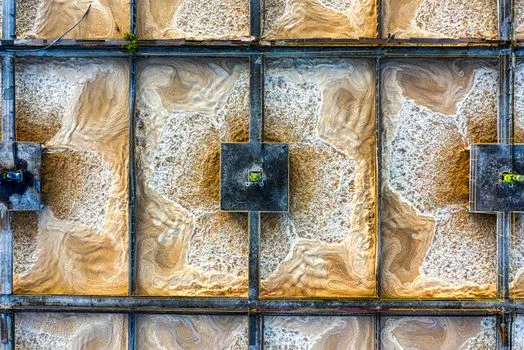
Chemical precipitation utilizes coagulant dosing, typically FeSO4 at 200–300 mg/L or Al2(SO4)3 at 300–500 mg/L, with pH adjustment to 8.5–11, to destabilize suspended solids and dissolved contaminants in texturing wastewater (EPA 2024 guidelines). This process effectively removes a significant portion of COD and color by forming flocs that can be physically separated. For influent COD concentrations of 500 mg/L, chemical precipitation can achieve up to 92% COD removal; however, for higher influent loads of 2,000 mg/L COD, removal efficiency typically drops to around 85% (HydropureWater 2025 data). While effective for initial pollutant reduction, its limitations become apparent when striving for stringent zero-discharge targets.
A major challenge with chemical precipitation is the substantial volume of sludge generated, typically 0.3–0.5 kg dry solids/m³ of treated wastewater. This sludge requires further processing, such as dewatering using a plate-frame filter press, to reduce its volume before disposal. The disposal of dewatered sludge incurs significant costs, ranging from $150–$300/ton, based on a 2026 cost model, which contributes substantially to the overall operational expenditure (OPEX). The OPEX for chemical precipitation systems generally falls between $0.50–$2.00/m³ of treated water, primarily driven by chemical consumption and sludge disposal fees. This contrasts with the higher but often more value-driven OPEX of $1.20–$2.50/m³ for hybrid DAF-RO-MBR systems, which include water recovery benefits.
Despite its cost-effectiveness in initial contaminant removal, chemical precipitation has several limitations. Its performance is highly sensitive to pH fluctuations, requiring precise PLC-controlled chemical dosing for pH adjustment and coagulant injection. Color removal can be variable, often failing to meet the strict <50 Pt-Co units required for discharge or reuse. Crucially, chemical precipitation cannot reduce Total Dissolved Solids (TDS) significantly, rendering it unsuitable for achieving zero-discharge targets or high levels of water recovery, which are increasingly demanded by environmental regulations and resource scarcity. The treated effluent, even after precipitation, often remains unsuitable for direct reuse in industrial processes without further advanced treatment.
| Cost Category | Chemical Precipitation (Typical Range per m³) | Notes |
|---|---|---|
| Coagulants (e.g., FeSO4, Al2(SO4)3) | $0.15–$0.50 | Depends on influent COD, color, and chemical prices. |
| pH Adjustment Chemicals (e.g., NaOH, H2SO4) | $0.05–$0.20 | Depends on influent pH variability and target pH. |
| Sludge Dewatering & Disposal | $0.30–$1.00 | Based on 0.3–0.5 kg dry solids/m³ and $150–$300/ton disposal. |
| Energy (Pumps, Mixers) | $0.05–$0.15 | Lower energy demand compared to membrane systems. |
| Labor & Maintenance | $0.05–$0.15 | Routine monitoring, chemical loading, sludge handling. |
| Total OPEX | $0.50–$2.00/m³ | Excludes initial capital investment. |
Cost Comparison: Hybrid Systems vs. Chemical Precipitation for Texturing Wastewater
Hybrid DAF-RO-MBR systems represent a higher initial capital expenditure (CAPEX) of $1.2M–$3.5M for 10–50 m³/h capacity, compared to $300K–$800K for chemical precipitation systems (2026 pricing), but offer substantial long-term operational savings and superior compliance. While the upfront investment for hybrid systems is greater, their ability to achieve zero-discharge and high water recovery rates fundamentally alters the economic equation. These systems reduce reliance on freshwater intake and eliminate discharge fees, which can be significant for industrial facilities. For example, a plant with a 20 m³/h wastewater stream operating 24/7 could save $0.30–$0.80/m³ in sludge disposal and chemical costs by opting for a hybrid system over chemical precipitation alone, leading to a typical payback period of 3–5 years primarily through water reuse.
The return on investment (ROI) for hybrid systems is accelerated by the value of recovered water. With 95% water recovery, a plant treating 20 m³/h can reclaim approximately 19 m³/h of process water. This directly offsets the cost of purchasing fresh water and significantly reduces discharge volumes, thereby minimizing associated fees and potential penalties for non-compliance. The enhanced compliance reliability of hybrid systems also mitigates the risk of fines and production interruptions, which can represent substantial hidden costs for manufacturers.
When evaluating these systems, procurement teams should consider not just the immediate CAPEX but the total cost of ownership over a 10-15 year lifespan, including OPEX, regulatory compliance, and resource recovery benefits. The decision framework for choosing between these technologies hinges on a plant's specific compliance goals, desired water recovery rates, and long-term sustainability objectives. While activated sludge offers a lower CAPEX than hybrid systems, its inability to handle high COD, color, and TDS, especially from air-jet texturing effluent, makes it unsuitable for achieving modern environmental standards without extensive pre- and post-treatment.
| Feature | Hybrid DAF-RO-MBR | Chemical Precipitation | Conventional Activated Sludge |
|---|---|---|---|
| CAPEX (10-50 m³/h) | $1.2M–$3.5M | $300K–$800K | $200K–$600K |
| OPEX (per m³) | $1.20–$2.50 (offsets by water reuse) | $0.50–$2.00 (high sludge cost) | $0.30–$1.00 (lower chemical/sludge) |
| Footprint (relative) | Compact (60% smaller than CAS) | Moderate | Large |
| Compliance Reliability | Excellent (zero-discharge capable) | Moderate (struggles with color/TDS) | Low (fails high COD/color/TDS) |
| Water Recovery | Up to 97% | <10% (not designed for recovery) | <10% (not designed for recovery) |
| Sludge Generation | Low (biological sludge) | High (chemical sludge) | Moderate (biological sludge) |
| TDS Removal | >95% | <10% | <10% |
Troubleshooting Texturing Wastewater Treatment: Common Failures and Fixes
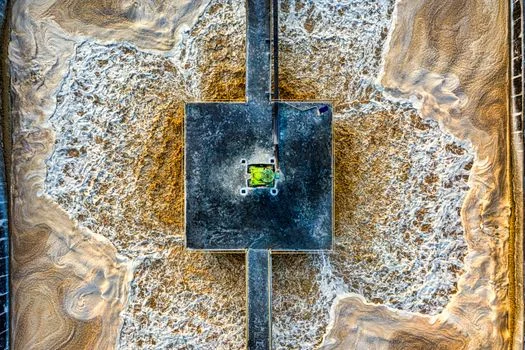
Membrane fouling, often caused by the accumulation of FOG (fats, oils, and grease) or high TDS on the membrane surface, is a primary operational challenge in MBR and RO systems, leading to reduced flux and increased energy consumption. Regular monitoring of transmembrane pressure (TMP) and permeate flow is crucial for early detection. When flux declines significantly or TMP rises, chemical cleaning is necessary. For organic fouling, a citric acid solution (pH 2–3) can be used for cleaning every 3–6 months, following manufacturer guidelines like those from Dow Filmtec. For inorganic scaling, specialized descalants are applied.
pH instability in the equalization or pre-treatment stages can severely inhibit coagulation in chemical precipitation or impact biological activity in MBRs. Texturing wastewater often exhibits pH fluctuations between 3 and 12, requiring robust pH control. The fix involves implementing PLC-controlled chemical dosing for pH adjustment and coagulant injection, coupled with adequately sized equalization tanks to buffer these swings. Automatic dosing systems with real-time pH monitoring can maintain the optimal pH range (e.g., 6.5–8.5 for MBR, 8.5–11 for coagulation).
Sludge bulking, characterized by poor settling of activated sludge flocs, is a common issue in MBR and conventional biological systems, caused primarily by the proliferation of filamentous bacteria under specific conditions (e.g., low dissolved oxygen, nutrient imbalance, or high FOG). To diagnose, observe sludge volume index (SVI) and microscopic examination. Solutions include chlorination (2–5 mg/L) to control filamentous growth, optimizing dissolved oxygen levels, or incorporating anoxic selectors (A/O process) to favor floc-forming bacteria. In MBRs, this manifests as increased aeration demand and potential membrane clogging.
RO scaling, primarily caused by the precipitation of sparingly soluble salts like calcium carbonate (CaCO3), calcium sulfate, or silica, can severely damage membranes and reduce efficiency. This is particularly prevalent in zero-discharge systems for heavy metal and TDS removal in industrial wastewater where concentration factors are high. To diagnose, monitor permeate conductivity and pressure drop across the RO system. The fix involves precise antiscalant dosing (1–3 mg/L, tailored to water chemistry) and maintaining feed water pH within optimal ranges (e.g., 6.5–7.0 for CaCO3 control). Regular chemical cleaning is also essential to remove accumulated scale.
Troubleshooting Flowchart: Symptom → Cause → Diagnostic Test → Solution
- Symptom: Reduced Permeate Flow / Increased Transmembrane Pressure (TMP) in MBR/RO.
- Cause: Membrane Fouling (Organic, Inorganic, Biological).
- Diagnostic Test: Check TMP/Flux trends, inspect membrane surface, perform chemical cleanability test.
- Solution: Implement routine Chemical Enhanced Backwash (CEB) or Clean-In-Place (CIP) with appropriate chemicals (e.g., citric acid for organic, specific descalants for inorganic). Optimize pre-treatment (DAF) to reduce fouling load.
- Symptom: Fluctuating Effluent pH / Inconsistent Coagulation.
- Cause: Variable Influent pH / Inadequate Dosing Control.
- Diagnostic Test: Monitor influent and effluent pH continuously, verify dosing pump calibration.
- Solution: Ensure sufficient equalization tank volume. Install a robust automatic chemical dosing system with pH probes and PLC control for precise acid/alkali addition.
- Symptom: High Effluent COD / Poor Color Removal from MBR.
- Cause: Biological Inhibition / Ineffective Dye Degradation.
- Diagnostic Test: Analyze MLSS concentration, dissolved oxygen, microscopic examination of activated sludge, specific dye analysis.
- Solution: Optimize aeration and nutrient balance. Check for toxic shock loads. Consider adding specialized microbial cultures or integrating advanced oxidation processes if recalcitrant dyes persist.
- Symptom: Increased Sludge Volume Index (SVI) / Poor Settling (if secondary clarifier is present, or MBR aeration issues).
- Cause: Filamentous Bulking / Nutrient Imbalance / Low DO.
- Diagnostic Test: Measure SVI, microscopic analysis of sludge.
- Solution: Implement short-term chlorination (2-5 mg/L). Adjust F/M ratio. Increase dissolved oxygen in aeration tank. Consider anoxic selectors.
- Symptom: High Conductivity in RO Permeate / Increased Differential Pressure across RO.
- Cause: RO Membrane Scaling / Fouling / Damage.
- Diagnostic Test: Check feed water chemistry (LSI, SDI), antiscalant dosing rate, membrane integrity test.
- Solution: Optimize antiscalant dosing based on water analysis. Adjust feed pH. Perform regular CIP. If rejection remains low after cleaning, membrane replacement may be necessary.
Frequently Asked Questions
Answering common questions about texturing wastewater treatment systems can clarify technical specifications, cost implications, and compliance requirements for industrial stakeholders.
What is the lifespan of an MBR membrane in texturing wastewater?
MBR membranes, typically PVDF, have a lifespan of 5–7 years with consistent monthly maintenance cleaning and proper pre-treatment (HydropureWater 2025 field data).
What are the EPA limits for texturing wastewater?
EPA 40 CFR Part 410 limits for textile effluents typically require COD <100 mg/L and color <50 Pt-Co units, with specific limits for heavy metals.
How much does a DAF system cost for texturing wastewater?
A DAF system for texturing wastewater typically costs between $80K–$300K for capacities ranging from 10–50 m³/h, depending on features and materials (2026 pricing).
Can chemical precipitation achieve zero discharge for texturing wastewater?
No, chemical precipitation alone cannot achieve zero discharge; it generates significant sludge and its treated effluent still contains elevated TDS, making direct reuse or zero discharge unfeasible without further advanced treatment.
What is the typical water recovery rate for hybrid DAF-RO-MBR systems?
Hybrid DAF-RO-MBR systems are engineered to achieve high water recovery, typically reaching up to 97% for texturing wastewater, enabling significant water reuse (2025 case study).
What are the main advantages of MBR over conventional activated sludge for texturing wastewater?
MBR systems eliminate secondary clarifiers, reduce the overall footprint by up to 60%, and produce a much higher quality effluent (e.g., COD <50 mg/L, color <30 Pt-Co) due to superior solids separation and biological activity.
Is heavy metal removal a concern in texturing wastewater?
Yes, some texturing processes, especially those involving certain dyes or mordants, may introduce heavy metals (e.g., chromium), which must be removed to meet strict regulatory limits (e.g., EU BREF chromium <0.5 mg/L).