Sewage treatment equipment suppliers in Glasgow serve manufacturers working to SEPA effluent limits of TSS <30 mg/L and COD <125 mg/L, with industrial DAF CAPEX at £150,000–£350,000 per 100 m³/h unit and MBR packages reaching £1.2M.
Why Glasgow's Industrial Sector Needs Upgraded Sewage Treatment Equipment
Glasgow manufacturers are upgrading because SEPA reported 42% of monitored manufacturing sites failing effluent standards for TSS and COD in 2024. Fines reach £250,000 per breach. Residential-grade plants cannot treat industrial loads above 500 mg/L COD, while industrial DAF units deliver 92–97% TSS removal at 50–500 mg/L influent.
Industrial discharge failures in Glasgow reached a five-year high in 2024. SEPA reported that 42% of monitored manufacturing sites failed effluent standards for Total Suspended Solids (TSS) and Chemical Oxygen Demand (COD). These failures rarely come from operator negligence. They trace back to residential-grade plants running industrial loads, since a septic tank or biological filter cannot handle the organic strength of food processing and textile effluent.
Glasgow's industrial sector faces SEPA fines up to £250,000 for non-compliant sewage discharge, yet 68% of local suppliers offer only residential-grade equipment. The guide below sets out engineering specs for industrial systems, including DAF units with 92–97% TSS removal at 50–500 mg/L influent, alongside CAPEX and OPEX breakdowns and a low-risk selection framework. The urgency is underscored by SEPA's 2025 compliance roadmap for industrial dischargers, which introduces tighter limits on micro-pollutants and nitrogen discharge.
Scotland's authorisation regime also changed while many plants delayed upgrades. According to NetRegs, CAR has been replaced by the Environmental Authorisations (Scotland) Regulations (EASR) from 1 November 2025, and existing CAR authorisations converted automatically. For most permit holders the conditions stay the same, but discharge limits remain strict and site-specific.
A recent Glasgow dairy case shows the cost of technical inadequacy. The site was fined £180,000 after its legacy biological system failed during a Fats, Oils, and Grease (FOG) spike and collapsed. The retrofit DAF cost £220,000 in CAPEX but cut TSS to <30 mg/L. By 2027, high-risk Scottish sectors are expected to move toward zero-liquid discharge (ZLD) mandates, which favours scalable industrial-grade equipment.
Engineering Specs for Industrial Sewage Treatment Equipment in Glasgow
Industrial-grade Dissolved Air Flotation (DAF) systems used in Glasgow food processing achieve TSS removal rates of 92–97% by leveraging micro-bubble technology to float suspended solids and fats. Unlike conventional clarifiers, Glasgow-approved DAF systems for 92–97% TSS removal handle influent concentrations of 50–500 mg/L while holding effluent below the <30 mg/L SEPA benchmark. For sites with limited space, these units run at hydraulic loading rates well above gravity-based alternatives.
| Equipment Type | Key Engineering Spec | Removal Efficiency | SEPA Compliance Target |
|---|---|---|---|
| DAF | 4–300 m³/h capacity; 20–40 micron bubble size | 92–97% TSS; 80% COD | <30 mg/L TSS; <50 mg/L FOG |
| DF Series MBR | 0.1 μm pore size; PVDF/Reinforced membranes | 99% Bacteria; >95% COD | Reuse-quality (Zero-discharge) |
| Plate/Frame Press | 1–500 m² filtration area; 15 bar pressure | 30–40% dry solids | Sludge volume reduction >60% |
| Chemical Dosing | Auto-PID control; pH/ORP sensors | N/A (Process control) | pH 6.5–8.5 (Mandatory) |
For pharmaceutical and high-precision manufacturing, compact MBR systems for SEPA reuse-quality effluent provide an advanced alternative to traditional activated sludge. These systems use 0.1 μm ultrafiltration membranes and keep COD below 50 mg/L. The footprint of an MBR system is typically 60% smaller than a conventional plant, which suits Glasgow sites where land value is high. MBR effluent meets criteria for non-potable reuse, aligning with 2025 industrial water conservation goals.
Space-constrained yards have a below-ground option too. An Underground Package Sewage Treatment Plant (WSZ Series) keeps the treatment train under the car park while matching above-ground package performance. Teams drafting tenders also benchmark Industrial Waste Water Management in Auckland: 2026 Specs for comparable duties.
Sludge management remains the highest recurring operational cost for Glasgow manufacturers. Using sludge dewatering presses to cut disposal costs by 40–60% converts liquid sludge into cakes at 30–40% dry solids. That reduces tanker visits and keeps waste transport paperwork compliant. SEPA's 2025 monitoring requirements also mandate continuous logging of pH and flow, which favours automatic chemical dosing for coagulant and flocculant injection.
What Drives Glasgow Industrial DAF System CAPEX Cost?
Glasgow industrial DAF system CAPEX runs £150,000–£350,000 for a 100 m³/h unit, and full MBR packages for high-strength effluent span £250,000–£1.2M. Capital expenditure for industrial wastewater treatment in Glasgow typically ranges from £80,000 for secondary treatment units to over £1.2 million for membrane bioreactor (MBR) systems on high-strength pharmaceutical effluent. These figures cover core equipment, control systems, and primary installation. Procurement leads must distinguish off-the-shelf residential units at £20,000 that fail within months under industrial load from engineered systems built for 20-year lifespans (2025 field data).
| System Component | Estimated CAPEX (2025) | OPEX Drivers (per m³) | Payback Period |
|---|---|---|---|
| Industrial DAF (100 m³/h) | £150,000 – £350,000 | £0.15 (Power/Chems) | 2.5 – 4 Years |
| Integrated MBR System | £250,000 – £1.2M | £0.45 (Membrane/Air) | 4 – 6 Years |
| Sludge Filter Press | £50,000 – £200,000 | £0.10 (Polymer/Power) | 1.5 – 2 Years |
| Advanced Oxidation (AOP) | £100,000 – £300,000 | £0.60 (UV/Ozone/H2O2) | Variable |
Operational expenditure is driven mainly by energy and chemicals. Energy for DAF and MBR systems in Glasgow typically runs 0.3–0.8 kWh/m³, while pH adjusters and flocculants average £0.10–£0.30/m³ depending on influent variability. The largest saving comes from sludge dewatering: raising dry solids from 2% to 35% cuts disposal cost from £120/tonne for liquid to roughly £50/tonne for cake. High-volume producers report six-figure annual savings from that change alone.
Return on investment combines avoided SEPA fines, reduced water procurement through reuse, and lower trade effluent charges. A 100 m³/h DAF system with £250,000 CAPEX can generate £80,000 per year in avoided penalties and £50,000 in water reuse savings, a 3.5-year payback. Robust low-maintenance engineering also cuts long-term service contract costs by about 25% versus low-spec alternatives. SEPA grant programs may offer up to a 30% CAPEX rebate for zero-liquid discharge systems.
Why a Sludge Dewatering Press Cuts Glasgow Industrial Wastewater OPEX
A sludge dewatering press cuts Glasgow industrial wastewater OPEX by lifting dry solids from 2% to 30–40%, which drops disposal charges from £120/tonne to about £50/tonne. Filter press CAPEX of £50,000–£200,000 typically pays back in 1.5–2 years on polymer, power, and haulage savings. Fewer tanker movements also shrink the compliance footprint, since every load needs a waste transfer record. Plants running 24-hour shifts see the fastest returns because cake volume falls by more than 60% at higher dry solids.
How to Pick an MBR System Supplier for Glasgow Industrial Effluent
An MBR system supplier for Glasgow industrial effluent should show Scottish industrial references, membrane replacement pricing, and a pilot pathway before contract award. MBR packages sit at the top of the CAPEX table at £250,000–£1.2M, so supplier diligence matters more than for a DAF skid. Ask for references on pharmaceutical or food effluent with COD kept below 50 mg/L across at least 24 months. Confirm who holds membrane stock in the UK and what the £0.45/m³ OPEX assumption includes. Suppliers quoting only domestic septic systems rarely survive these three questions.
How to Compare Sewage Treatment Equipment Suppliers in Glasgow: Low-Risk Selection in Five Steps
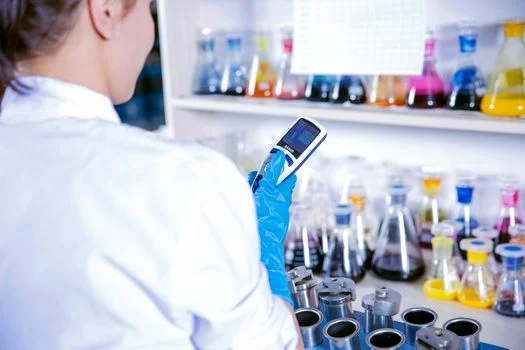
Sewage treatment equipment suppliers in Glasgow can be compared through a five-step low-risk selection framework that starts with 24-hour composite sampling. The framework begins with a verified influent analysis from a SEPA-accredited laboratory, so the design accounts for peak hydraulic and organic loading. Relying on average data is the main cause of undersizing, where a 50 m³/h system is installed on a site that surges to 100 m³/h during wash-down. A 24-hour composite sample covering COD, TSS, FOG, and pH fluctuation anchors the design basis.
| Selection Step | Action Item | Risk Mitigated |
|---|---|---|
| Step 1: Lab Analysis | Engage SEPA-approved Glasgow lab | Undersizing/Technical Mismatch |
| Step 2: Limit Matching | Cross-reference specs with SEPA 2025 limits | Regulatory Non-compliance |
| Step 3: Track Record | Verify industrial case studies in Scotland | Supplier Inexperience |
| Step 4: Pilot Testing | Conduct 3-month on-site trial | Process Instability |
| Step 5: Performance Bonds | Formalize effluent quality & uptime SLAs | Financial/Operational Loss |
Once the influent profile is established, match equipment to your SEPA discharge limits. A permit requiring TSS <30 mg/L rules out a simple clarifier; a DAF or MBR is required. Step three evaluates the supplier's industrial track record, because a domestic-septic specialist lacks the chemistry depth for pharmaceutical or food waste. Ask for Scottish case studies showing sustained compliance over at least 24 months.
The fourth and most critical step is pilot testing. A 3-month on-site trial with a mobile DAF or MBR unit lets engineers fine-tune dosing and observe influent variability before full-scale commissioning. Finally, negotiate performance warranties with defined effluent quality targets, uptime, and emergency response times, and cross-check the broader industrial waste water discharge requirements your group faces on multi-site programmes.
Disinfection choices close the train. For microbial compliance without excess chemical residue, weigh the disinfection options for Glasgow's industrial sewage treatment before fixing the scope. Suppliers who quote both UV and chlorine dioxide paths show more process depth.
Who This Is For / Next Step
Plant engineers, procurement managers, and EPC contractors specifying sewage treatment for food, dairy, textile, or pharmaceutical sites in and around Glasgow are the audience for this guide. Sites needing only small sanitary flows for an office block can stay with package septic products. If you want duty-point sizing for DAF, MBR, or dewatering equipment, send your flow and influent data for a technical quote.
Frequently Asked Questions
What are the current SEPA wastewater discharge limits for Glasgow industrial sites?
Most industrial sites in Glasgow work to TSS below 30 mg/L and COD below 125 mg/L as of 2024, though permits vary by sector. SEPA's 2025 roadmap points toward stricter nitrogen and phosphorus limits, which is why high-efficiency systems like compact MBR systems for SEPA reuse-quality effluent matter for long-term compliance. Authorisations also moved from CAR to EASR in November 2025, so re-read the permit text.
Should I choose DAF or MBR for a food processing plant?
DAF systems are superior for removing Fats, Oils, and Grease (FOG) and high concentrations of suspended solids, which dominate food processing loads. MBR systems win when the permit demands reuse-quality effluent with COD below 50 mg/L. Most food plants we size combine both, running DAF first to protect the membranes from FOG fouling and shock solids.
How much does an industrial DAF system cost in Glasgow?
An industrial DAF system for a 100 m³/h duty in Glasgow typically costs £150,000–£350,000 installed, with OPEX near £0.15/m³ for power and chemicals. Payback runs 2.5–4 years once avoided fines and trade effluent savings are counted. Sites above 500 mg/L influent TSS should budget for chemical dosing and sludge pressing alongside the DAF.
What dry solids should a Glasgow sludge dewatering press reach?
Target 30–40% dry solids from your filter press, which cuts sludge volume by more than 60% against liquid or belt-press cake. That moves disposal cost from £120/tonne toward £50/tonne and pays back the press in 1.5–2 years. Consistent polymer dosing and regular cloth maintenance keep the cake above that band.
What does low-risk sewage treatment supplier selection in Glasgow involve?
Low-risk sewage treatment supplier selection in Glasgow involves five steps: SEPA-accredited influent sampling, limit matching, verified Scottish industrial references, a 3-month pilot, and contracted performance warranties. Each step removes one failure mode, from undersizing to process shock after commissioning. Skipping the pilot is the shortcut that most often returns as a retrofit bill.